• Europe,  Lisbon,  Places

    Lisbon

    Day 1 - Alfama, Castelo and Graça

    Start your day at the Confeitaria Nacional in Praça da Figueira. Founded in 1829, its egg and almond tarts, macarons and pasteis de nata, accompanied by a coffee will give you the energy for your up and down walk around Lisbon. 

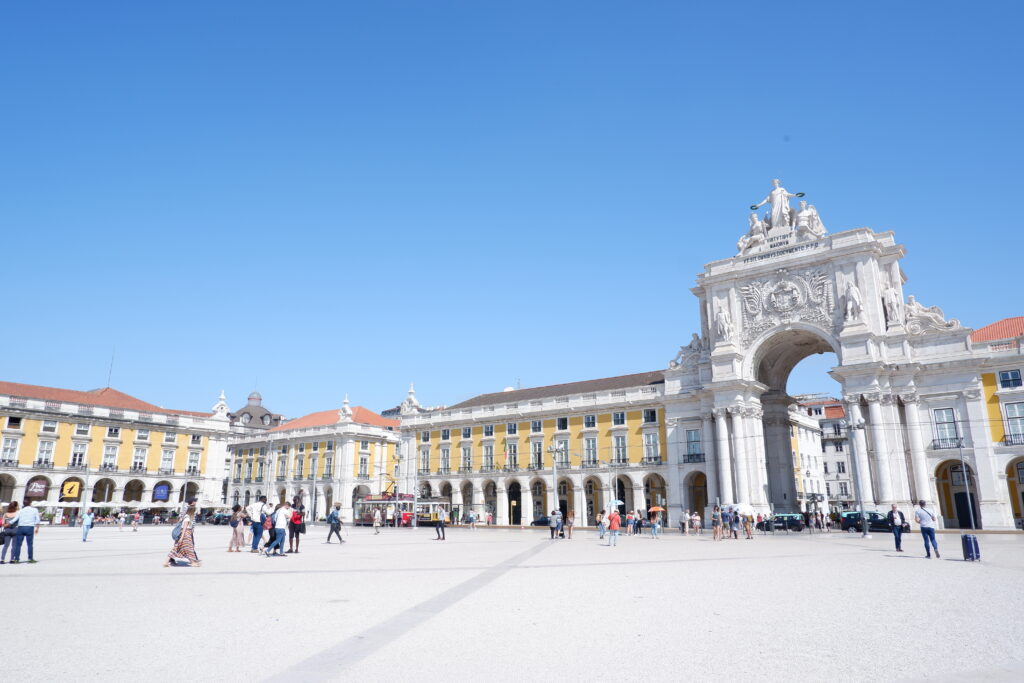
    Turn left in Rua da Correeiros and walk its length to reach Praça do Comercio: just think that in the past whoever came to Europe by sea was passing through here and this will explain the feeling that the square with its triumphal arc still is the access gate to the city. Actually the triumphal arc was built in 1755 after the earthquake that nearly destroyed Lisbon; it hosts statues of Vasco de Gama and the Marquis of Pombal, two historical figures that contributed to making Lisbon the great city that it was.

    Praça do Comércio and the Rua Augusta Arch in Lisbon
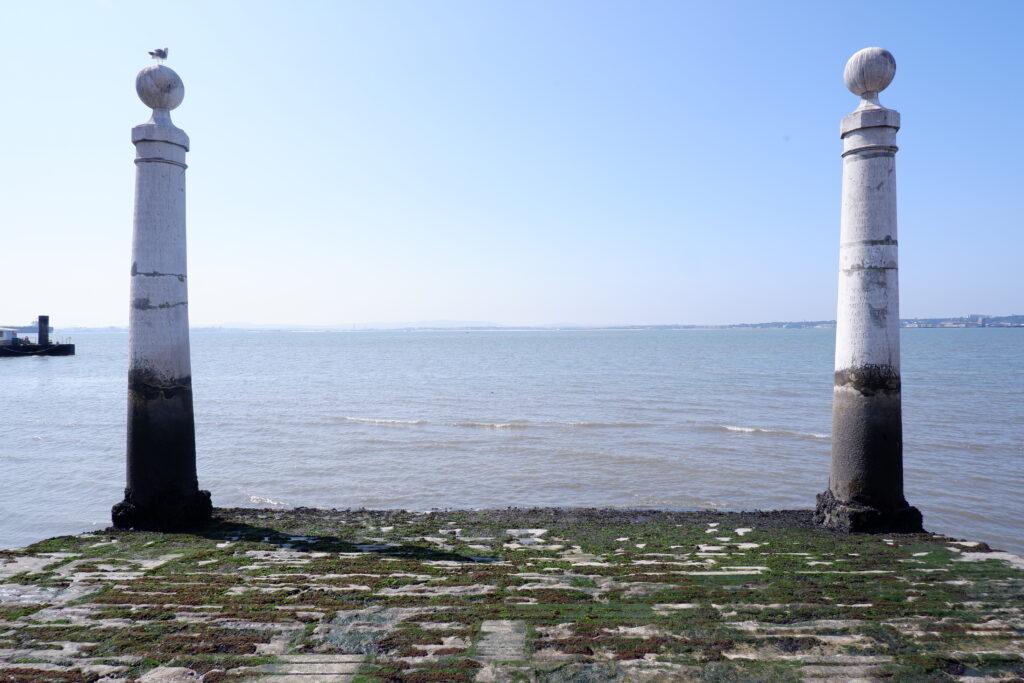
    The columns of Cais das Colunas on the Tagus, Lisbon

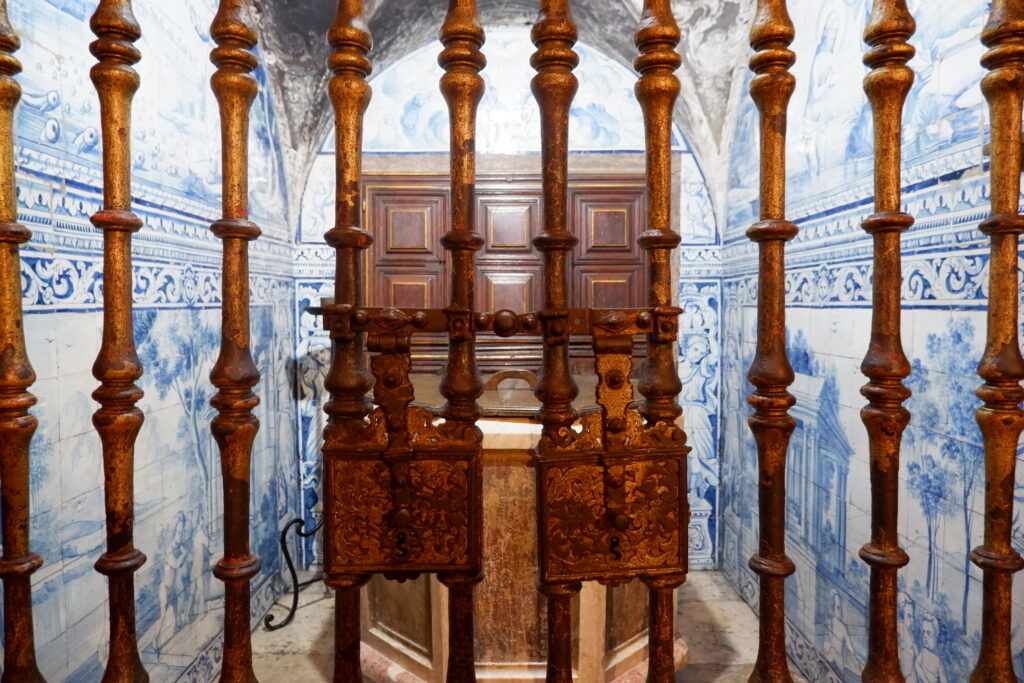
    Walking the full length of Praça do Comercio you will reach the shores of the Tago river. Either take a left and walk along the river, or head back to Rua de Alfandega and climb towards the “Se”, Lisbon cathedral. It represents one of the symbols of the city and it does look like a fortress. It was built in 1150 on the same site were a mosque had been destroyed once the christians freed the city from the arabs. The massive and stern facade does not reflect the quiet ribbed vault inside. Despite having very nice hand-painted rose windows, we found the church rather gloomy and dark. To the left hand side of the church entrance, a baptismal font adorned with white and blue azulejos certainly deserves a stop.

    Azulejo tiled interior with a carved wooden balustrade, Lisbon
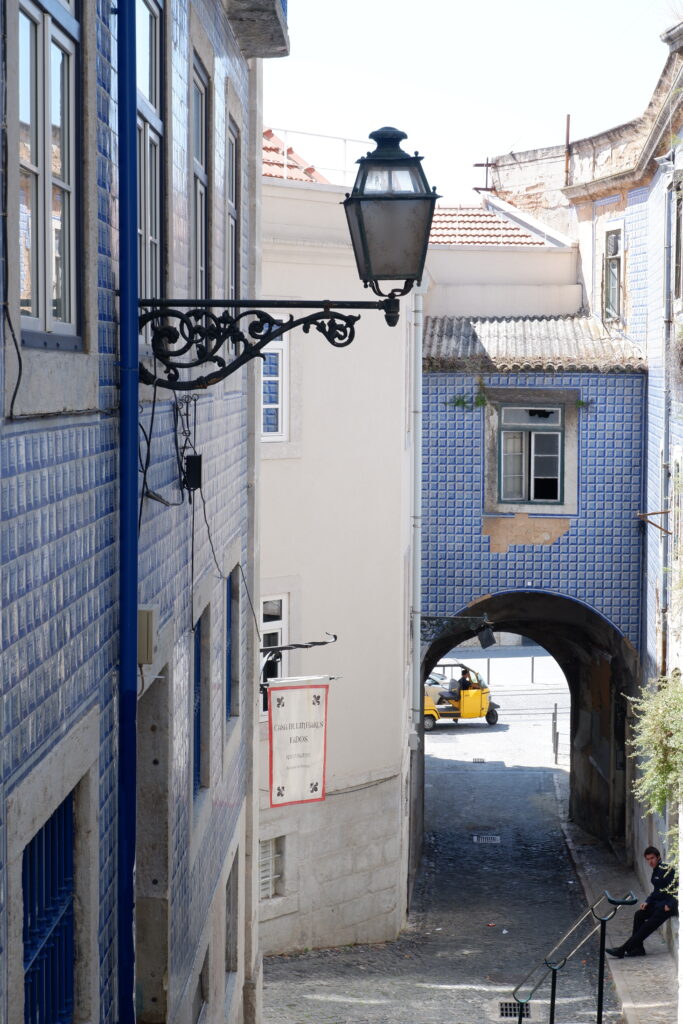
    Blue tiled facade and archway in the Alfama, Lisbon

    Exiting the cathedral, take a left on Rua de Sao João de Praça, famous for the Fado places, little cafes with vault ceilings and building facades covered with azulejos. This small road will take you right in the heart of Alfama neighborhood where no directions are needed. It’s much nicer to get lost in the maze of the travessas. 


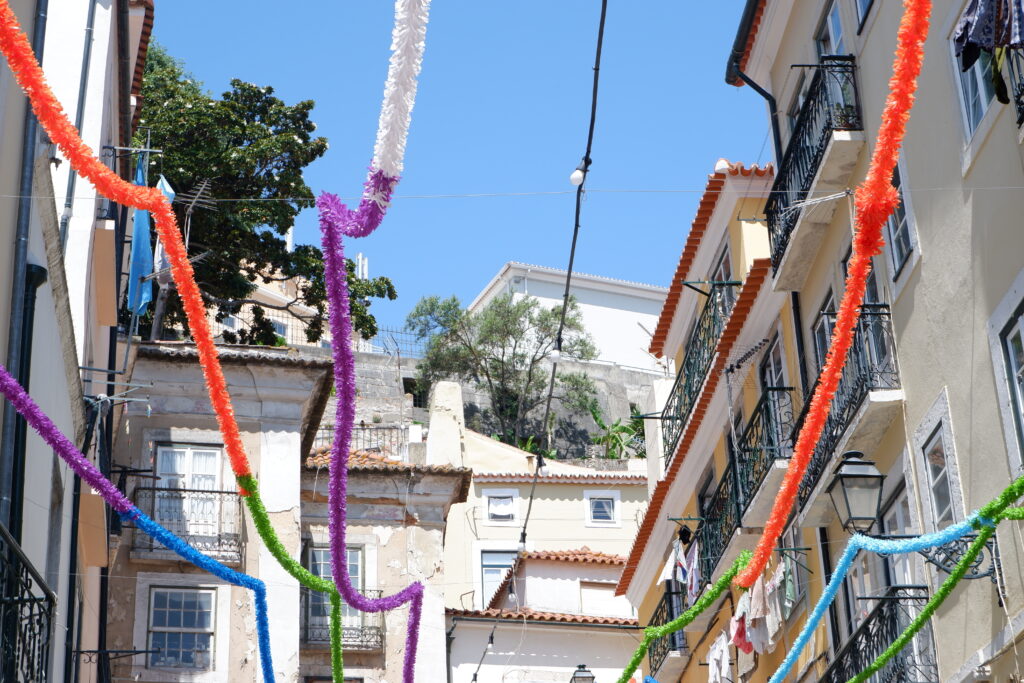
    Coloured decorations strung across a street in the Alfama, Lisbon

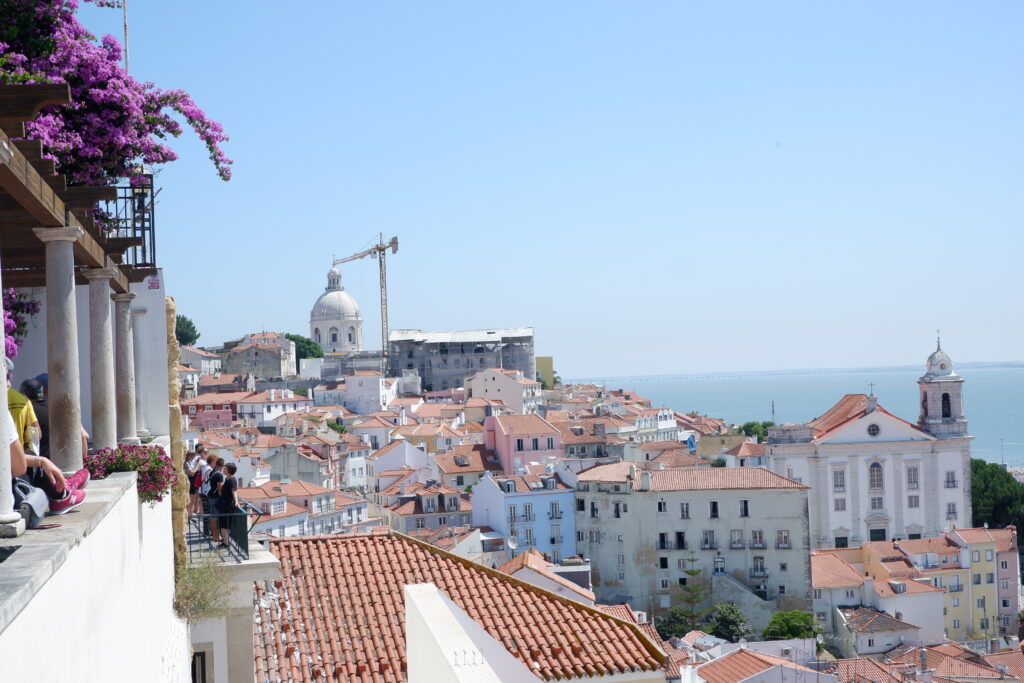
    Reach the Miradouro de Santa Luzia. (If you are lazy and lucky enough to find it, there is also an elevator that will take you there). This terrace covered in bouganville gives you an amazing view of the Alfama red rooftops and the river Tago. Admire not only the view but the mosaics of blue azulejos that surround the terrace and represent the siege of Lisbon. There are always street music players that will provide a nice soundtrack to the view.

    View over the rooftops of the Alfama towards the Tagus, Lisbon
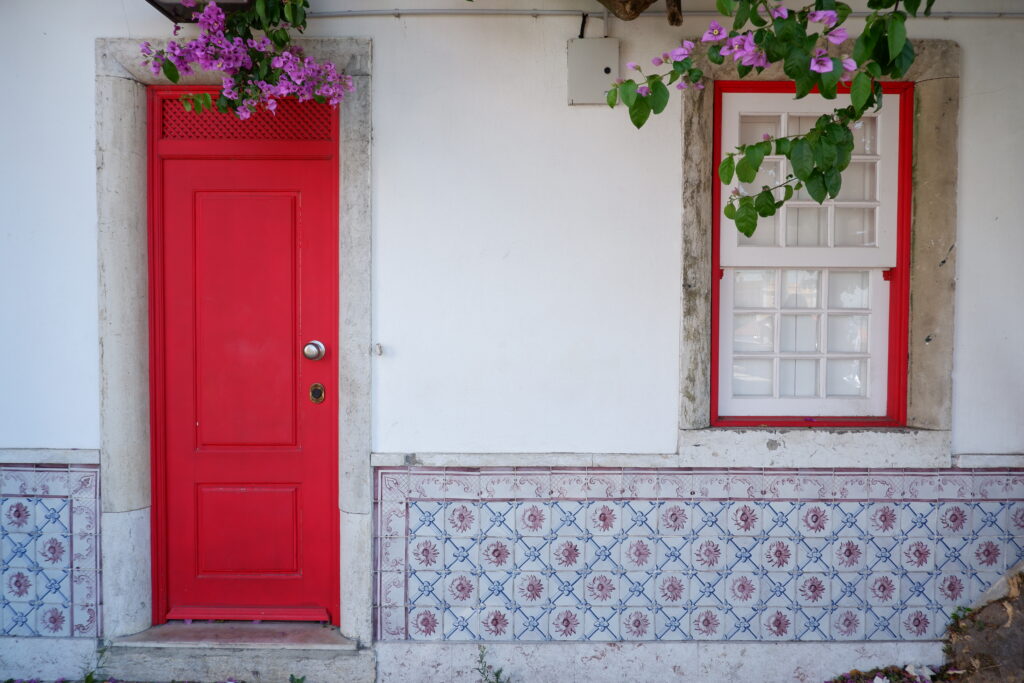
    Red door and window on a tiled house facade in Lisbon

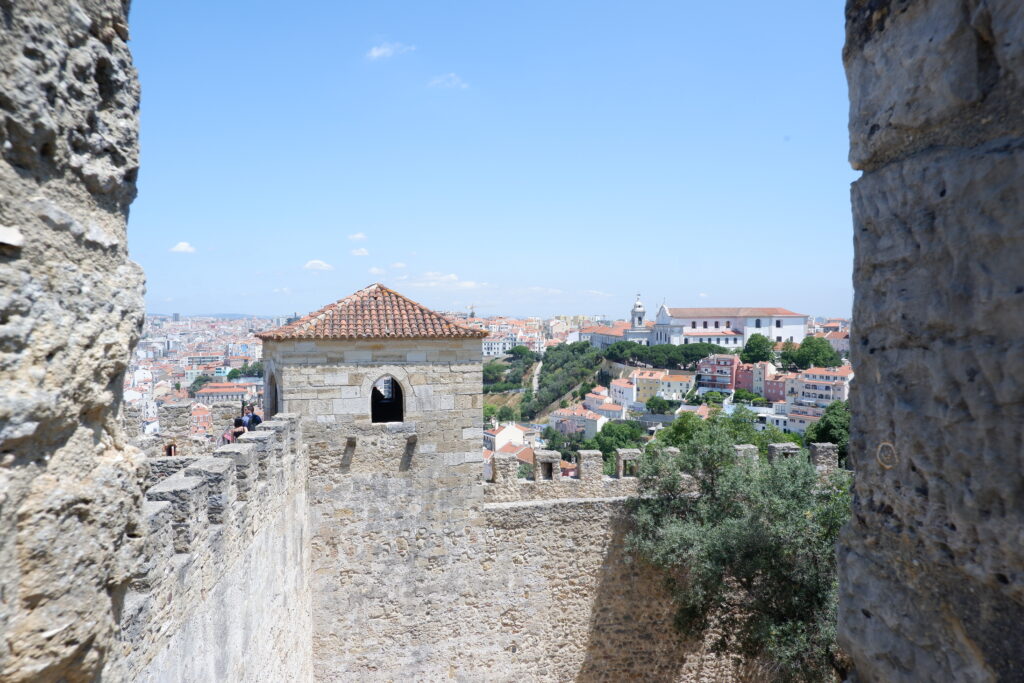
    Follow the indications for the Castel de Sao Jorge that is towering over the hill. The cue is not very encouraging, but if you have enough time to wait and visit castle, you can team up and while one of you waits in line the other can go and grab a pastel de bacalhau across the street. The castle was built in the 11th century by the arabs as the heart of their citadel. After that the crusaders and the Portuguese royals built around it and enlarged it. Enter and walk under the shade of the pine trees that line the bastions to enjoy the 360 view of the city. The castle is mostly ruins now, and there’s a lot of steep stairs to climb. The view deserves more than the actual archeological site, up to you to decide if it’s worth your time. Climb down the other side of the hill and grab a sandwich and a fresh juice at Nova Pombalina, a small neighborhood café in Rua do Comercio.

    View over Lisbon from the walls of São Jorge Castle

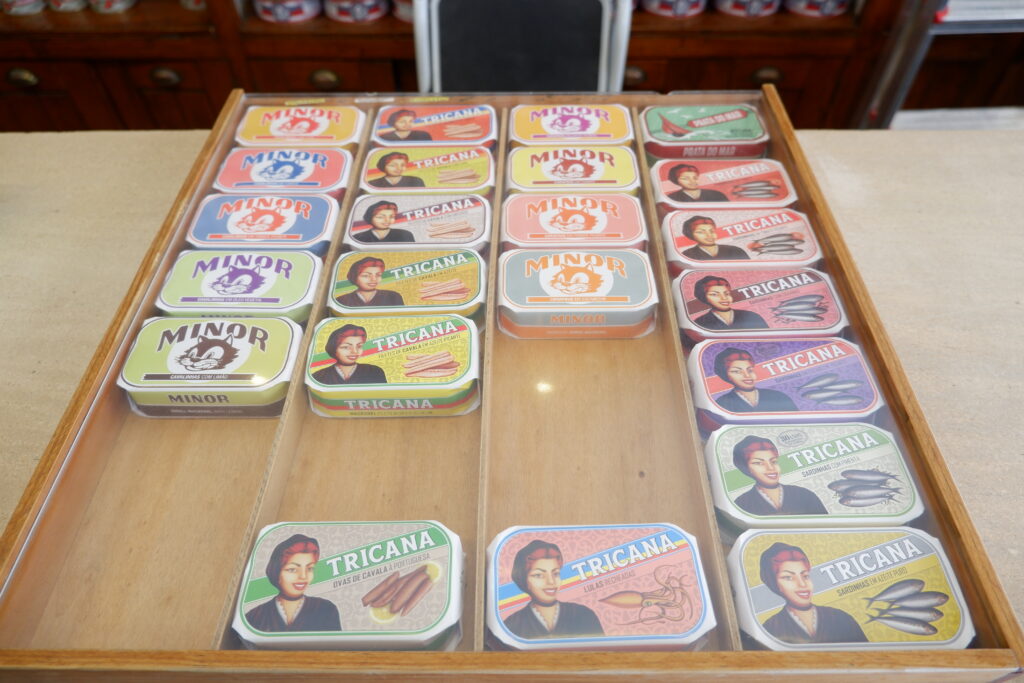
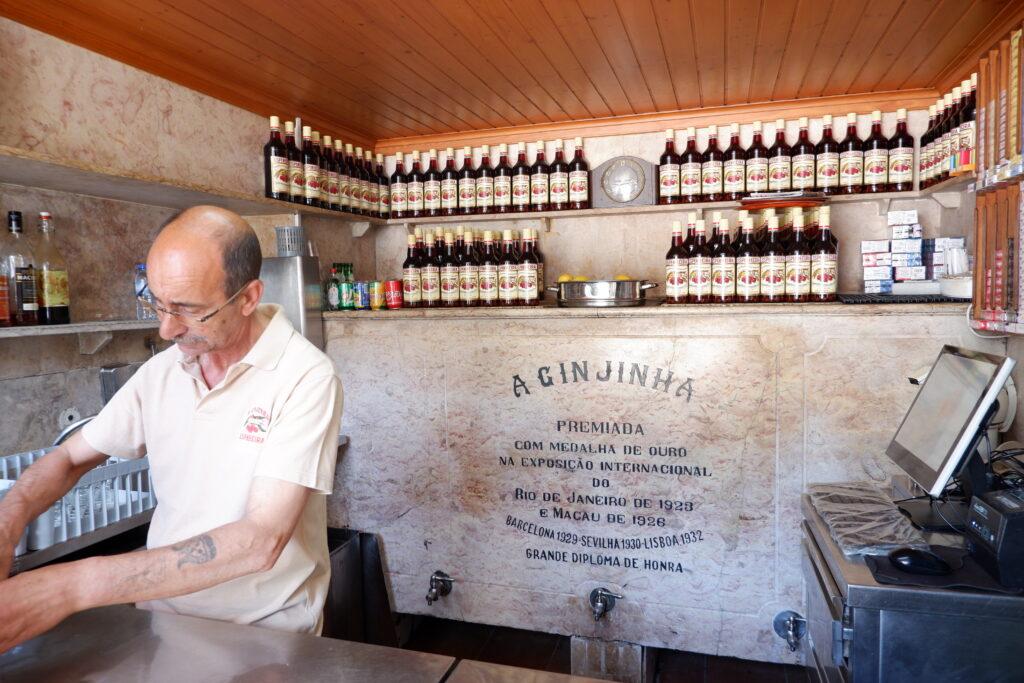
    After lunch enjoy a stroll in the neighborhood of Baixa. Stop for an ice cream at Fragoleto in Rua da Prata 61, check out the vintage boutique Outra Face da Lua in Rua Assunçao 22, buy some sardinhas at the historical 30’s Coserveira de Lisboa whose shelves are filled with canned fish with a retro design. Once you’ve closed the loop and you find yourself again in Plaça da Figueira, stop at A Ginjinha. You will be greeted by the stern look of Antonio Espinheira, a Galician man who in the 1800’s made the experiment of letting cherries ferment in brandy, adding sugar, water and cinnamon. The experiment was very successful since people are still lining up while the owners keeps on filling glasses of ginjinha.

    Decorated tins of sardines in a Lisbon shop
    Barman pouring at A Ginjinha, the cherry liqueur bar in Lisbon

    At night, enjoy the atmosphere of a dinner set in an old convent with a reservation at restaurant “A Travessa“.

    Day 2 - Tram 28, Estrela, Chiado

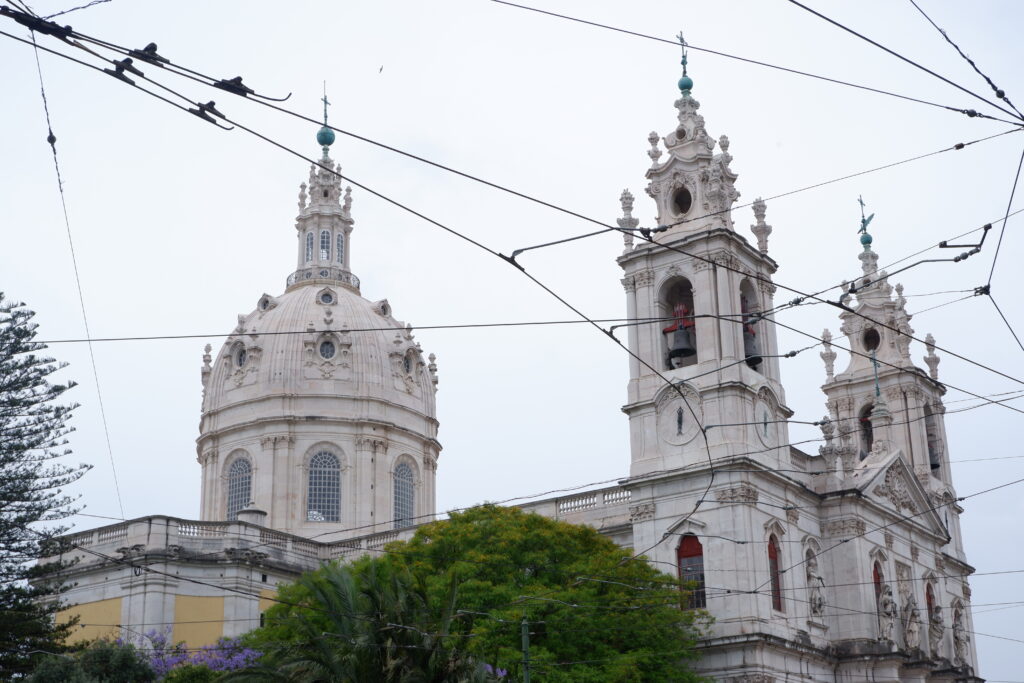
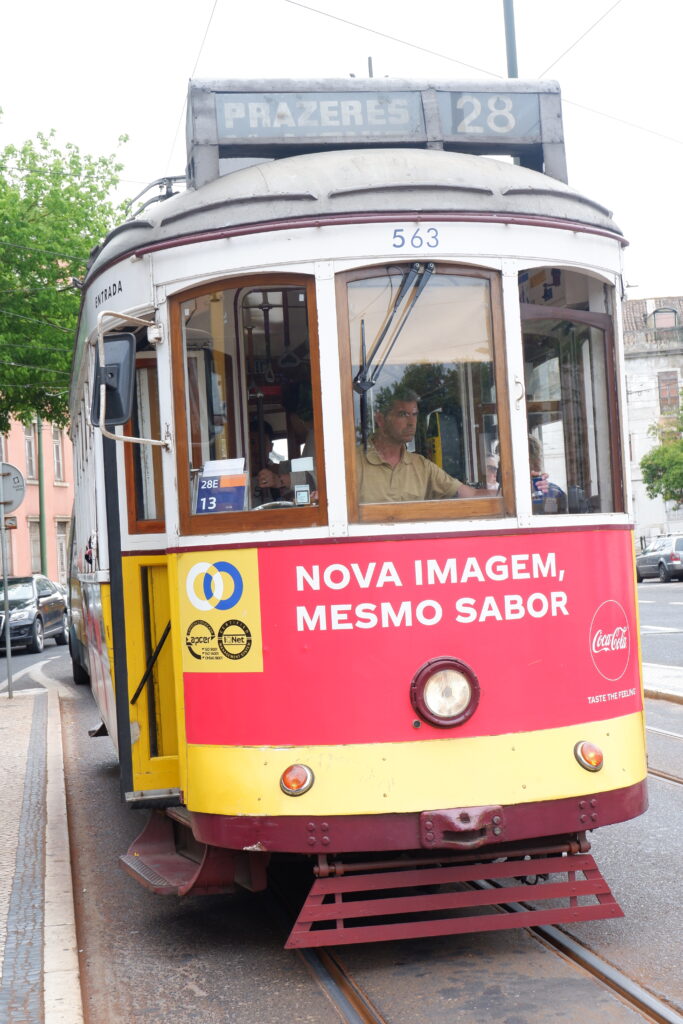
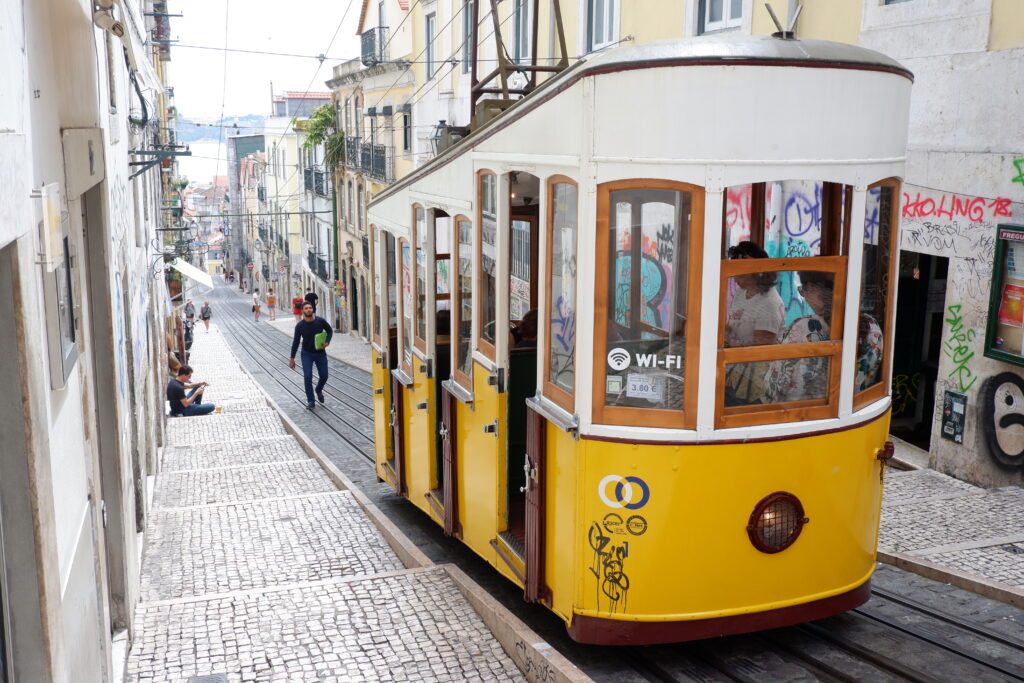
    Start your day with a ride through the city’s neighborhoods on tram number 28. We boarded in in Praça Martin Moniz, but here the queue is quite discouraging: we ended up waiting 40 minutes in line. A better alternative would be to wait for it to arrive along the narrow roads of Graça. You can buy the tickets on board but it will be cheaper to use the metro card. There is a reason why this ride is a must for most of the tourists: during the 40 minutes to Campo Orique the old, rickety tram climbs the streets of Graça with the clothes hanging so close to the tram windows you can nearly touch them, then goes down in Alfama showing the red rooftops and the Se cathedral, crosses the Baixa to climb again towards the elegant Praça Luis de Camoes. After the tram passes the  Calçada de Estrela with the pastel-color azulejos, get out in front of the white dome and towers of the neoclassical Basilica de Estrela. 

    Domes and towers of the Basílica da Estrela, Lisbon
    Tram 28 on its route through Lisbon
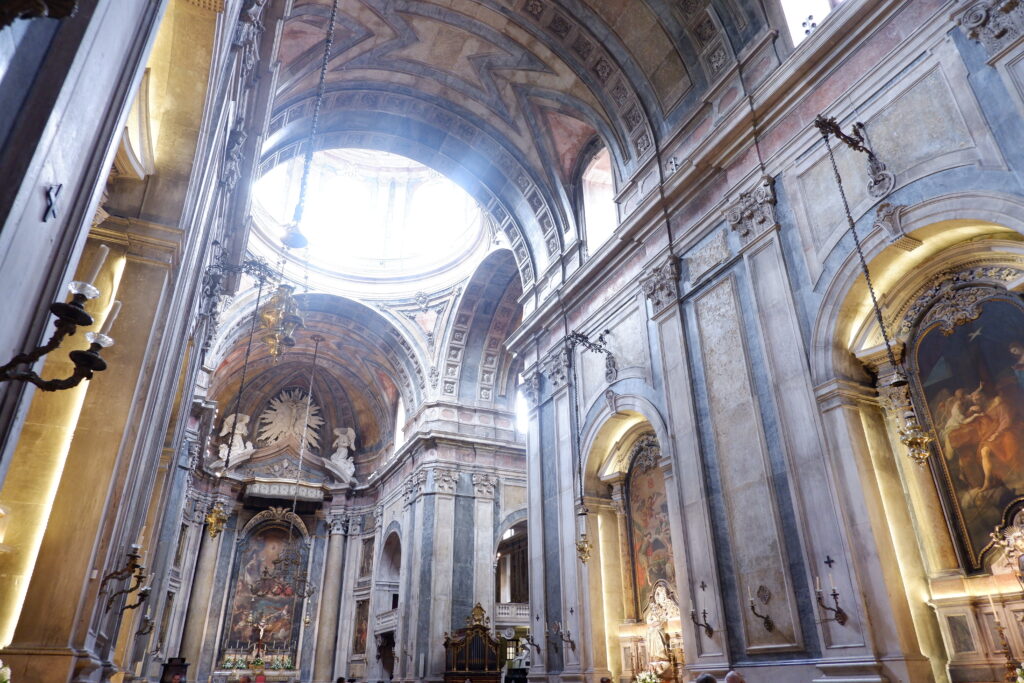
    Painted vaults and altars inside a baroque church in Lisbon

    A quick stop inside this church will reveal an inside decorated with black and pink marble. The church was commissioned in 1790 by Maria I as a thank you for having had a male heir. Her black marble tomb is on the right side of the altar. Take a stroll in the Jardim de Estrela just in front of the church: the trails under the pine trees and the palms offer a nice repair from the summer heat, or as in our case from the spring drizzle. Out of the Jardim take a left and travel backwards the same route of the tram 28 to reach the neoclassical Palacio da Assembleia da Republica, that houses the Portuguese parliament. The building that looks like a greek temple with the columns and the statues, lies on the ruins of a benedictin monastery.

    Time for a lunch break! Nearby you will find O Cocho, an Alentejana gastronomy (Alentejo, literaly “beyond the river”, is a geographical and cultural region in the south of Portugal that is famous for its olives and traditional sausages) that serves small bites and tapas for lunch. The two owners, despite not being super talkative, show the love for their region in the way they present the products and in the choice of the name: a “cocho” is a traditional cork bowl from Alentejo used to drink water.

    A short but steep walk towards the botanical garden then down the road will take you at the base of the Elevador da Gloria: this cable car, running since 1885 and taking people from Praça dos Restauradores to Rua Sao Pedro de Alcantara, is unfortunately besmirched with graffiti, and the 350 m ride is not really worth it. Much better to walk beside it taking pictures till you reach the top of the steep Calçada da Gloria and the Miradouro de Sao Pedro de Alcantara. The panorama from this terrace is not as breathtaking as others.

    While leaving the Miradouro towards the neighborhood of Chiado, stop by the Igreja Sao Roque to admire the contrast between the stern facade and the gilded inside, adorned with azulejos and marble.

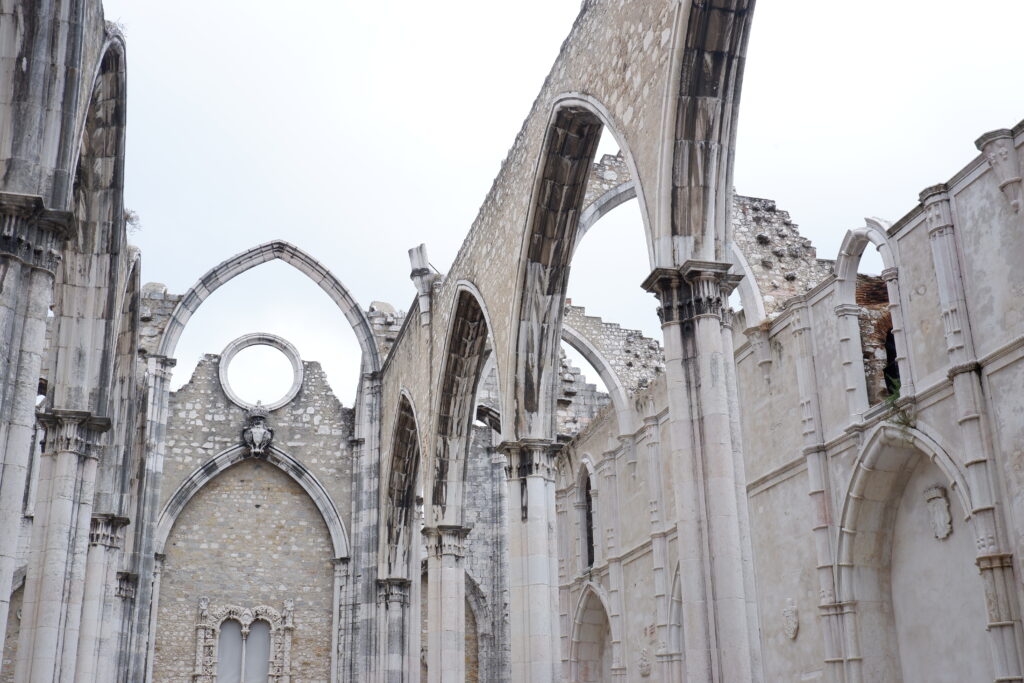
    With your back to the church portal, take the road to your left and walk down towards the Convento do Carmo that will really give you an idea of what happened to Lisbon in 1755. In the early 1700 Lisbon was at its height, flourishing through the commerce of silk, spices and the gold coming from Brazil. The on the morning of All saints day in 1755 three major earthquakes, followed by a fire and a tsunami razed the city to the ground. The Convent, founded by the carmelitans in 1389, crumbled down as well, killing the believers that were attending the Mass. After a short attempt to rebuild it, it was left as it was, with the arches and the columns forming a skeleton under the sky. The nave is disseminated of broken pieces of the original church, while the chapels host the Archeological museum.

    Roofless gothic arches of the Carmo Convent in Lisbon

    Just a 1-minute walk from the Convent, Fabulas (Calçada Nova de Sao Francisco 14) with its exposed stones, the trembling flame lights of the candles and the hidden corners offers a very relax environment to recharge your batteries with a coffee and a piece of cake. If the weather permits it, sit in the inner garden, that we missed all together.  Follow Rua do Loreto and do not miss on your left hand side the arrival of the Elevador da Bica that since 1892 climbs Rua da Bica de Duarte Belo. After Rua da Bica, a small street on your left will take you to the Miradouro de Santa Catarina: we had great expectations for this terrace that promised a vertiginous view of the city, but the scaffolds that were covering it (at the time) left us very disappointed. We were more fascinated by the Pharmacy museum and it’s garden bar than by the view.

    Yellow tram climbing a narrow street in Lisbon

    Day 3 - Belem

    A stroll in the neighborhood of Belem will make you travel back in time the era of the geographical discoveries of Portugal during the 15th and 16th Century when explorers such as Vasco da Gama and Magellano were sailing away towards distant lands filled with gold and spices and Portugal was but a drop in the imperial ocean of Manuel I.

    From Praça de Figueira take tram number 15 that in 30 minutes will take you to Belem. If you are early enough or if you feel like facing a queue, stand in line at the Antiga Confeitaria de Belem that since 1837 bakes fresh pasteis de nata. They are still sometimes called  pasteis de Belem because they were first baked in a sugar factory next to the Mosteiro in Belem.

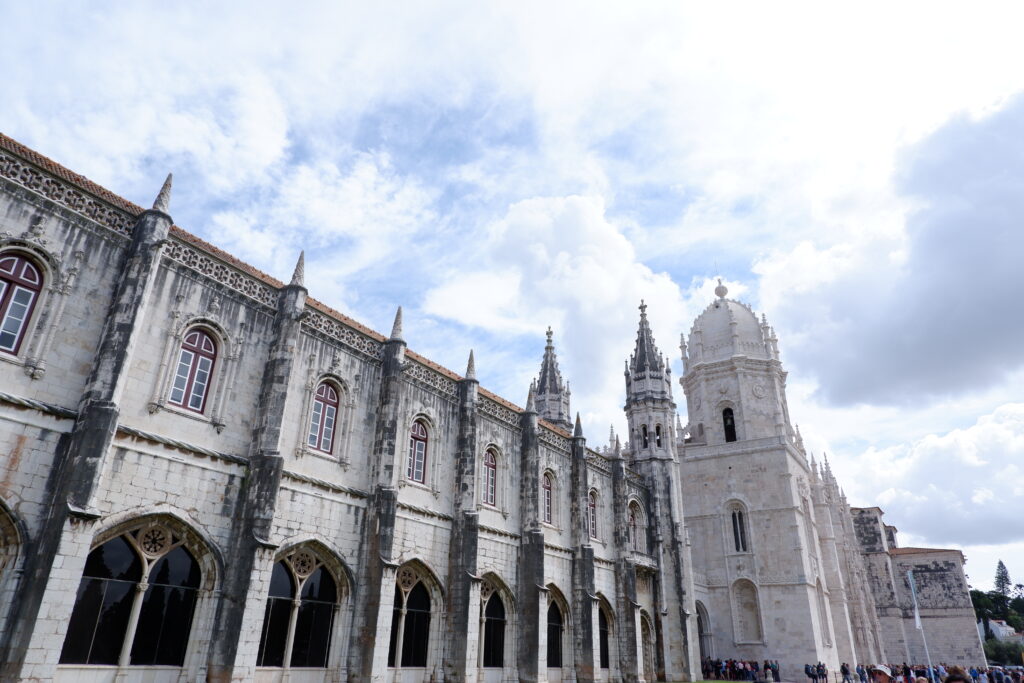
    Start your tour of this suburb of Lisbon from the Mosteiro dos Jeronimos. The Monastery was built in 1501 by order of king Manuel I to celebrate Vasco da Gama discovery of the sea routes for India. It housed the ecclesiastical order of San Jeronimos whose spiritual duty was to pray for the sailors. The order disappeared in 1833 and the Monastery was used as a school and orphanage until 1940. The tickets for the Monastery are easily purchased at the center of the Monastery with automatic machines, while the main entrance is by the side of the Monastery. Before showing your ticket turn right and enter the Church. 

    Exterior of the Jerónimos Monastery in Belém, Lisbon

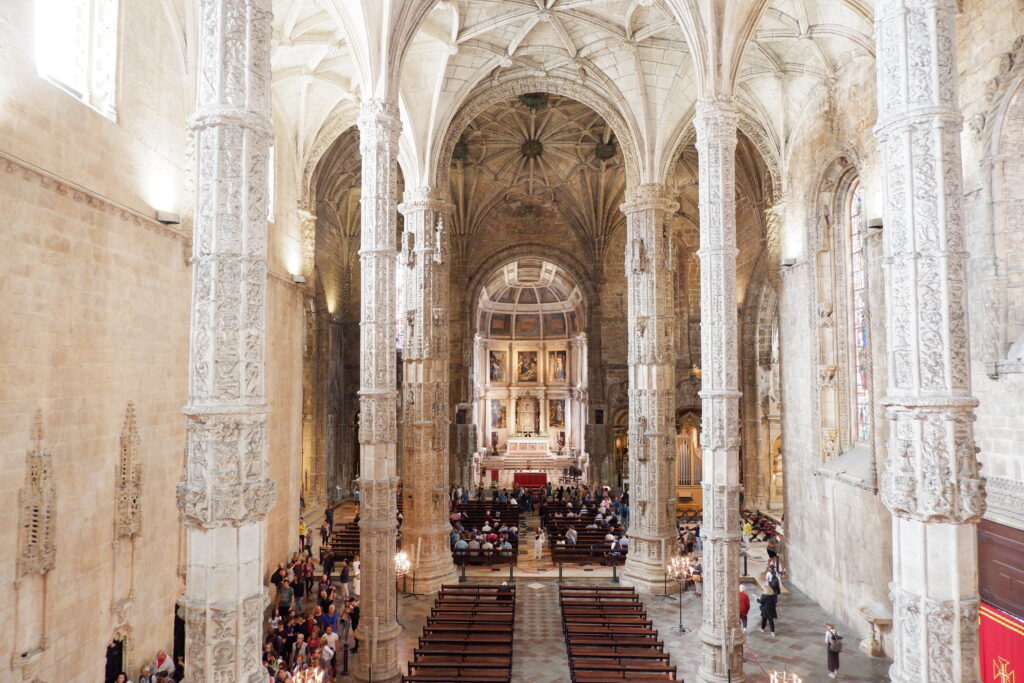
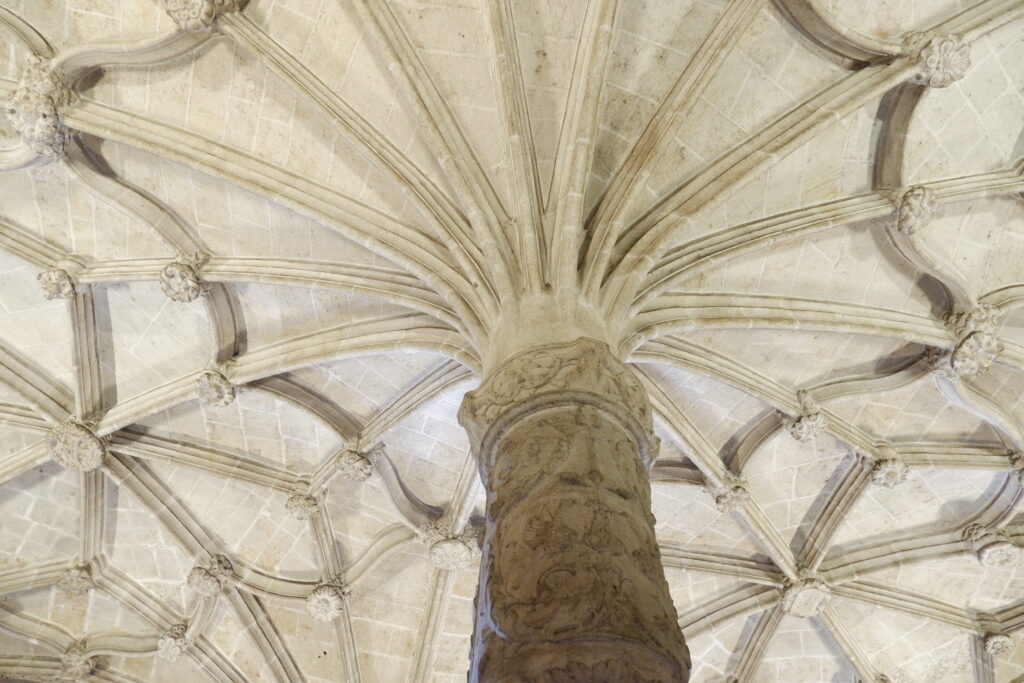
    The first thing that captures the attention are the massive columns that support the stone ceiling. Follow the path by the right side of the church, pass the altar and stop at the sacristy. The single central massive column that radiates towards the ceiling like a palm tree branching toward the four corners to support the ceiling and the wooden drawers definitely deserve the 1.50 euro of admission. 

    Columns and vaults of the Jerónimos Monastery church, Lisbon
    Fan vaulting of the Jerónimos Monastery ceiling, Lisbon

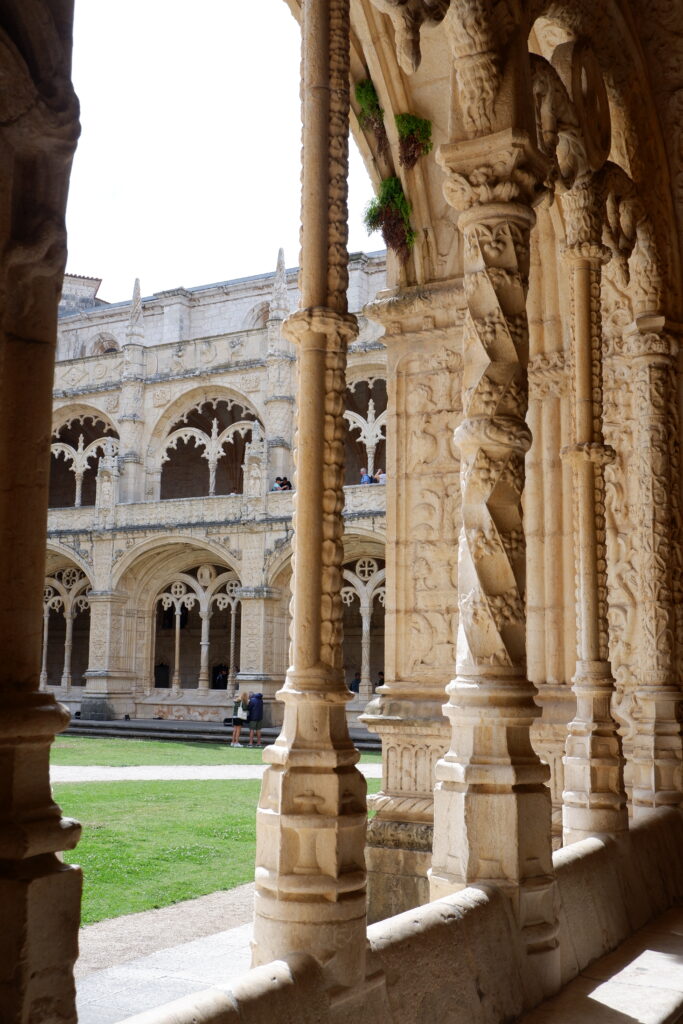
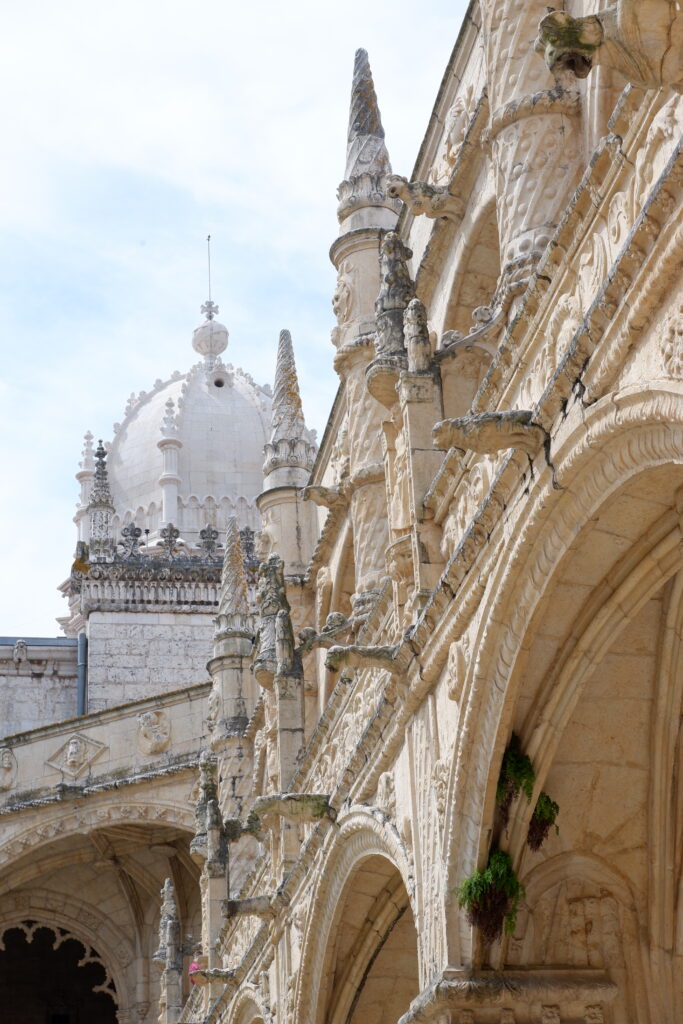
    Out of the Church starts the visit at the actual Monastery. The cloister is built with lighter stones compared to the Church: walk around the lower level to admire the arches and the columns splendidly decorated with leaves and creepers. Before climbing the stairs to the upper cloister level, stop to visit the refectory, whose walls are covered with religious azulejos, and the capital room, with the tomb of the the Portuguese historian Herculano. Once on the upper level of the cloister pay attention to the gargoyles overlooking the central garden.

    Carved cloister of the Jerónimos Monastery in Belém, Lisbon
    Domes and Manueline stonework of the Jerónimos Monastery, Lisbon

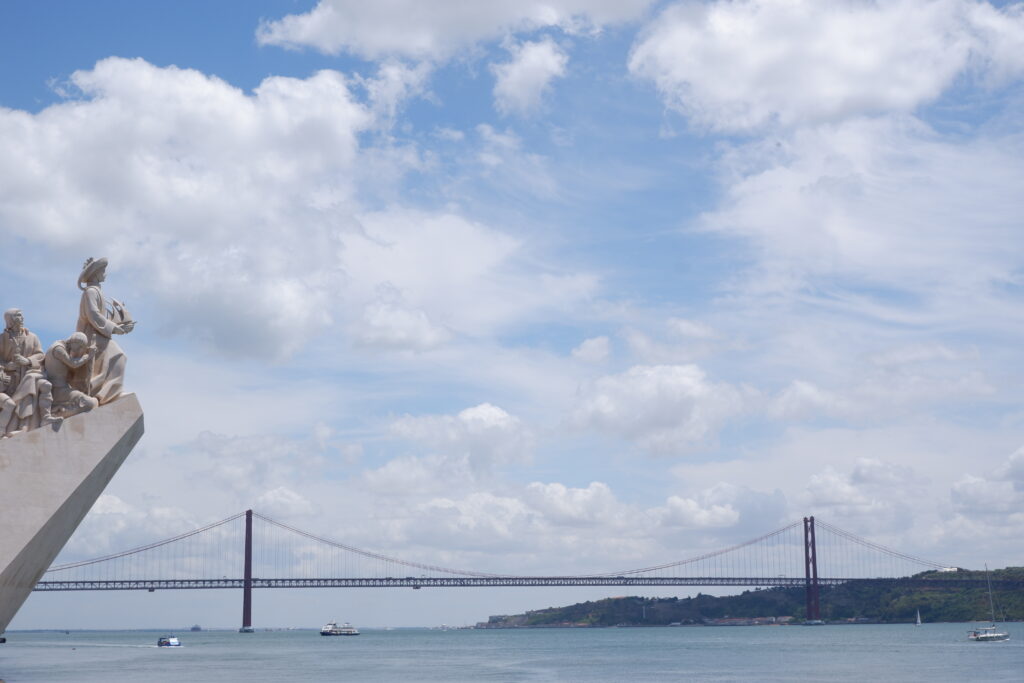
    You can enjoy a walk and the best view of the Monastery from the Praça do Imperio. Crossing the square towards the river it’s impossible not to notice a white stone monument of a caravel. The Padrao dos Descobrimentos was built in 1960 to celebrate the 5th century anniversary of Henry the Navigator; it’s a 52 meters sculpture picturing all the famous Portuguese explorers. There is an elevator inside that can take you to the top, but you can get the same view from the Belem Tower.

    We suggest a lunch stop at “2 a 8”, nice modern bistro were the petiscos (tapas) are mouthwatering and well presented. But leave some space for the delicious chocolate mousse.

    The 25 de Abril Bridge over the Tagus seen from Belém, Lisbon

    Continue you walk along the river taking a right towards the Belem Tower; this represents a symbol of the Age of Naval Discoveries. It was built in 1515 to defend Lisbon’s port. The queue outside can be quite long as they admit only 120 people inside at a time. Once inside your IQ will be challenged by the complicated system of traffic lights that regulates the flow of people going up and down the 93 steps of the spiral staircase. Once you see the green light you will have precisely 2’30” to go up. If you are not fast enough, at the end of that time frame you will hear an hissing sound prompting you to leave immediately the staircase, up to you how… If you get to the top the view is definitely worth it. Enjoy it…!

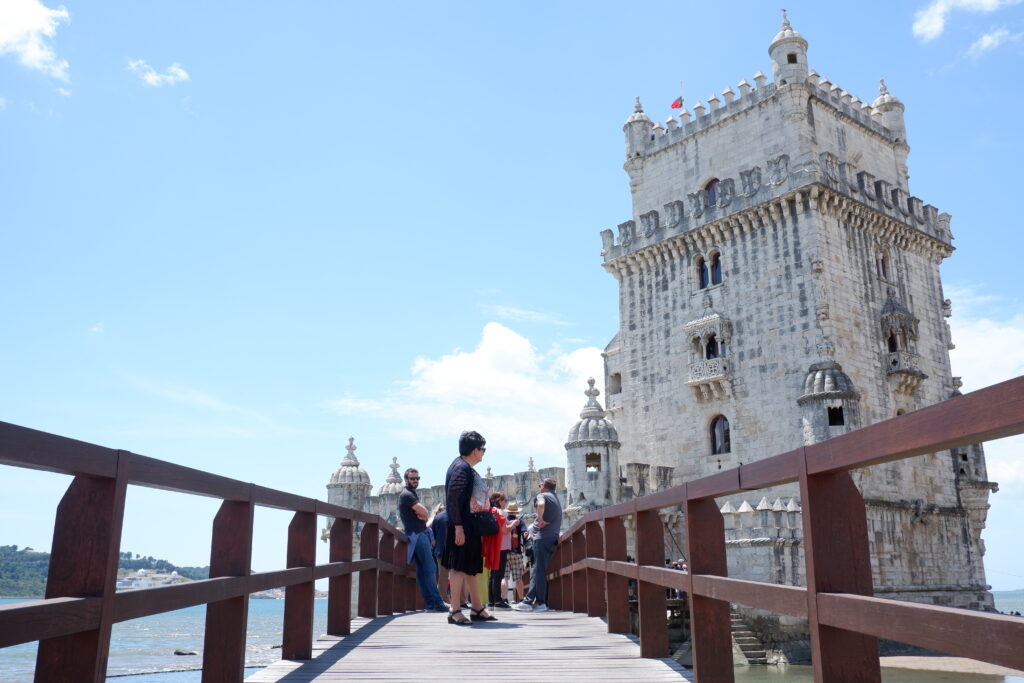
    Visitors on the walkway to the Belém Tower, Lisbon
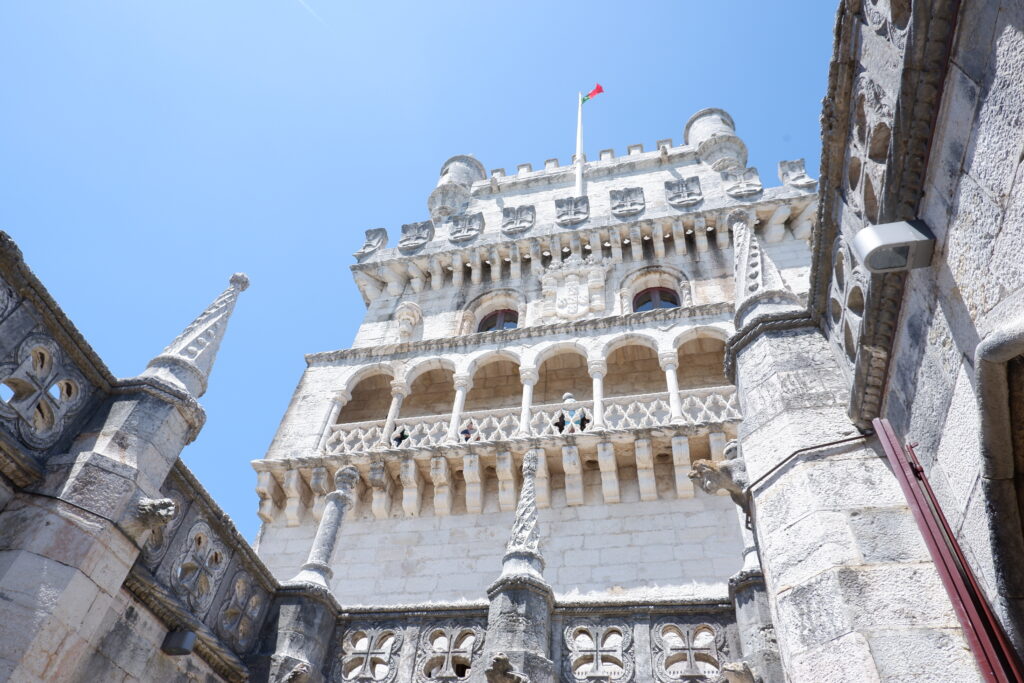
    Manueline balconies of the Belém Tower, Lisbon

    Not everybody is aware of a curiosity about the Belem Tower. When you are walking out of the tower, turn left and under the western tower you will see the statue of a rhino: this is the portrait of an Indian rhino that was donated by Manuel I to the Pope in 1515 (but who never reached Rome since he drowned with the boat that was carrying him…).

    As a final stop of your day in Belem, we suggest a visit tu Museu Colecçao Berardo.With its collection of modern and contemporary art, paintings from Picasso, Pollock, Miro, Warhol, it is simply unbelievable how this museum is not part of the touristic itineraries at all. Granted, not everybody can appreciate whatever art happened after 1960, especially if it’s a video of a man blowing a ballon with the nose, but the first floor with art of the early 1900 is definitley worth the 5 euros of the ticket.

    At night pamper yourselves with a 10-courses set dinner at the (future Michelin-starred trust us) “100 Maneiras” restaurant.

    Day 4 - Markets and what else

    It’s always a good idea to keep one day “unplanned” for some last minute souvenirs shopping, for those things that you would do only once you’ve seen everything else. If you have kids (we don’t have any, but it was still hard to convince F not to go…) you can plan a visit to the Ocenario, located just outside the city and easily reachable by metro. Close by there is the Parque de Nacoes, that was built for the 1998 EXPO, and the Vasco da Gama bridge, the longest pedestrian bridge. 

    We decided (actually E did, since it was her birthday) to go to the Mercado de Ribeira, now known also as Timeout Market. Here you will find every food you ever wished for, and more. All the famous restaurants, cafes and pastry shops in town have their little shop in the market. Even the Michelin-starred restaurants in Lisbon have their stalls! If it’s time for a late breakfast grab a pastel de nata at Manteigaria, if too late for breakfast, choose among the delicious ham and cheese selection, the sardinhas, the pasteis de bacalhau and so on. If it’s a nice day outside, we suggest to do as we did, grab a little of everything, have it packed and head for a picnic to the Parque de Necesitades. The 714 bus (the stop is right behind the market) will take you there directly. 


  • Budapest,  Europe,  Places

    Budapest

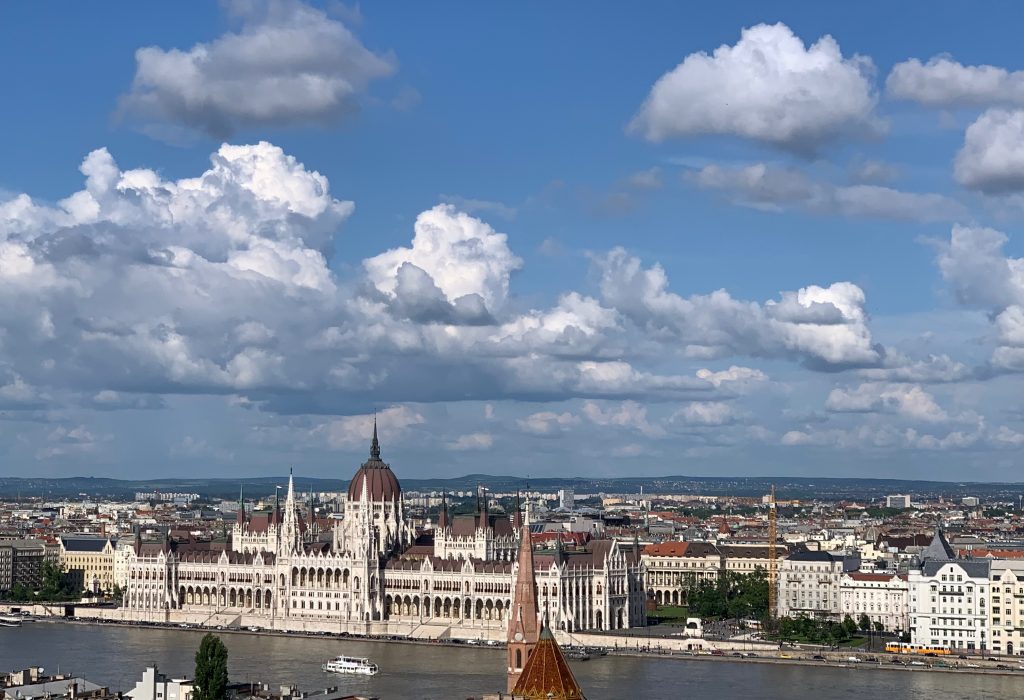
    View over the Danube and the Hungarian Parliament in Budapest

    Budapest (made of Buda, the old town, and Pest, the new part of the city) owes its beauty to the hand of history that has shaped it the way it is. Overall, it has a fin-de-siecle feel to it, for it was during the capital’s ‘golden age’ in the late 19th century that most of what we see today was built. And in Budapest the past is just around the corner, with bullet holes and shrapnel pockmarks on buildings and poignant memorials. But there is also much joy as loved concert halls and theaters are built and renovated, metro lines extended and busy streets repaved and pedestrianized.

    Here is our proposed itinerary to merge in its beauty in 3 days. If you have time we do suggest checking out the thermal baths and the little village of Szentendre.

    Day 1 - Parliament and jewish quarter

    Start your itinerary from the parliament. 

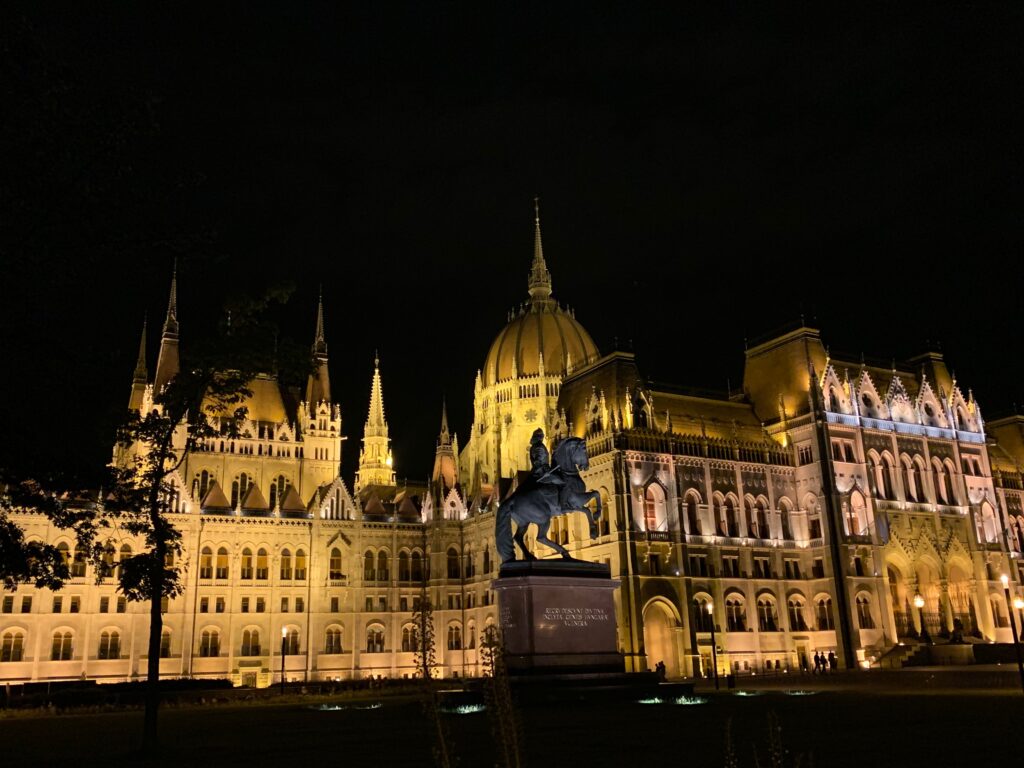
    The Hungarian Parliament lit up at night, Budapest
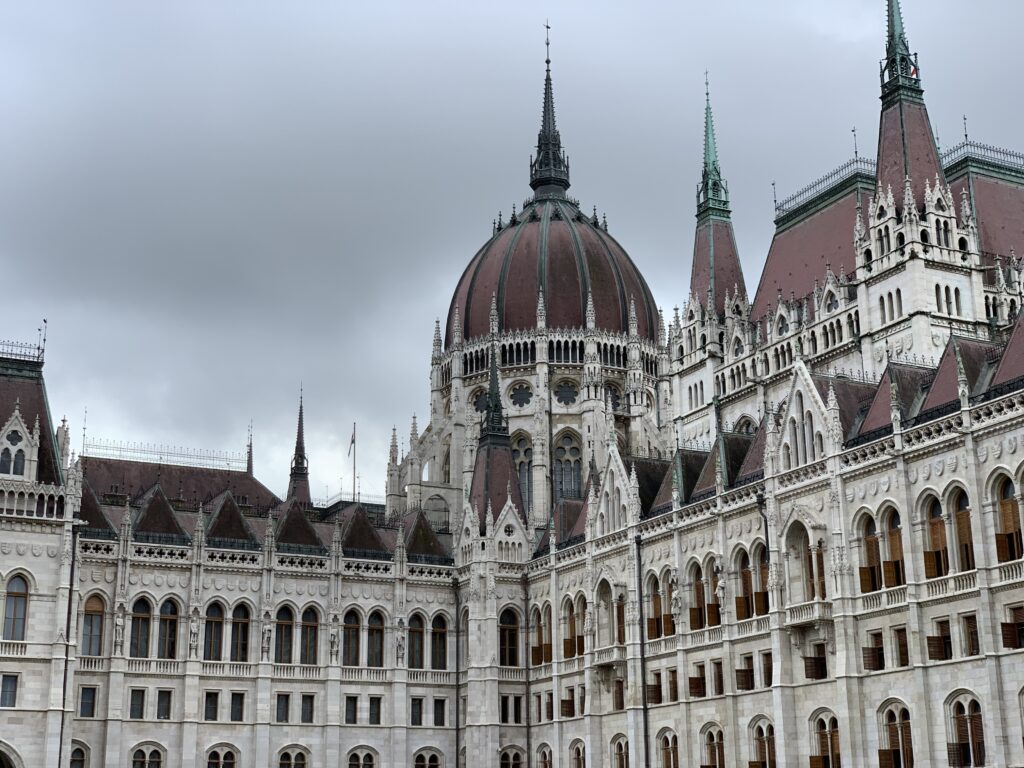
    Facade and dome of the Hungarian Parliament, Budapest

    It is hungsry largest building, stretching for 270 m along the danube in pest. The choice of the location is not made by chance. As a counterweight to the royal palace that rises high on buda hill on the opposite side of the river, the placement was meant to signify that the nation’s future lay with popular democracy and not royal prerogative. TCompleted in 1902 the structure is thought to have been inspired by london’s rebuilt palace of Westminster. The building is a  blend of neo gothic, neo romanescque and neo baroque, with sculptures of the great and the good – kings, princes an hystorical figures – gazing onto the river from the western façade, ehile the main door, the lion gate has been recently renovafted. Unfortunately not a lot of attention (or money) was spent on the materials for the building: the ornatevstructure was surfaced with a porous form of limestone that does not resists pollution very well, so the bulding is under constant renovation. Circle it from the outside, ticketed vsits are feasible but they will take a full morning and they need to be booked in advance.

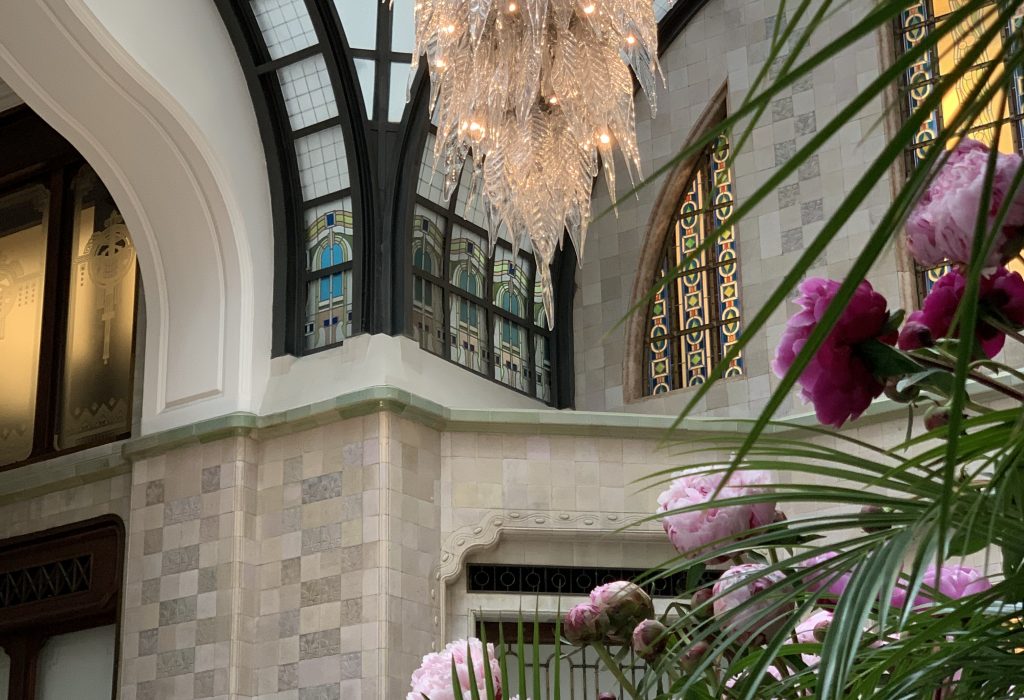
    Facing the parliament, walt to your left throught the gardens of Kossuth Lajos square separating it from the official governements buildings. Continue straight through a dedalus of small streets till you reach the X gardens. From there admire the view on your left of the Szechenyi Lanchid bridge, then turn right towards th historical Graham building that now hosts the Four Season Hotel. Walk the lobby with its art deco style and exit to the left into the pedestrian zrinyi u. 

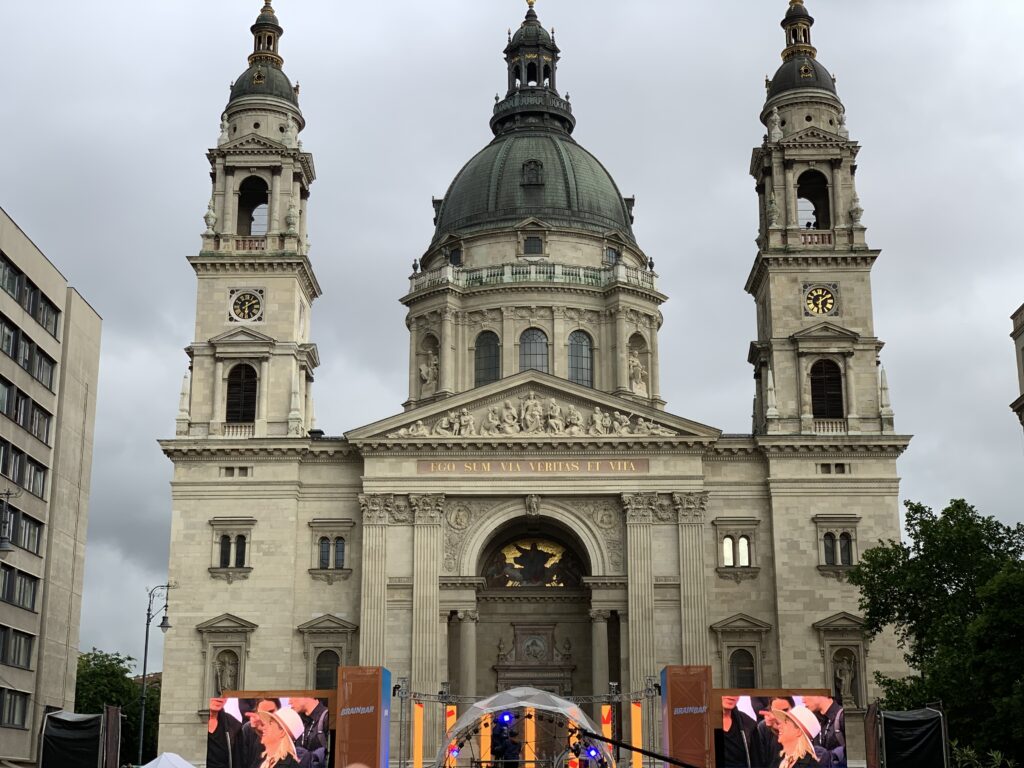
    Walk it towards Sain Stephen basilica.

    Ornate café interior with chandelier in Budapest

    It s the most important catholic church in all of hungsry, if for no other reason than that it contains the mummified right hand of the chirch patron. It’s neoclassical, in the form of a Greek cross and can accommodate 8000 worshippers. It took 60 yers to be completed in 1905. The façade is anchored by 2 bell towers, one of which contains a bell weighting 9 tonnes (even if av replacement for one looted by the Germans). Behind the towers is a 96 m-high dome that can be reached by 2 lifts and 40 steps (or 303 steps if you want to walk).

    Exterior of St Stephen's Basilica in Budapest
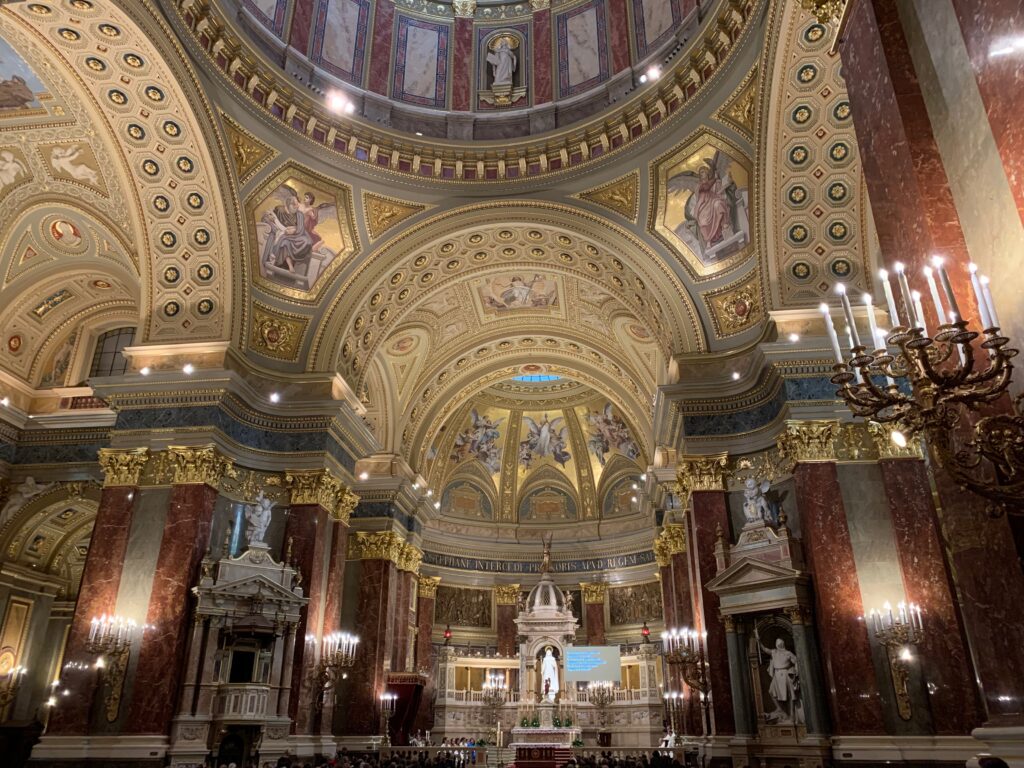
    Painted dome and altar inside St Stephen's Basilica, Budapest

    The interior of the basilica is rather gloomy and dark, with the sole exception of the golden mosaics on the inside of the dome. Behind the altar and to the left is the basilica’s major drawcard: the holy right chapel, that contains the Holy Right, the mummified right hand of st Stephen. It was restored here by empress maria Theresa after being found in a monastery in bosnia, snatched after ww2 but soon returned. If you put a 200ft coin in the slot to illimunate it, and look from the right side, you will see the knuckles.

    Guded tours in English deprt at 9.30, 11, 2 and 3. At 8 pm organ concerts are hekd here, on Thursdays an Fridays. Free and worthwhile.

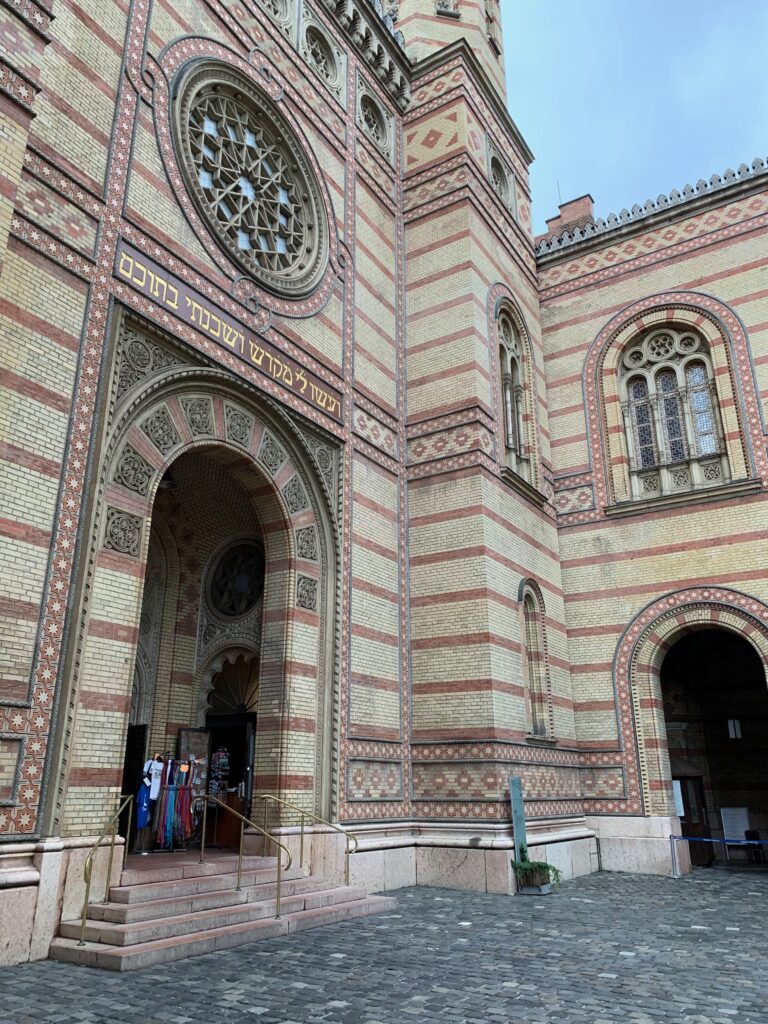
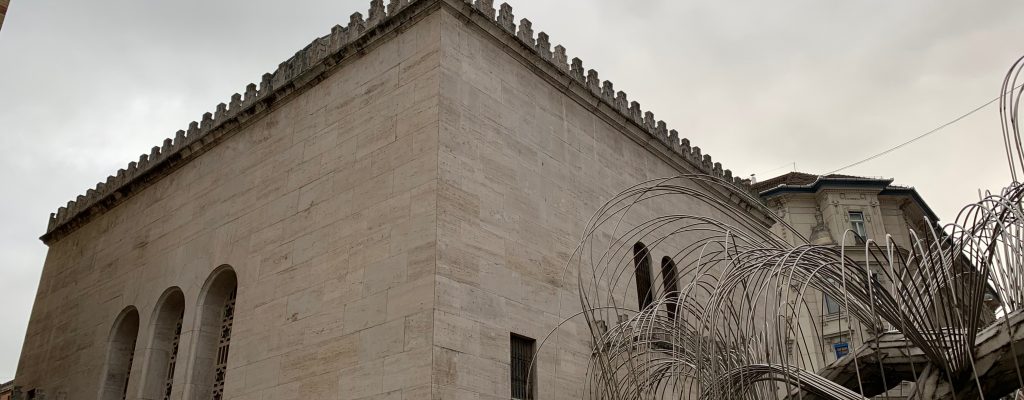
    When out of the basilica take a left and walk towards the Danube to the eclectic Vaci utca. Once you reached Erzsebet hid, turn left towards the Dohani Sinagigue. With its crenellated red-and-yellow glazed brick façade and two enormous Moorish-style towers, is the largest jewish house of worship in the world outside New York City, seating 3000 worshippers. 

    Moorish revival facade of the Dohány Street Synagogue, Budapest

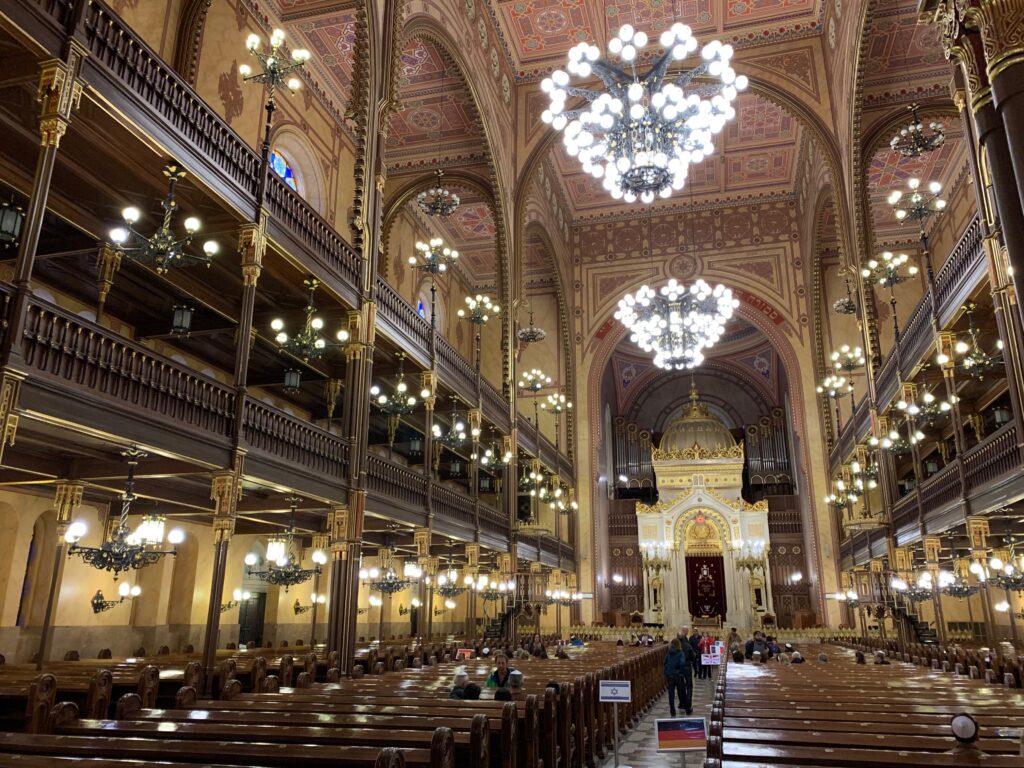
    After the security check, turn right towards the Synagogue entrance, wear your kippa and look for the flag of your country in the main aisle. There you will find a volunteer eager to tell you every secret he know about this sacred place.

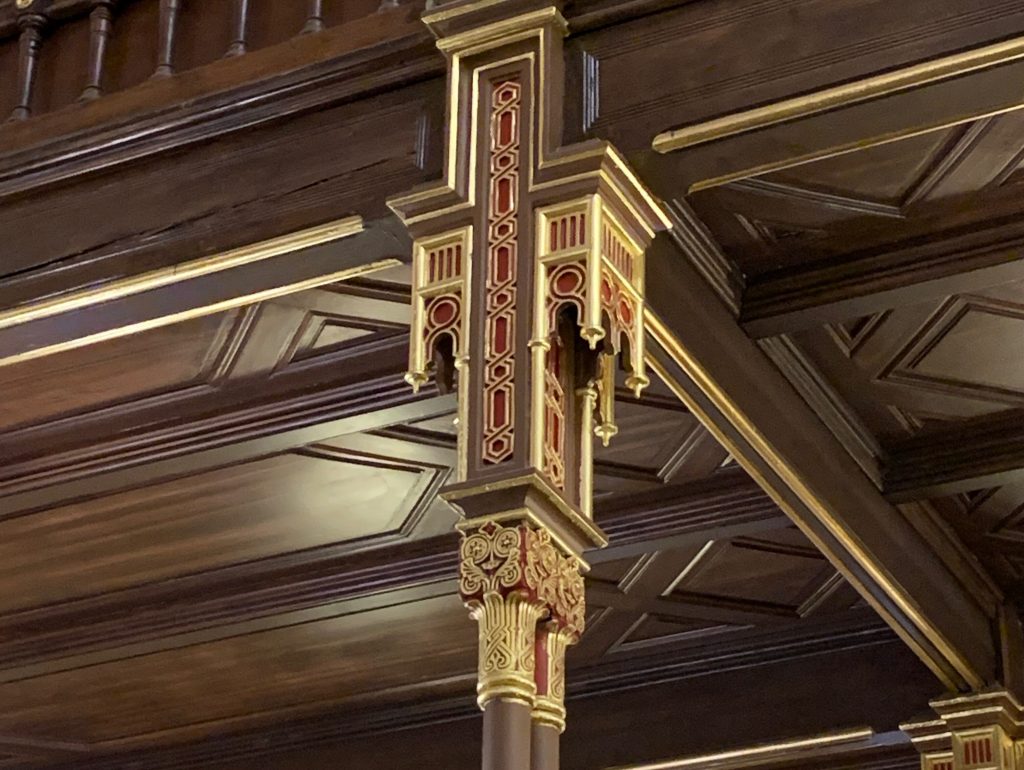
    Chandeliers and galleries inside the Dohány Street Synagogue, Budapest
    Carved detail of the wooden gallery inside the Dohány Street Synagogue

     You will learn that when built in 1859 the Synagogue created scandal among the most orthodox of the jewish community because of its sfarzo, the innumerevoli windows and the introduction for the first time of music (through an organ). The rose windows, especially the central one, recall some leements of Christian churches; furthermore, an organ in a synagogue had never been heard of (mind, the organ is technically not ‘inisde’ the synagogue and is played by a non jewish so that no jewish is working o a Saturday even by playing an organ). These “innovations” and the nicknsme “the jewish cathedral”, led to the orthodox jewish bulding their own more somber synagogue just some meters away (Rumbach Synagogue) and to a scism inside the jewish community: non-ortodox jewish started cutting their hair, the beard, in 1853 the hemancipation lwas were promulgated so that jews could marry non-jews.

    All around the synagogue you may notice the six pointed stars f the Azkenazy jews, along with the less known 8 pointed star of the Sephardites jews from spain: this second symbol, the Solomon star, is an universal symbol of happiness.

    Your guide will take you outside of the synagogue, through the cemetery and into the back garden. Your attention will be immediately captured by a metallic sculpture of a tree, but turn left first and adimere the temple of heroes: this a a classically built synagogue, rectancular, with no decorarions and a cupola on top, dedicated to all the jews that lost their life in the 15-18 war. Both the main synagogue and the Temple are pointing towards Jerusalem.

    Stone wall of a modern building in Budapest's Jewish quarter

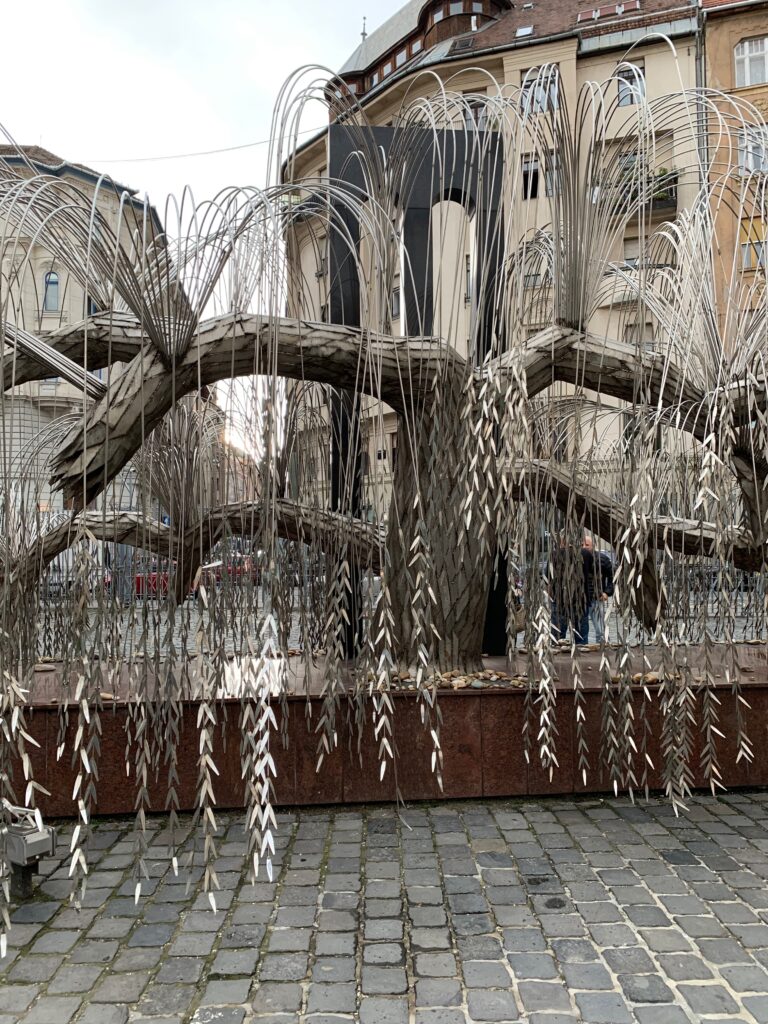
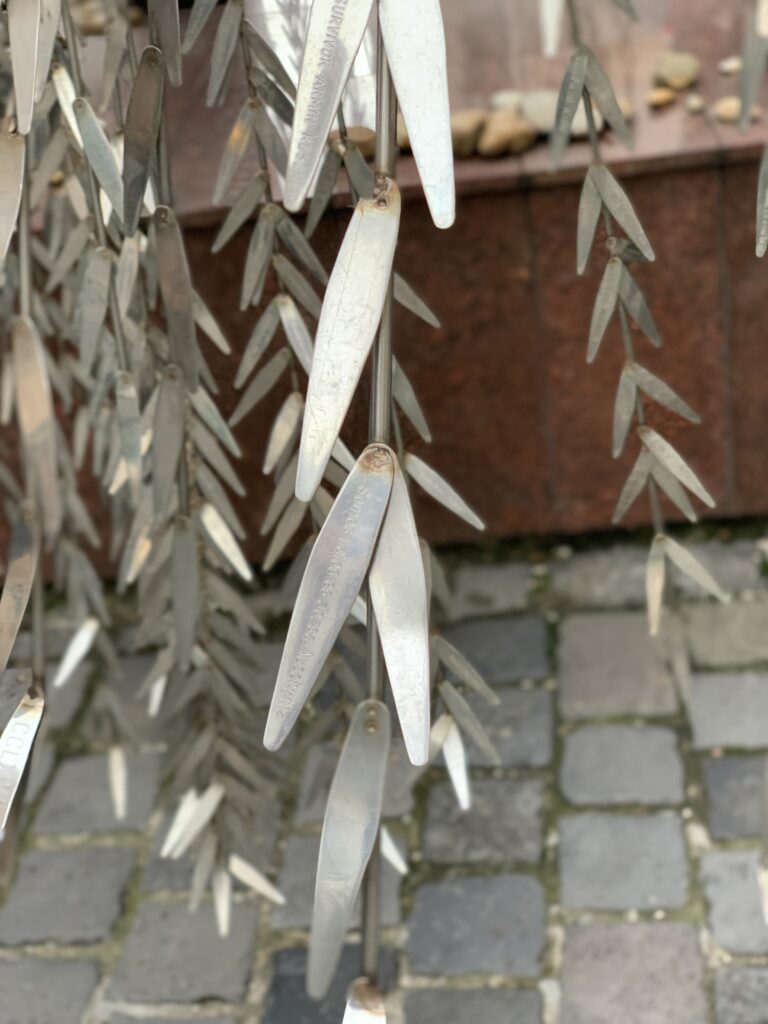
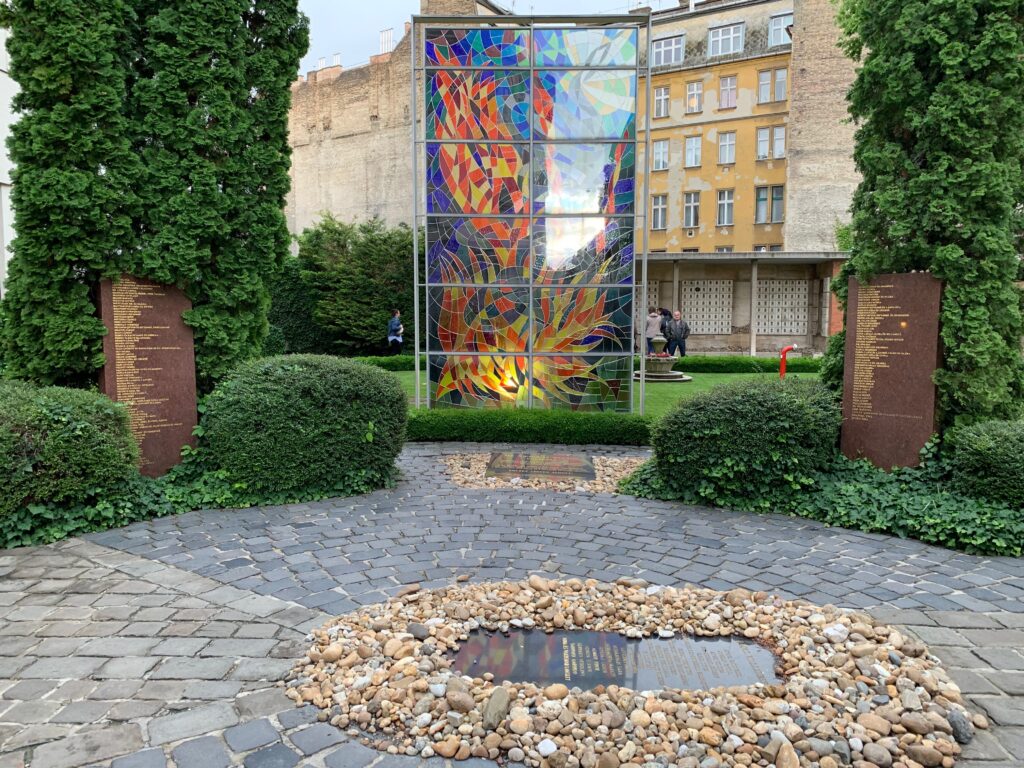
    Very surprisingly the II WW did not affect massively the Hungarian jews during the first years. On the contrary, Humgary was a refuge for all the Jews of the neighbouring nation, running away from the Nazi’s deportation. Onli in 1944 this safety collapsed and in 1 year 650.000 hungarin jews were deported. To these martirs it’s dedicated the tree of life,  a metallic sculpture of an olive tree were every leaf has engraved the name of a deported Hungarian Jew. The tree is shaped like an upside down menorah (the 6 armed jewish candelabra) and behibd it there are Moses tables of the law: the protation of the menorah and the absence of words on the tables signifies the absence of any law during the genocide and the upside down world they were living in. No flowers decorate the base of the tree, but pebbles and stones; during their 40 years in the desert, Jews had no flowers for the tombs of the dead anc could only cover them with stones.

    The Tree of Life weeping willow memorial behind the Dohány Street Synagogue
    Names engraved on the metal leaves of the Tree of Life memorial, Budapest

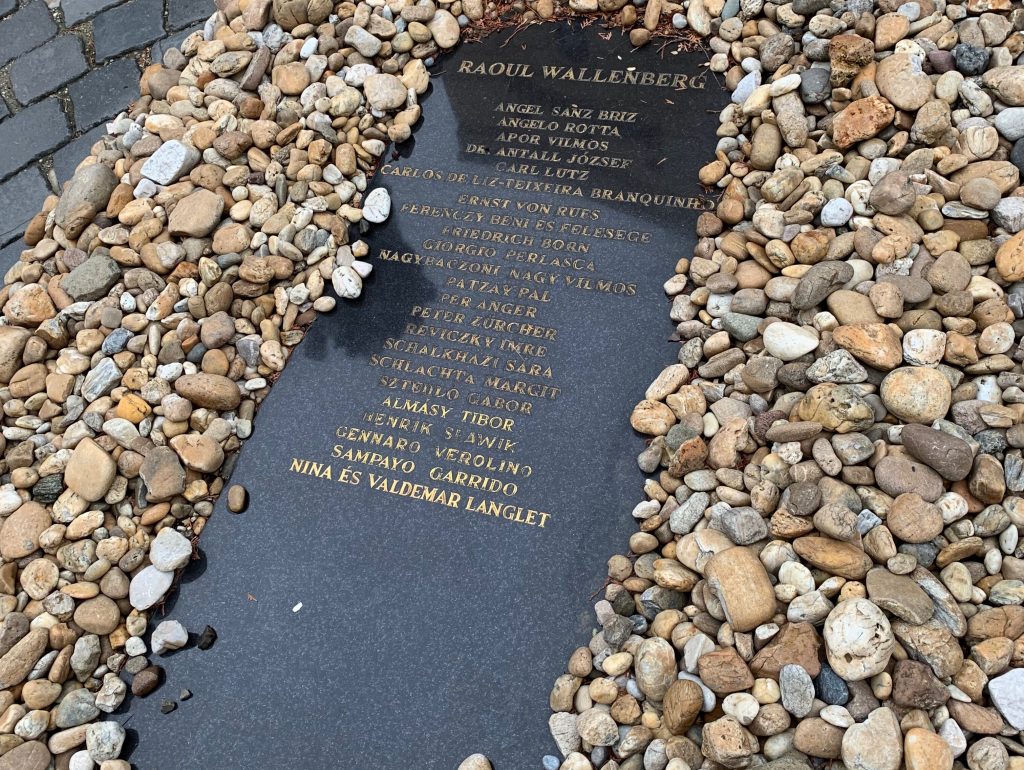
    But during the dark times of 1944, several people saved hundreds of lifes, by hiding and protecting the persecuted jews: their name are engraved in the steli of the Garden of the giusti, right behind your back. On the ground, what looks like a tomb is instead dedicated to the “Schindlers” of Budapest, the impresario that protected the persecuted jews. I was very proud to see the name of the Italian patriot Giorgio Perlasca who saved so many innocent lives.

    Memorial garden with the Tree of Life sculpture, Budapest
    Memorial stone among pebbles in the Holocaust memorial garden, Budapest

    And finally the glass sculpture signifies the eveliness of the Nazis purified by fire.

    The visit will end with your exit through a small gate at the back of the synagogue. Continue forward and take a left, walking towards the opera house.

    From the opera house, premiatevi by walking to Caviar and Bull for a nice fancy dinner.

    Day 2 - Castle District

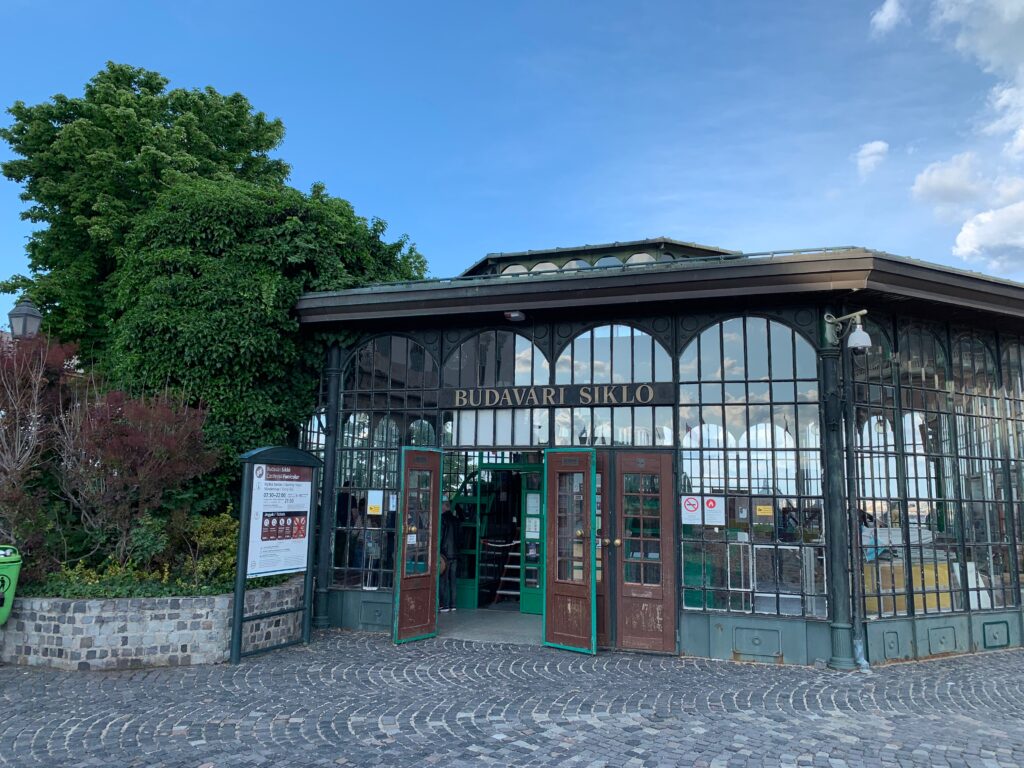
    Castle Hill (Varhegy), also called the Castle Quarter, is a 1km-long limestone plateau towering above the Danube. The walled area consists of two distinct parts: the Old Town to the north, where commoners lived in the Middle Ages; and the Royal Palace, the original site of the castle built in the 13th century, to the south. There are many ways to reach Caste Hill, but the most fun is to board the Siklo, a funicular railway built in 1870 that ascends from Clark Adam ter at the western end of Chain Bridge to Szent Gyorgy ter near the Royal Palace.

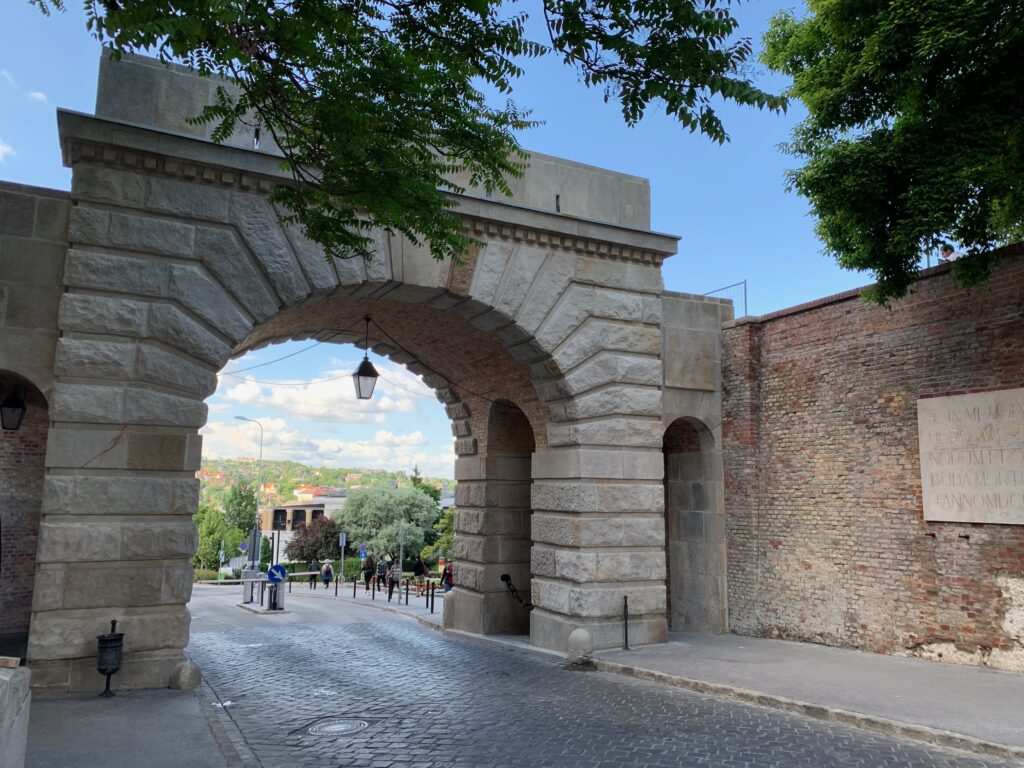
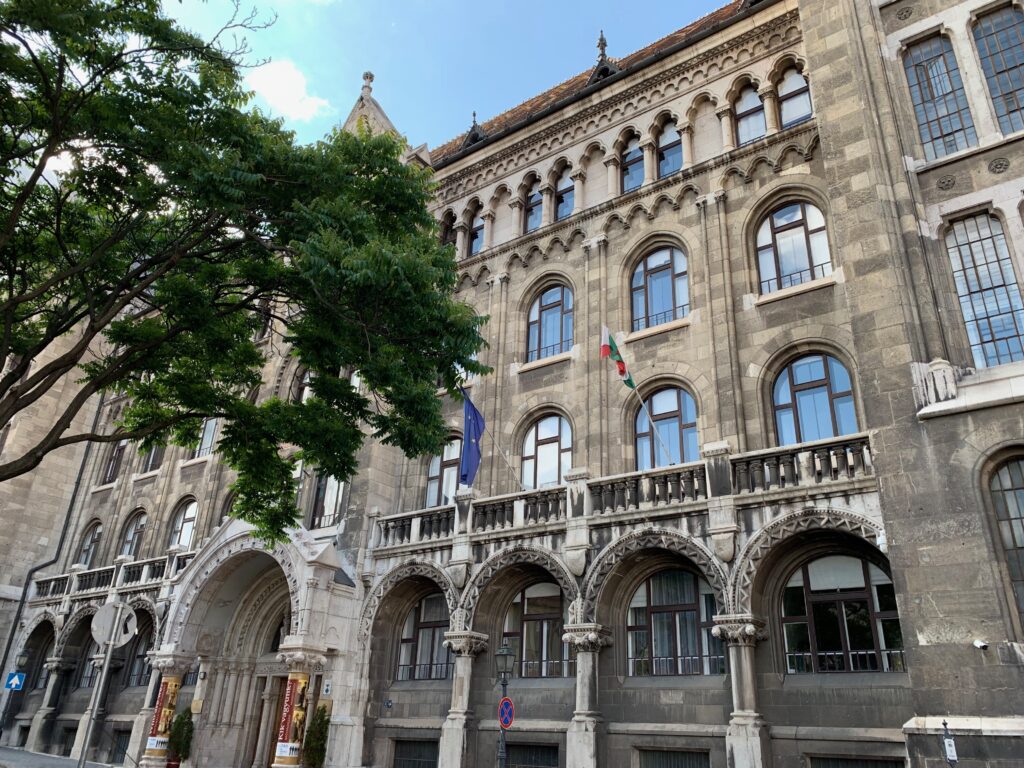
    Walk up Varfok utca from Szell Kalman ter to Vienna Gate, the medieval entrance to the old town. The large building to the west with the superbly colored majolica-tiled roof containes the National Archives (Orszagos Leveitar; 1920). To the west of Becsi kapu ter (Vienna Gate square) – a weekend market in the middle ages – is an attractive group of burgher houses.

    The Vienna Gate in the Buda Castle District, Budapest
    Vienna Gate
    Historic building facade in the Castle District of Budapest
    National Archives
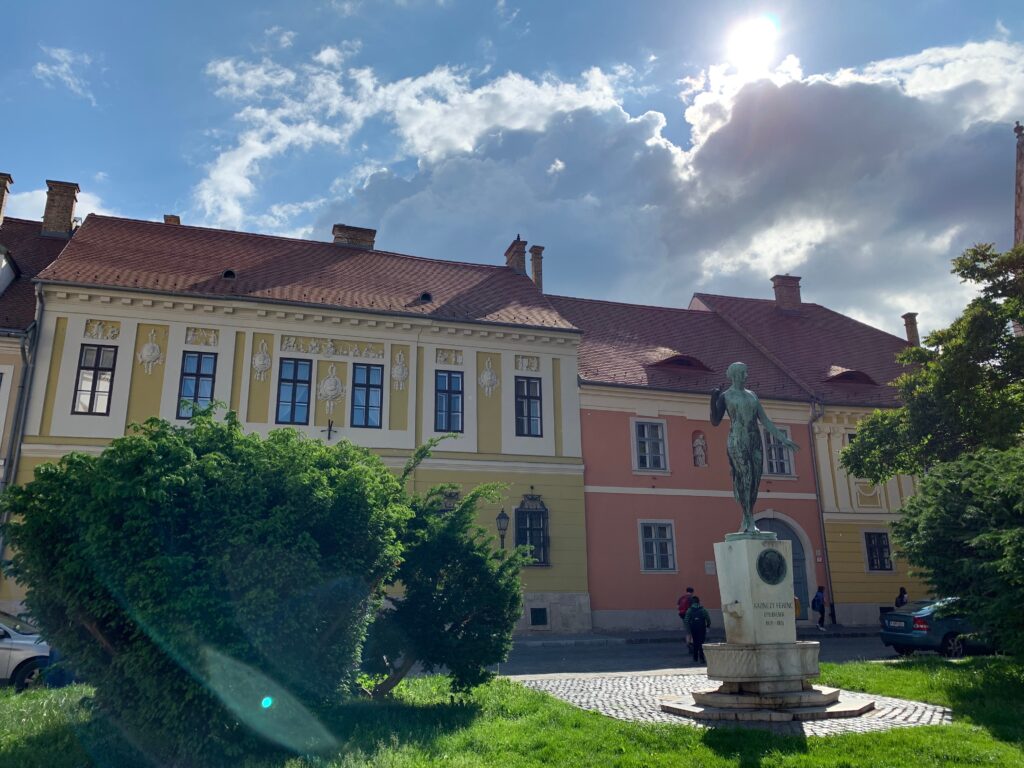
    Coloured houses and a statue in the Buda Castle District
    Burgher houses

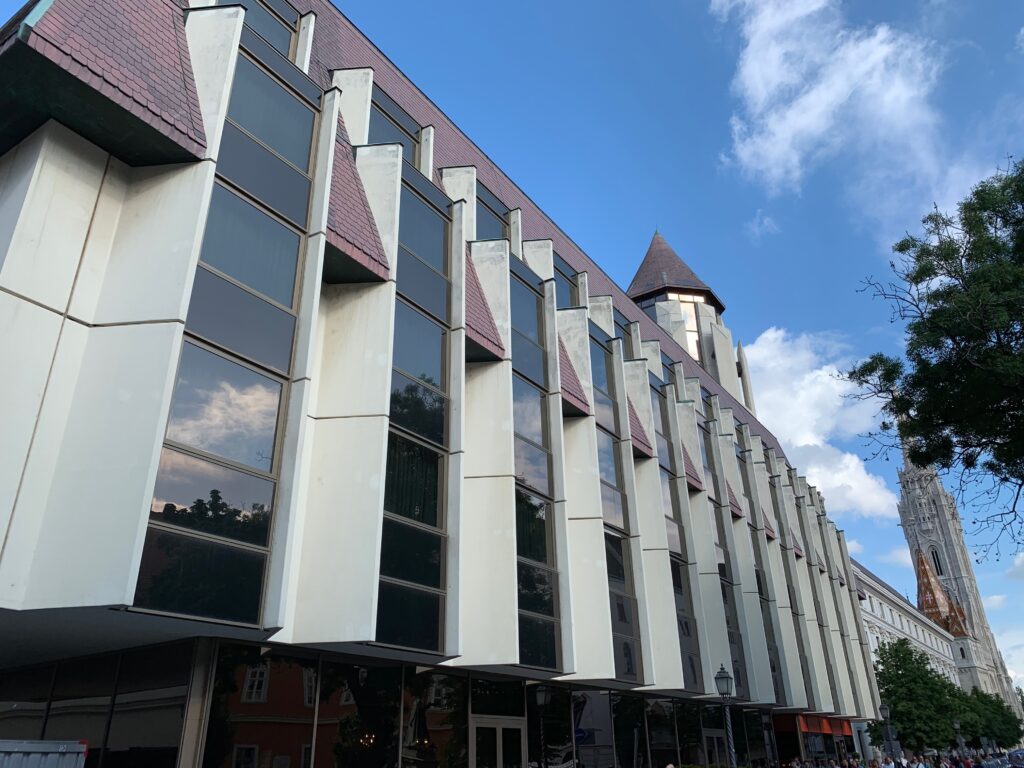
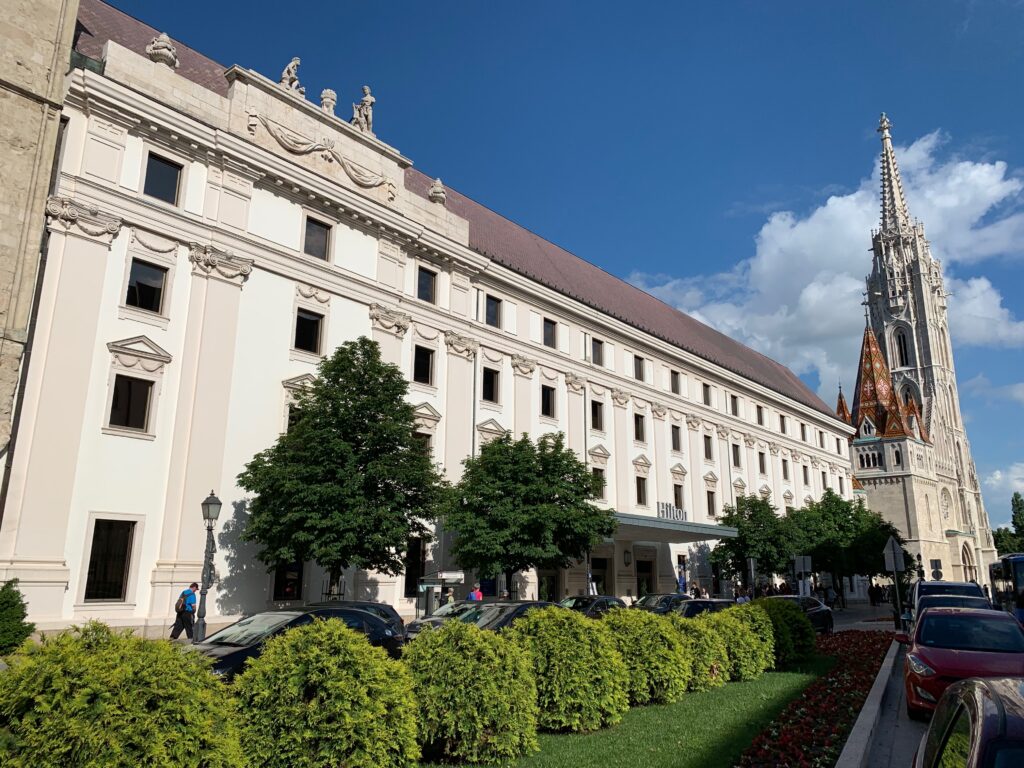
    Narrow Tancsics Mihaly is full of little houses painted in lively hues and adorned with statues. In many courtyard entrances you’ll see sedilla (13th century stone niches perhaps used as merchants stalls). Further along the road to the south-east at Tancsics Mihaly utca 9 is the former prison where the leader of the 1848-49 war of independence was held. The architecturally controversial Hilton Budapest incorporating parts of a medieval Domenican church and a baroque Jesuit college, is further south. 


    Angular modern facade in the Castle District, Budapest
    Neoclassical building with the spire of Matthias Church behind, Budapest

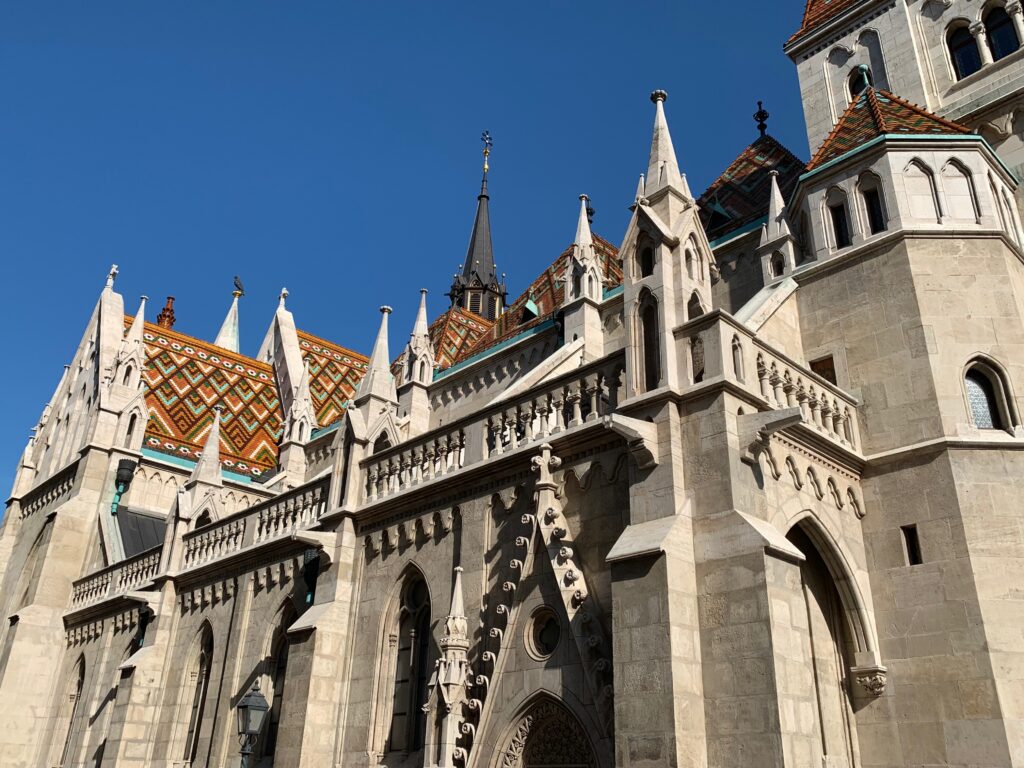
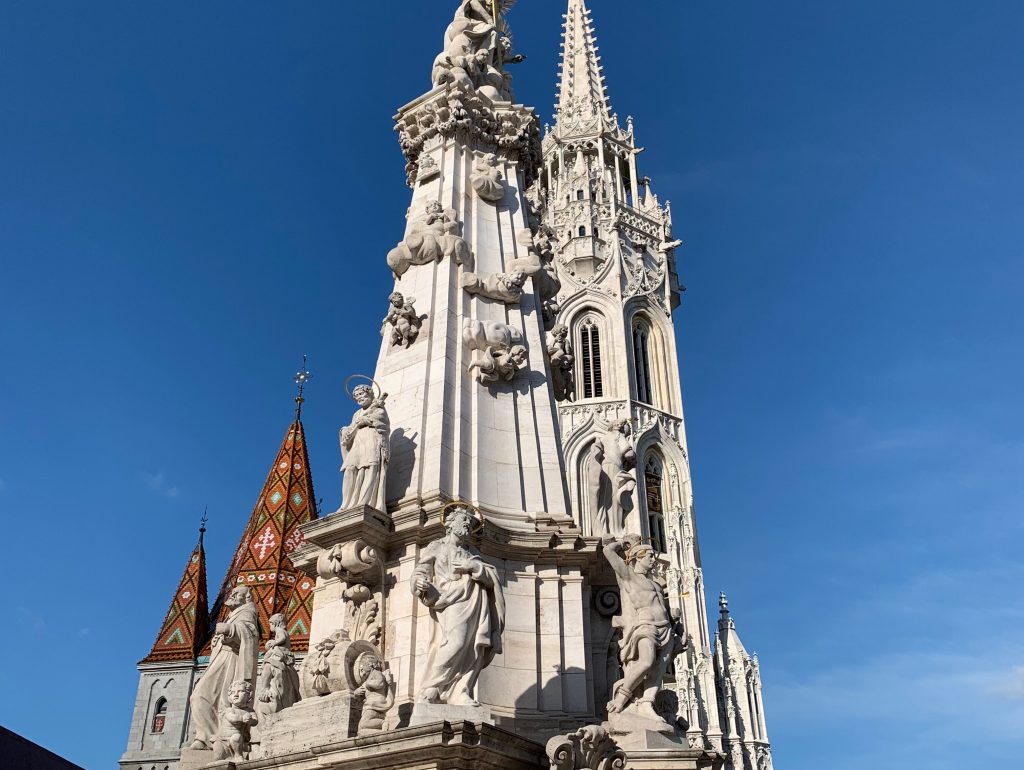
    Just past the Hilton you will have on your left Matthias Church, a neo-Gothic creation designed in 1896 and so named because King Matthias Corvinus married Beatrice here in 1474. The church has a delicate spire and a colorful Zsolnay-tiled roof. Organ concerts take place here on ceratain evenings (usually Friday and Saturday at 8 pm), continuing a tradition from 1867 when Franz Liszt’s Hungarian Coronation Mass was first played here for the coronation of Franz Joseph and Elizabeth.

    Matthias Church and its patterned tiled roof, Budapest
    Gothic spire of the Matthias Church, Budapest
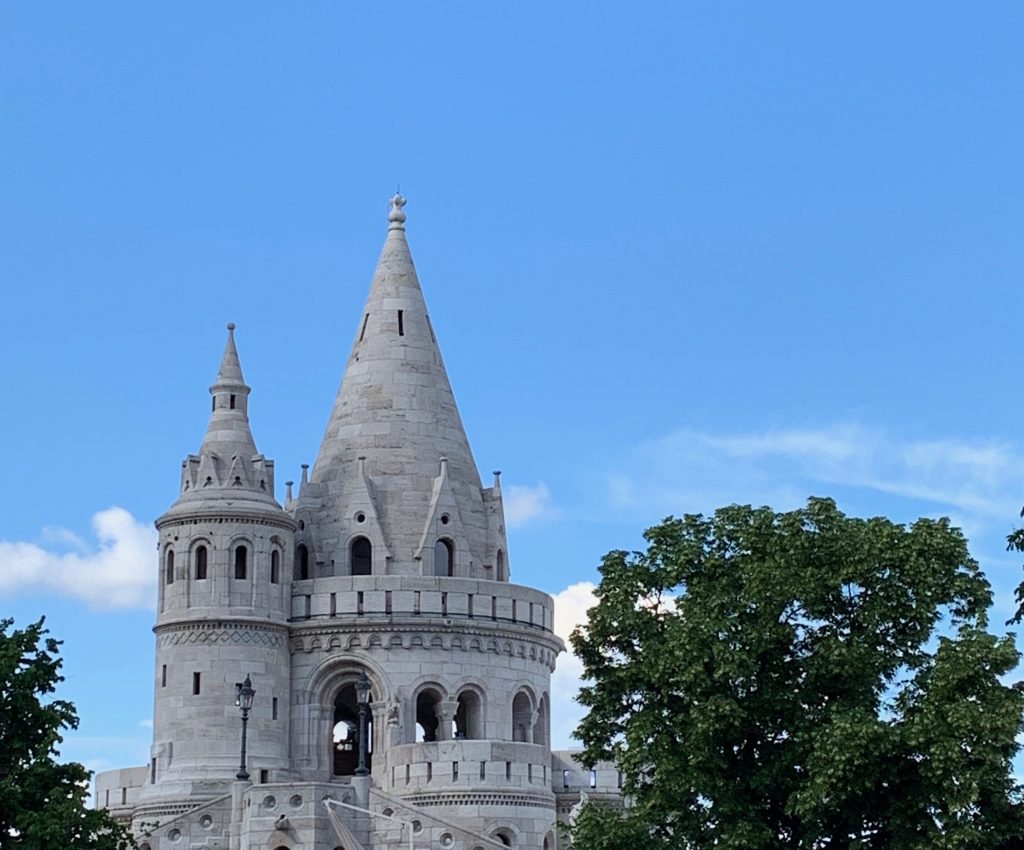
    Turret of the Fisherman's Bastion in Budapest

    The same architect that built the church, in 1905 designed a viewing platform right behind it that took the name of Fishermen’s Bastion. The bastion is a neo-Gothic masquerade that looks medieval and offers among the best views in Budapest.

    The bastion’s name was taken from the medieval guild of fishermen responsible of defending this stretch of the castle walls.

    The panorama terrace was built with the idea to recall the old times, thus the bastion looks rather like a fairy tale castle. From here you have the best unobstructed views of the entire Budapest downtown, Parliament Building and Danube River. 

    The café serves beer, sandwiches, and cakes in a very casual atmosphere. The Bastion can be visited during the day time for a small entrance fee, but if you come at night you can easily bypass the small metal gate and see the towers and terraces. 

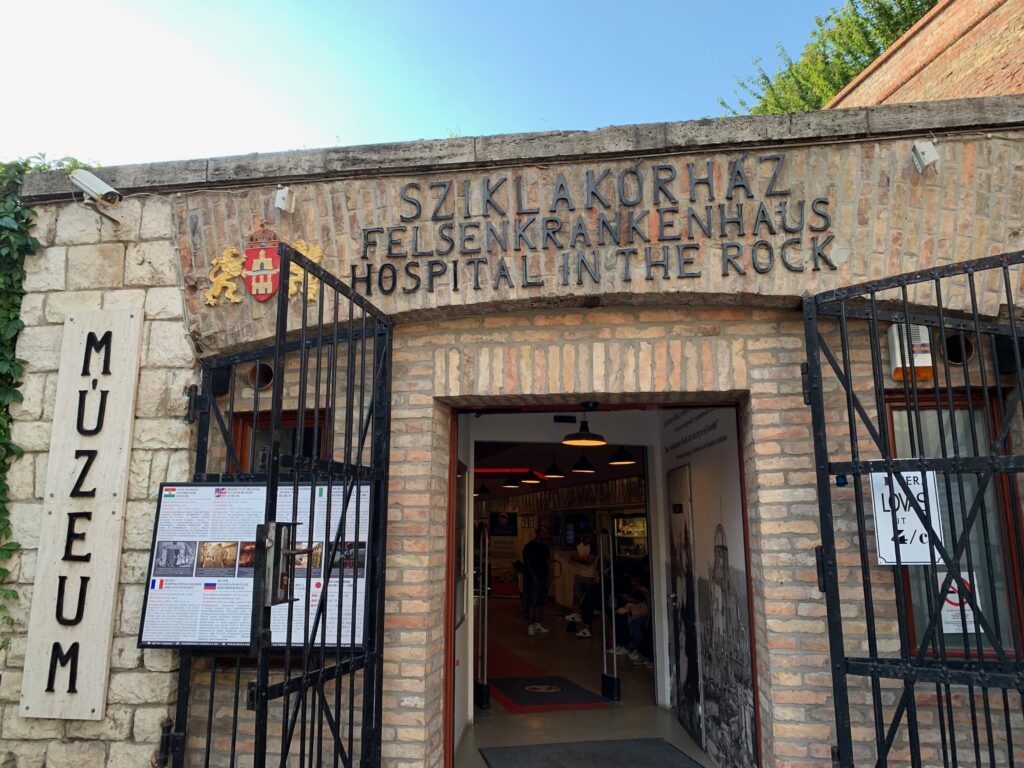
    Below Castle Hill is a 2km-long network of caves formed by thermal springs. The caves were used formilitary purposes during the Turkish occupation, as air-raid shelters during WWII, and as a secret military installation during the Cold War. Two sections ca be visited. The Buda Castle Labyrinth is a 1200m-long system 16 m under the Castle District that explores how the caves have been used since prehistoric times in five separate labyrinths encompassing 10 halls and galleries. It’s good fun and a relief from the heat of a hot day, but it can get scary if you lose your way or when you have to tour it with lanterns after 6pm. Far more instructive is the excellent Hospital in the Rock; to reach it, walk to the western walls of Castle Hill and get the stairs or the elevator one level down. Step outside at the feet of the walls and turn right. The Hospital in the Rock gives guided tours every hour. 

    Entrance to the Hospital in the Rock museum, Budapest

    It was used extensively during WWII and again during the 1956 Uprising against the USSR. The visit starts with a 9 minutes video explaining the geological nature of the caves and how the major of Budapest constructed tunnels to join the caves before the War. An english-speaking guide will then walk you through tunnels that have nothing in common with those of the Labyrinth: they are corridors of a underground hospital that was perfectly functioning during WWII. It contains original medical equipment from the ’40s and 200 wax figures. The triage room, the ER, an operating room with 2 operating tables, the first anesthesia machine (featured in the movie Evita alongside Madonna…), and the wards make you go back in a time when this hospital was state-of-the-art and when the real war heroes were the doctors. In October 1944 a bombing destroyed the water supply and for 3 weeks infections spread among the wounded. A second part of the tunnel system will take you to the 1956 ward, showing the difference in the beds and equipment. The last 15 minutes of the tour will walk you through the newest section, built as a nuclear bunker during the Cold War. Gas masks, decontamination showers, everything was ready to face a new little boy/fat man that fortunately never happened. It is more meant to raise the awarness about what some of the nuclear bombs that are currently known could do to our cities.

    Take the elevator back to the walls and a final stroll towards the Royal Palace.

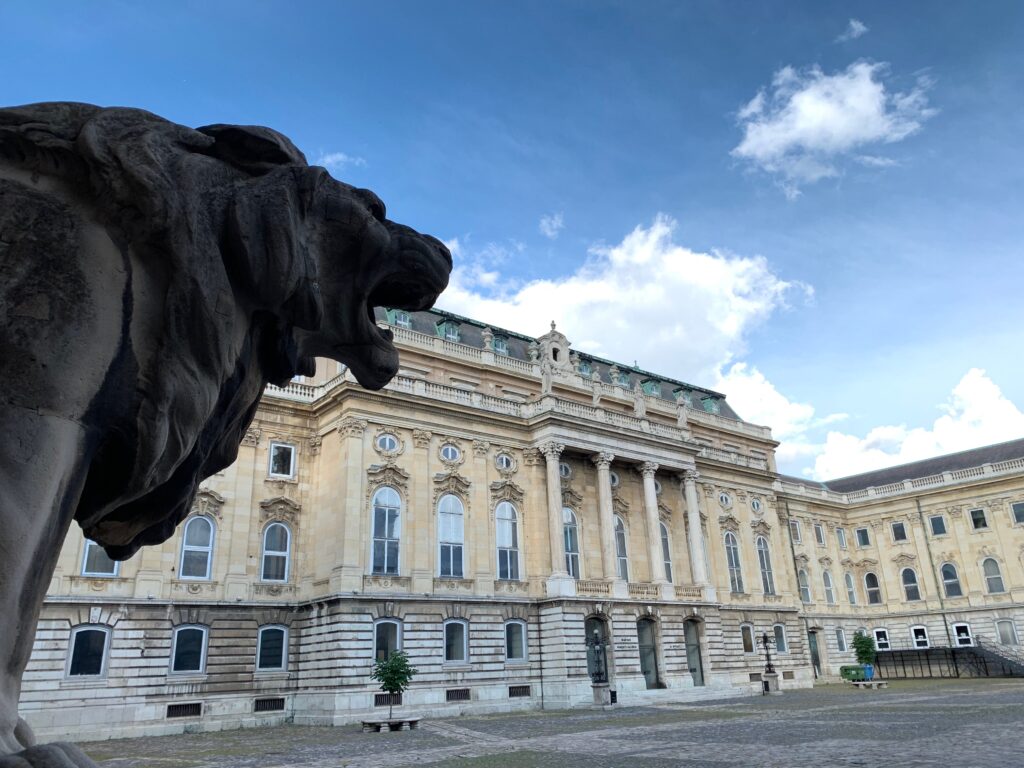
    Lion statue in front of Buda Castle, Budapest
    Glass pavilion among trees in the Castle District, Budapest

    The enormous Royal Palace has been razed and rebuilt at least six times over the past seven centuries. Bela IV established a residence here in the mid-13th century and subsequent kings added to it. The Palace was leveled int he battle to rout the Turks in 1686; the Hasburgs rebuilt it but spent very little time there. Today the palace contains two important museums, the National Library and an abundance of statues. There are two entrances. The first is via the Hasburgs Steps and through an ornamental getaway dating from 1903. The other way is via Corvinus Gate, with its big black raven symbolizing king Matthias Corvinus.

    Day 3 - Margaret Island and Erzsebetvaros

    Margaret Island (pronounced Margit) is neither Buda nor Pest. This 2.5km-long island has always been the domain of one religious order or another until the Turks arrived and turned what was then called the Islands of Rabbits into a harem, from which all “infidels” were barred. It’s been a public park open to everyone since the mid-19th century.

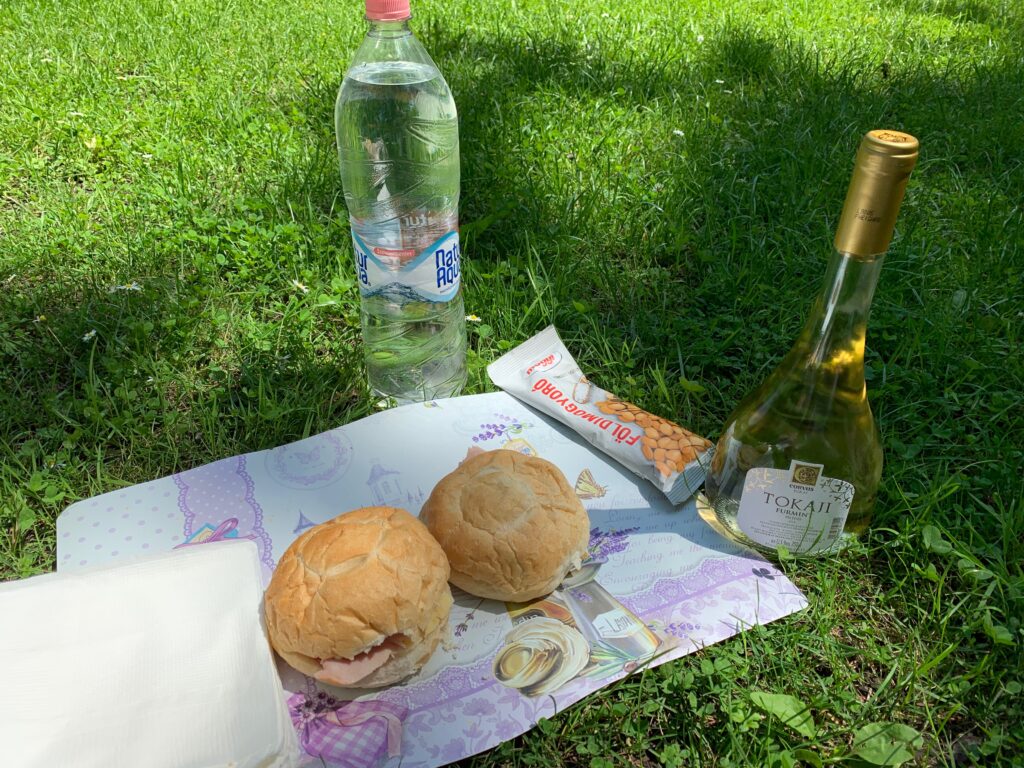
    Since there are not a lot of options for eating on the Island unless you go for a hotel fare, start your day at a Spar supermarket, where you can get loaves of bread, cured meat and sliced cheese, and a cheap bottle of good Tokaj. Once your lunch is packed, walk Margaret Bridge, the yellow bridge that introduces the Ring Rd to Buda. It’s unique in that it doglegs in order to stand at right angles to the Danube where it converges at the southern tip of Margaret Island.

    Right at the souther tip of the island you will be able to rent a pedal coach, which is the best way to enjoy exploring the island in a hot late spring day.

    Tree-lined avenue on Margaret Island, Budapest
    The souther tip of Margaret Island, right after the Bridge
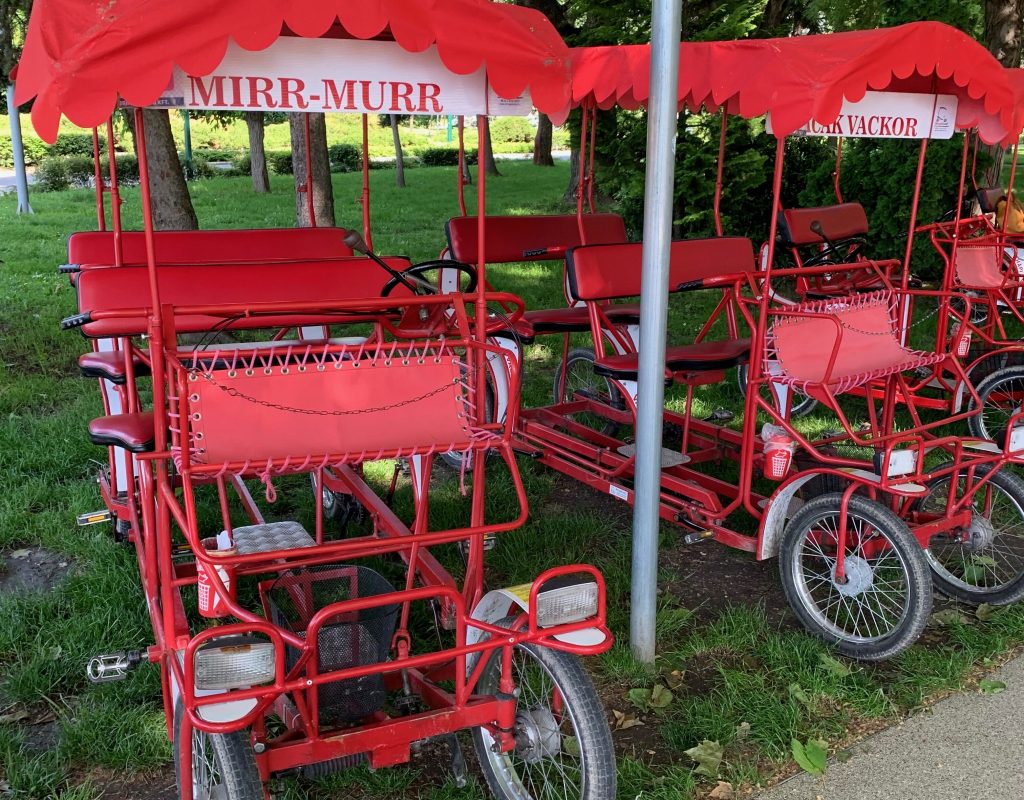
    Red pedal quadricycles for hire on Margaret Island, Budapest
    Pedal coach to rent

    Start pedaling towards the trail on your right hand side. This will take you close to the running and cycling track, and a short stop there will allow you to admire the view on Pest from the middle of the Danube.

    If you continue straight, you will bump into the Mini-Zoo, quite a nice facility with no entry fees where kids (and bigger kids like us) can learn more about endangered birds such as storks (regularly fed), peacocks and eagles. For a small fee you can buy food for the horses and the deers and feed them. 

    The Island is not overly endowed with important sights and landmarks, boasting a couple of large swimming complexes, a thermal spa, gardens and shadowed walkaways. But keep going towards the center of the island and you will find two historical sites.

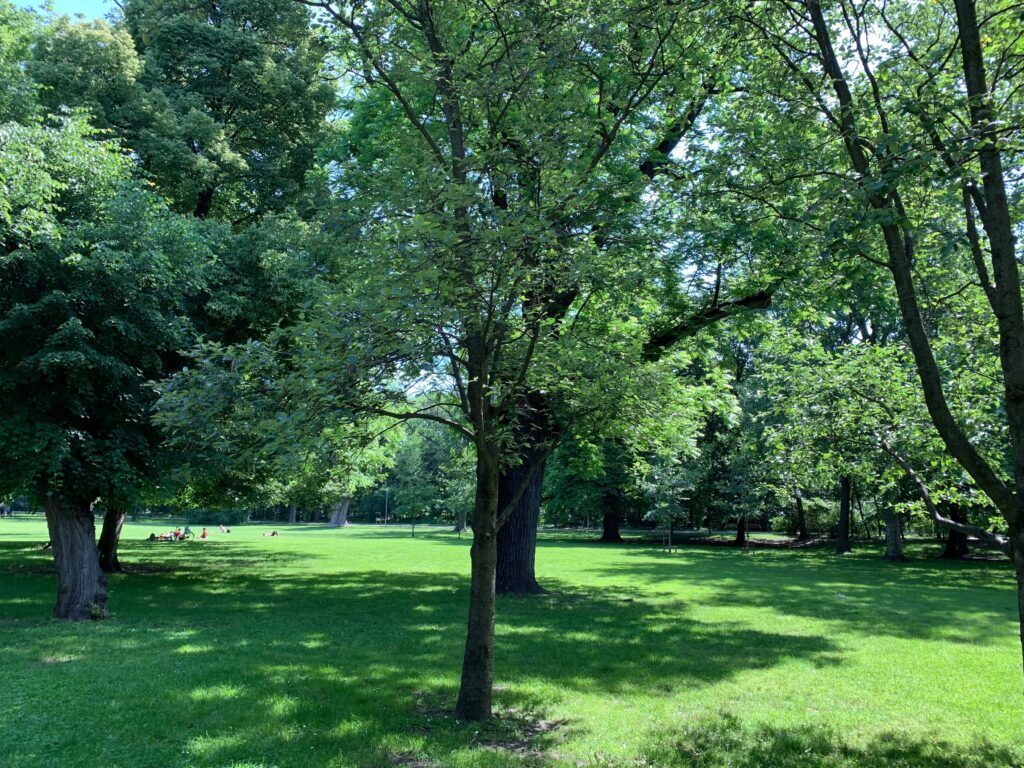
    Lawns and trees on Margaret Island, Budapest

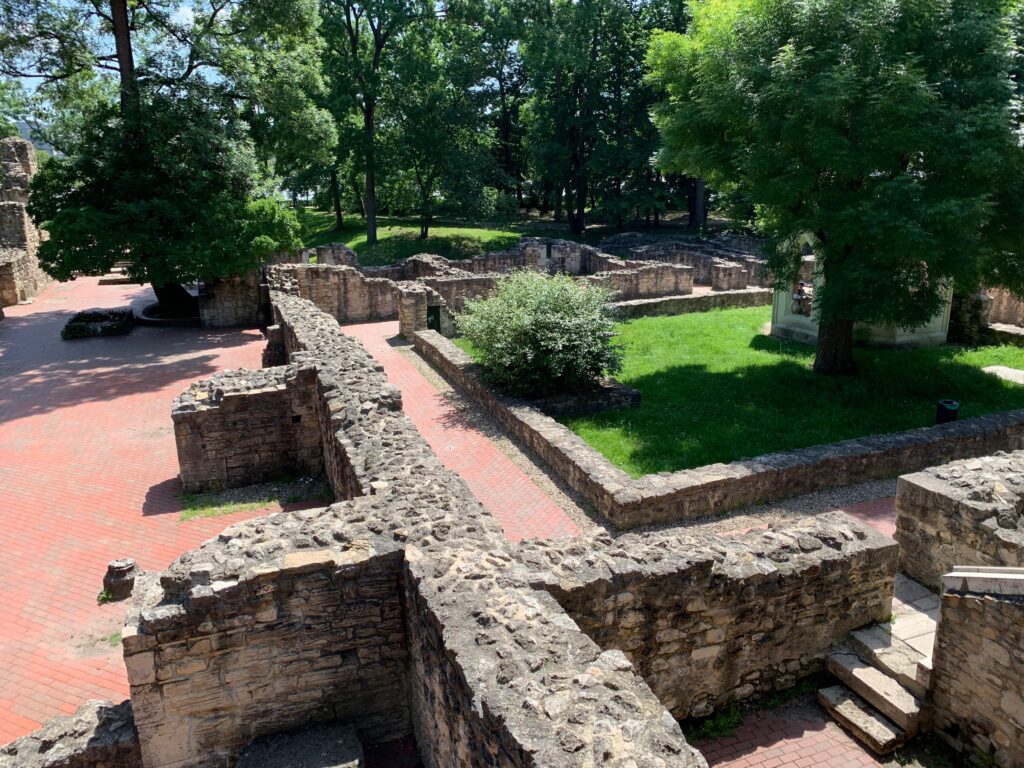
    A ruin is all that remains of the 13th-century convent built by Bela IV, where is daughter, St Margaret, lived. According to the story, the king promised to commit his daughter to a life of devotion in a nunnery if the Mongols were driven from the land. They were and she was – at nine years of age.

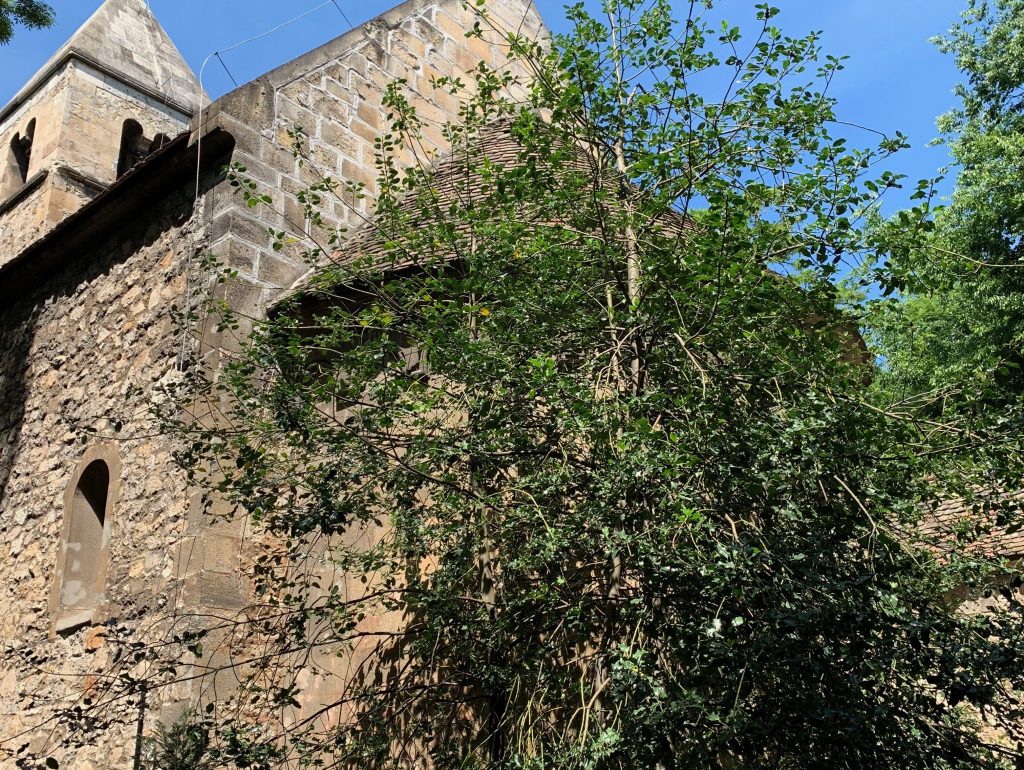
    Further on you will find the ruins – no more than a tower and a wall dating to the late 13th century – of a Franciscan church. Much more preserved is Saint Michael Church, actually a replica of the original one built here in the 12th century, still in use and very popular for summer weddings.

    Ruins of the medieval Dominican convent on Margaret Island, Budapest
    Ruined stone tower on Margaret Island, Budapest

    It is now time for a well deserved pic nic. Find yourself a suitable stop, sit on the grass, lay the table cloth, open the wine and bask into the beauty of this nature. 

    Picnic with bread and wine on the grass in Budapest

    It’s time to head back towards the bridge; the western part of the park has not a lot to offer in terms of sightseeing.

    Once you reached Saint Margaret Bridge back, turn left and walk (or get the Metro for 2 stops) until Andrassy ut. This majestic parade stretches for 2.5km, ending at Heroes’ Square and the sprawling City Park. On the UNESCO World’s Heritage list, it is a tree lined parade of knock-out architecture and is best enjoyed as a long stroll from the Opera House out to the park. On the way, don’t miss the House of Terror, on your left hand side.

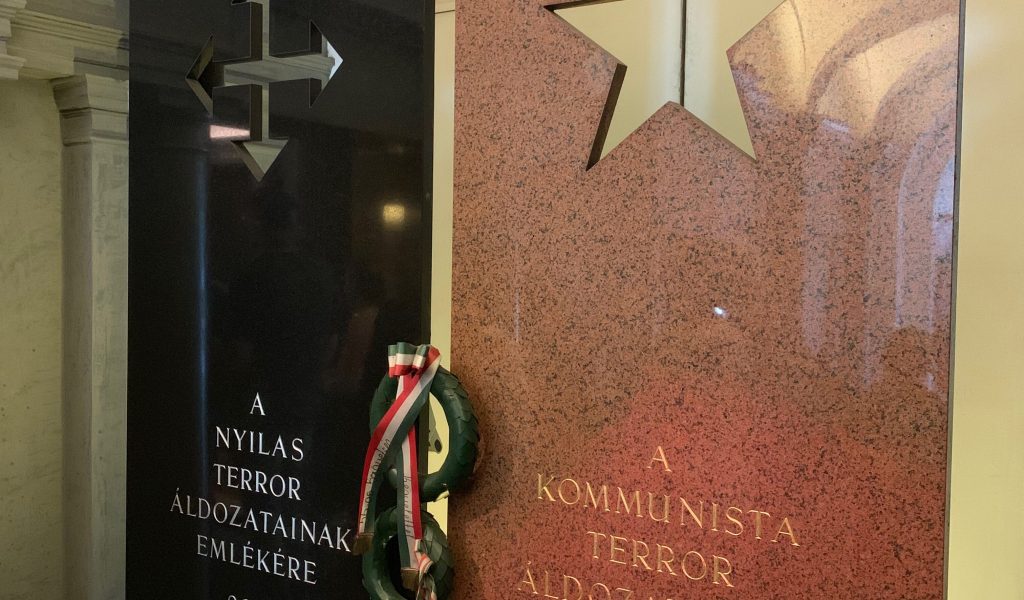
    Memorial plaques to the victims of the Arrow Cross and Communist terror, Budapest

    The startling museum called the House of Terror is housed in what was the headquarters of the dreaded AVH secret police. The building has a ghastly history, for it was here that many activists of every political persuasion that was out of fashion before and after WWII were taken for interrogation and torture. The walls are double thickness to mute the screams.

    The museum focuses on the crimes and atrocities committed by both Hungary’s fascist and Stalinist regimes in a permanent exhibition called Double Occupation and visitors are greeted at the entrance by black ‘arrow cross’ of the fascists and the red Communist star.


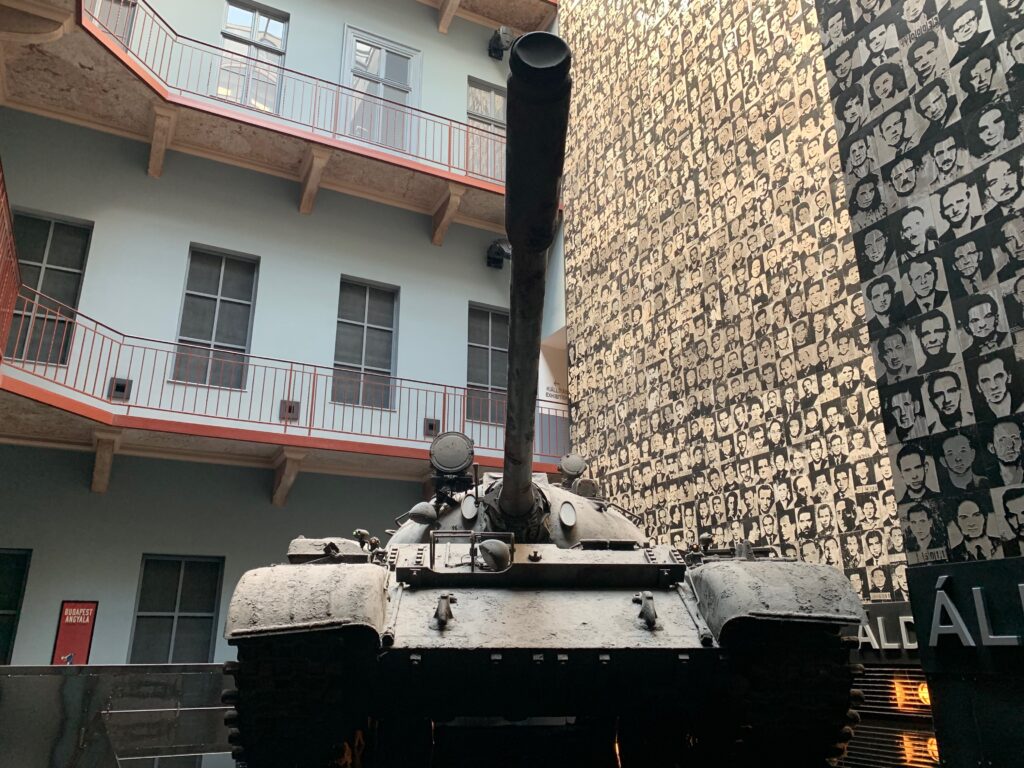
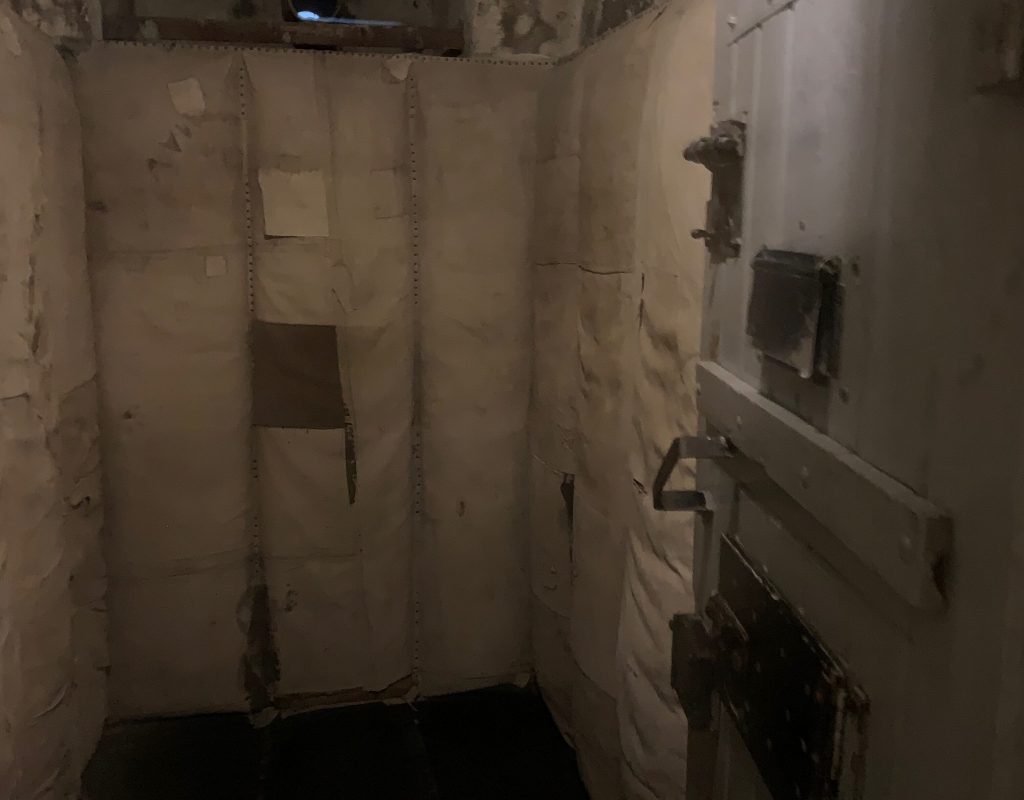
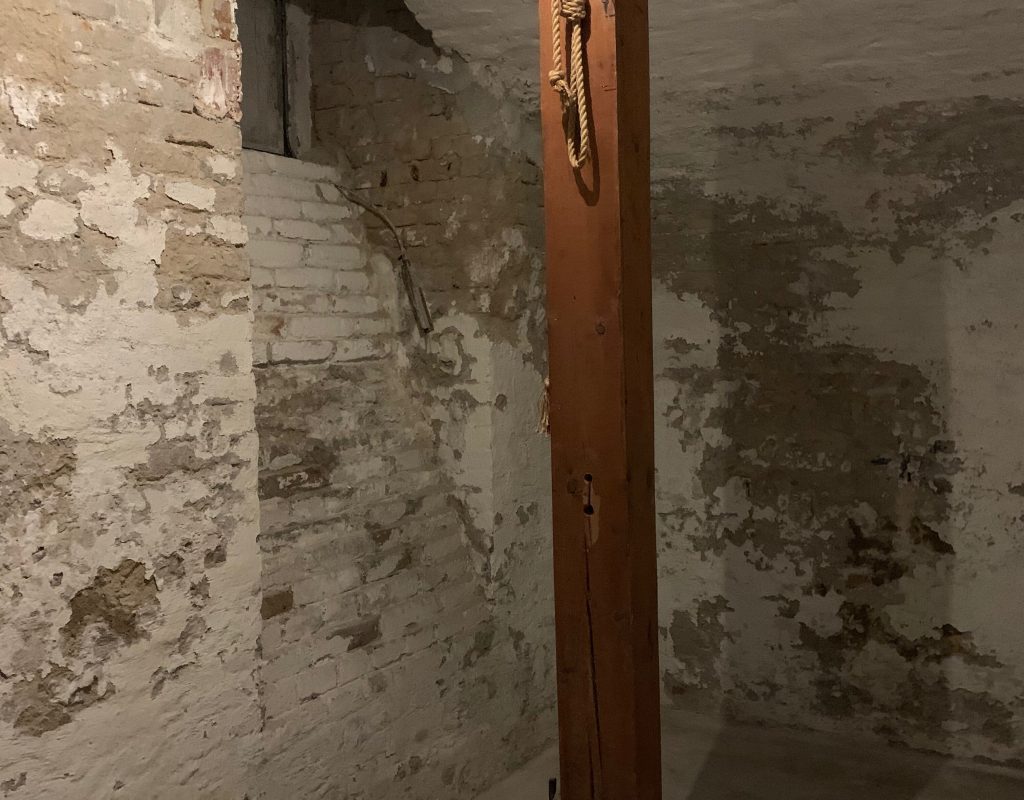
    But the years after WWII leading up to the 1956 Uprising get the lion’s share of the exhibition space. The tank in the central courtyard is a jarring introduction and the wall outside displaying many of the victims’ photos speaks volumes. Even more harrowing are the reconstructed prison cells (collectively called “the gym”) and the final Perpetrator’s Gallery, featuring photos of the turncoats, spies, torturers and cogs in the wheel from both sides, many of them still alive, who allowed these atrocities to take place.

    Soviet tank in the courtyard of the House of Terror museum, Budapest
    Bare cell in the basement of the House of Terror, Budapest
    Prison cell walls in the basement of the House of Terror, Budapest

    The House of Terror is worth visiting more for the atmosphere than for the actual exhibition. There are barely any English captions, a lot of videos and documentaries from the time but all in Hungarian. However, every room is set to convey the anxiety and the sense of imprisonment that was at the order of the day at the time: high-tempo music that makes you feel followed, low lights, a labyrinth built with fake plastic explosive where the walls are cloning on you.

    Out of the Museum, grab a coffee in one of the various organic coffee houses that are lining the street, then continue your walk to Heroes’ Square and rest a bit in the park right behind it, watching the boat sail on the lake. The metro station at the center of the house is very convenient, and in just one stop you can be at Rosenstein Vendeglo for a typical dinner.

  • Africa,  Kigali,  Places

    Kigali

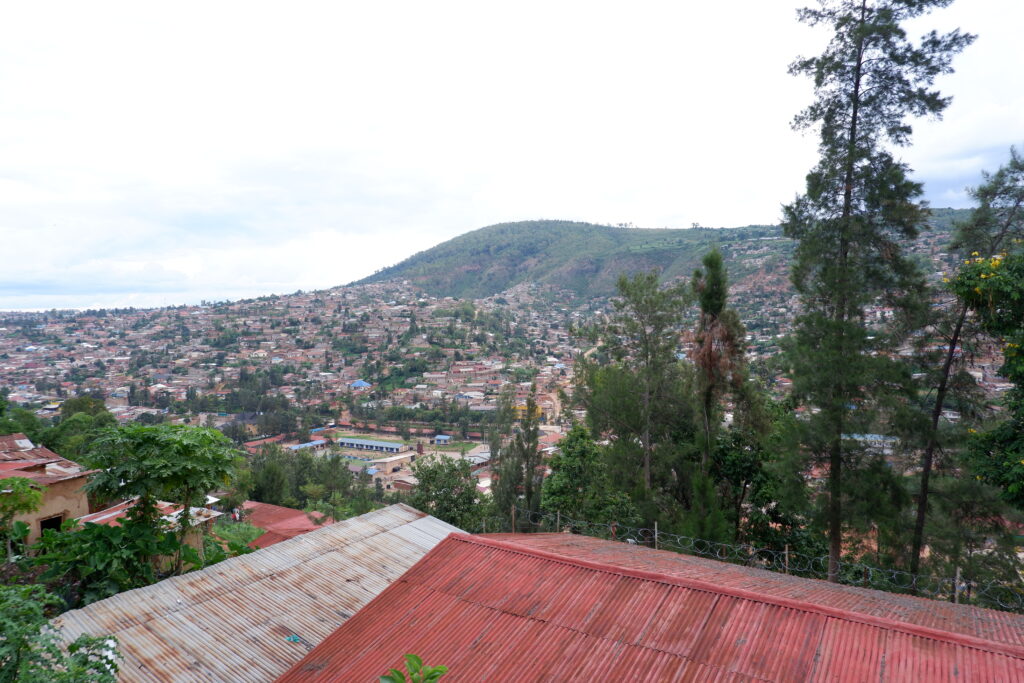
    View over the hills and red rooftops of Kigali, Rwanda

    Established as the capital after Rwanda gained independence from Belgium in 1962, Kigali is located roughly at the country’s geographical center. It’s a natural gateway for visitors and an excellent base for exploring Rwanda’s best attractions.

    Kigali is a very different city to some other urban center of the rest of East Africa. If you have time, plan to spend at least a few days in the city itself rather than simply passing through. In the quarter-century since Kigali was devastated by the Rwandan Genocide, it has been reborn as one of the cleanest and safest capitals in Africa. It is very clean, in part as a result of a complete ban on plastic, it is hilly, very well organized, with perfectly maintained infrastructure and streets lined with gorgeous trees. It is also a very safe city. Unlike other African cities, there is also a fair amount of things to do in Kigali so you should not skip it on your way to Akagera National Park.


    Skyscrapers and start-up companies provide a surprising contrast to the lush scenery of the surrounding hills while contemporary art galleries, coffeehouses, and restaurants add to Kigali’s cosmopolitan atmosphere.

    Kigali Genocide Memorial

    No trip to Kigali or Rwanda is complete without spending some quality time at the Kigali Genocide Memorial. This is the best place to learn about the worst human tragedy to affect the country and one of the most awful historical times for Africa. If you only have a few hours, the best thing to do in Kigali is visiting the Genocide Memorial.

    The Genocide Memorial is the right place to start your Rwanda travel because it will also set straight a lot of the traditions, customs and way of life in modern day Rwanda. It also provides an explanation and foundation for everything that you will see and notice as you travel across the country. Talking about the Rwandan Genocide is really difficult. The history is tragic and the many ignored signs that warned the international community about it make one feel frustrated and helpless.


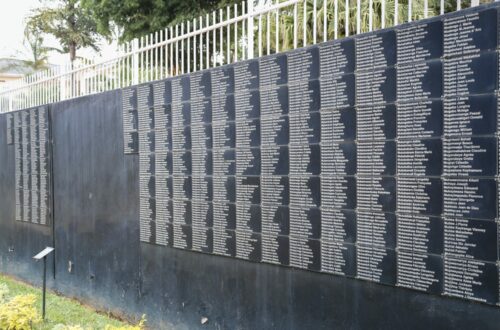
    In April 1994, members of the Hutu majority government of Rwanda initiated genocide against the Tutsi people after decades of conflict between the two ethnic groups. By mid-July of the same year, approximately one million people had been slaughtered, and 259,000 of them are buried in mass graves at the Kigali Genocide Memorial.

    You should spend at least 2h at the Kigali Genocide Memorial to make sure that you have enough time to listen to all the audio guide recordings, read the text at the exhibits and walk the outdoor areas.

    Entrance arch of the Kigali Genocide Memorial
    Wall of victims' names at the Kigali Genocide Memorial
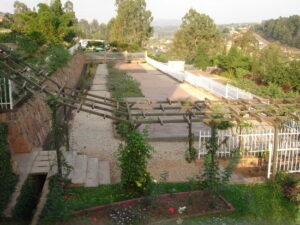
    Mass grave terraces and gardens at the Kigali Genocide Memorial

    The Memorial also hosts three permanent exhibitions, the largest of which is dedicated to commemorating the events and victims of the Rwandan Genocide.

    The visit starts at the reception where there is an introductory video featuring a few Rwandans whose lives were forever changed by the Genocide. You then proceed to the main building where several exhibits and an audio guide will follow a chronology of events across the museum from the time of Belgian colonialism to today’s reconstruction efforts.

    Inside the museum there are also some halls devoted to the victims of the genocide where over 100 photos of people are displayed. There is also a section about other genocides around the world and a last hall devoted to the children.


    After gaining an emotional insight into the horrors that shaped Rwanda’s recent history, take a moment to reflect on what you have learned in the Memorial’s tranquil gardens. Outside the main museum there are gardens and the actual memorial where the remains of thousands of Rwandans are buried. This is a real cemetery and so it is visited by the family and friends of the many victims who come to pay their respects. If you are visiting on a weekend, you will notice the many Rwandans visiting.

    The outdoor areas also include a rose garden and a burning flame memorial that reminds the viewer of all those who died. There is also a library with research documents, a cafe and a small souvenir shop.


    Nyamirambo Women's Center

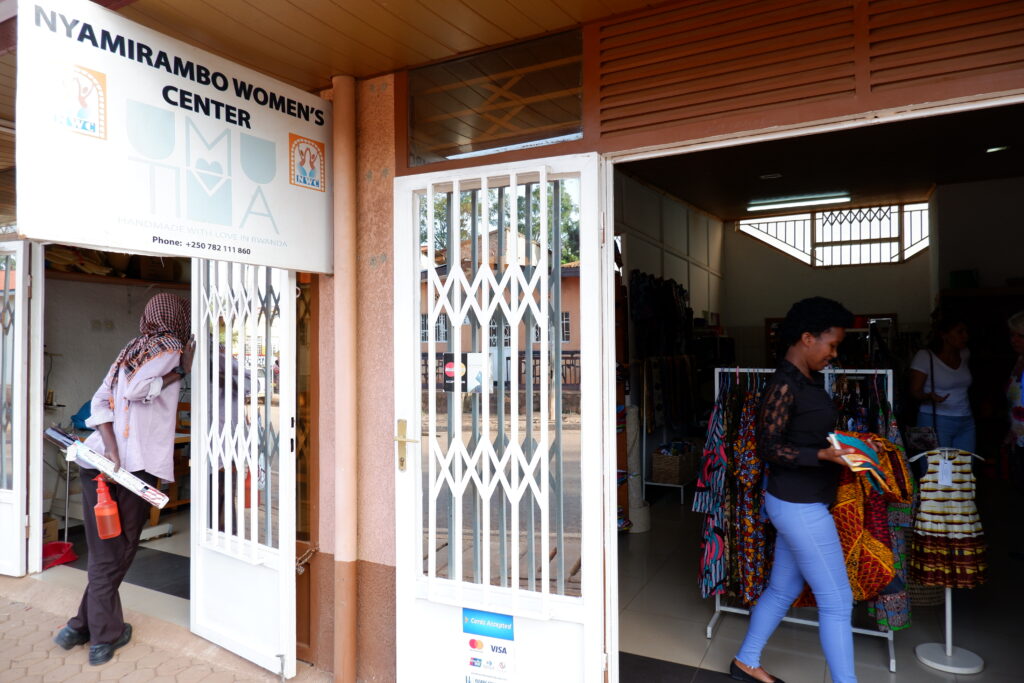
    Entrance to the Nyamirambo Women's Center in Kigali

    A great place to explore is the buzzing and vibrant neighborhood of Nyamirambo, a multicultural and extremely interesting part of the city. Nyamirambo is the heart of Kigali, with cool shops, markets, bars, and restaurants. It’s a primarily Muslim neighborhood, so don’t come here looking for akabenz, but you will find tasty brochettes and fish offered. There are a few tours through the area if you don’t fancy exploring by yourself.

    Located in Kigali’s multicultural Nyamirambo district, the Nyamirambo Women’s Center is a non-profit initiative intended to provide Rwandan women with the education and training needed to find employment.

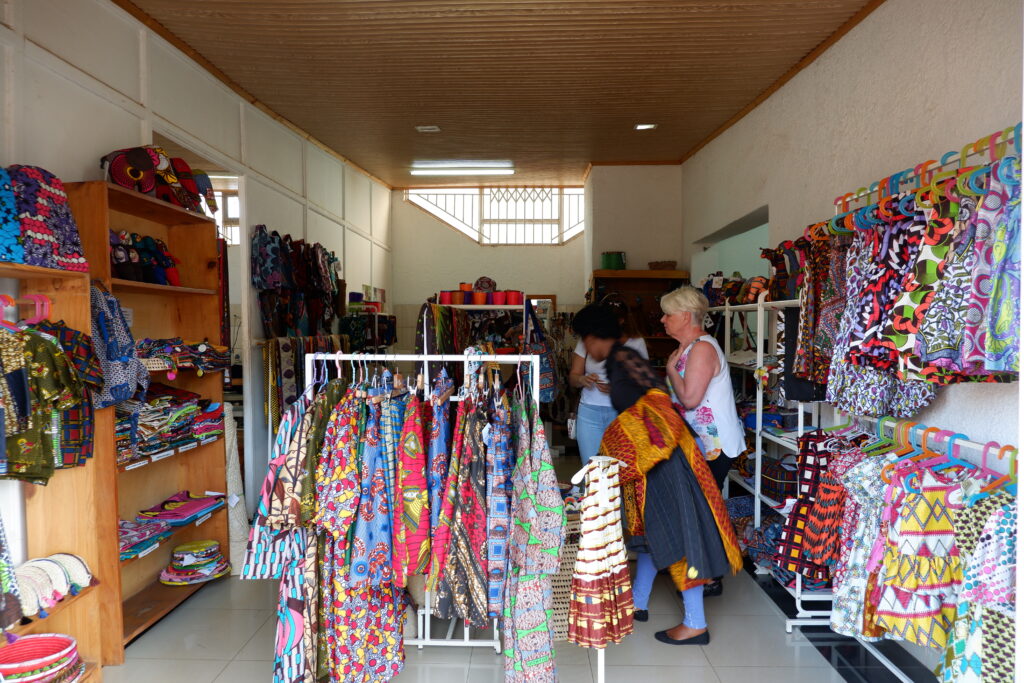
    Handmade fabrics and clothing in the Nyamirambo Women's Center shop
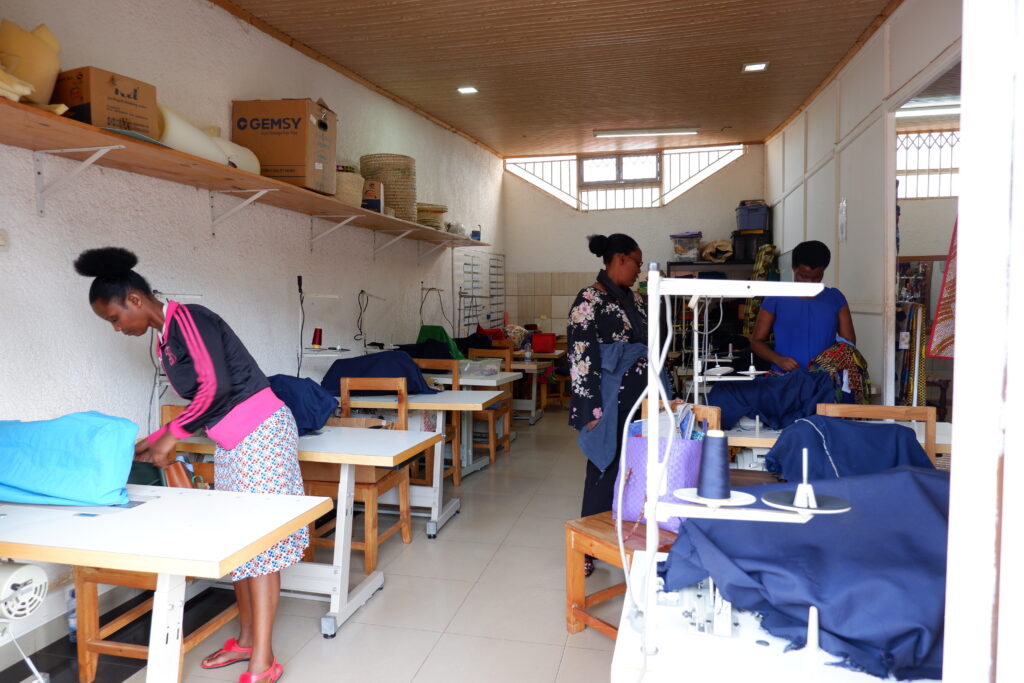
    Women sewing in the workshop of the Nyamirambo Women's Center

    The ladies that work here use their skills to create high-quality children’s clothing, accessories, and home decor products out of traditional kitenge fabrics—all of which make stunning souvenirs while funding the center’s community programs.

    Make sure to sign up for one of their popular walking tours, too. After a traditional snack and a lesson in Kinyarwanda, you’ll follow a local guide on a tour of Nyamirambo’s houses, independent businesses, and mosques. Afterward, enjoy a traditional lunch at one of the ladies’ homes.

    Inema Art Center

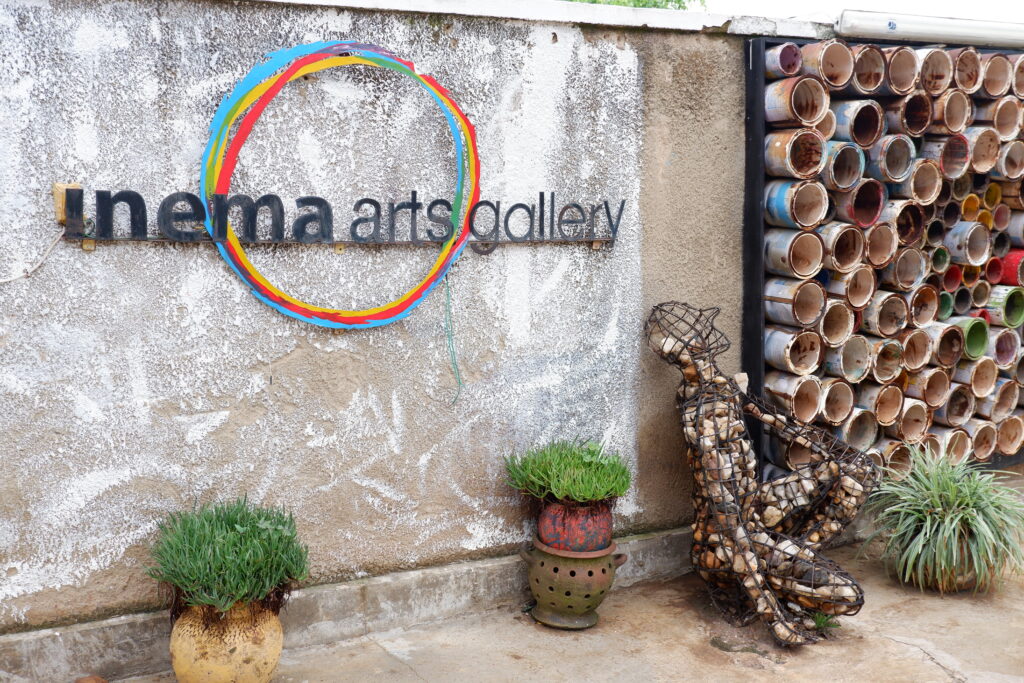
    Kigali today is an explosion of color, art and creativity. This can be seen in the many local designer shops, the art galleries popping up at every corner and the hip and chic restaurants and cafes. One of such places is the Inema Arts Center, a mixed purpose building where concerts, art exhibitions, workshops and performances are held.

    The center was founded in 2012 by brothers and self-taught painters Emmanuel Nkuranga and Innocent Nkurunziza to bring Rwandan art to light. Inema Art Center is now one of the best contemporary galleries in the city. It features the work of 13 resident artists working across a broad spectrum of different mediums. 


    Sign and sculpture wall at the Inema Arts Center in Kigali
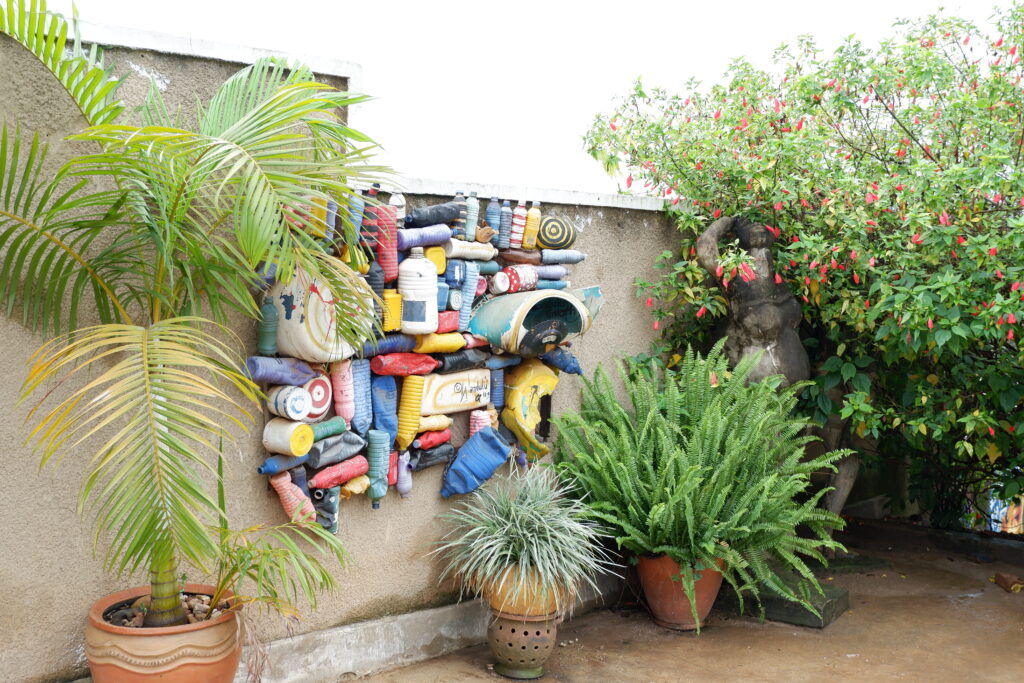
    Garden courtyard with sculptures at the Inema Arts Center, Kigali

    In addition to beautiful pieces, happy hours (check them out on Thursday!), yoga classes, and other events can be found in their creative space.

    It also hosts workshops and training programs for the next generation of Rwandan creatives, including weekly workshops for orphans with artistic abilities, traditional dance programs for children and a crafts program for women.

    Visitors can peruse (and purchase) the artworks in the gallery, or shop for jewelry, linens, and leatherwork created by the center’s students at the gift shop. Keep an eye out for regular music and dance performances too.

    Hôtel des Mille Collines

    Once the grandest hotel in the capital, Hôtel des Mille Collines was immortalized by the 2004 movie Hotel Rwanda. The film followed the story of Hutu manager Paul Rusesabagina, who sheltered hundreds of Tutsi refugees here during the Rwandan Genocide. The hotel is quite an institution, not just because of the movie, and sits handsomely on one of the hills that make Kigali. 

    Although Rusesabagina’s role is the subject of controversy, the hotel itself is a fascinating piece of Rwandan history. Its pre-1994 glory has faded over time, but it remains a glamorous place to come for afternoon drinks at the poolside bar. While sipping your cocktail amidst the garden greenery, consider that the pool was once the only source of water for the refugees trapped inside the hotel.

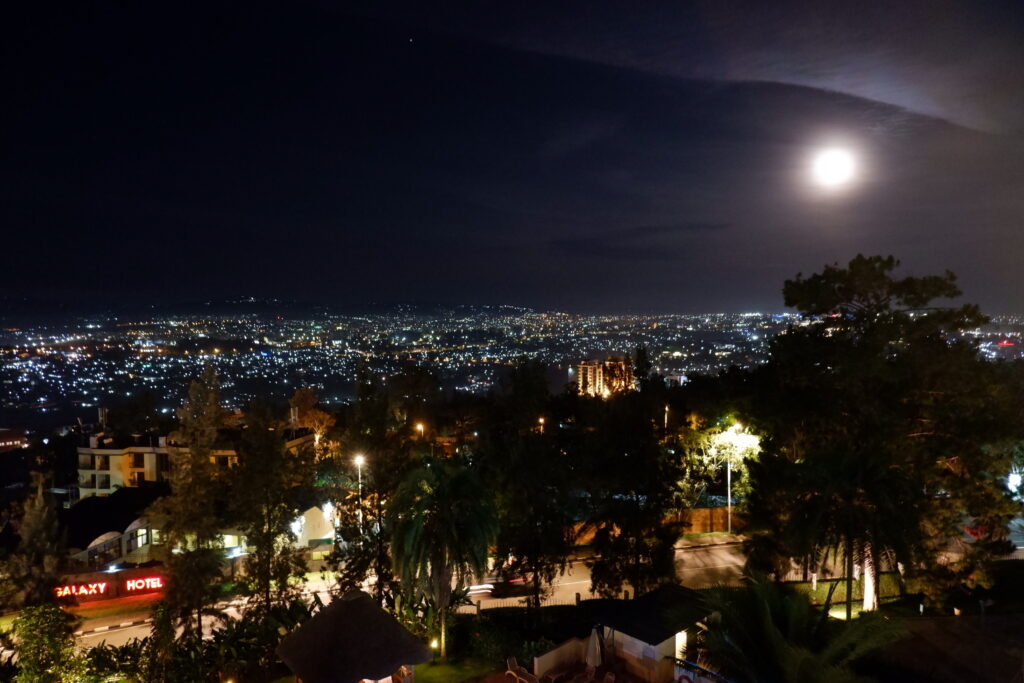
    Aside from being one of the interesting places to see in Kigali and the most famous and oldest luxury hotel to open in Rwanda, Hotel des Milles Collines is also one of the nicest places to eat in Kigali. At night when Le Panorama, the 4th-floor restaurant, opens, you can enjoy the city lights from a vantage point. Although Le Panorama serves refined fine dining with a strong French influence, some of the local produce, like tilapia, is incorporated in the menu.

    Kigali skyline at night, seen from the Hôtel des Mille Collines

    Kandt House Museum of Natural History

    Richard Kandt was the first German colonial Resident of Rwanda. He was appointed to the position in 1908 after leading the exploration northwest of German East Africa between 1897 and 1907.

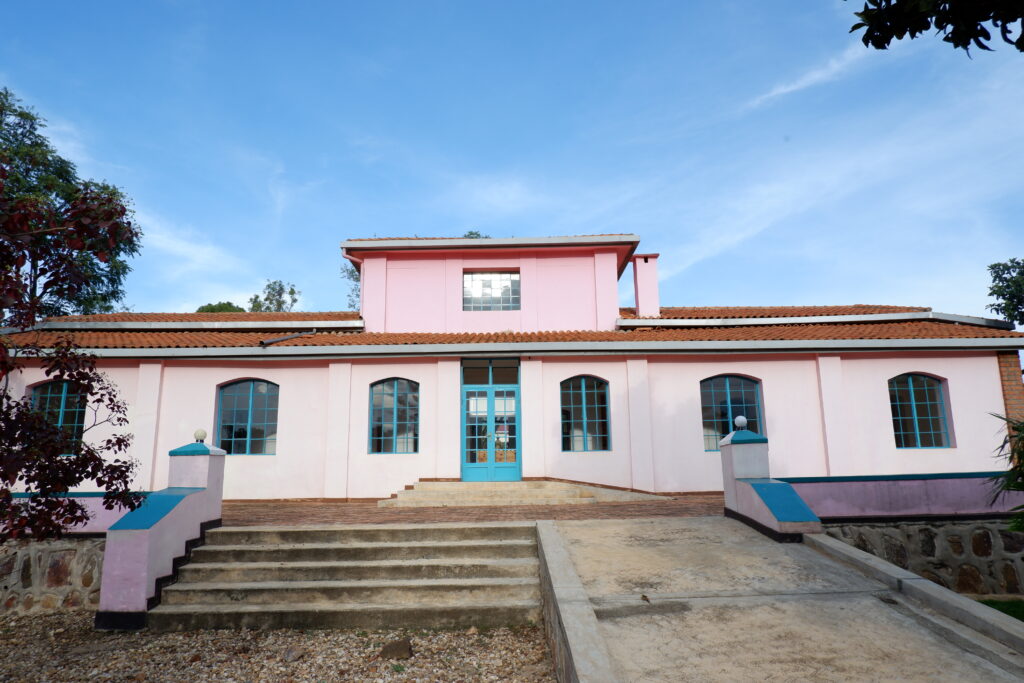
    About 500m from downtown Kigali is the Kandt House Museum. It is the former Natural History Museum, which was changed to Kandt House Museum in December 2017. One of the first things you see when you walk into the compound was the bronze life-size statue of Richard Kandt, clad in German military regalia with a walking stick in his left hand and a peaked military cap in his right.

    There are two main places to see in the museum — the main house, which contains much of Rwanda’s history, and the reptile park, which has snakes and crocodiles.

    Pink colonial facade of the Kandt House Museum of Natural History, Kigali

    The house has three main exhibits.

    The first part presents Rwandan life in all its aspects – social, economic, and political – before the colonial period.

    The second part traces the experience of the Rwandan people during the colonial period. Following the Berlin Conference in 1884, the Germans ruled Rwanda until 1916, when the Belgians took over under the League of Nations Mandate after World War I. Richard Kandt’s life and deeds in Rwanda are covered here.

    The third part covers the history of Kigali, before, during and after the colonial era. Kigali was made the capital upon independence in 1962.

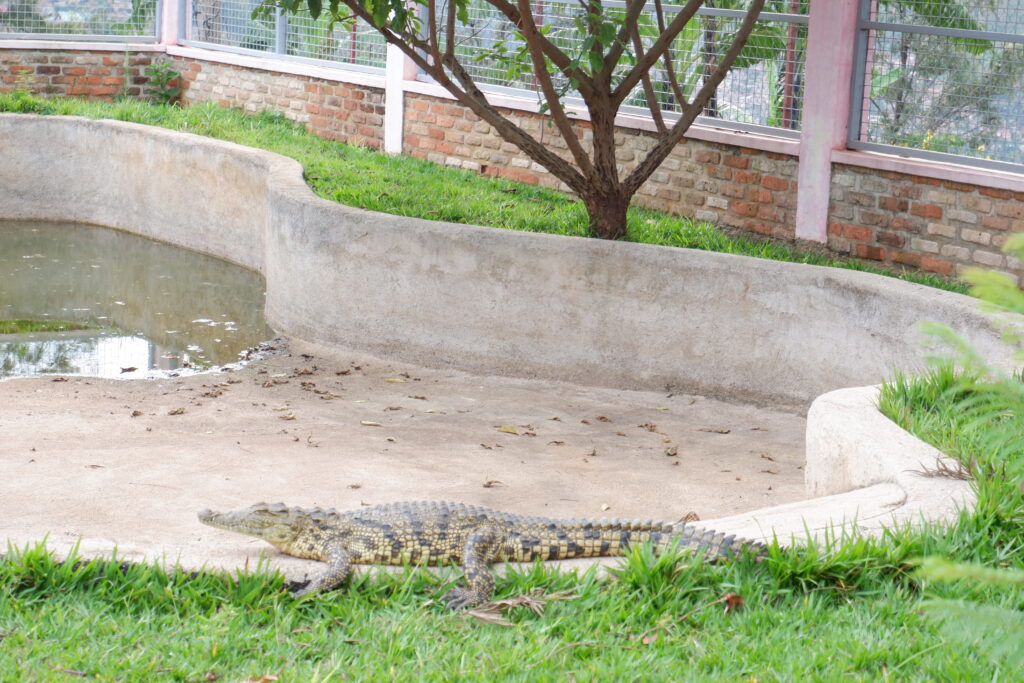
    Crocodiles in the enclosure at the Kandt House Museum, Kigali
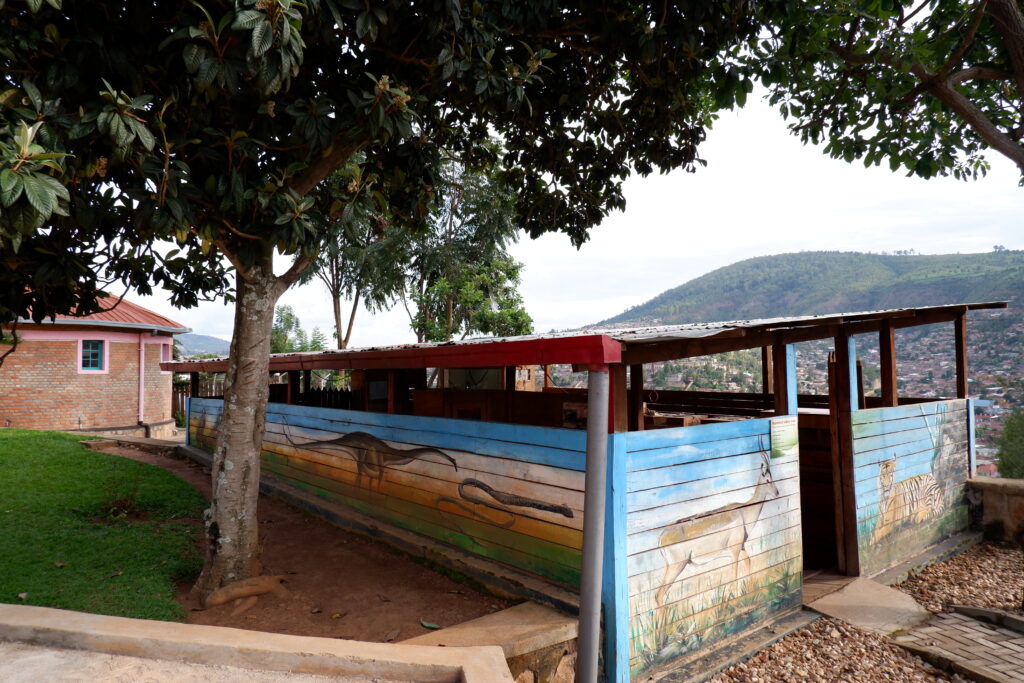
    Shaded outdoor exhibit area at the Kandt House Museum, Kigali

    The guide then takes you outdoors where there is a large statue of a gorilla and an enclosure with a baby Nile crocodile — about one and a half meters long — soaking up the sun. They then lead you to a small room of made of wood, which has snakes in glass enclosures. Inside lay some of the deadliest of African snakes. They seemed well fed and did not require a lot of space. We had never been so close to the Black Mamba, Gabon viper, python and the spitting cobra.

  • Europe,  Istanbul,  Places

    AYASOFYA HURREM SULTAN HAMAMI

    After the long journey, this was our treat on the first afternoon in Istanbul. It was also cold and raining, which made it feel it even more right.
    Apart from being a relaxing place it’s also an amazing site (architecturally speaking).
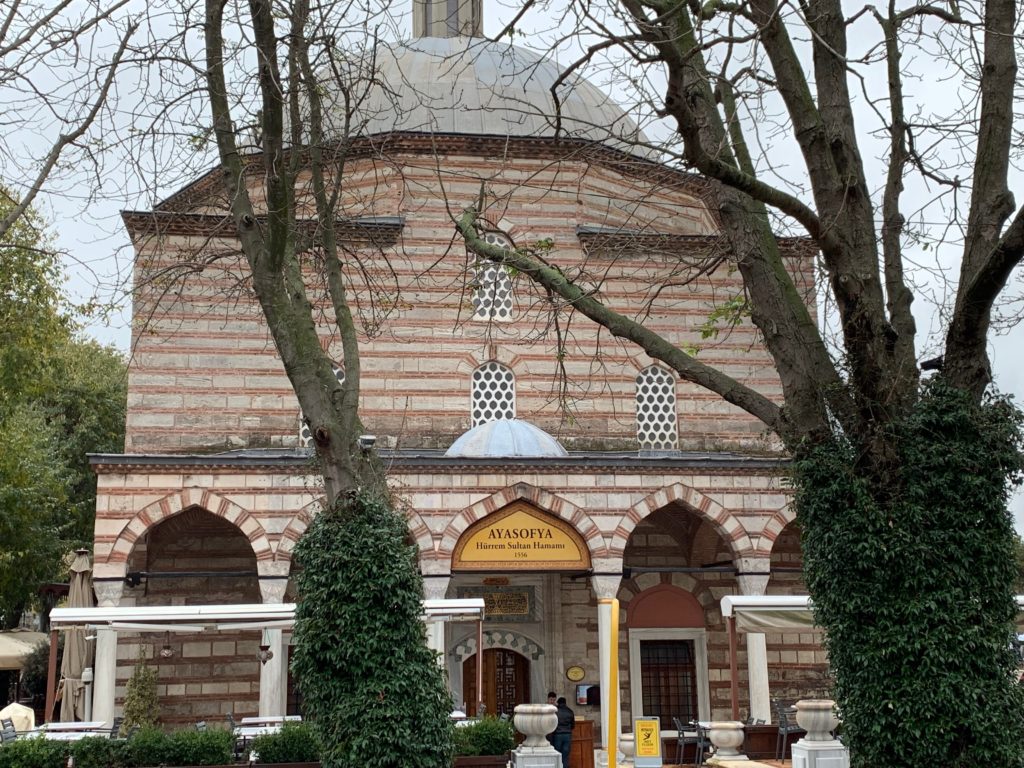
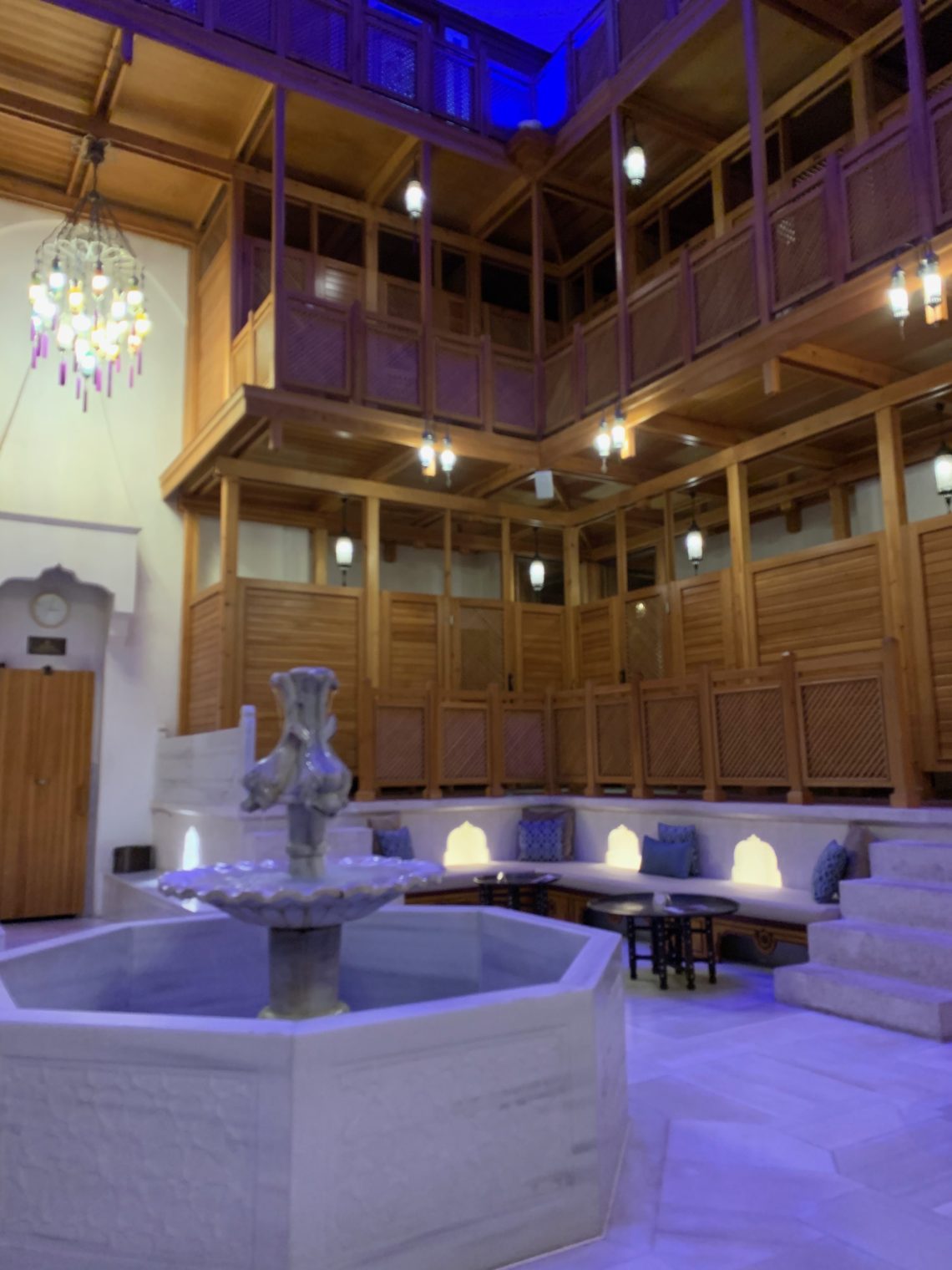
    The Ayasofya Hurrem Sultan Hamam in Instabul was designed and built by Mimar Sinan, the chief Ottoman architect. It was built under the request of Hurrem Sultan (Roxelana), the wife of Sultan Suleiman the Magnificent in the 16th century. The Hamam was operational until 1910 when it closed for many years and was used for different purposes (among which house to convicts, and storage for paper and oil). It was then restores in 1958 and used as a carpet bazar until 2007. Public baths date back to Roman time were they were not only meant for practical purposes but also for the pleasure of gathering and entertainment. In Ottoman culture it took an important place for religious purposes. According to the Koran, cleanliness is a fundamental part of the faith. These marble temples also provided a meeting place for locals to partake in conversation along with bathing and massage.
    The Ayasofia Hammam has separate sections for men and women, constructed on the same axis as mirror images of each other. The main and more visible entrance is the one of the male section. They are very organized though so they were able to check for us if there was availability at the same time in the female section. We strongly suggest you book ahead of time, especially for bigger groups, as it seems it was just out of luck we found a spot for both of us straight away.
    Before entering in the Hammam you will have to wear slippers over your shoes. I was welcomed by a cat (one of the many in Istanbul) that was taking advantage of the warm coming out of the room. In the cold room there is the reception, the changing rooms, the resting area. This is where you’ll be asked to change into the pestamal (silk wrap) before your bath. After your bath you will rest here and relax drinking a sherbet (fruit tea) and eating lukumi. After changing you’ll be shown into the hot room. The room lies under the hammam’s dome and is surrounded by open and private alcoves. The temperature is around 42-27 degrees. Here there are basins to fill with cooling water and you will receive a gold-plated bowl for pouring water over your body while the heat prepares your skin for the scrub. One of the attendants will then come to you and scrub your body. The scrubbing is definitely not as harsh as the one I experienced in Morocco, which is definitely not something you’ll define pleasant… After the scrub you will receive a bubble massage on one of the warm stones under the dome. They will then wash you and cover your skin with rose water. A wonderful and relaxing experience. You’ll then walk back into the reception area where you will drink water and fruit tea and relax a bit before getting back into the cold and rainy weather (I guess that doesn’t apply all the time, but it did for us!)
    There is the option of different bath packages, we both chose the PIR-U pack (80 euros) that included the scrub, the bubble wash and a head and neck massage. We were both very happy of the treatment, environment and staff. Definitely recommended. 

    ☎ 212-517 3535

    info@ayasofyahamami.com; Cankurtaran Mahallesi Ayasofya Meydani No:2

    ?8-2

    ? Sultanamet
    Comments Off on AYASOFYA HURREM SULTAN HAMAMI