When you think of Mallorca, you probably imagine sandy beaches and a swim in the ocean. And while that’s definitely a great thing to do when visiting this island, Mallorca also has a fantastic city break destination: Palma de Mallorca.
Palma’s picturesque Old Town is a must-visit, no matter how much time you have. Even if you’re having a little wander through it, it’s worth your time. The streets are beautiful, with little squares and small but atmospheric alleyways. There are many cafes in the Old Town too, which give you a perfect excuse to sit down for a bit and enjoy some people watching.
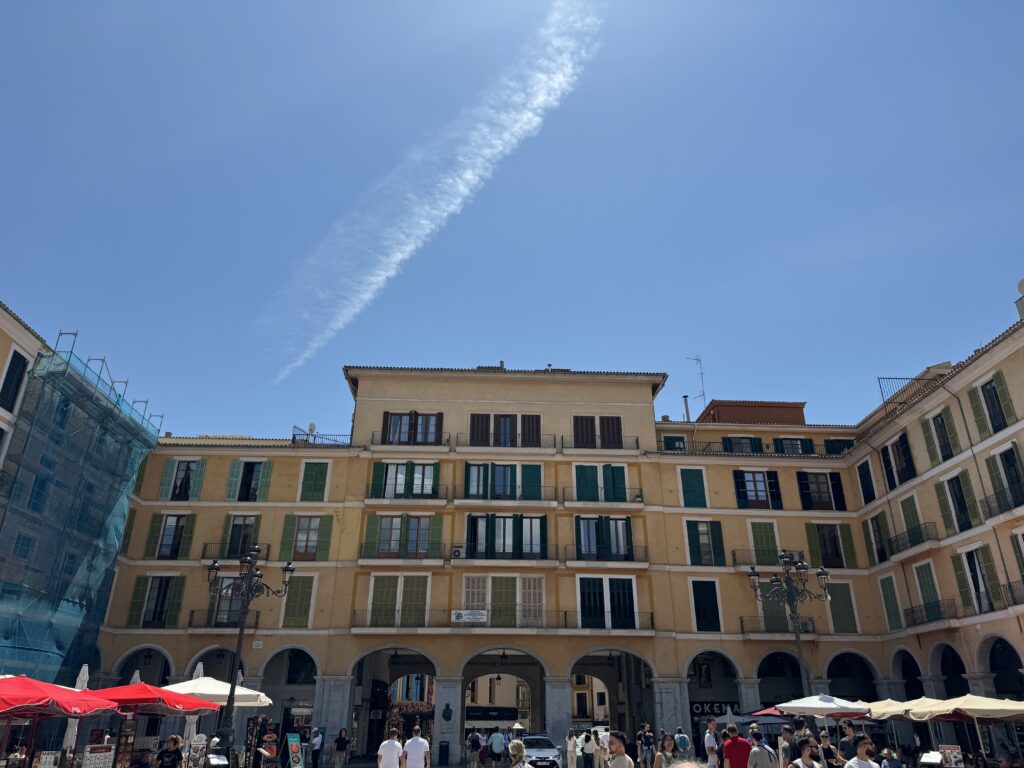
While you walk through the historic center of Palma, start the day in Plaza Mayor or Placa Major, as the English use to call it. This is where most of the markets and events in Mallorca take place. The rectangular square with a porticoed perimeter is similar with Plaza Mayor from Madrid, but at a much smaller scale. The houses built around the square all have yellow facades and green shutters, creating a very picturesque scenery. The buildings surrounding it are mostly offices or private residences, with cafes and restaurants on the ground floor. Some of the main streets of Palma branch out from the square.
On some days of the week, the plaza hosts an artisan market, whilst in January, it functions as the starting point for the feast day of Sant Sebastià.
It is a vibrant place today, bursting with life and fun, but things weren’t always so cheerful. The plaza is built on the site of the San Felipe Nerí Convent, which until 1838, was the seat of the Inquisition.
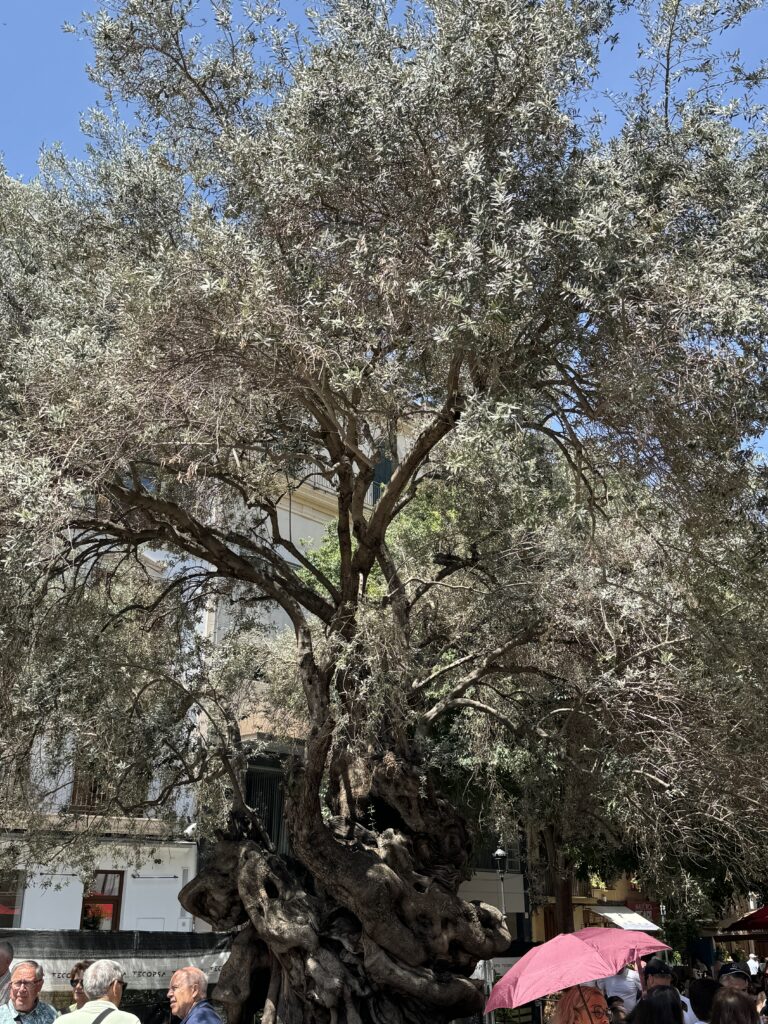
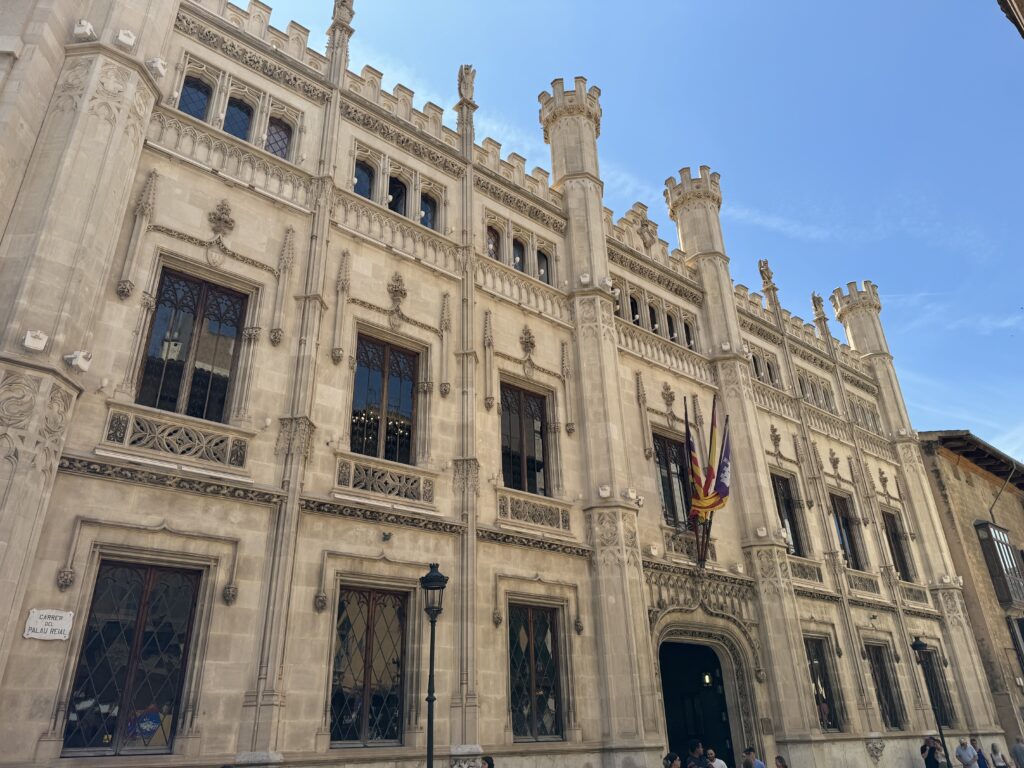
One square in the Old Town that you should add to your Palma itinerary is Plaça de Cort. The Plaça de Cort derives its name from having been the place where feudal court gatherings once took place. Today, it’s a lively area with cafes and restaurants surrounding it. This charming square in the heart of the city is famous for Olivera de Cort, opposite to the beautiful Town Hall. This is a 600-year-old olive tree brought to Palma in 1989 from the Pedruixella Petit estate in Pollença as a sign of peace. Many people think they can see faces in it, especially an ear, which came to be known as the ‘Orella de Mallorca’.
You will find some nice restaurants around the square, so you can have lunch here or grab a coffee to keep you energised for the rest of the day.
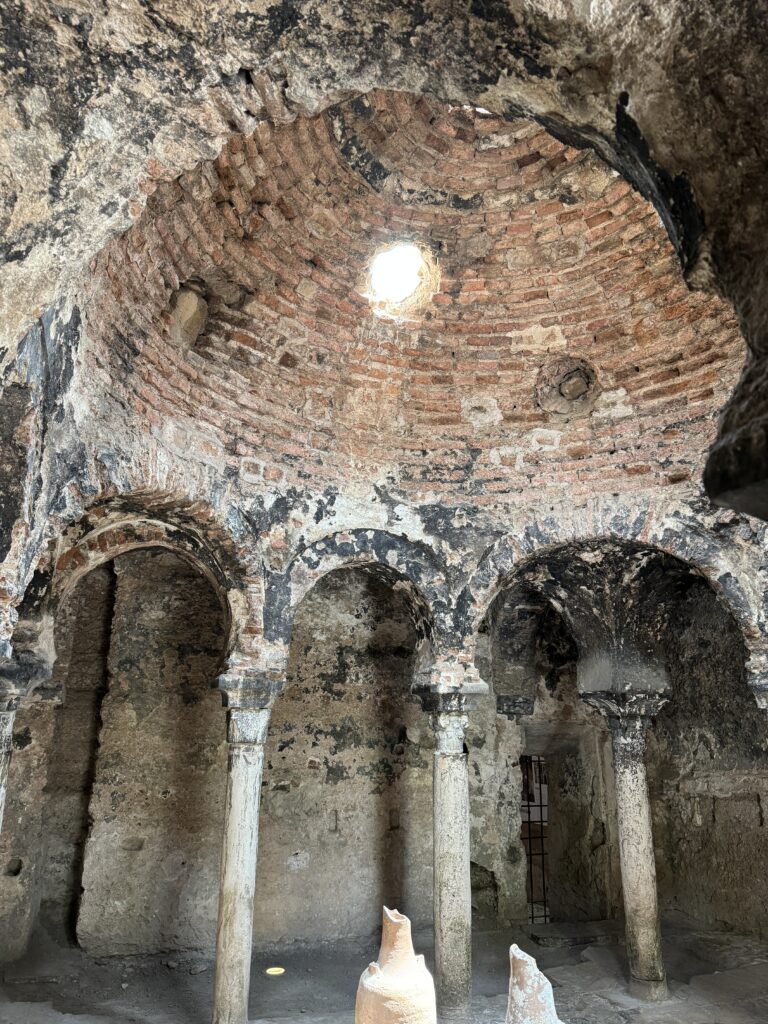
If you take a walk along the old medieval streets of Palma not far from the Cathedral you will see signs pointing the way to Banys Àrabs. Built during the time of the Moors in the 10th century but brought back to light only 100 years ago, the Arab Baths are possibly the only thing left from Medieval Palma. They were initially placed in the orchard of a manor house known as the Can Fontirroig, which probably belonged to a wealthy Moor. They date from the 10th to 12th centuries and are some of the few remains of the Arab city, Medina Mayurqa.
As every other Spanish city which was part of the Al Andalus Empire, Mallorca has a large Muslim heritage. Arab baths, or hammams, were customary back in the 10th century, and an important part of the community, where people would go to clean not only their their bodies, but also their souls. The water is considered sacred in Islam, and the hammam is one of the oldest surviving bath traditions in the world.
The Arab baths in Palma is one of the last remaining pieces of evidence of the Moorish occupation. Whilst they are small, they are well preserved and provide a glimpse into what it used to look like to go to the baths back in the 10th century. What is interesting about these baths is that the columns are all different, as they were built with remains from other dynasties that occupied Mallorca before the Moors. There is a preserved caldarium and tepidarium and some lovely gardens where visitors would have cooled off after their hot bath all those hundreds of years ago.
Today the half-orange tepidarium, with its columns and shafts of shifting sunshine, is perfectly integrated into a garden. Some people like to come here to read or simply enjoy a sandwich when they get a break from their busy day. So, the purpose of the garden was preserved, as it was a good place for guests to cool off after taking a steamy bath.
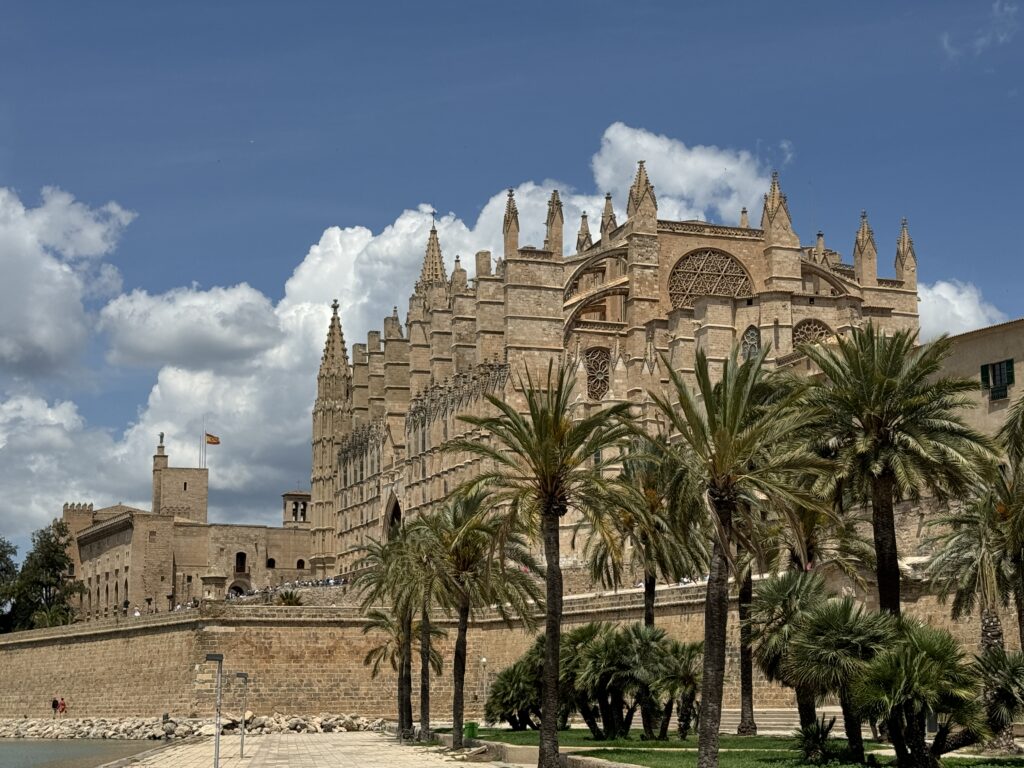
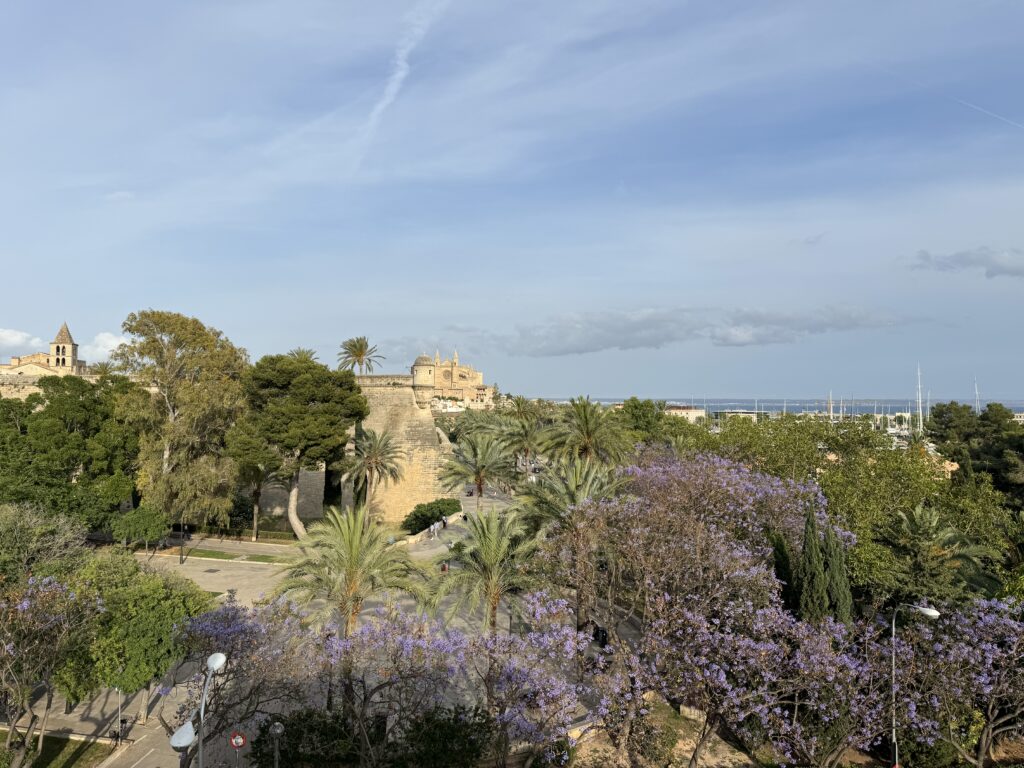
We can say that the Cathedral-Basilica of Santa María de Mallorca, also known as La Seu, is the heart and soul of the city. The Cathedral is located on the site of what was once the main mosque of Medina Mayurka, the capital of Muslim Mallorca for three centuries. The mosque was used as an interim church following the Christian reconquest in 1229. The construction of this impressive Levantine Gothic-style building began in the 13th century, on the orders of King Jaume I of Aragon, and was completed in the 1630s. after one voyage that he and his men took to the island. As they sailed toward it, they encountered a savage sea with strong winds and high waves that put them in great danger. The king swore that if they reached Mallorca safely, he would build a huge cathedral. And he kept his word, erecting one of the tallest cathedrals in Europe.
In front of the cathedral, you can also find Parc de la Mar. This artificial lake shows beautiful reflections of the cathedral. Near it, there are some places to sit and soak up the view of this impressive piece of architecture.
Some of the cathedral’s towers reach over 20 meters and the cathedral contains one of the largest stained glass windows in the world (with more than 1,200 pieces).
While the cathedral is very impressive to look at from the outside, going inside to see the beautifully decorated interior and the light pouring in through the stained glass windows. It has one of the tallest naves in the world, reaching 44 meters. As you enter the cathedral, you will be amazed by the multitude of stained glass windows (61 in total) that filter the light and add a rosy sheen across the floor and walls. This special design feature earned La Seu the name of ‘Cathedral of Light’. The slim pillars supporting the roof are apparently some of the slimmest load-bearing pillars in the world.
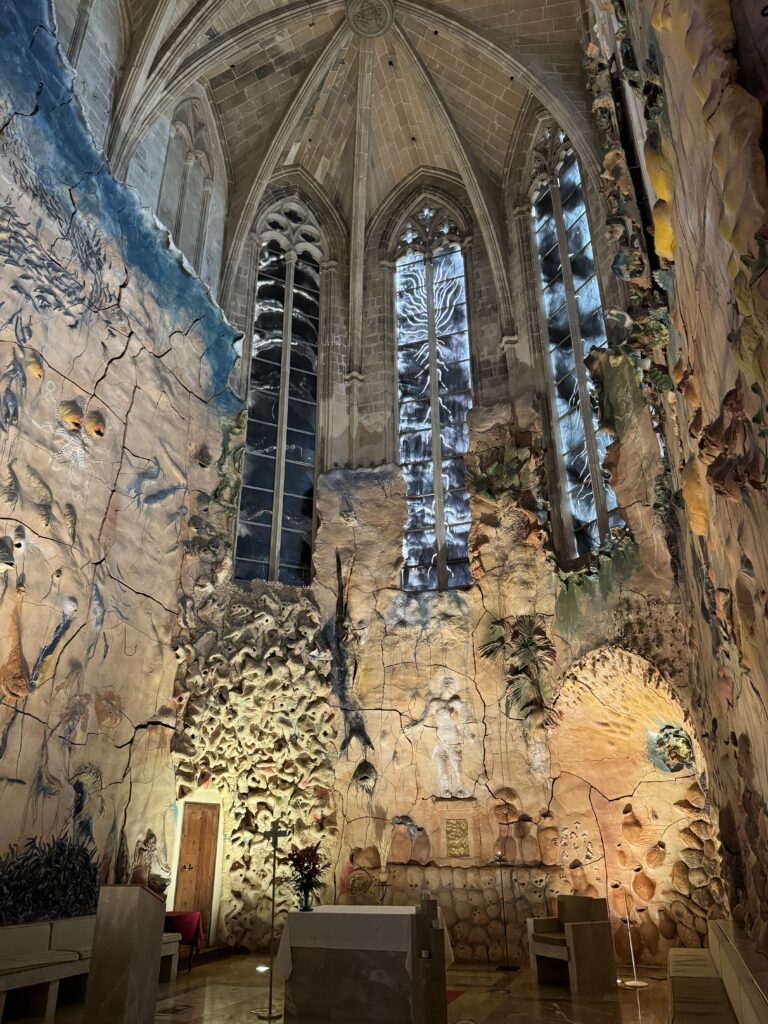
In 1901 Antoni Gaudi was invited to take over the restoration of the cathedral. Due to some misunderstanding the project was cancelled, but some of Gaudi’s ideas were still implemented. He is responsible for the beautiful stained glass in the Gothic windows of the Royal Chapel. He was helped by his disciple, Joan Rubió i Bellver, who designed some iconic buildings in Soller. One of the most striking architectural elements inside the Cathedral is the mural in the Chapel of Sant Pere, sculpted in terracotta by the local artist Miquel Barceló. The images represent scenes from the Gospel of St John, relating to the Last Supper, which the chapel is dedicated to. The colours and the details are so surreal, and at a first glance it does resemble Gaudi’s style.
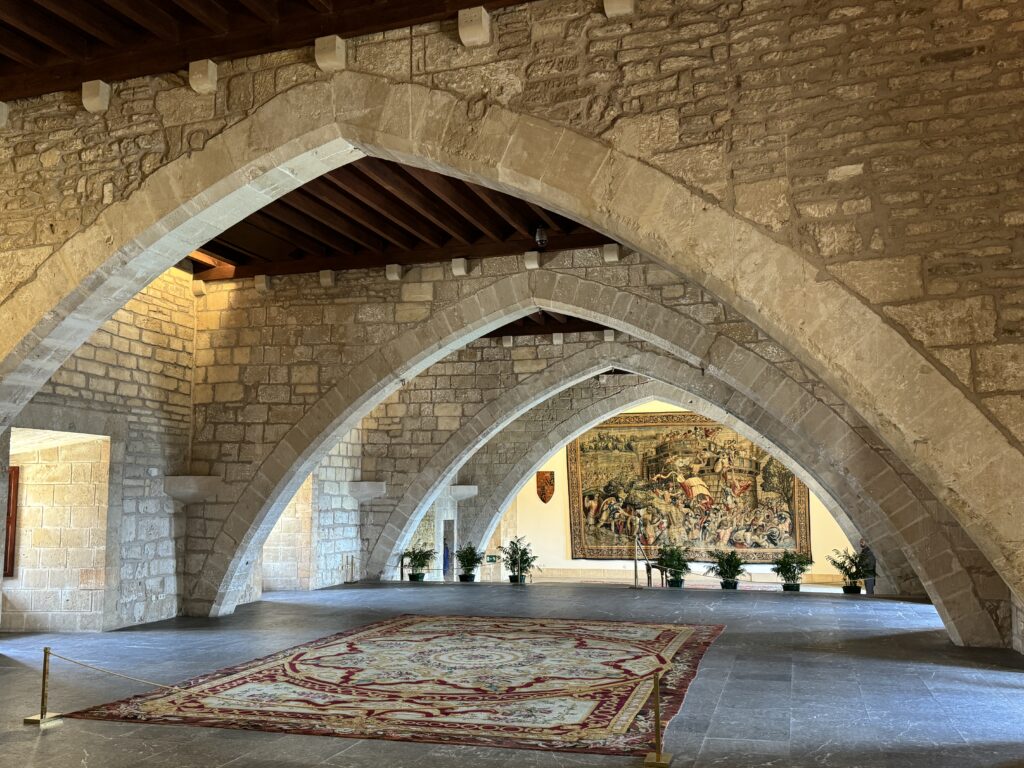
The Royal Palace of La Almudaina is located next to the cathedral, is a must-see place in Palma if you’re visiting the city in one day. It is the official residence of the kings of Spain during their visits to Mallorca. The palace as it is today was built over an old Roman fort back in the 10th century, by the Muslims when it used to be the seat of the Emir when Palma was under Arab rule. It was rebuilt in the 13h century, after the Christians conquered Mallorca and King Jaime I of Aragon came to the throne.
What’s special about the Almudaina is the combination of Gothic and Moorish styles that reflect the multiple cultural layers which influenced the architecture of the City of Palma. Over the years, the palace has been modified over and over again, in different architectural styles. Whilst the ground floor has a medieval architecture, the first floor, which was added to the Palace in the 16th century, is decorated with more recent furniture.
First-time visitors find it intriguing and splendid at the same time, especially as they discover the 14th chapel of Saint Anna, with its enormous stained-glass window and beautifully decorated state apartments.
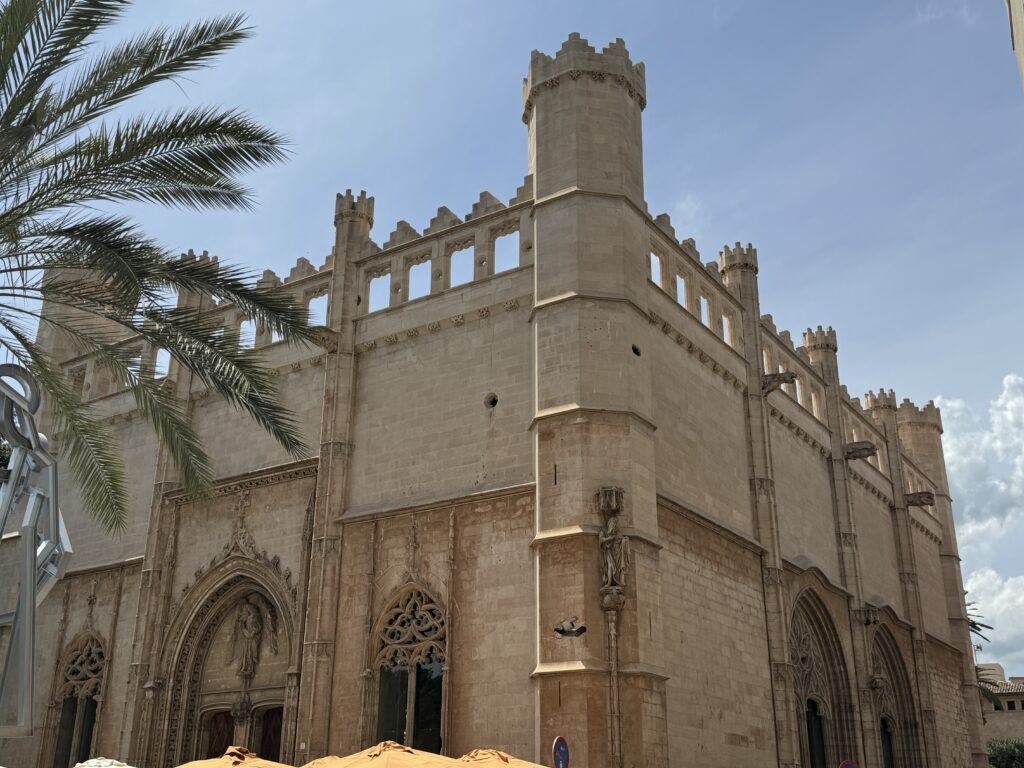
Lonja of Palma is one of the greatest representations of Gothic architecture in Mallorca. It is located in the La Lonja Square, in the historic center of the city, near the port. It was built between the fifteenth century by Guillem Sagrera and was once the headquarters of the Colegio de los Mercaderes, who were in charge of the regulation and protection of trade and the maintenance of the port. Visiting the interior is worth your while.
One of the best ways to end the day in Palma is a cocktail at the Sky Bar at Hostal Cuba. Located on the rooftop of an iconic building in the lively Santa Catalina neighborhood, the happy hour also comes with unbeatable views over the marina and the Cathedral. The roof terrace is small so booking is advised.
Day 2 - Cuevas de Genova
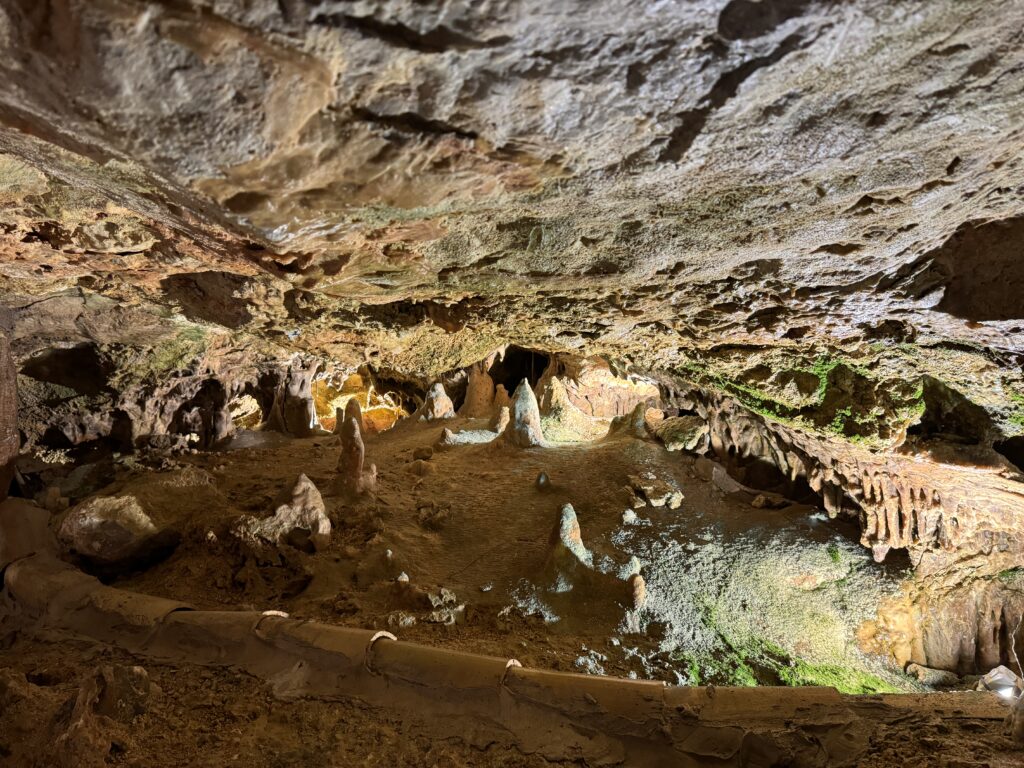
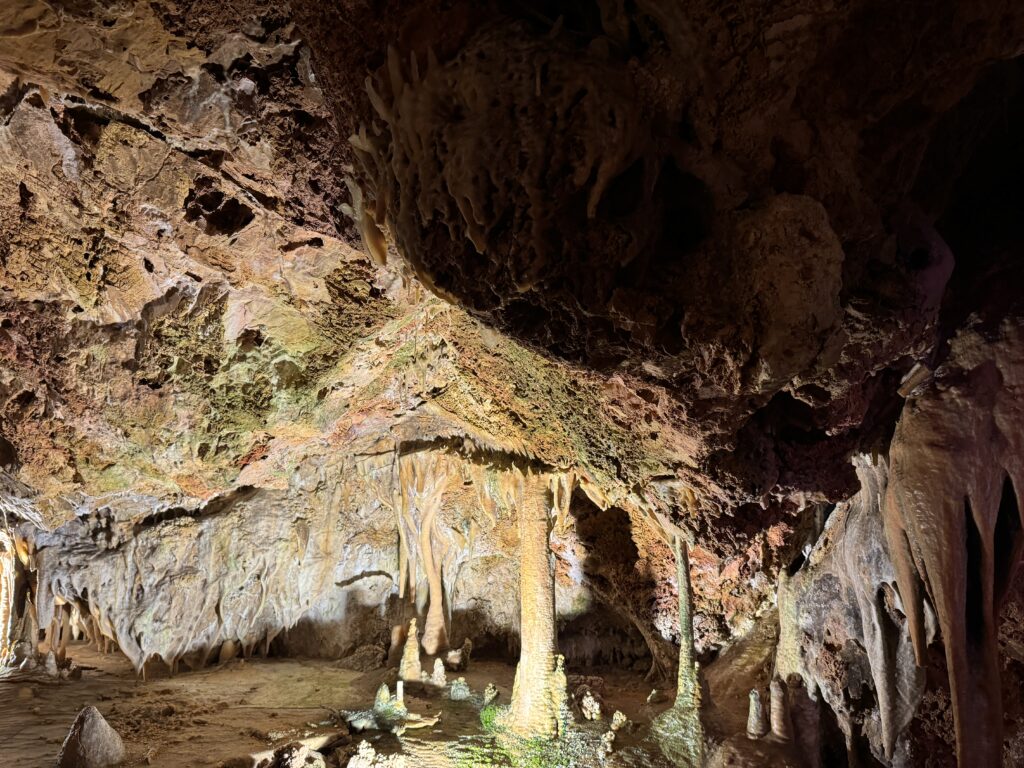
Discovered by accident in 1906, the Genova Caves (sometimes known as the Caves or Coves of Genova) have since become one of the most popular day trip destinations from Palma de Mallorca. They are only accessible via small-group guided tours which take approximately 30 minutes and run throughout the day. Admire the caves’ thousands of icicle-like stalactites and stalagmites, or book a convenient combination ticket that includes a Mallorcan tapas lunch at the restaurant above.
Discovered accidentally during the construction of a well in the year 1906, these caves form a set of underground galleries of calcareous origin joined by corridors formed in a completely natural way. These caves are in the middle of the residential neighbourhood of Genova, which belongs to the municipality of Palma de Mallorca. The caves stretch along an extension of almost 1 km, reaching up to 36 m deep.
A trip to Mallorca should take you to at least one of the caves on the island, because there’s something serene and mysterious about all of them. Until not too long ago, they were used as smugglers’ hiding places or even as some sort of apartments for the locals. Today, Mallorca offers five caves open to visitors – three of them on the east coast, one in the northwestern part of the island, and the fifth in the district of Génova in Palma. For cave lovers, it’s worth to visit each of them, because no cave in Mallorca is equal to the other. Each one has its particularity and beauty.
The exact number of Mallorquin caves is unknown. Some speak of 200 caves in Mallorca, whereas others mention 300. According to experts, the total number of caves, however, could amount to more than 4,000, as most of them are very difficult to locate, because they’re situated in private properties or in inaccessible places.
Thanks to the variety of mineral colours, and its great concentration of eccentric formations, the colour stands out notably for the multitude of espeleatemas coraloide, something rare and hard to find (formations that are also known as popcorn or cauliflower). The place also has a huge natural irrigation of constant fresh water all year round, which favours the environment to be always very wet, a phenomenon that stands out remarkably in this aspect on the other 4 tourist caves that are on the island, giving to this corner of nature a value much appreciated.
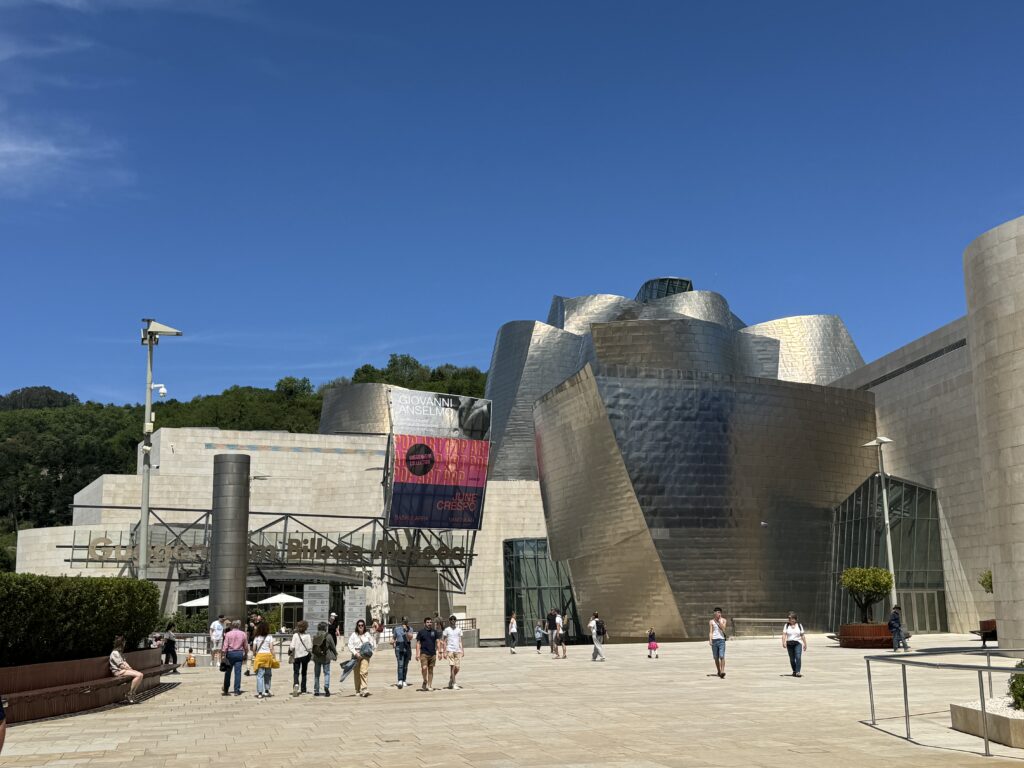
Take the time to walk the streets of Bilbao admiring the eclectic mix of architectural styles, walking along the riverside paths and sampling some pintxo with a drink. This walk will take you past the city’s most notable historic and contemporary buildings. Head towards the most famous building in the city, the Guggenheim Bilbao museum, a titanium masterpiece inaugurated in 1997 that changed the way of conceiving architecture. Frank Gary’s colossal Guggenheim Bilbao Museum is the most impressive building in the city. The museum, filled with works by some of the most important contemporary artists, has managed to make Bilbao the vibrant creative center it is today. For many travelers it is the main reason to visit the city.
For most visitors, the real star is the architecture. Designed by Frank Gehry, the museum is a succession of shapes, fluid caps, headlands, ships, towers, and winged fins,all covered in glittering titanium plates. It is a magnificent vision. Take all the time you need to observe the shapes and colors that change as the light changes. The Guggenheim Bilbao dominates the area of the city facing the river, and its appearance and the surrounding atmosphere change depending on the light. The site where the museum stands was a disused industrial area; the city’s past was dominated by industry and shipping ships and fisheries is evoked by its shape, which some consider similar to a ship or a fish shimmering. After the collapse of the shipping business and heavy industry, the administration committed itself to a regeneration project of the city. One of the main requirements was the construction of a world-class exhibition space, and from that idea, the Guggenheim Bilbao was born. Since its opening in 1997, the museum has contributed to transforming Bilbao from a declining industrial city to a center of culture and interacting with the city’s historical and geographical context. The construction also reflects the interests of Gehry, who, in previous works, had already made use of industrial materials. The shiny titanium plates that cover most of the building like gigantic scales are reportedly inspired by the architect’s passion for fish
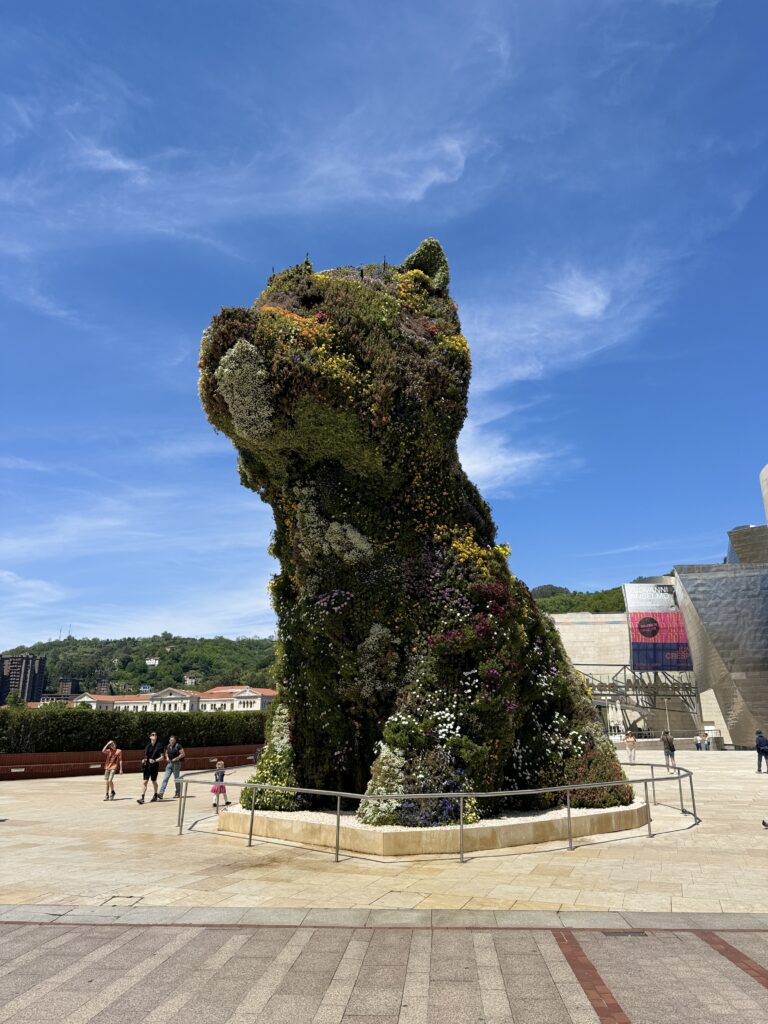
Outside on the side of the museum facing the city, it rises 12 m Puppy, a terrier made with thousands of flowers: Jeff Koons’ work was only supposed to be a temporary installation but Bilbao has become fond of “El Poop”. The bilbainos will tell you that the dog arrived first and then they had to build a kennel for him.
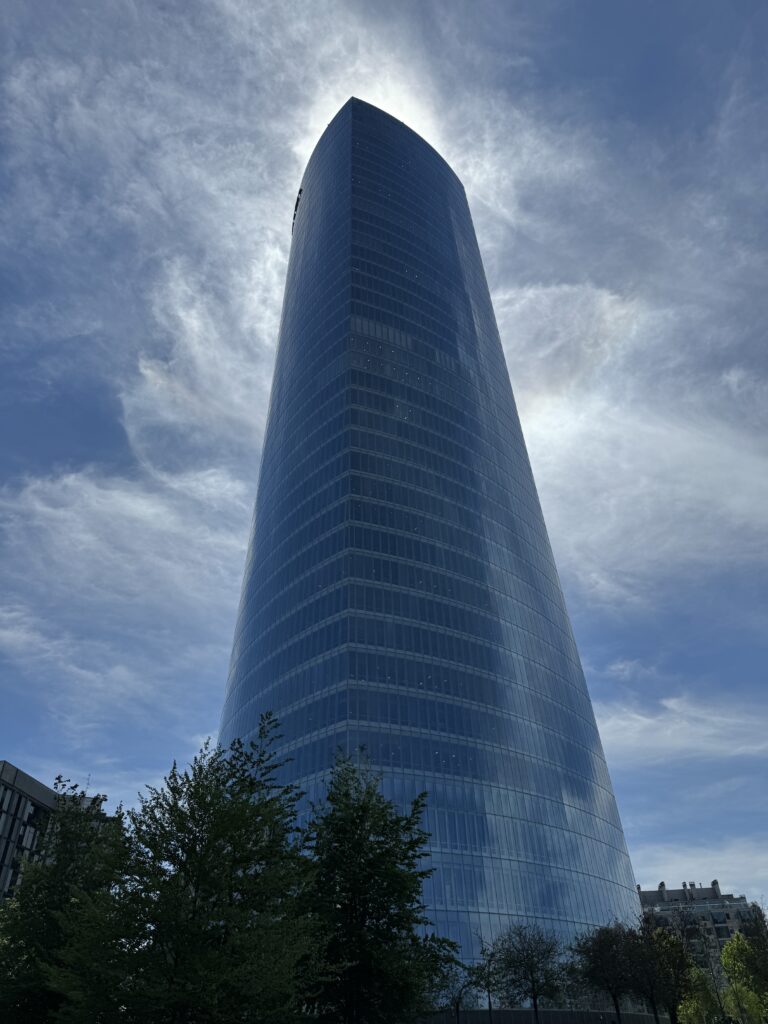
Keep walking along the riverside, and you will find on your left the obelisk-like Iberdrola Tower, which rises from the southern bank and is a 41-story gleaming glass office complex of at 165 meters. Opened in 2012, it’s the tallest building in the Region.
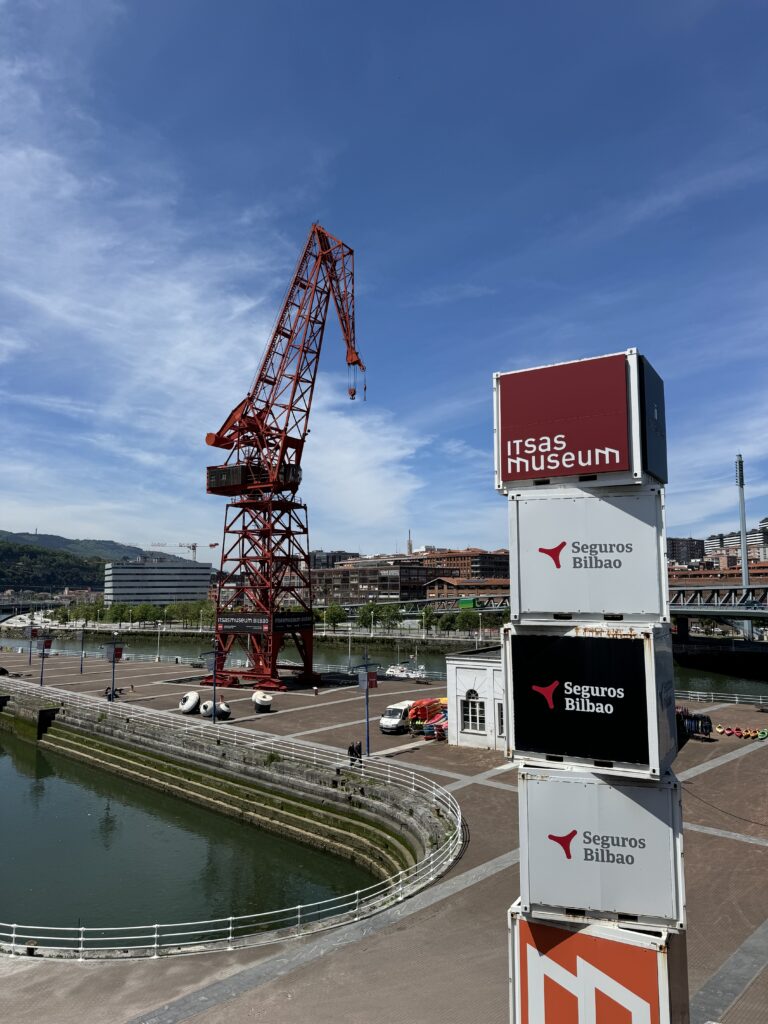
To get an idea of Bilbao’s industrial past stop in front of the city’s Maritime Museum, the Itsasmuseum. On the western side in front of the dry docks look for the bright red “Carola” crane once used for shipbuilding. This interactive Maritime museum recreates the sea depths of Bilbao and the Basque Maritime history. Begin your visit by watching the 10-minute video that summarizes the history of the city from the 14th century to today, then walk around the two floors of the exhibition, which illustrate the ancient techniques of naval construction, the tragic shipwrecks (and innovative rescue practices of the time), and the threat of pirates. You will also find detailed model ships, including a life-size reproduction of the Falua del Consulado, a barge from 1511 used by the consular authority. Outside you can climb on a series of boats.
Take a walk in the Parque de Doña Casilda de Iturrizar with the gazebo for the bands and the ponds for the ducks. Embellished with maples, limes, cedars, palms and as 70 other species of trees, this elegant English-style park was completed in 1920 the highlight is the pond full of ducks and swans.
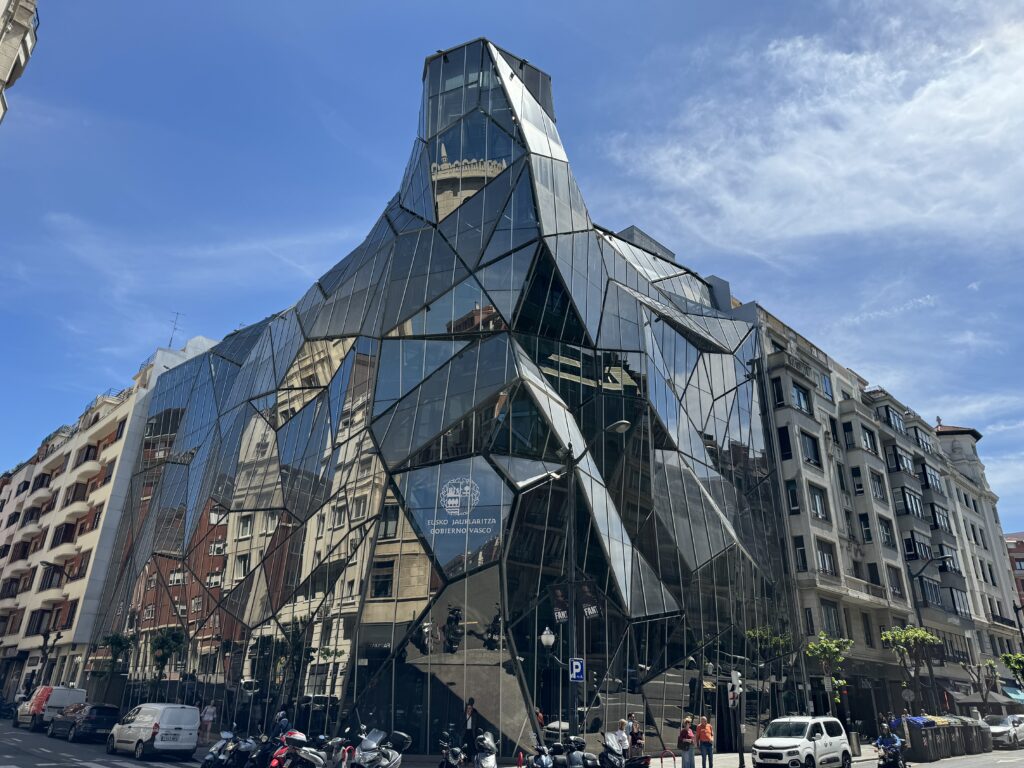
The Jardines Albia, dominated by the sixteenth-century Iglesias San Vicente Martir and with a fountain in the center are perfect for a break. Then continue to the headquarters of the Basque Ministry of Health, which was only completed in 2008 and since then it has become a landmark of the city. Composed of sheets of glass and steel it was designed by Juan Coll-Barreu.
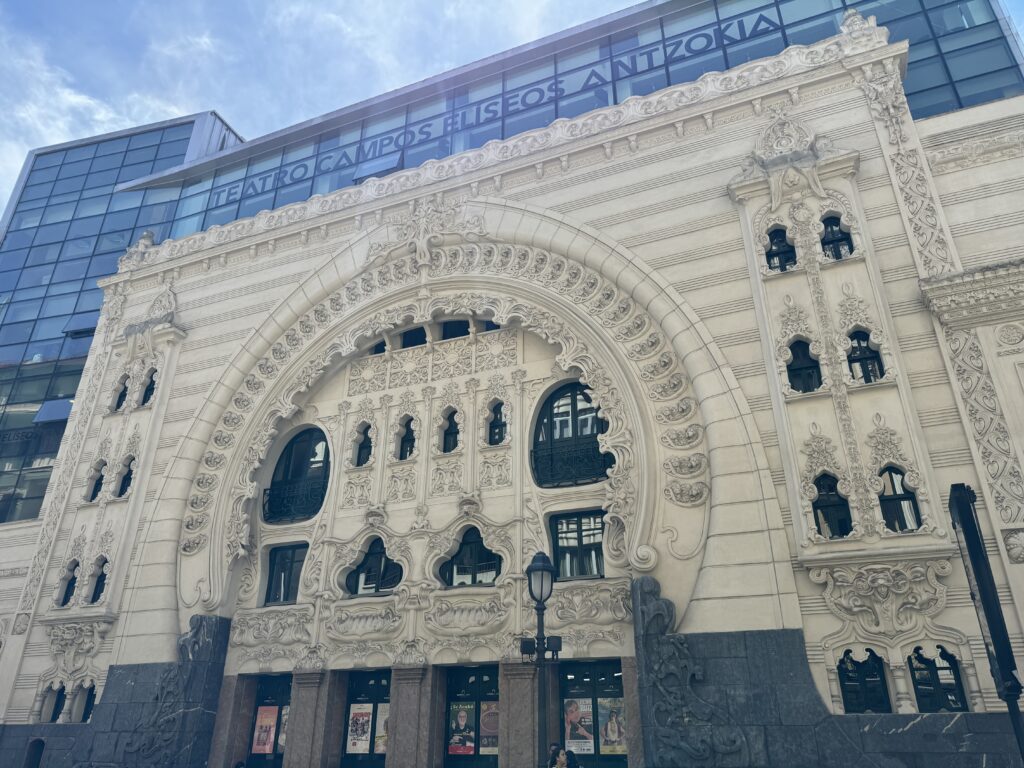
Another nearby art nouveau masterpiece is the Campos Eliseos theatre. Restored to its art nouveau splendor and modernized in 2010 to accommodate contemporary productions, this masterpiece was built in 1902. Today, it hosts theatrical performances, musicals, dance, comedy concerts, puppet and magic shows, and sometimes cinema screenings. The multi-level main hall has a capacity of over 800 people while the more intimate domed hall on the top floor can accommodate 250 spectators.
Another Art Nouveau treasure of the city is the Bilbao Concordia railway station built in 1902.
Day 2
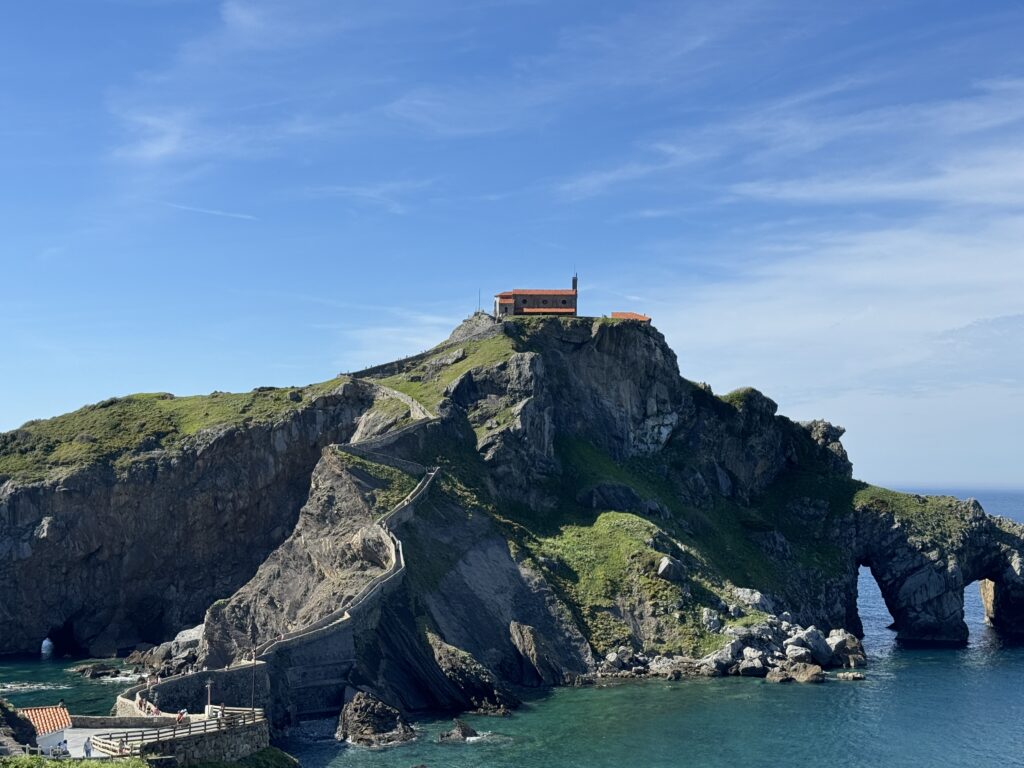
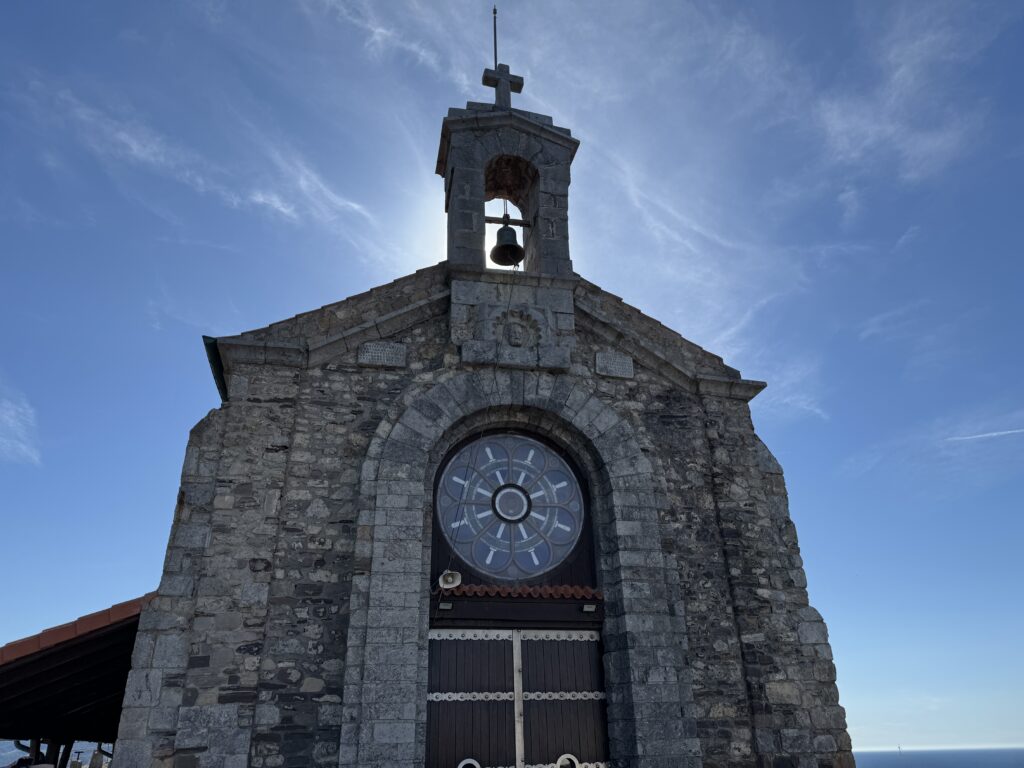
10 km northwest of Bilbao is one of the most photographed places in the Basque Country: the rocky island of San Juan de Gaztelugatxe. Connected to the mainland via a stone walkway with 241 steps, it’s surmounted by a hermitage, the Ermita de Saint Juan de Gaztelugatxe, built by the Knights Templar in the 10th century. Due to its popularity skyrocketing after becoming a Dragonstone in the seventh season of Game of Thrones, to access it it is necessary to book online. According to local tradition it takes its name from Saint John the Baptist who visited the island.
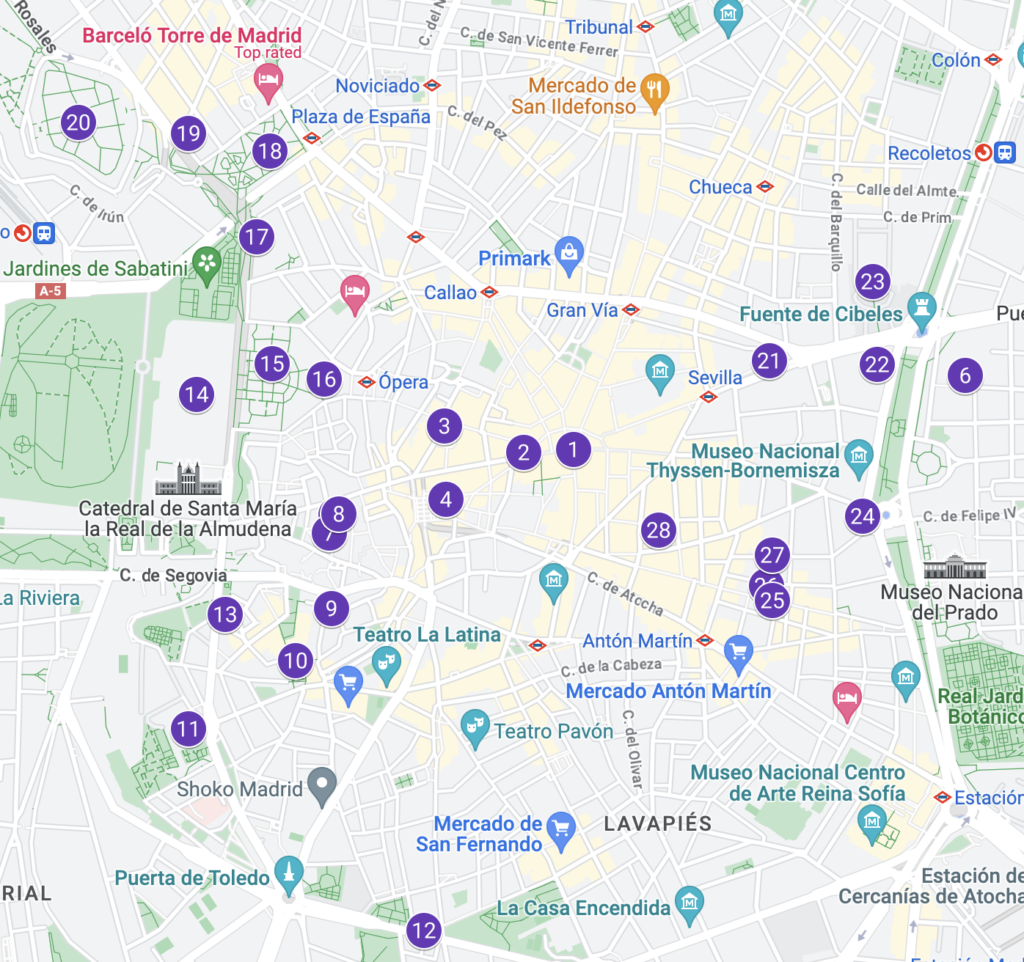
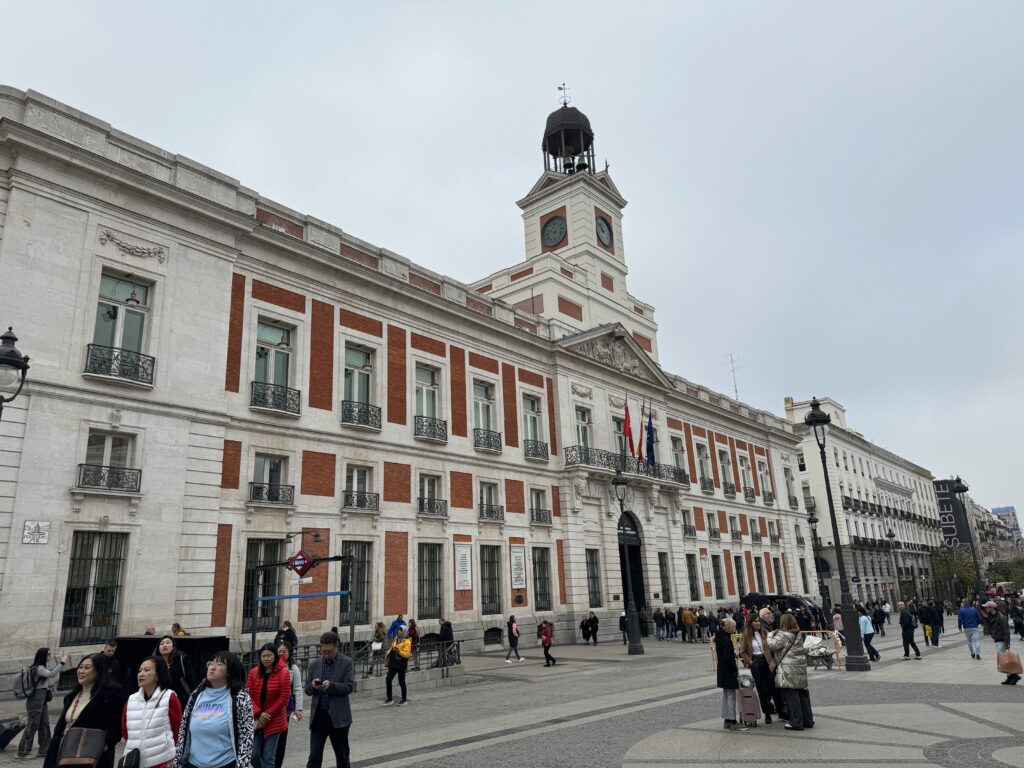
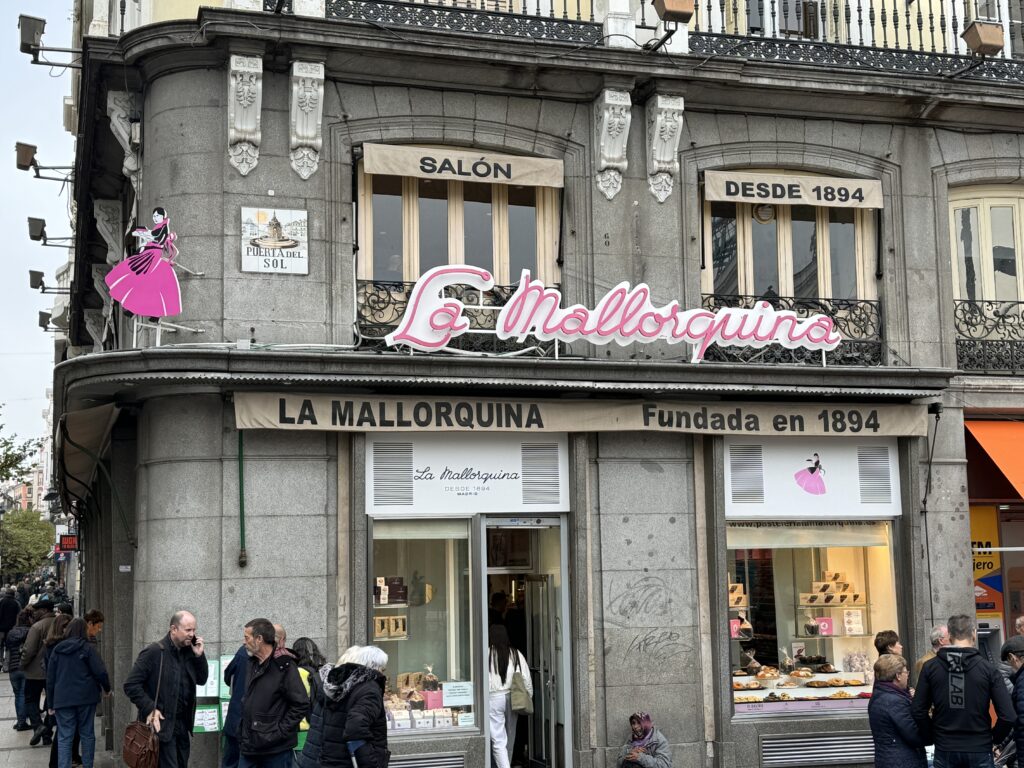
Unless you want to visit the major art galleries first, the best place to start exploring Madrid is the Puerta del Sol Square, officially considered the center of the city. Before you start, we advise you to stop at La Mallorquina to have breakfast with a delicious pastry and coffee.
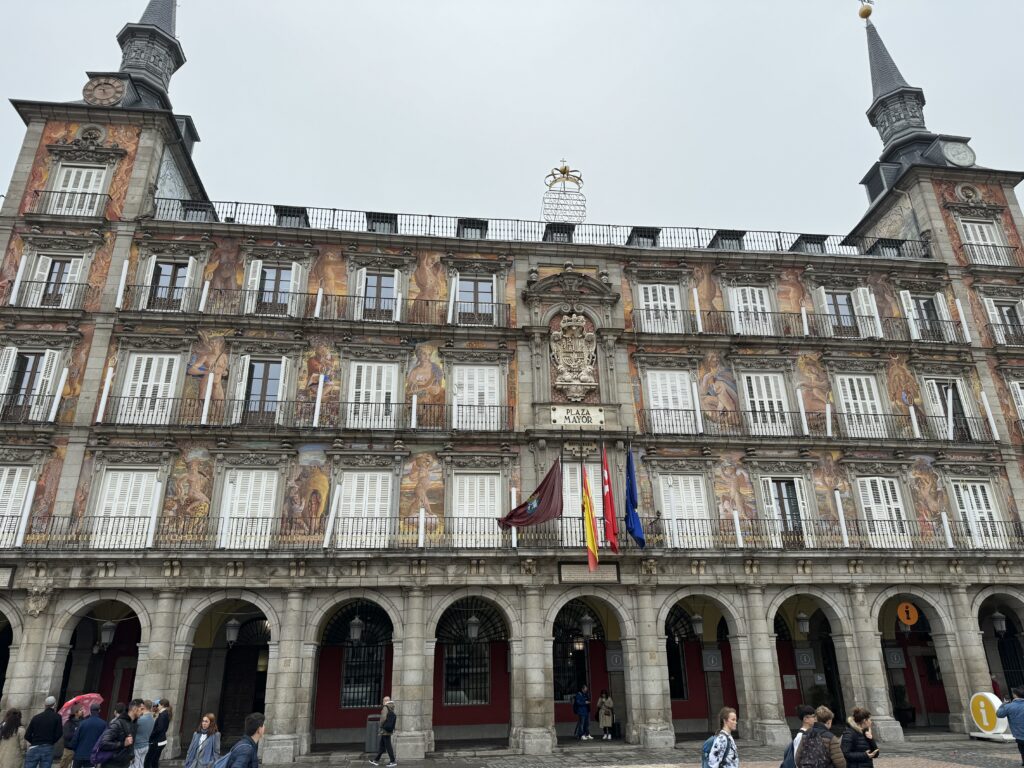
Go up Calle de Preciados and take the second street on the left, leading you to Plaza de las Descalzas. Here, you can admire the baroque portal of the Caja de Madrid Palace, built by the will of King Philip V in 1733 and located in front of the Convent of Descalzas Reales. Continuing south, you’ll reach the San Ginés Church on Calle de los Bordadores, built on the site of one of Madrid’s oldest Christian places of worship, dating back to at least the 14th century. Behind this church is the magnificent Chocolatería de San Ginés, revered by churros and chocolate lovers. Continue to Calle Mayor, cross it, and you’ll arrive at the splendid Plaza Mayor.
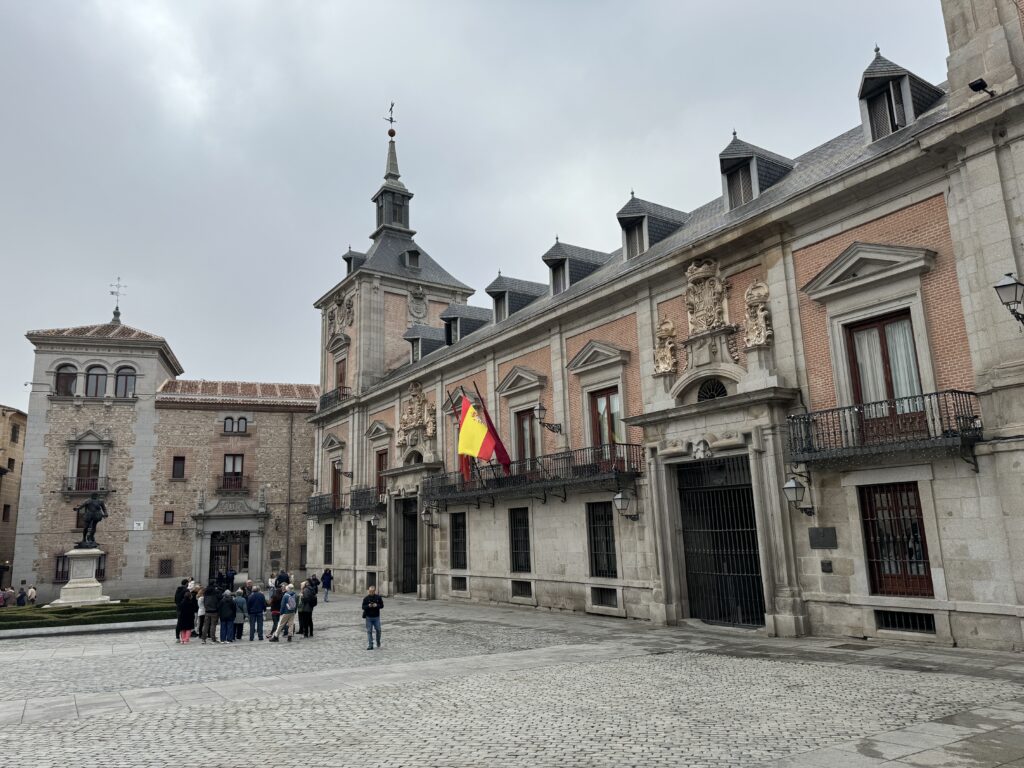
After having coffee in the square, head back to Calle Mayor and proceed west to the historic Plaza de la Villa, where the sixteenth-century Ayuntamiento (City Hall) of Madrid is located. On the same square, you’ll find the Casa de Cisneros, built in the 16th century, and the Gothic Casa de los Lujanes, one of the oldest buildings in the city.
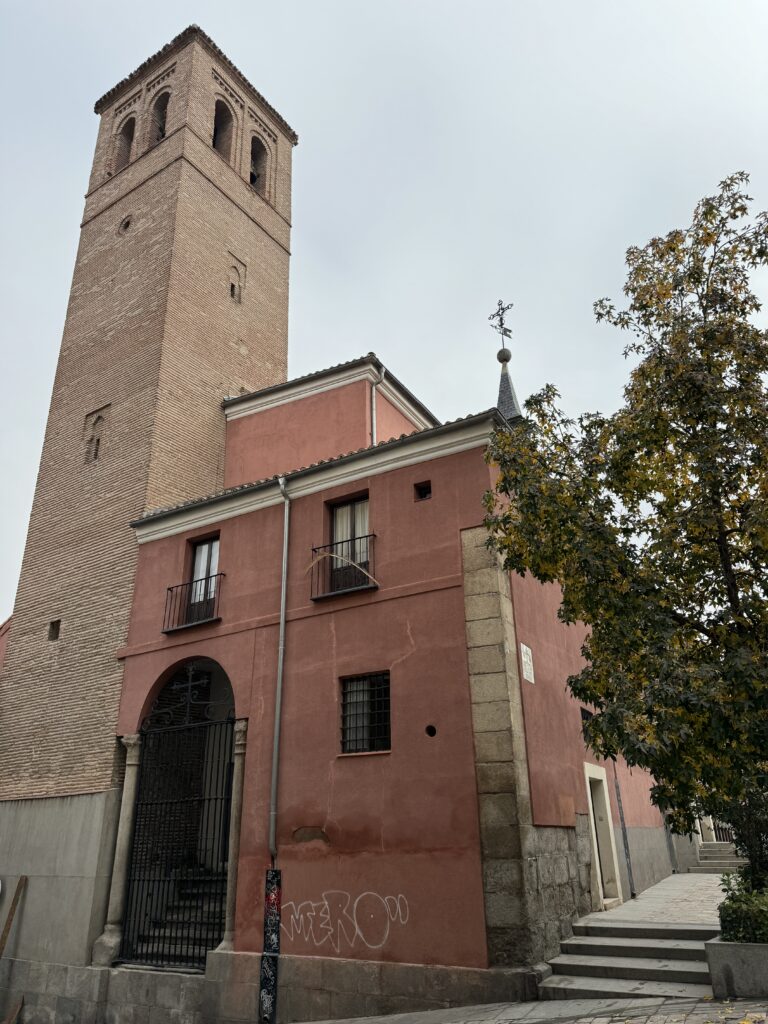
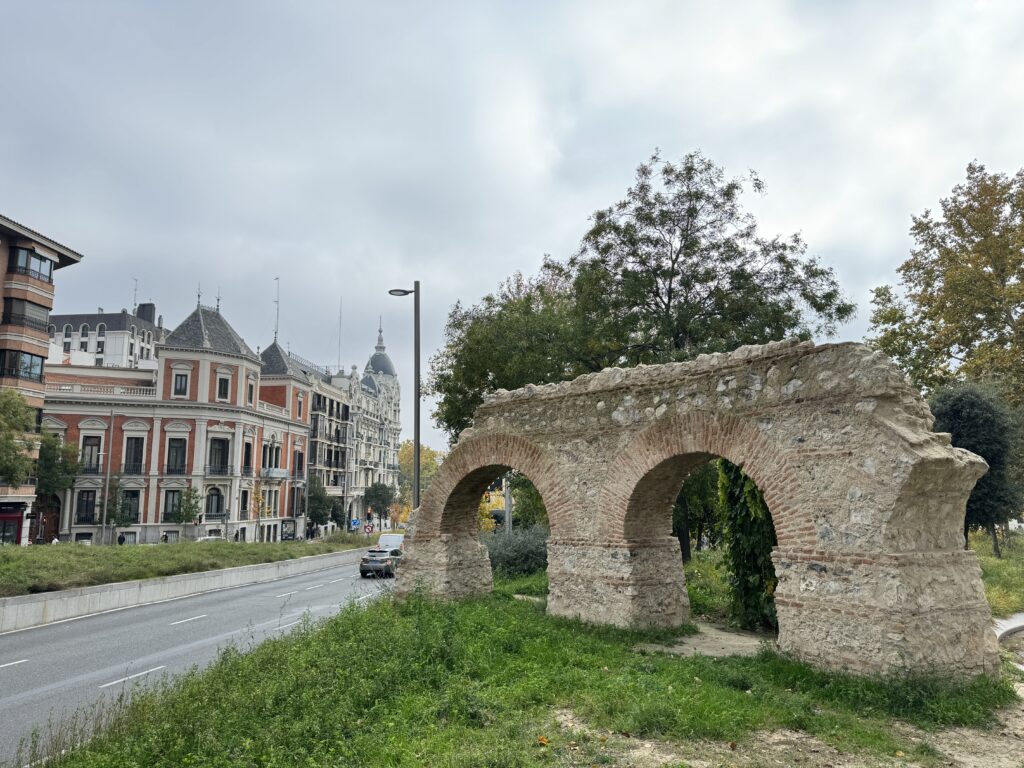
Then, take the street alongside the left side of the Casa de Cisneros. Once you reach the end of Calle del Sacramento, cross it, go down the stairs, and follow the cobblestone Calle del Cordón to Calle de Segovia. You’ll almost be in front of the Mudéjar-style tower of the fifteenth-century Iglesia de San Pedro El Viejo.
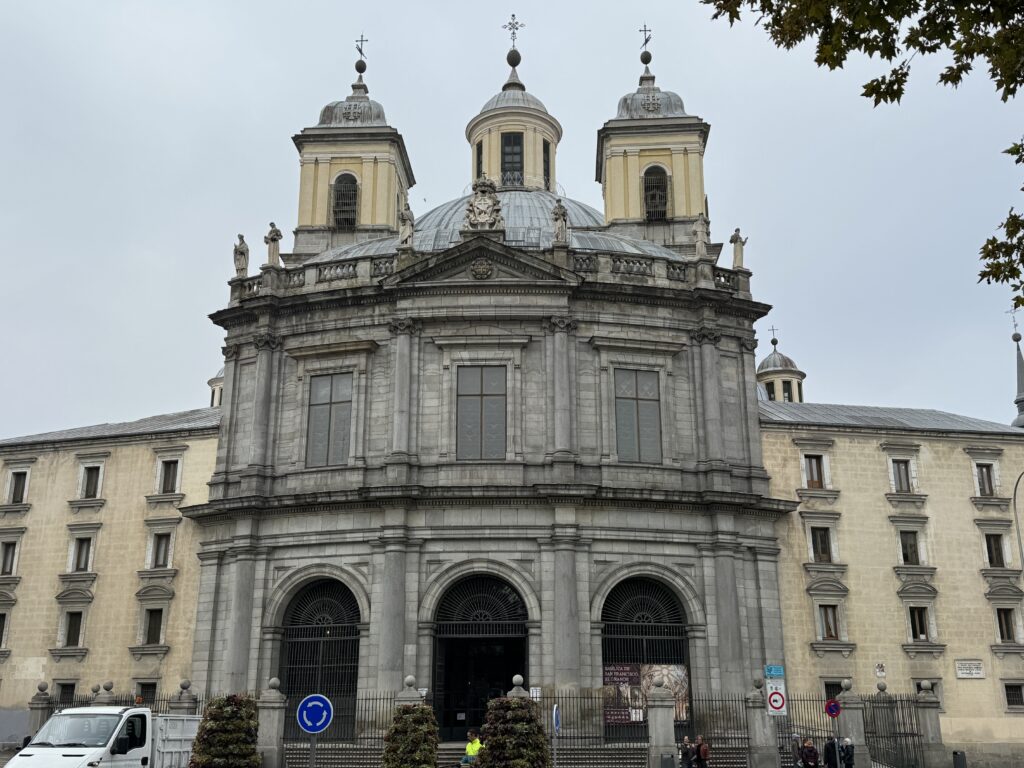
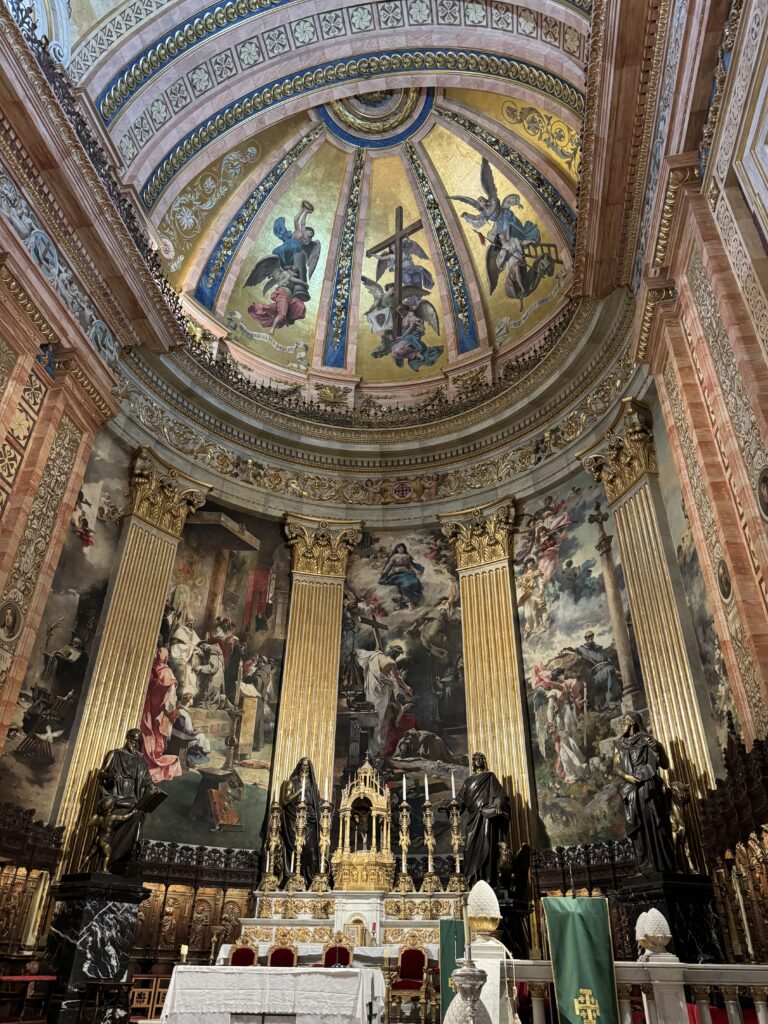
Continuing along Costanilla de San Pedro, you’ll reach the San Isidro Museum, next to the Iglesia de San Andrés, which, for a time, held the remains of Madrid’s patron saint, San Isidro Labrador. From here, you can cross Plaza de la Puerta de Moros and head southwest to reach the Basilica de San Francisco el Grande
From San Francisco el Grande, wander through the small maze of alleys that once made up the Moorish quarter to emerge on Calle de Bailén, where you’ll find delightful terraces. The Ventorrillo Bar (Corral de la Moreria) is probably the terrace in the happiest position, on the edge of the Jardines de las Vistillas. This is a magnificent place to relax while enjoying views of the Sierra de Guadarrama.
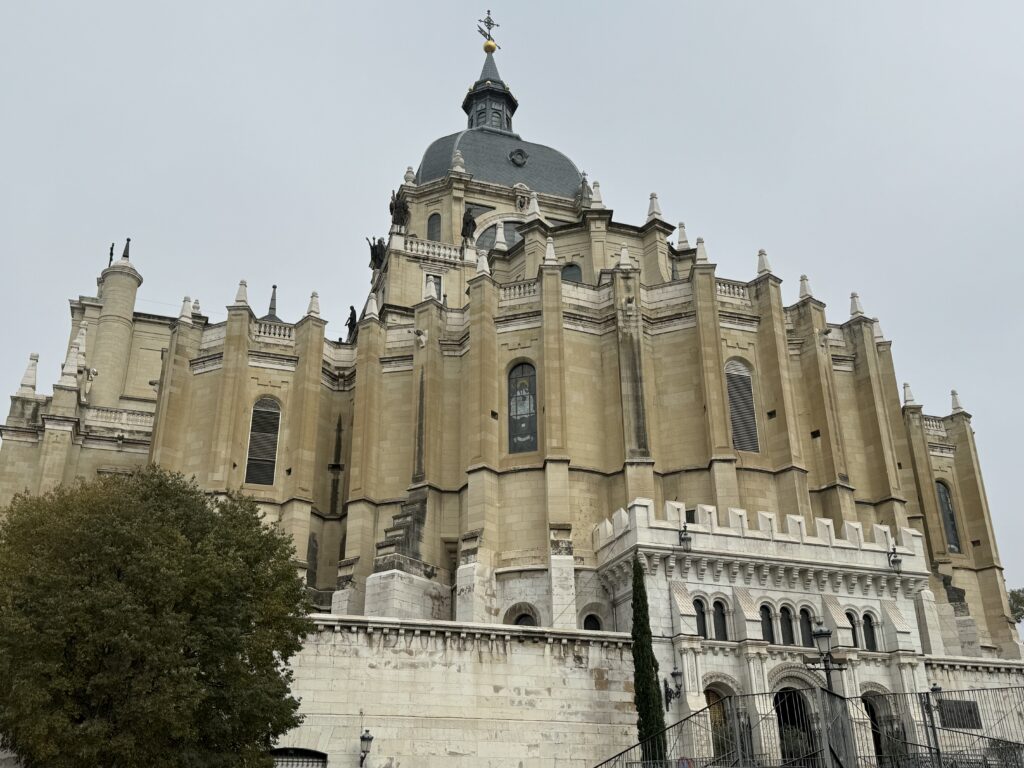
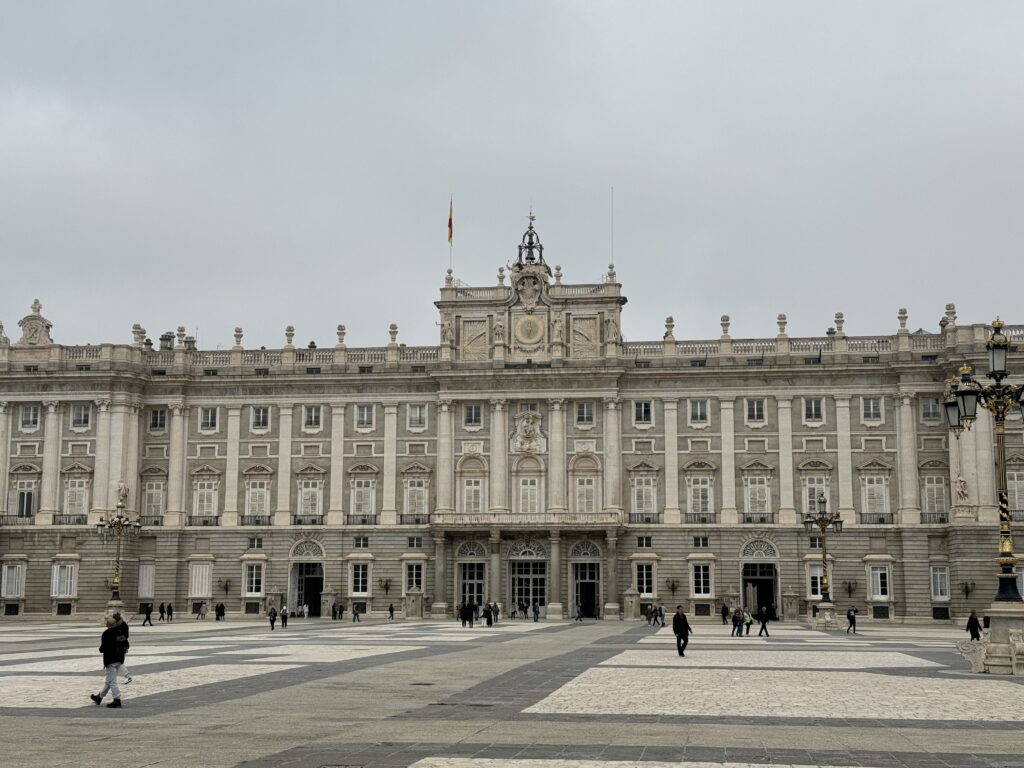
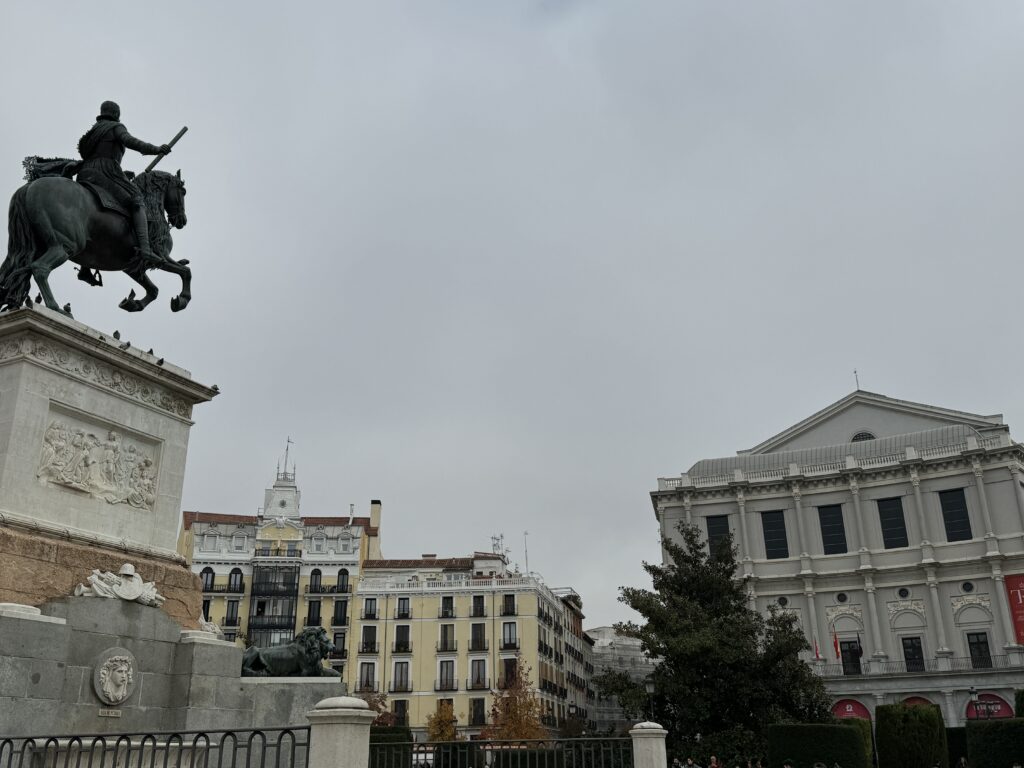
After a refreshing beer, follow the viaduct north to reach the Cathedral of Our Lady of Almudena, the Royal Palace, and the Plaza de Oriente, adorned with statues, fountains, and hedge mazes. The eastern side of the square is bordered by the Royal Theater.
Lorem ipsum dolor sit amet, consectetur adipiscing elit. Ut elit tellus, luctus nec ullamcorper mattis, pulvinar dapibus leo.
Lorem ipsum dolor sit amet, consectetur adipiscing elit. Ut elit tellus, luctus nec ullamcorper mattis, pulvinar dapibus leo.
Lorem ipsum dolor sit amet, consectetur adipiscing elit. Ut elit tellus, luctus nec ullamcorper mattis, pulvinar dapibus leo.
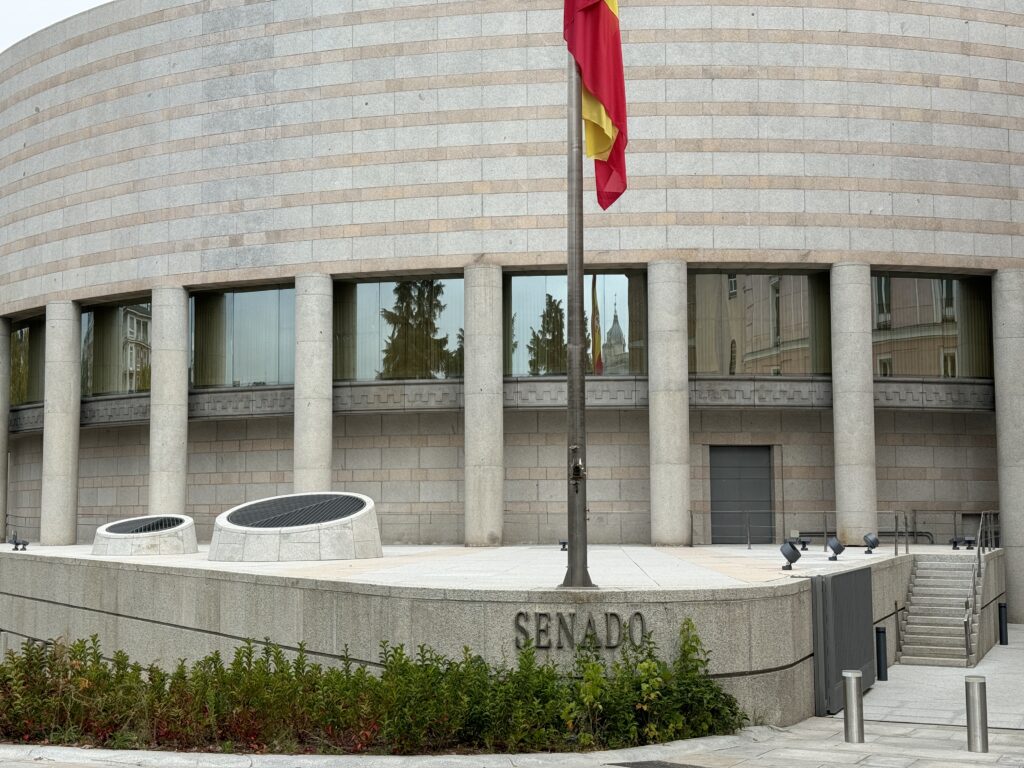
The northern end of Calle de Bailen runs along the Senate. The Senate Palace represents the 17 regions of the country and the Spanish enclaves in North Africa (Ceuta and Melilla). It was converted in the 19th century from a sixteenth-century monastery, underwent significant modifications in the 1840s and again in the 1950s. The modern extension facing Calle de Bailén was built between 1987 and 1991. Continuing from Plaza de España along Calle de Ferraz, you’ll reach the Cerralbo Museum, where you can explore a curious collection, and then the Temple of Debod, an ancient temple transferred here from Egypt.
Return to Plaza de España; the eastern side marks the beginning of Gran Vía, a long avenue reminiscent of the boulevards in Paris. Approximately halfway down Gran Vía, you’ll notice the imposing Telefonica building, easily identifiable as it sits on a hill. At the eastern end of Gran Vía stands the superb dome of the Metropolis Building.
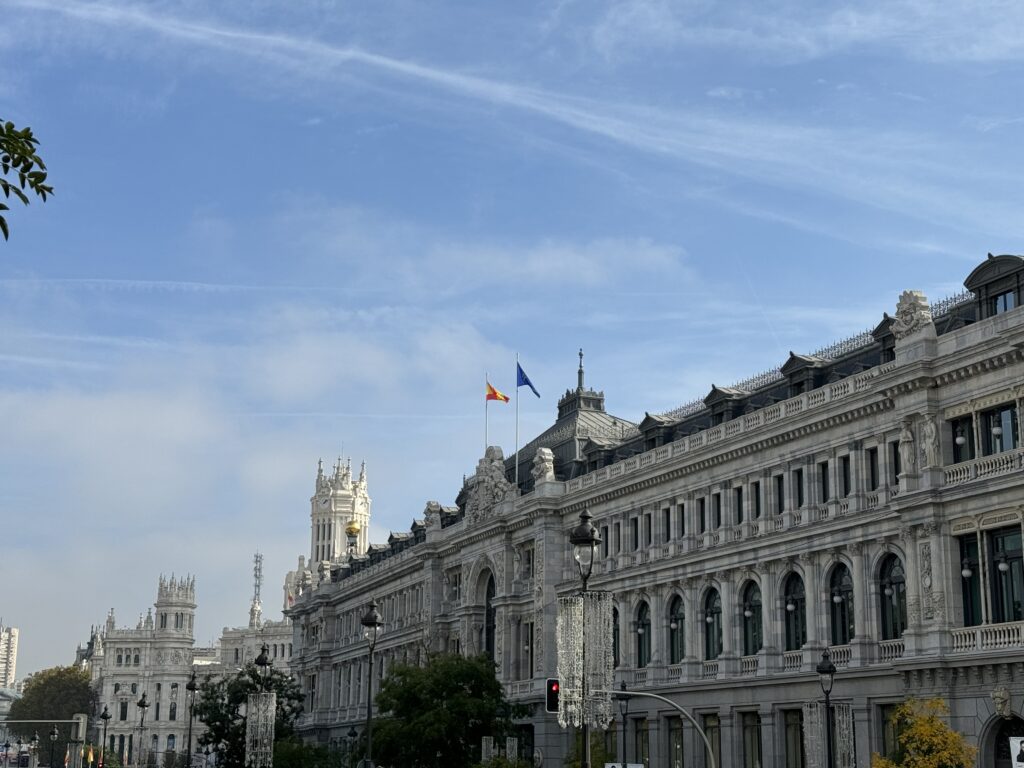
Return to Plaza de España; the eastern side marks the beginning of Gran Vía, a long avenue reminiscent of the boulevards in Paris. Approximately halfway down Gran Vía, you’ll notice the imposing Telefonica building, easily identifiable as it sits on a hill. At the eastern end of Gran Vía stands the superb dome of the Metropolis Building. Continuing east along Calle de Alcalá, you’ll arrive at Plaza de Cibeles, the beloved roundabout for Madrileños. Approaching this square, you’ll see the proud late nineteenth-century building housing Banco de España on the right, while on the left, you’ll notice the gardens of the majestic Buenavista Palace, now the headquarters of the Armed Forces and the Ministry of Defense.
Cross Paseo del Prado to reach the Prado Museum, or continue to Calle de las Huertas (across the tiny Plaza de Platería Martínez). The seventeenth-century Convento de las Trinitarias, where the writer Miguel de Cervantes rests (unfortunately not open to the public), is located. Turn right along Costanilla de las Trinitarias and head north along Calle de San Agustín to Calle de Cervantes, where you’ll turn left. At number 11, you’ll find the Casa de Lope de Vega, the famous Spanish playwright. At the end of Calle de Cervantes, turning left into Calle de León, you’ll find yourself back on Calle de las Huertas. Along this street, in Plaza de Santa Ana and the surrounding alleys, you’ll find numerous places to sit and rest.
Day 2 - Parque del Buen Retiro
After a challenging tour of nearby art galleries, a great way to relax is to immerse yourself in the scaled-down Madrid version of Central Park.
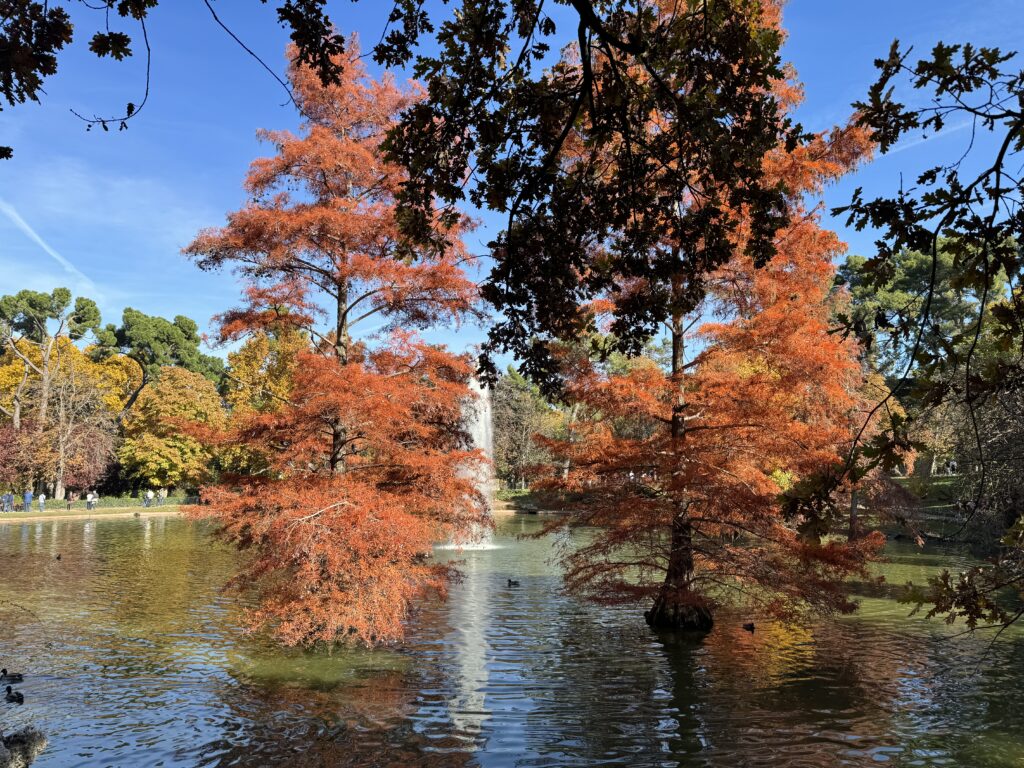
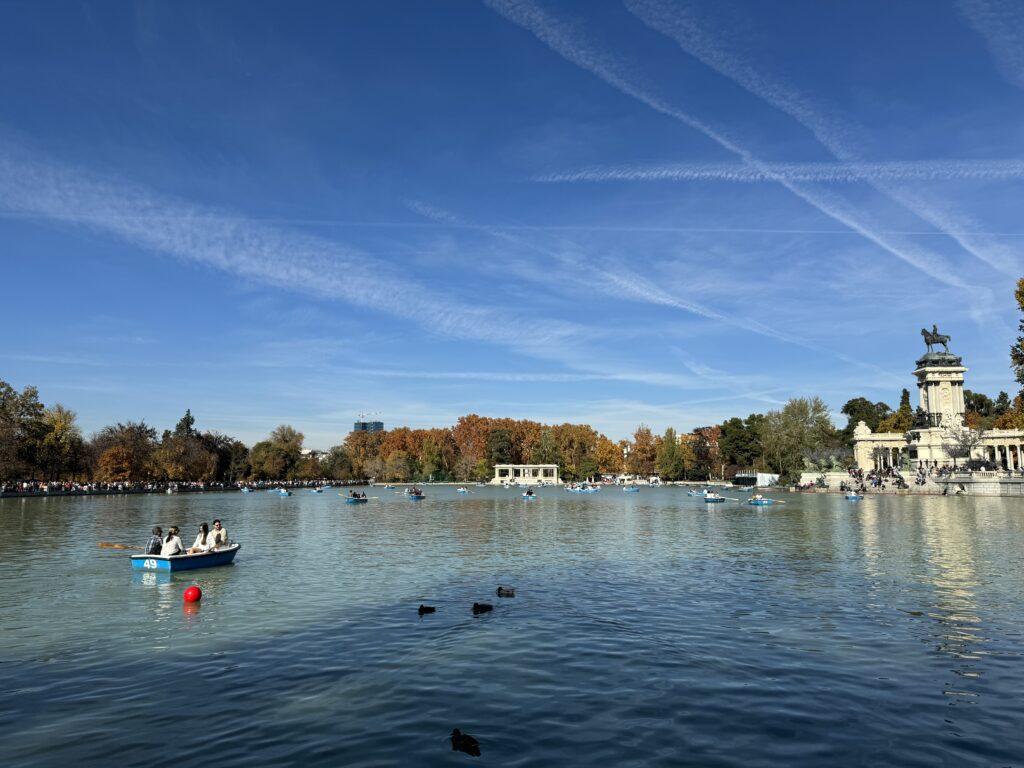
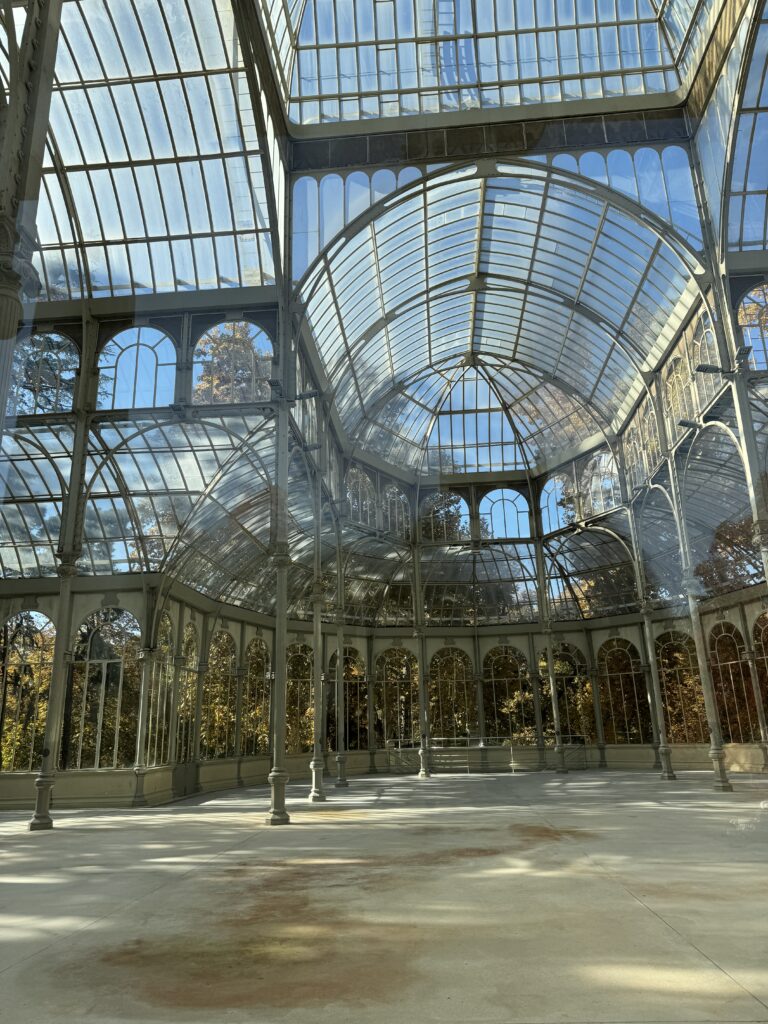
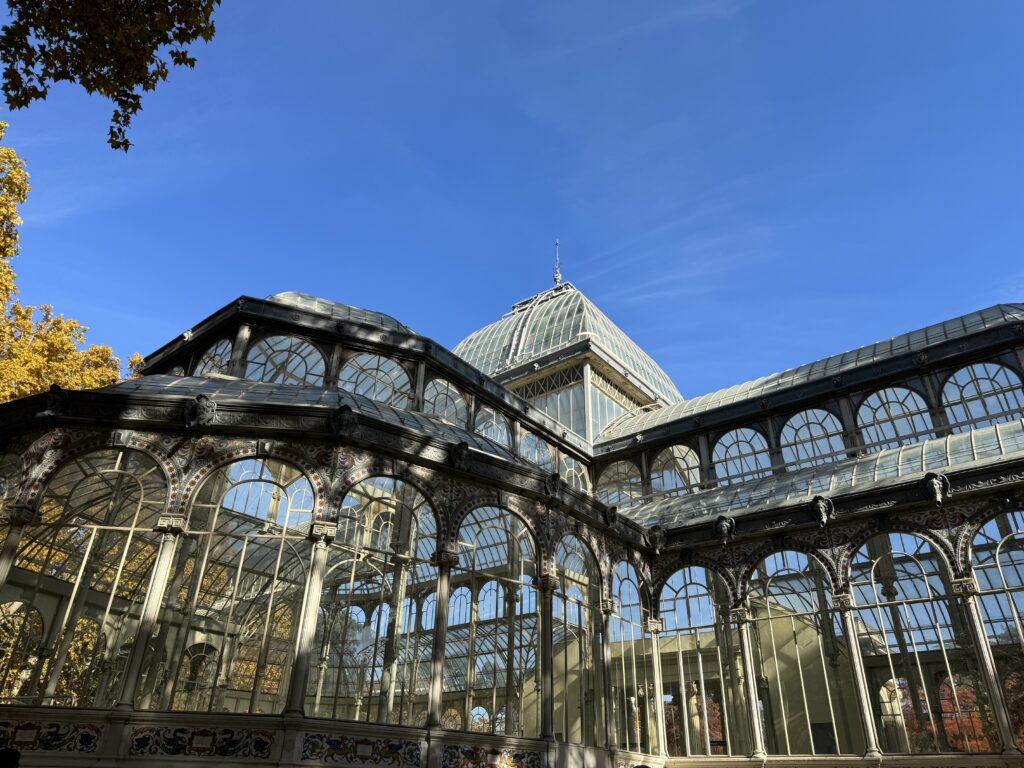
Parque del Buen Retiro is a popular meeting place for families, clowns, bongo players, couples arm in arm, and walking enthusiasts. The gardens are especially busy on weekends when street performers showcase their talents. Once reserved for kings, queens, and court members, the park is now open to everyone. Visitors can also rent rowboats (€4 for 45 minutes) to take a ride on the artificial lake (estanque), dominated by the imposing structure of the mausoleum of Alfonso XII. On the western shore of the lake, you’ll notice a unique structure decorated by Singi: this is the Fuente Egipcia (Egyptian Fountain), where, according to legend, a vast fortune buried by Philip V in the mid-18th century is said to be hidden. However, park authorities have assured us that this is a purely fictional story. On weekends, around the same lake, artists, fortune-tellers, and card readers set up. A couple of structures near the park host art and photography exhibitions, particularly Palacio de Exposiciones. In the summer, puppet shows are also organized (look for the sign ‘Tiritilandia,’ which means ‘Puppetland’). The Palacio de Cristal (2 91 574 66 14; 11-20 from Monday to Saturday, 11-18 on Sunday and holidays from May to September, 10-18 from Monday to Saturday, 10-16 on Sunday and holidays from October to April), a beautiful metal and glass structure located south of the lake, was built in 1887 as a winter garden for exotic flowers. Occasionally, the palace is also used as an exhibition space.
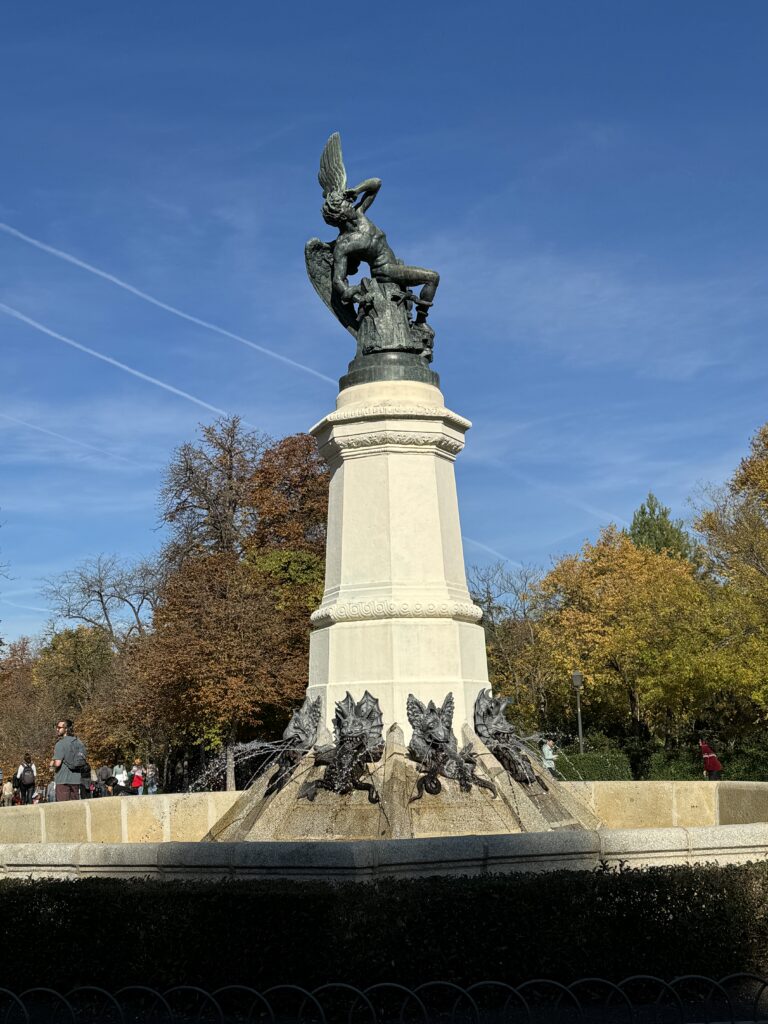
Not far away, the Palacio de Velázquez (@ 91 573 62 45; observes the same hours as the Palacio de Cristal) was built in 1883 for an exhibition on the mining industry and is now used for temporary exhibitions. Another building that occasionally serves a similar purpose is the Casa de Vacas (2 91 409 58 19; (3 11-22). At the southern end of the park, near La Rosaleda (rose garden), a statue dedicated to El Ángel Caído (the Fallen Angel, i.e., Lucifer) has been placed, giving the place a slightly eerie touch. The southwestern end of the park is a well-known meeting point for young homosexuals.
Day 3 - Toledo
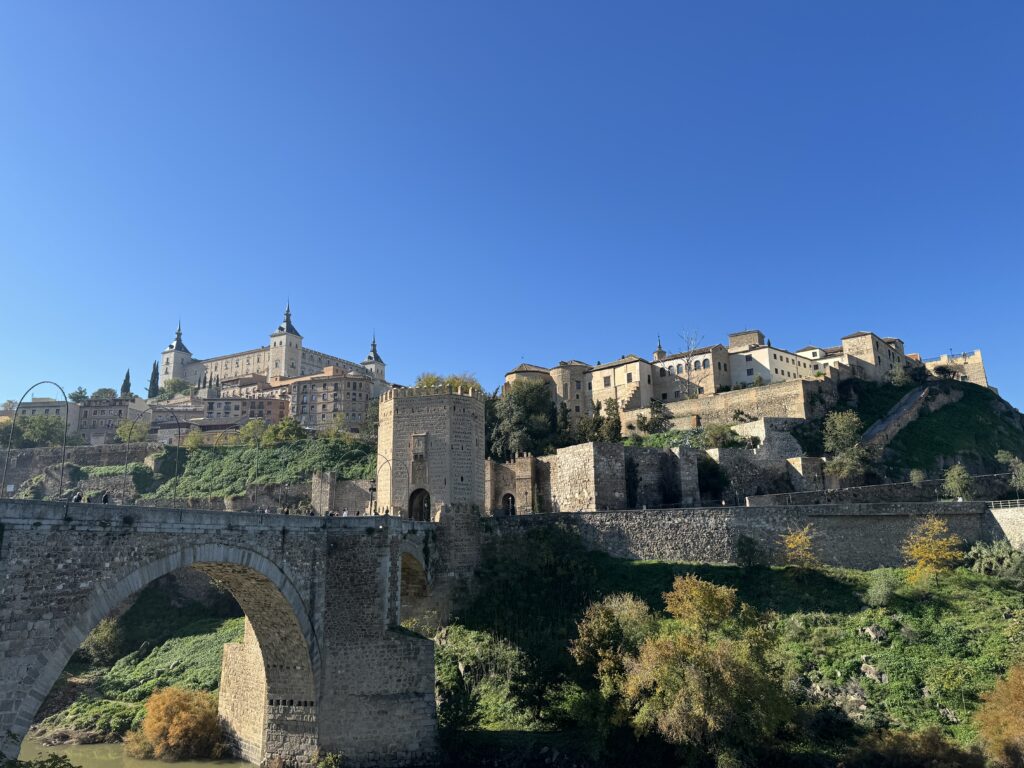
Toledo lacks a true city center; however, Plaza de Zocodover, at the northeastern end of the old city, is a good starting point for your visit. This oddly-shaped square was once the site of an Arab livestock market, and more recently, the main market of the city. Nowadays, it is adorned with café terraces and crowded with tourists on day trips. From here, the imposing fortress of the Alcázar is just a short walk away, it will houses the collection of the Museo del Ejército from Madrid, further expanding the already extensive collection of weapons here.
This site, the highest point in Toledo, was initially a Roman military base, then an Arab fortress, and finally Christian after the reconstruction by Alfonso VI in the 11th century. Later, Charles V converted the squarely structured building into a royal palace and used it to accommodate his guests until it was damaged by a fire in 1710. The palace burned again in 1810 (by Napoleon) and was almost completely destroyed during the Spanish Civil War. When Franco ordered its reconstruction, it was transformed into the military museum you can admire today. This site, the highest point in Toledo, was initially a Roman military base, then an Arab fortress, and finally Christian after the reconstruction by Alfonso VI in the 11th century. Later, Charles V converted the squarely structured building into a royal palace and used it to accommodate his guests until it was damaged by a fire in 1710. The palace burned again in 1810 (by Napoleon) and was almost completely destroyed during the Spanish Civil War. When Franco ordered its reconstruction, it was transformed into the military museum you can admire today.
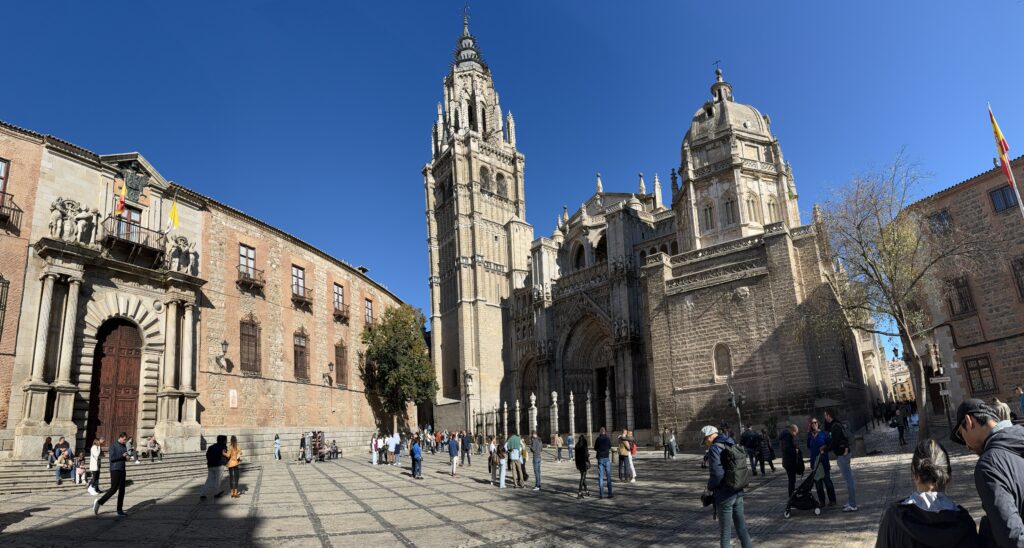
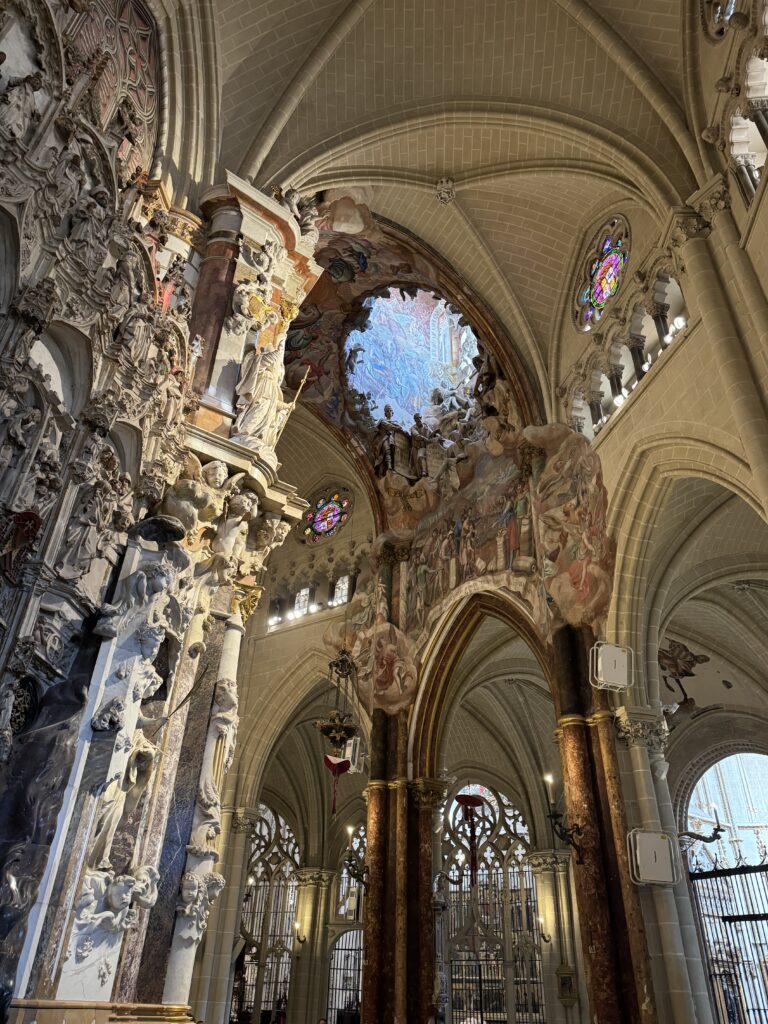
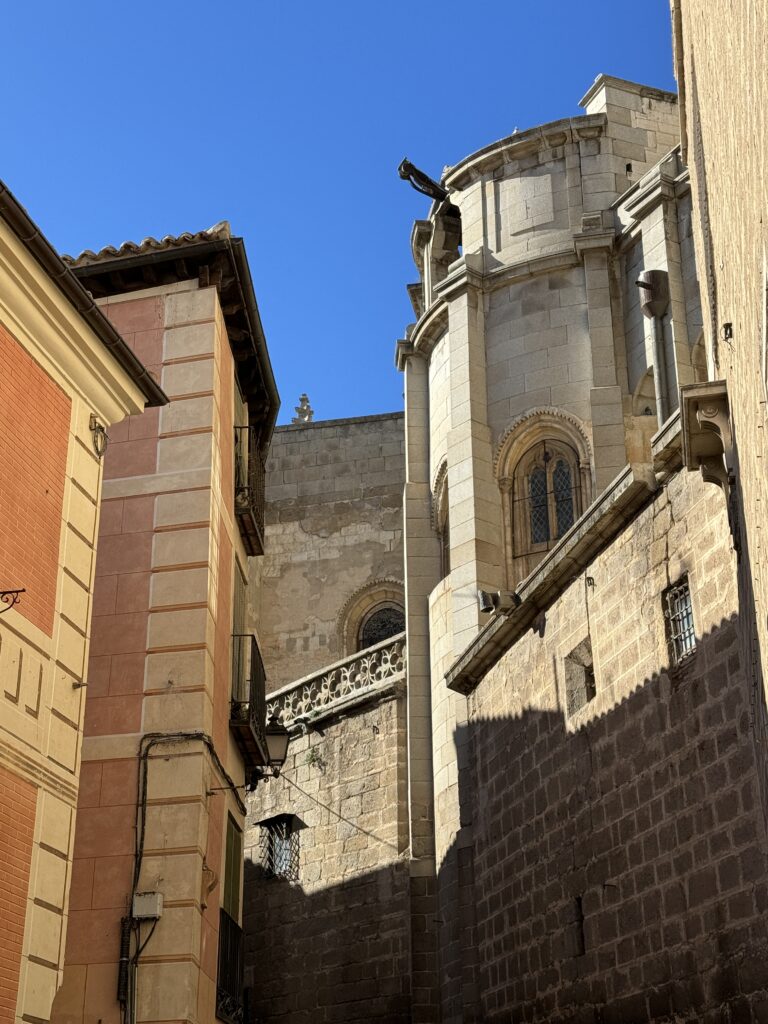
Nearby is the Cathedral, one of the richest and most majestic churches in the world. The essentially Gothic building, with some Mudéjar additions, was constructed in the 13th century on the site of a former mosque. Toledo’s role as the seat of the Church in Spain ensured the cathedral a wide array of patrons, and wealthy Catholics left their mark in the sumptuous decorations visible everywhere. It’s worth exploring all the chapels and side rooms, but the Capilla de la Tome (Tower Chapel) in the northwest corner and the Sacristía (Sacristy) deserve a bit more attention. The latter boasts a graceful vaulted ceiling and a small gallery with works by the painter El Greco (see reading on this page), while the Tower Chapel houses one of the most extraordinary monstrances in existence, the Custodia de Arfe, dating back to the 16th century. With 18 kg of gold and 183 kg of silver, this sparkling mass of metal features a staggering 260 statuettes. Other noteworthy places include the impressive main altar, the Transparente window, and the choir stalls.
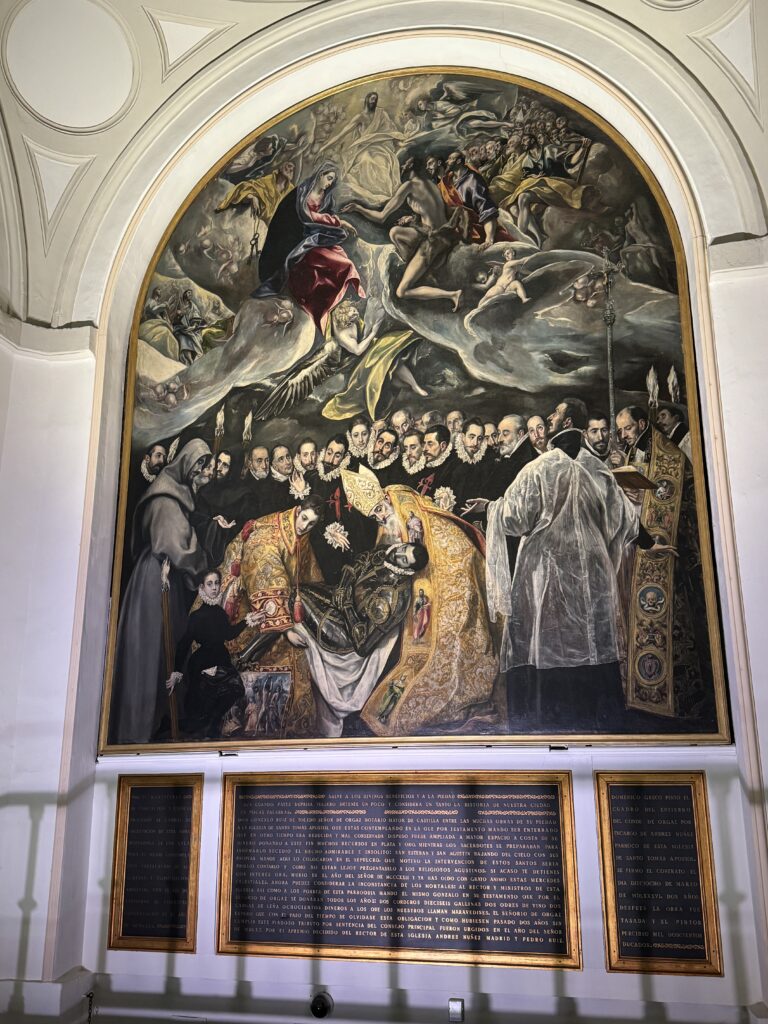
To the southwest of the cathedral is the Judería (Jewish quarter), home to the synagogues of the old city and the heart of the route that retraces the life and works of the painter El Greco. The first stop is the Iglesia de Santa Tomé, where one of El Greco’s masterpieces, El Entierro del Conde de Orgaz (The Burial of the Count of Orgaz), is displayed. The painting tells the legend of the pious count’s funeral in 1323 when St. Augustine and St. Stephen appeared to bury the body in the tomb. The bearded man immediately above St. Stephen (the younger of the two saints in golden clothes) could be a self-portrait of the painter.
Continue El Greco’s itinerary and head towards the Casa-Museo del Greco. This house is not necessarily where the painter lived, but it is decorated in the style of the time. At least twenty of his minor works are exhibited here, along with paintings by his contemporaries. More works by the painter can be found in the Museo de Santa Cruz, near Plaza de Zocodover.
Born in Crete in 1541, Domenikos Theotokopoulos (El Greco) moved to Venice in 1567 to apprentice as a Renaissance artist. Under the influence of masters like Tintoretto, he learned to paint dramatic scenes with few colors, directing the observer’s interest to the faces of the characters he portrayed, leaving the rest in relative darkness—a characteristic that later became one of his distinctive traits. Starting in 1572, he devoted himself to the study of Roman Mannerism and the works left by Michelangelo.
Theotokopoulos arrived in Toledo in 1577 with the hope of securing a commission at El Escorial, but things took a different turn as Philip II did not want him as a court artist. In Toledo, the painter began to work in a style completely different from that of local artists, attracting a wealthy clientele willing to pay high prices for his works. His high opinion of himself and his work, however, drew the hostility of the cathedral administrators, the first among many clients to drag the artist to court to justify his decidedly high fees.
El Greco enjoyed a luxurious lifestyle and took up residence on Paseo del Tránsito, where his meals were often accompanied by performances by musicians. With the decline of Toledo’s fortunes, El Greco’s economic situation also suffered a setback. Although his later works are among his most beautiful, the painter often struggled to gather the money needed to pay rent. He died in 1614, leaving traces of his presence throughout the city, where many of his masterpieces are still located.
Beyond the Casa-Museo del Greco, you will encounter the interesting Museo Sefardí, housed in the Synagogue of El Tránsito, one of the best-preserved remnants of Jewish Spain. This peculiar combination of names refers to the ‘Virgen del Tránsito,’ the name given to this place of worship when it was consecrated as a Christian church. Some breathtaking sculptures adorn the walls, and the museum is an ideal place to deepen your knowledge of Jewish life in medieval Spain.
For a glimpse into Muslim Toledo, head to the Cristo de la Luz Mosque. During the Muslim rule, there were 10 mosques in the city, but this one, a characteristic example of their style, is the only survivor. Don’t miss the horseshoe-shaped arches, both inside and outside, and the inscriptions on the interior walls.