United Arab Emirates

  • Middle East,  Places,  United Arab Emirates

    Abu Dhabi

    OK, so it’s finally happening. After all that bragging and boasting on the phone the time has arrived to show off the brilliant UAE capital to all our friends and family.

    There is a lot to consider as we prepare to play tour guide in the city; never fear, though, there is so much to be proud of in our amazing emirate and enough activities to fill a lifetime of holidays. The hardest thing might be deciding what not to do. Let’s embrace our visitors and treat them to an unforgettable getaway – Abu Dhabi style.

    Whether you’re here on holiday, you’re new to the country or you’ve been here a while, your time in Abu Dhabi still requires some careful planning. There’s just so much to do here you can’t possibly experience absolutely everything that’s cool about this city in only seven days. So to help you make the most of your stay, here are our top tips for the perfect week in the capital.

    Day 1 - Corniche, Emirates Palace and Heritage village

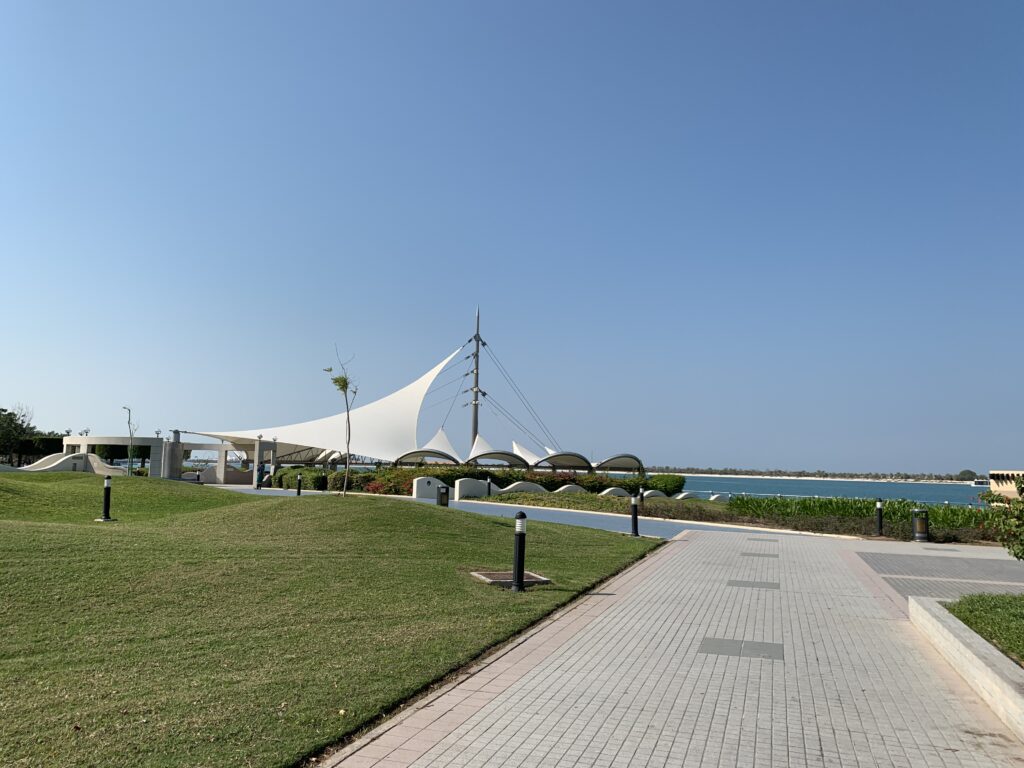
    Let’s start the day by enjoying a scenic stroll through the Corniche. The Corniche is one of the most beautiful stretches in the UAE, made up of an eye-catching 8 km of manicured waterfront lined with cute cafes, play areas and an award-winning beachfront. Part of the appeal of a holiday in Abu Dhabi is the lovely weather, so why not kick off your week with a good old-fashioned sunbathing session? The city has so many brilliant beaches to choose from, but the huge Corniche is a great place to start. It doesn’t cost a single dirham to access and the pathway to of the Corniche Park are perfect for jogging, walking or cycling on. It boasts a huge inflatable waterpark, an outdoor gym, yoga classes and loads of food trucks.

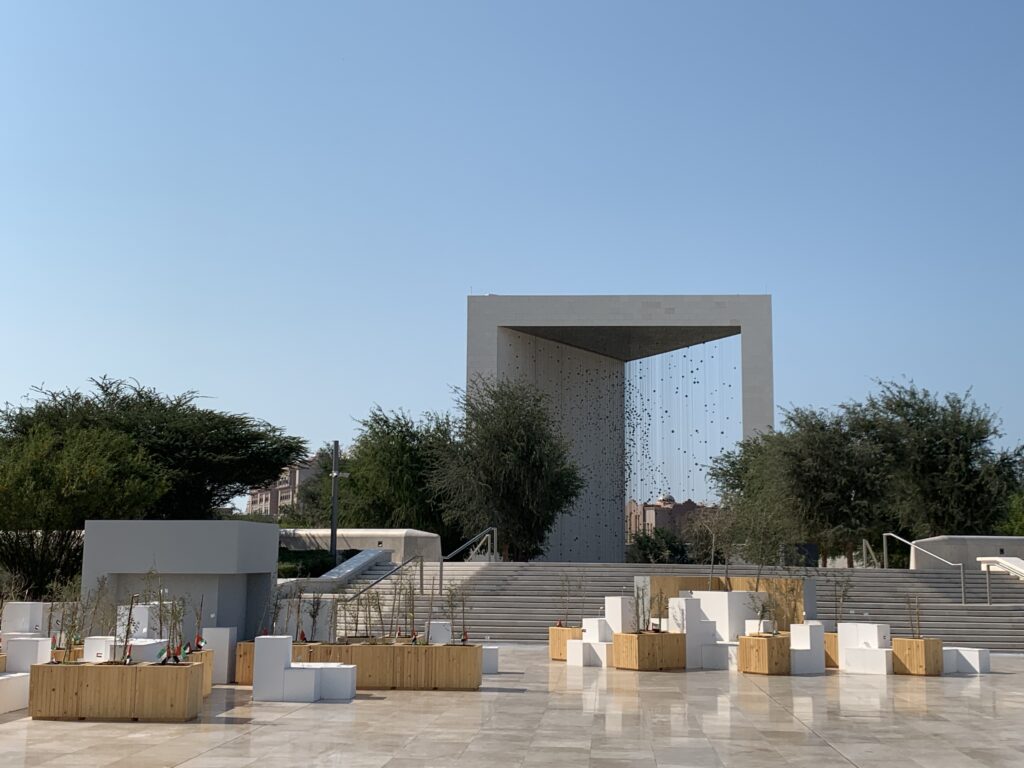
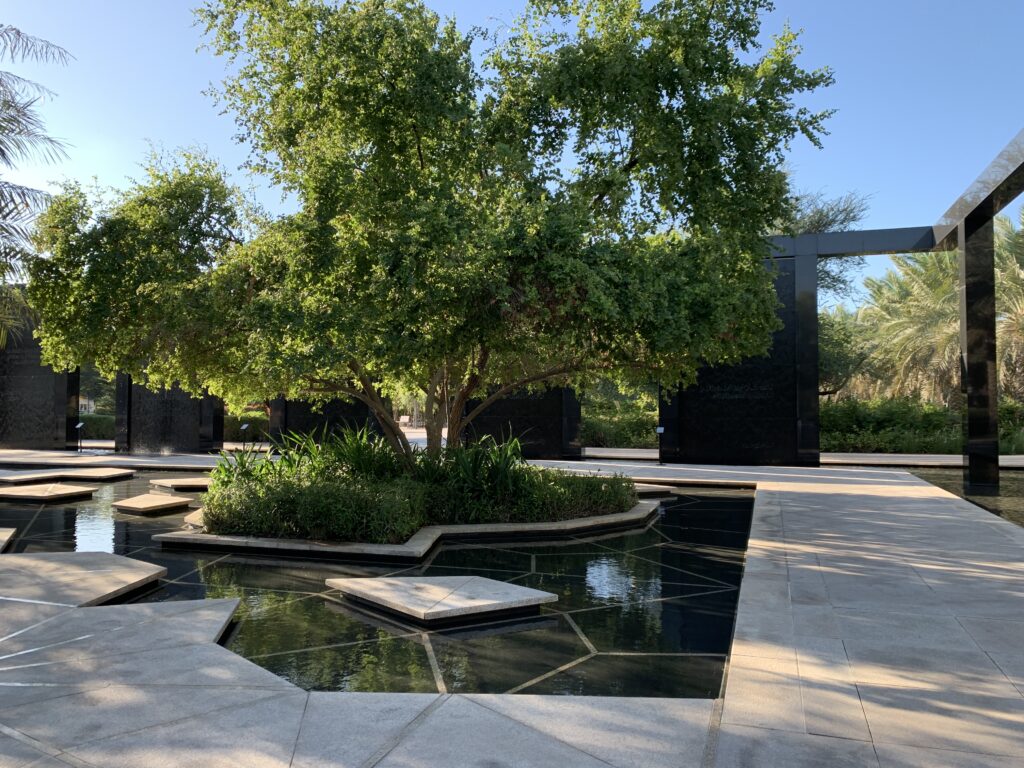
    While walking along the Corniche it’s impossible to miss the Founder’s memorial is a permanent tribute of the late Sheikh Zayed bin Sultan Al Nahyan, the founding father of the UAE and a great place to learn about him through art, nature, words, stories and multimedia experiences. The centerpiece of the memorial is a public artwork named The Constellation, a dynamic 3D portrait of Zayed that can be experienced differently from around the city.

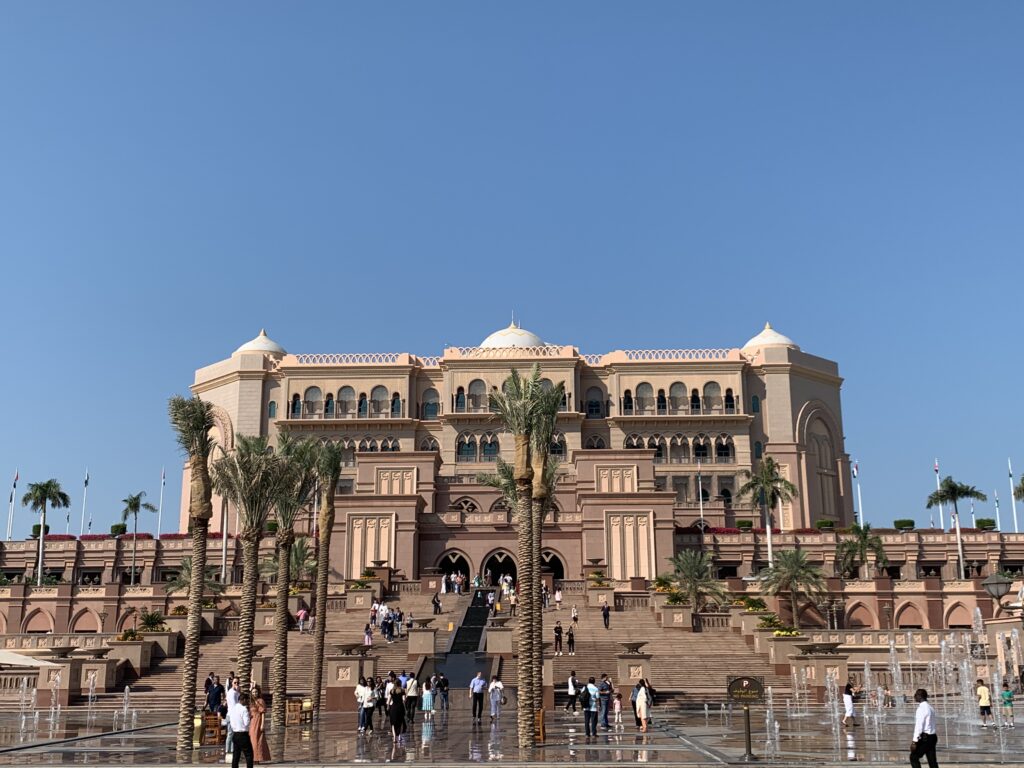
    From the end of the Corniche, a 5 minutes walk will take you to Emirates Palace, possibly the most opulent of Abu Dhabi’s hotels. It’s worth a visit just to see the beautiful building and amazing grounds. But if you can keep a couple of hours free in your afternoon for the most majestic, gasp-inducing of afternoon tea experiences, make a royal appointment at Emirates Palace. The Royal Afternoon Tea Affair is a step above the usual cucumber sandwich fare, too, with luxurious bites such as 24k gold-crusted salmon sandwiches on pumpernickel bread, king crab on brioche, plus freshly baked scones and decadent dessert.


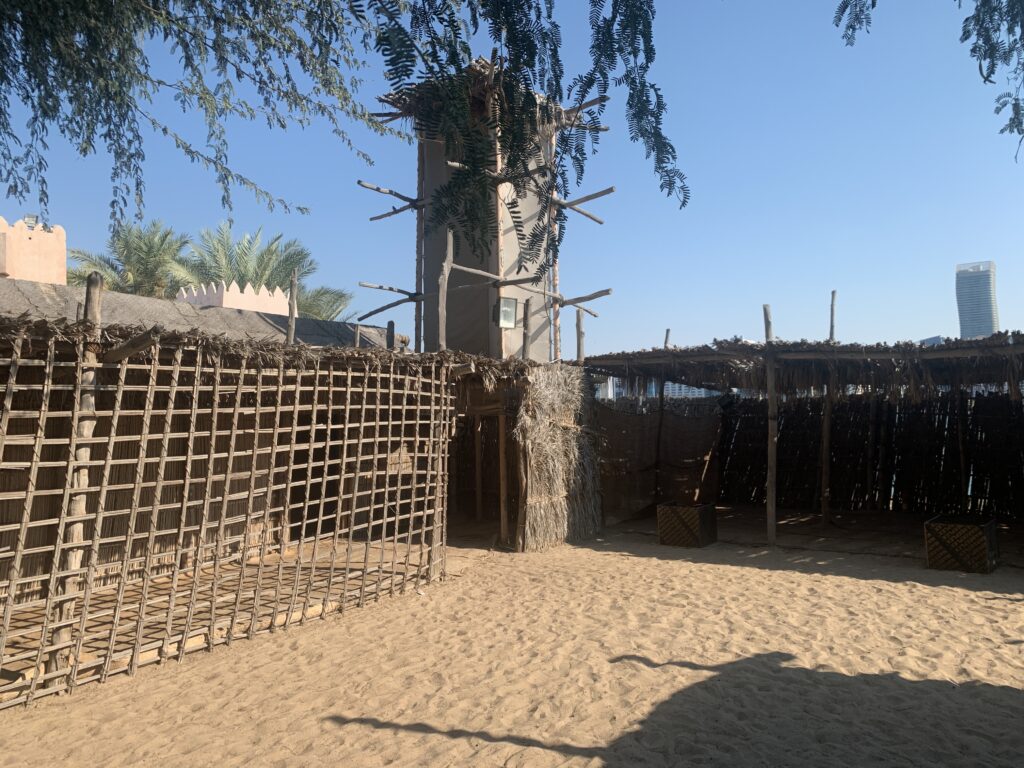
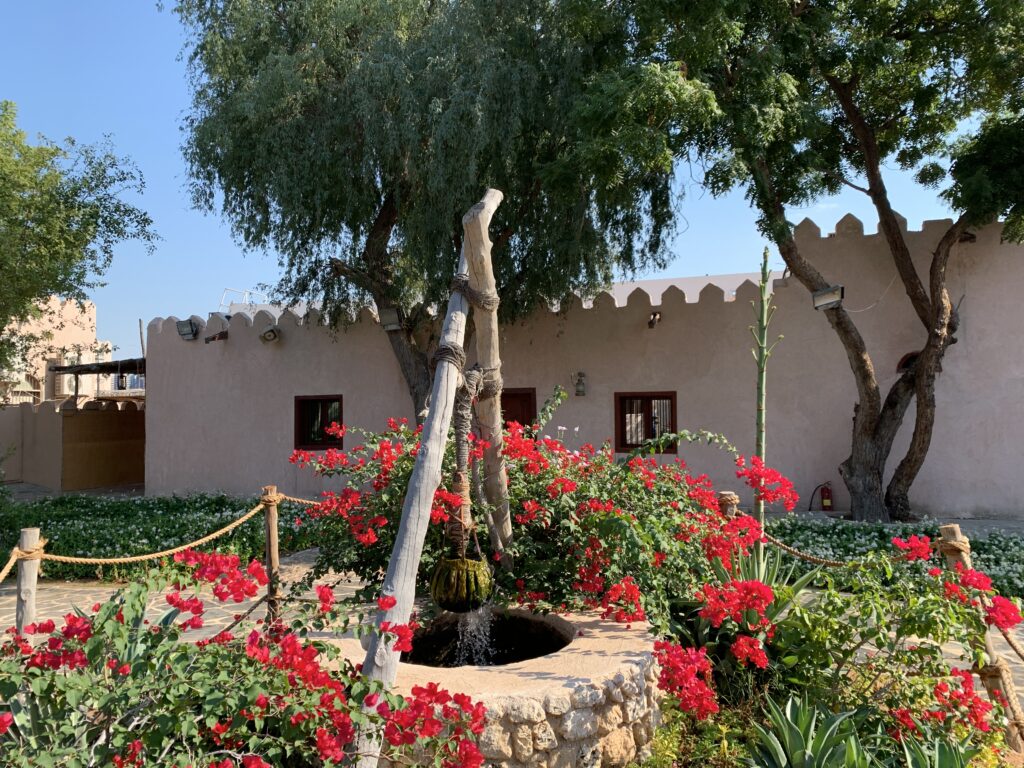
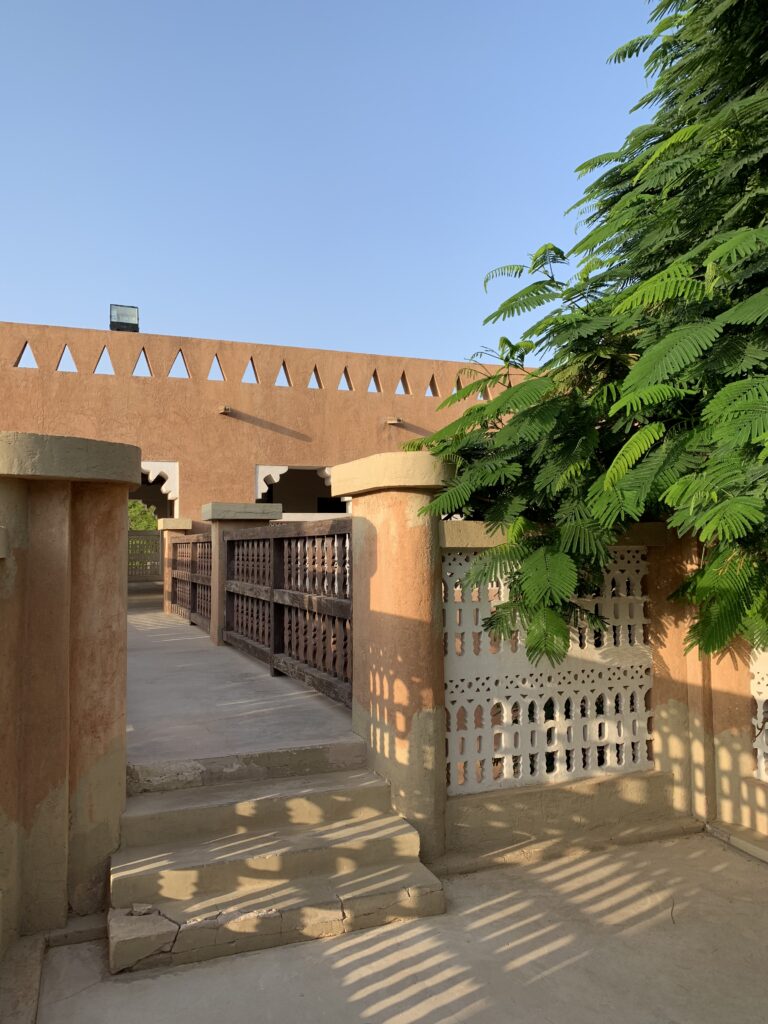
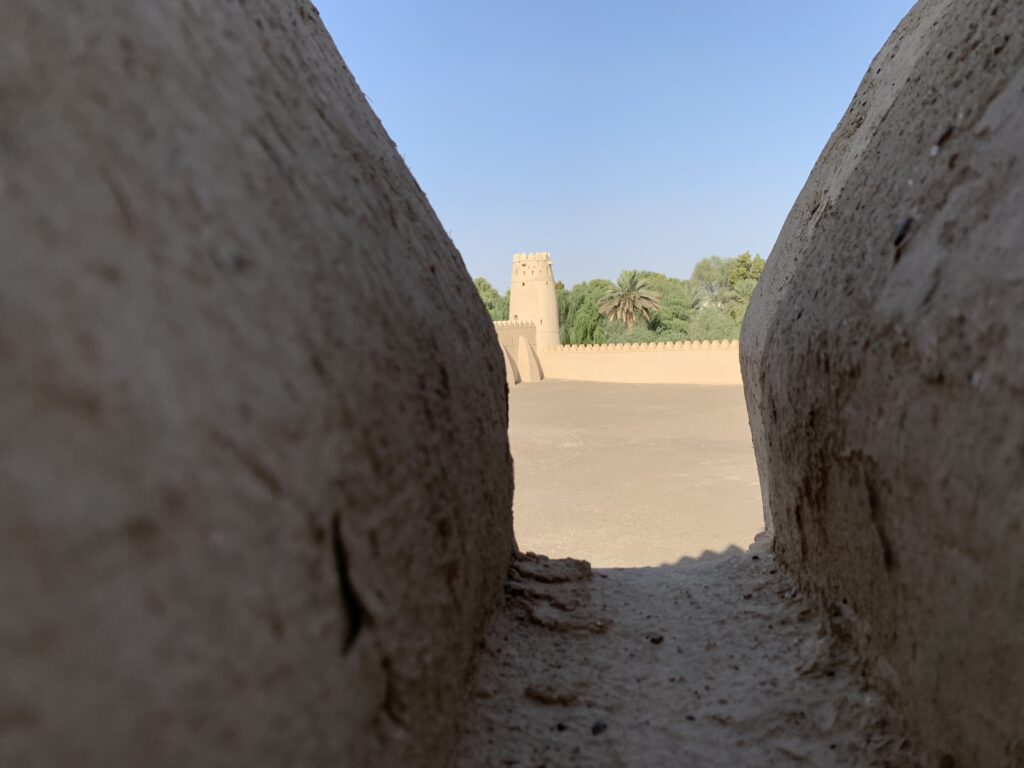
    With your belly full, take a taxi to  the Heritage Village fora blast with the past. Embracing the vibrant, progressive and thoroughly modern Abu Dhabi is brilliant, but it is nice to take a glimpse into the past now and again, too. Modern-day Abu Dhabi is glitzy, lively and buzzing with excitement. But it’s fascinating to see what it was like before it was transformed into the bustling metropolis that it is today. You can retrace the steps of the emirate of a bygone era at Heritage Village, a faithful reconstruction of a traditional oasis on the Corniche breakwater. Replicating everyday life in the pre-oil era of the UAE, this walled complex contains a fort (used to repel invaders from the sea), a souk (for trading goats and other goods), and a mosque. Check out the open museum to get up close with traditional aspects of the desert way of life, from a goat’s hair tent to a campfire with coffee pots. Visitors can also get a first-hand look at a series of workshop where craftsmen showcase skills such as metalwork, glass blowing, pottery, weaving, spinning and pottery before picking up mementos at the spice shop, which offers a wide range of dried herbs, handmade soaps and treasured trinkets. This is a fun way of learning about the history of the city, and it doesn’t cost a thing.

    Day 2 - Louvre, Manarat, Mangroves national park

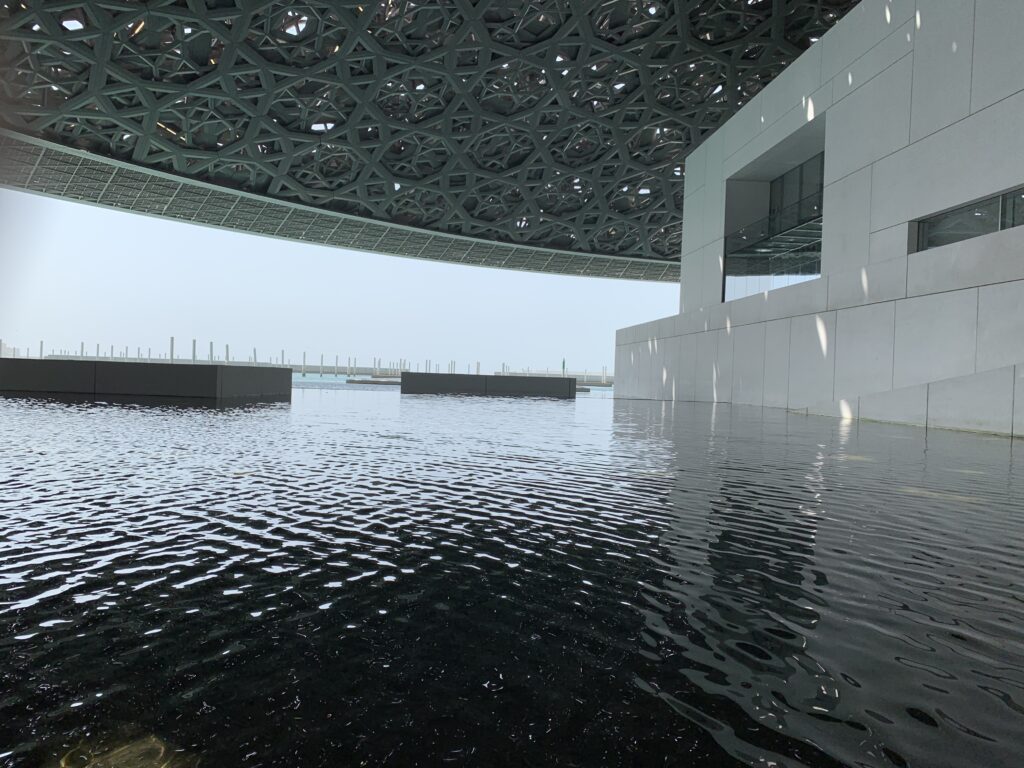
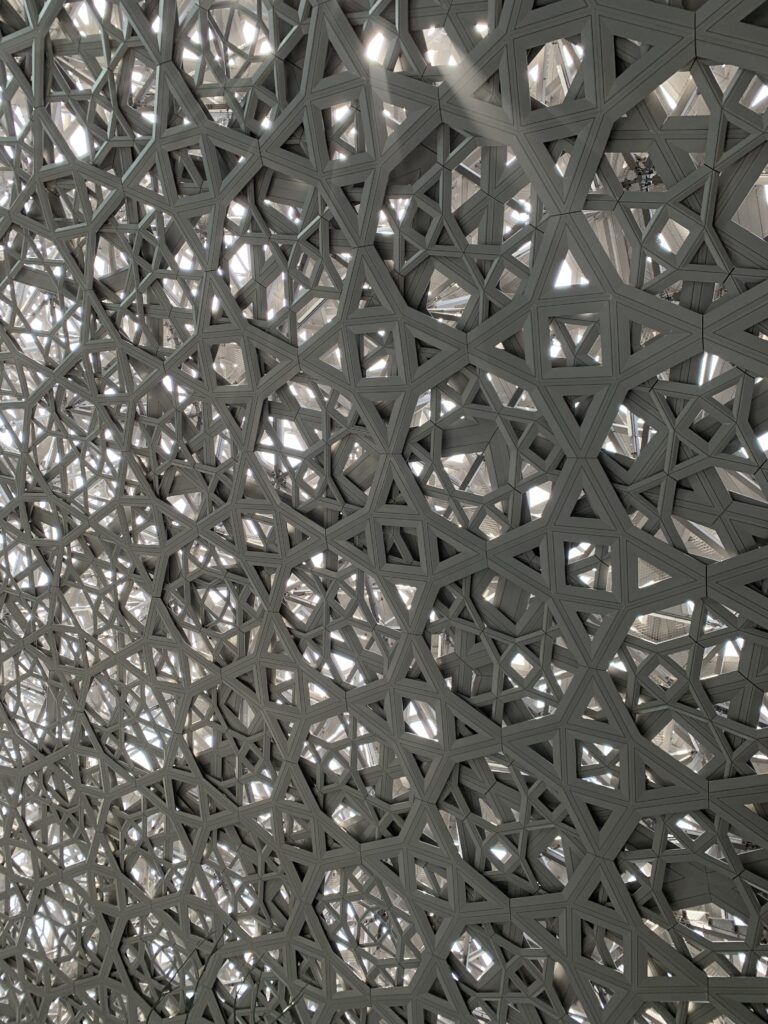
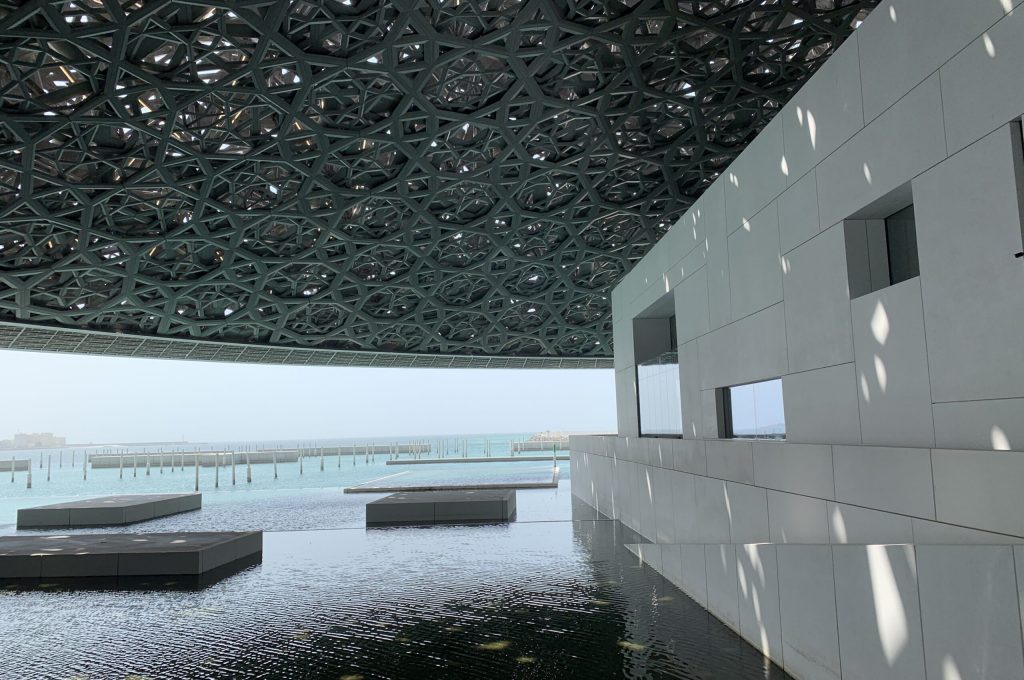
    Since opening in November 2017, the Louvre Abu Dhabi has been named one of the Seven Urban Wonders of the World. This dream development that was more than a decade in the making has proved well worth the wait. The structure of the museum really is beautiful. Before you even start to examine the amazing objects that are housed inside, you’ll be totally wowed by the building. Designed by French architect Jean Nouvel, this is the kind of building that was made for Instagram. The Rain of Lightroof is made from thousands of metal stars, and when the sun filters through the gaps, the effect is absolutely stunning. Just walking around the promenade, looking out over the water and photographing the cool tree statue and other striking piecese of art is a brilliant experience on its own. Then when you get inside, the collection of more than 900 incredible artworks and artefacts is out-of-this-world amazing. The landmark venue is home to hundreds of incredible works of art, spanning centuries and civilizations, from artistic visionaries such as Van Gogh and Andy Warhol to Leonardo da Vinci. 

    However, Louvre Abu Dhabi is not he sole artistic hub of Saadiyat Island. A short taxi ride will take you to Manarat Al Saadiyat. There’s always so much going on at this arty hub. Whether you’re into music, cinema. Art, or just want to work on your own creative skills, you’ll find something to capture your interest at Manarat Al Saddiyat. This establishment was the first piece in the Saadiyat Cultural district jigsaw, and its program is always full of workshop, gigs, art fairs and other special events. Head to the drop-in studio to have a go at creating your own work of art for 30 dirhams. All the materials are provided and art instructors are on hand to offer inspiration. Meanwhile, the Cinema Space is a legendary Abu Dhabi institution. Free screenings of restored classics and contemporary world films are shown every Monday and Saturday.

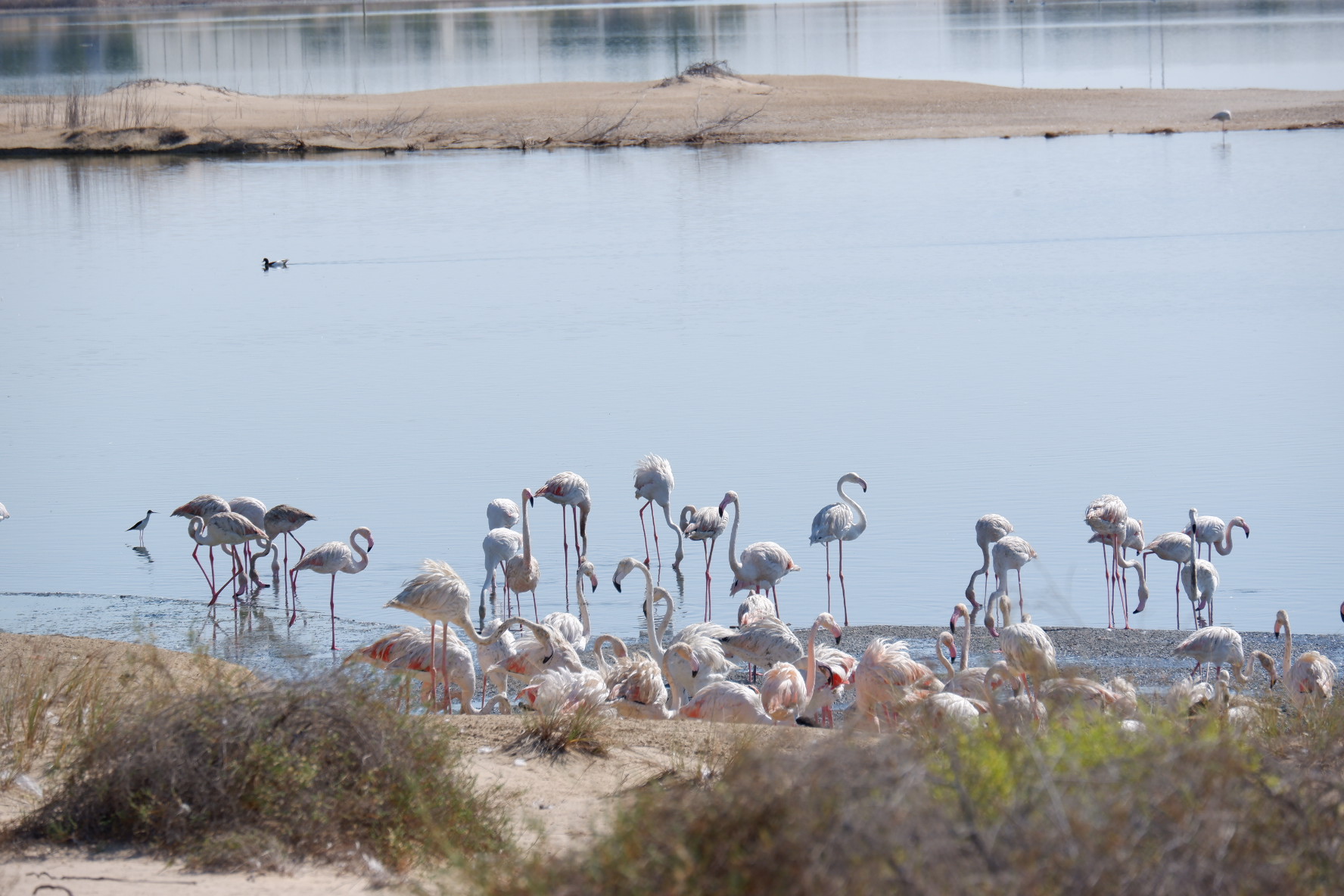
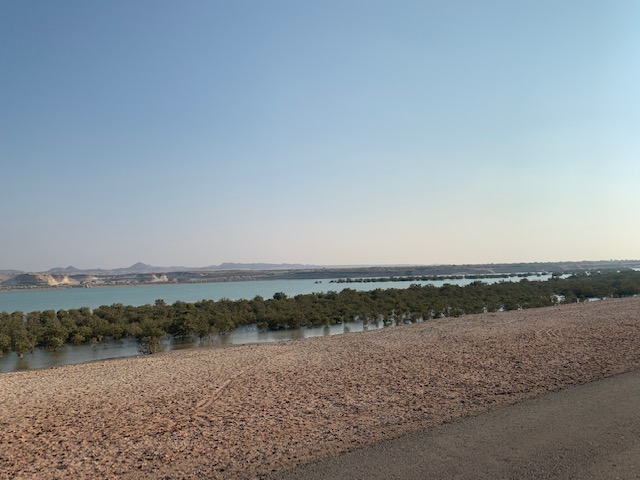
    Before you arrived in Abu Dhabi, you might have imagined that it was a place made up entirely of skyscrapers and sand. But many people don’t realize the city is home to so many areas  of natural beauty as well. The Mangrove National Park contains thousands  of mangrove trees and a huge variety of wildlife. There are still plenty of gorgeous views of the lush mangroves to take in, but you won’t see them at such sedate pace from the land. A taxi ride from Saadiyat to downtown Abu Dhabi will take you to the Mangroves Anantara hotel where you can rent a kayak to explore the natural park. Have yourself an “oar-some” time by picking up a paddle and taking to the azure waters for a fine kayaking session. There aren’t many better ways to explore the vast mangrove forests, and you can even journey to some of the emirates vast network of idyllic islands while doing so.

    Although you can still see the towering buildings of the Downtown area from the water, it feels far removed from all the hustle and bustle of the city. Head here a few hours before sunset and hire yourself a couple of kayaks. Then you are free to explore the waterways between the trees, hunt for wildlife and rest on the secluded beaches at your leisure. Afterwards you can grab a coffee from one of the many food outlets along Eastern Mangroves Promenade, then sit back and relax as you watch the sun go down.

    Day 3

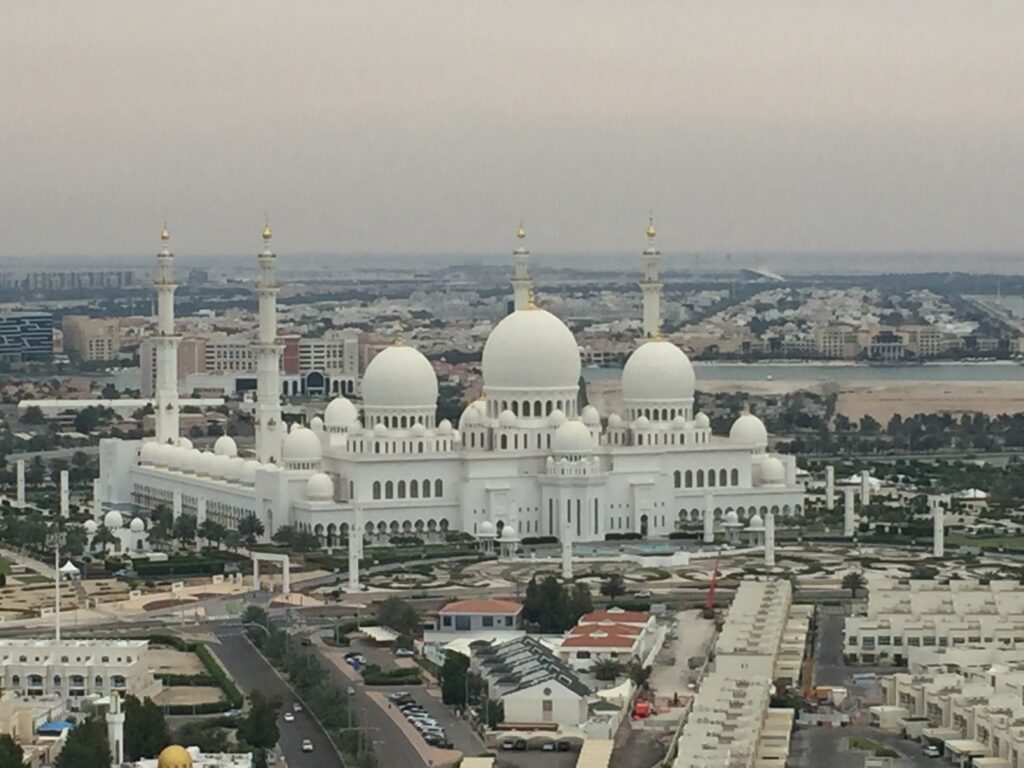
    Take a tour of the Sheikh Zayed Grand Mosque. Mere words cannot do this magnificent landmark justice. Put simply, it is an awe-inspiring architectural marvel that you must visit. Voted the world’s second favorite landmark (ranking above iconic tourist attractions such as the Taj Mahal and the Sydney Opera House), the gleaming white structure boasts 82 domes, the world’s largest hand-woven carpet and a chandelier bedded with one million crystals. Free guided tours are held during the week, with knowledgeable staff on hand to answer questions and boost your understanding of Islamic culture. The bold vision of His Highness Sheikh Zayed bin Sultan Al Nayhan is a fitting legacy to his leadership.

    The Sheikh Zayed Grand Mosque is one of the most important things to see while you are staying here in the capital. Just driving past it for the first time is enough to make your jaw drop. With countless gold-embellished white domes, it really is a beautiful creation (and one of the biggest of its type in the world). The structure can hold up to 40.000 people, and it was inspired by designs from Turkey, Morocco, Pakistand and Egypt. The iconic prayer hall holds the world’s largest chandelier, and the experience of wandering bare foot around the immaculate passage ways is totally humbling.

    Stroll around Umm Al Emarat Park. Abu Dhabi is blessed with many picturesque green spaces and Umm Al Emarat Park in the Mushrif area is one of the best. One of the largest and oldest park in the city it is home to an animal barn, amphitheater, botanical garden, children’s garden and many other wonderful features. Take a picnic, go for a jog or just enjoy walking around. On a Saturday afternoon, you can also experience the Ripe Market. This community event features more than 100 awesome stalls full of fruit, vegetables and other local produce. So whether it’s fresh food you want or a little something to spruce your home, you can be sure the Ripe Market has the answer. But it’s not all about splashing the cash, there’s live music, entertainment, workshops and activities also on offer.

  • Adventures,  Camping,  Liwa Oasis,  Middle East,  Places,  United Arab Emirates

    Liwa Oasis

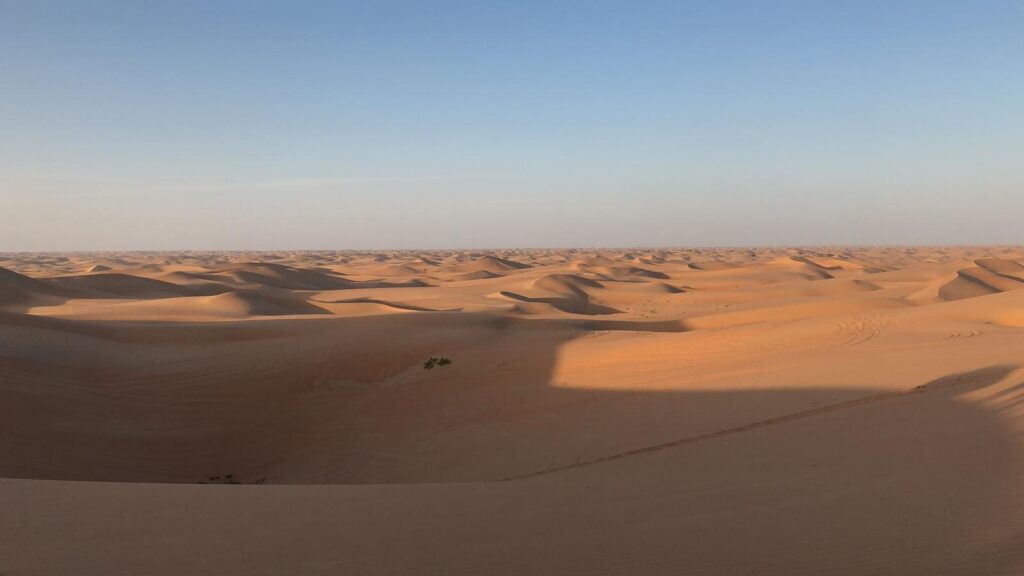
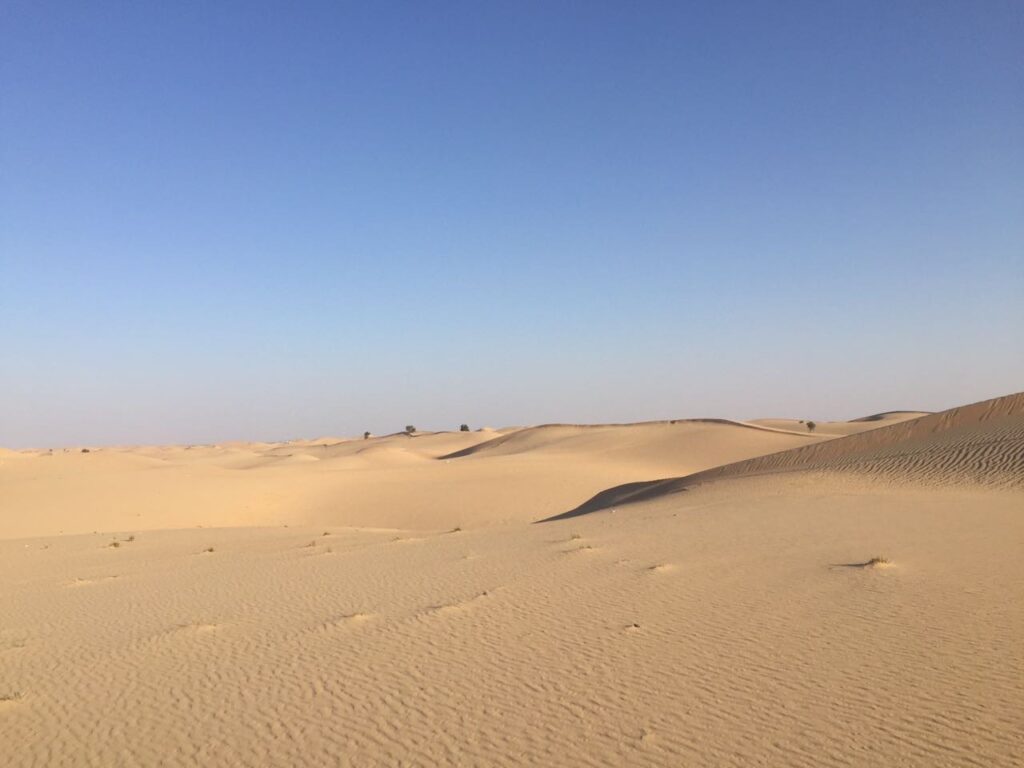
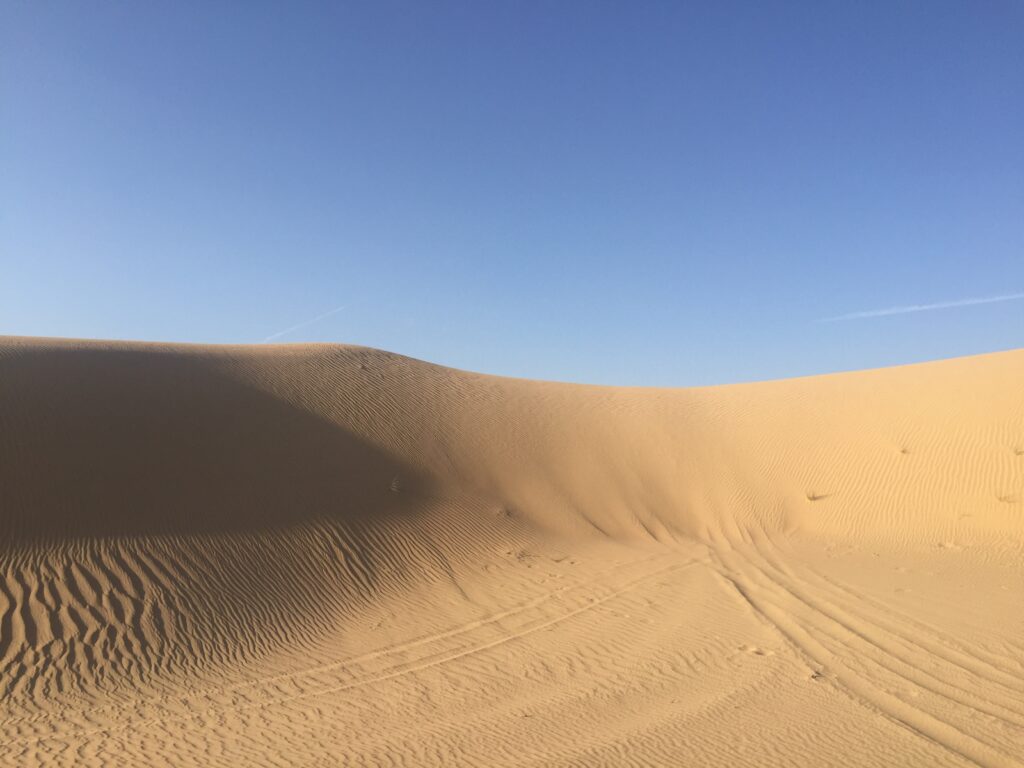
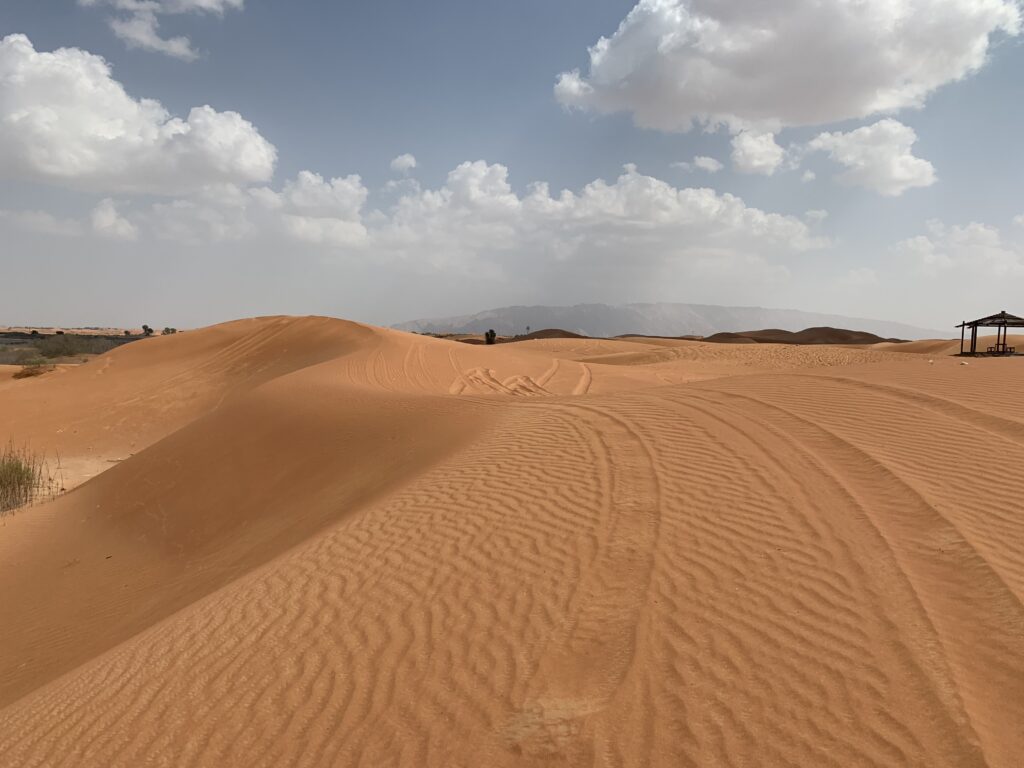
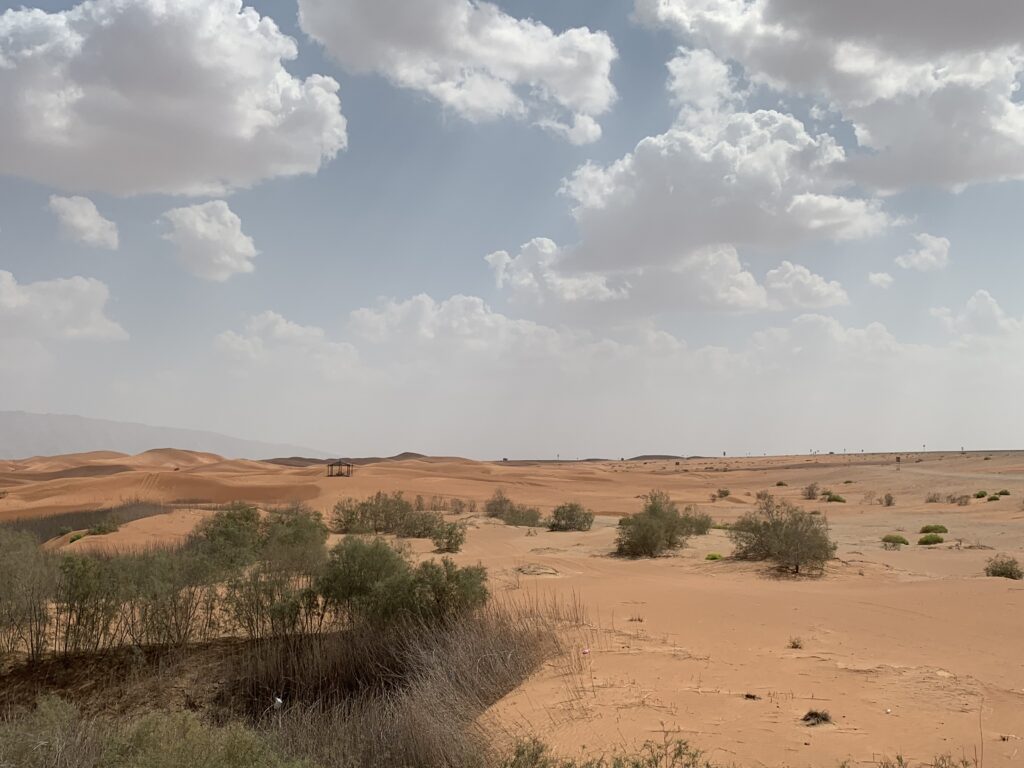
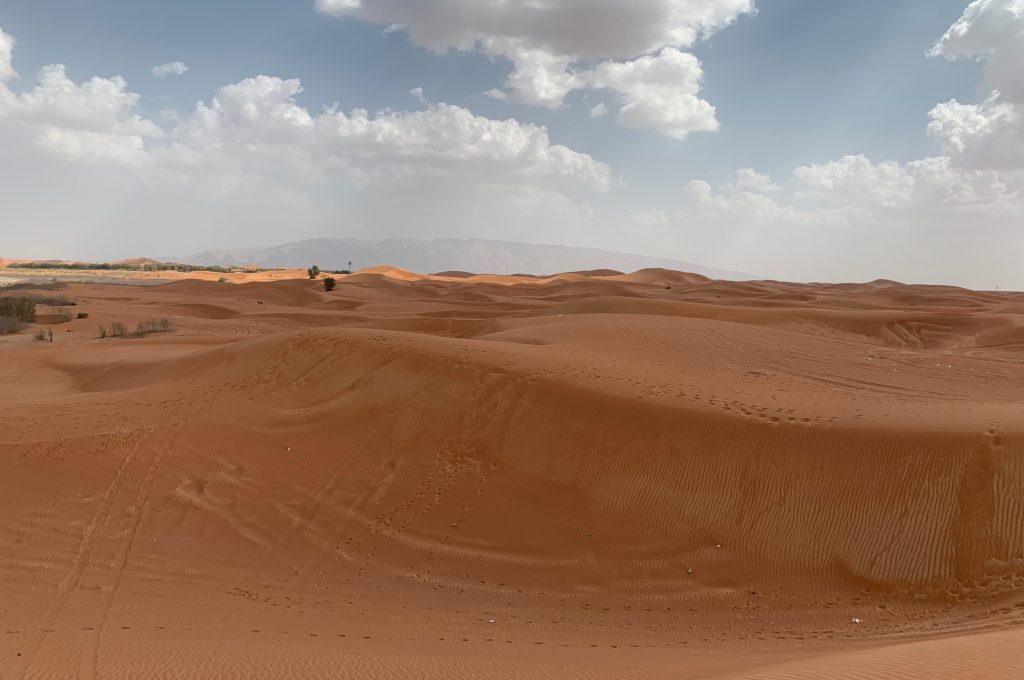
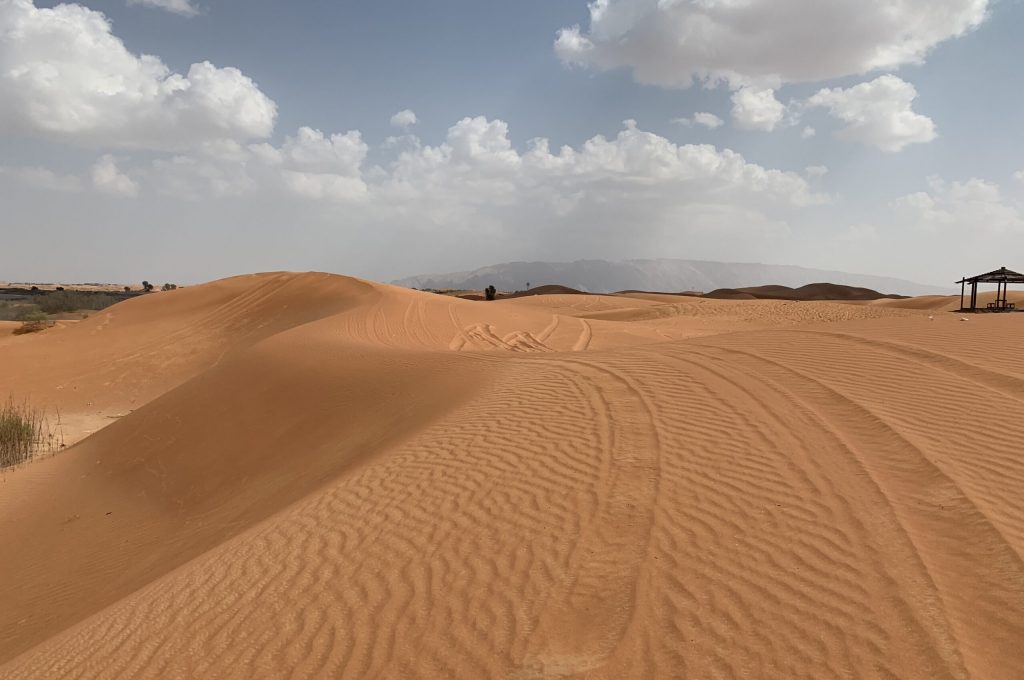
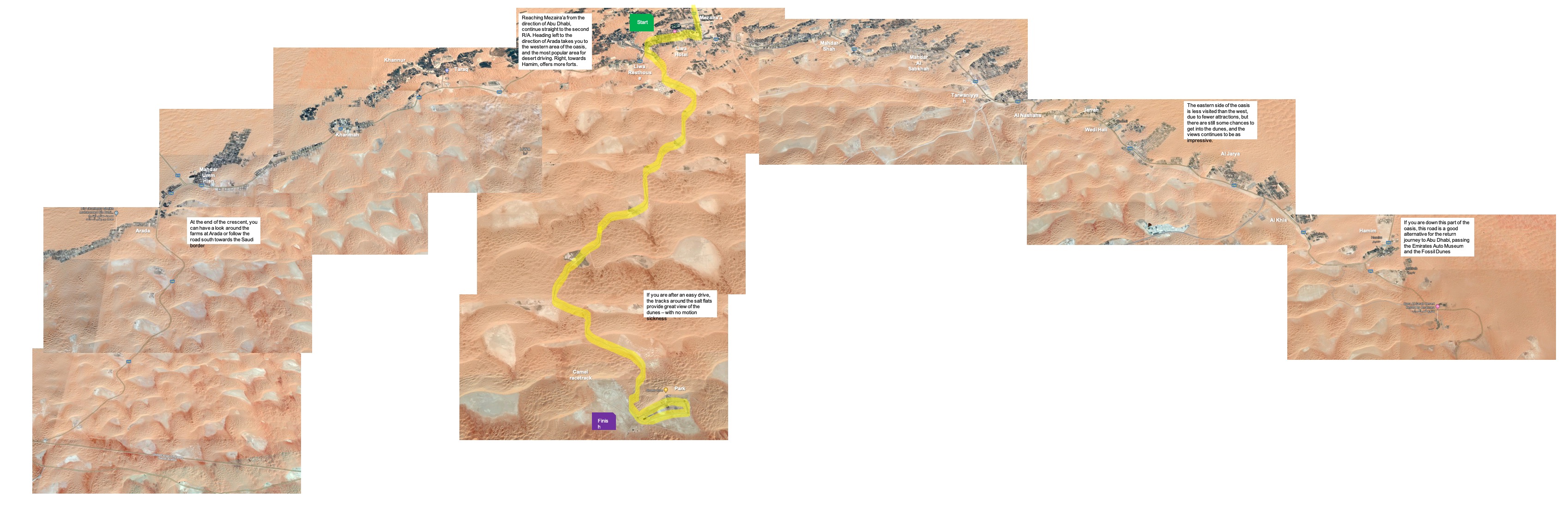
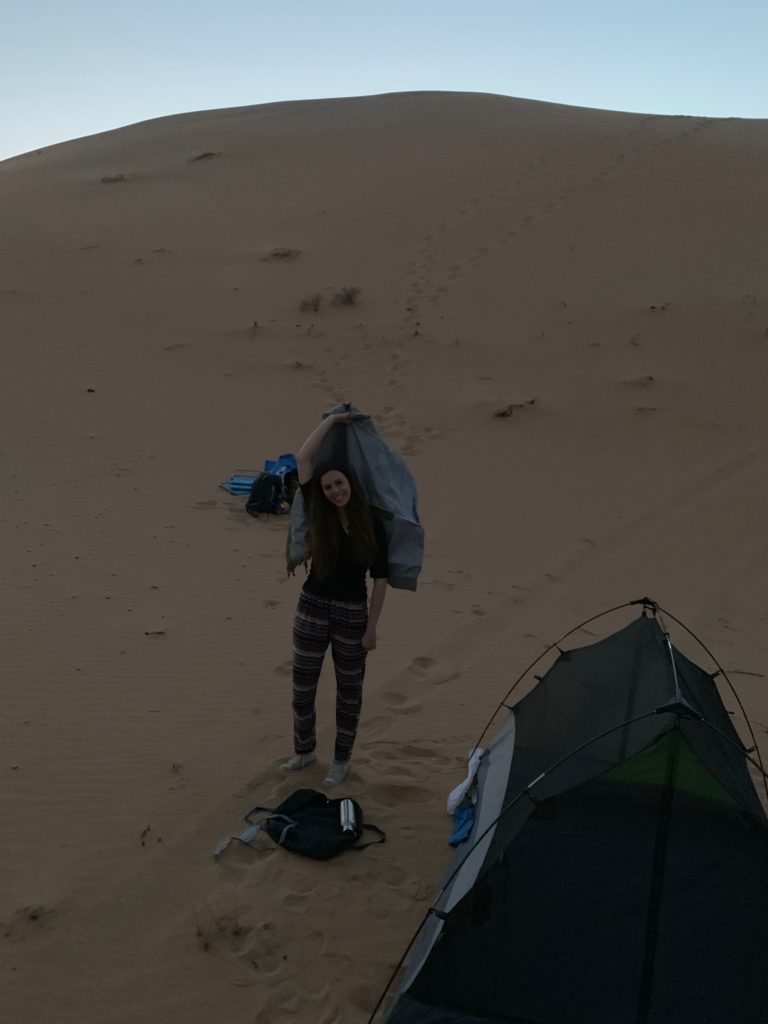
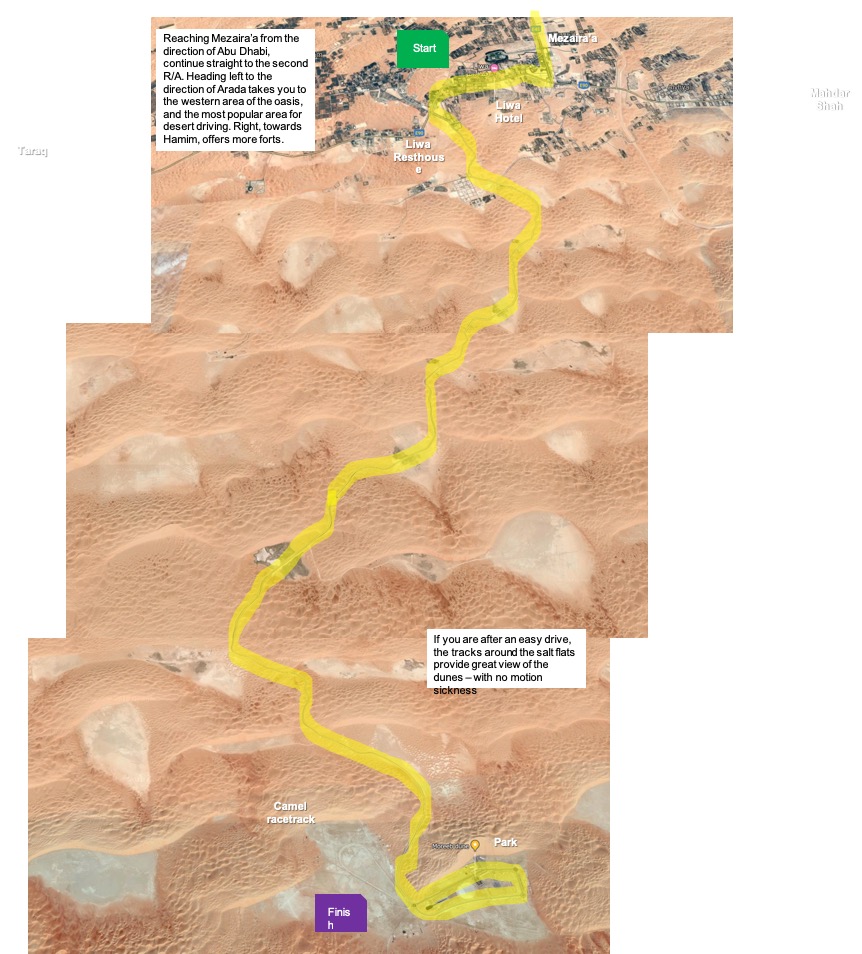
    A trip to Liwa in the Empty Quarter (or Rub Al Khali) is a must for any off-roader during their time in the Middle East. It’s the biggest sand desert on the planet. The sheer scale of the scenery and the size of the dunes has to be seen to be believed. This epic route is more of an expedition than just a spot of camping, so go prepared for the experience of a lifetime.

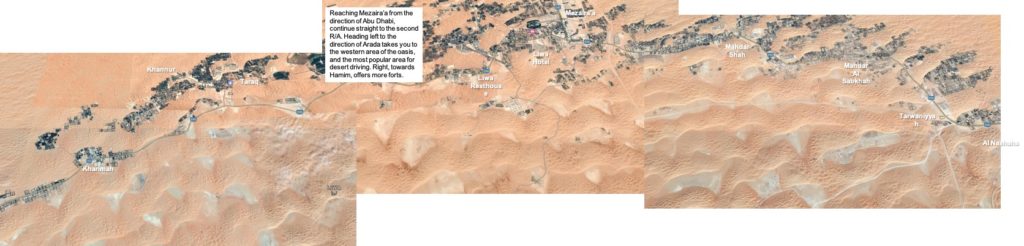
    Home to the Bani Yas tribe, ancestors of the current ruling family of Abu Dhabi, the fertile Liwa “crescent” stretches over 150 km, and is dotted with small villages. Mezaira’a, at the center of the crescent, is the largest settlement and if you are heading into the desert, the shops and the petrol station here will be your last chance to buy provisions and fuel, so stock up. Extra jerry cans of petrol are essentials and it’s better to take too much food and water than too little. Four our camping night we took 10 L of water that we used for drinking, washing and cooking.
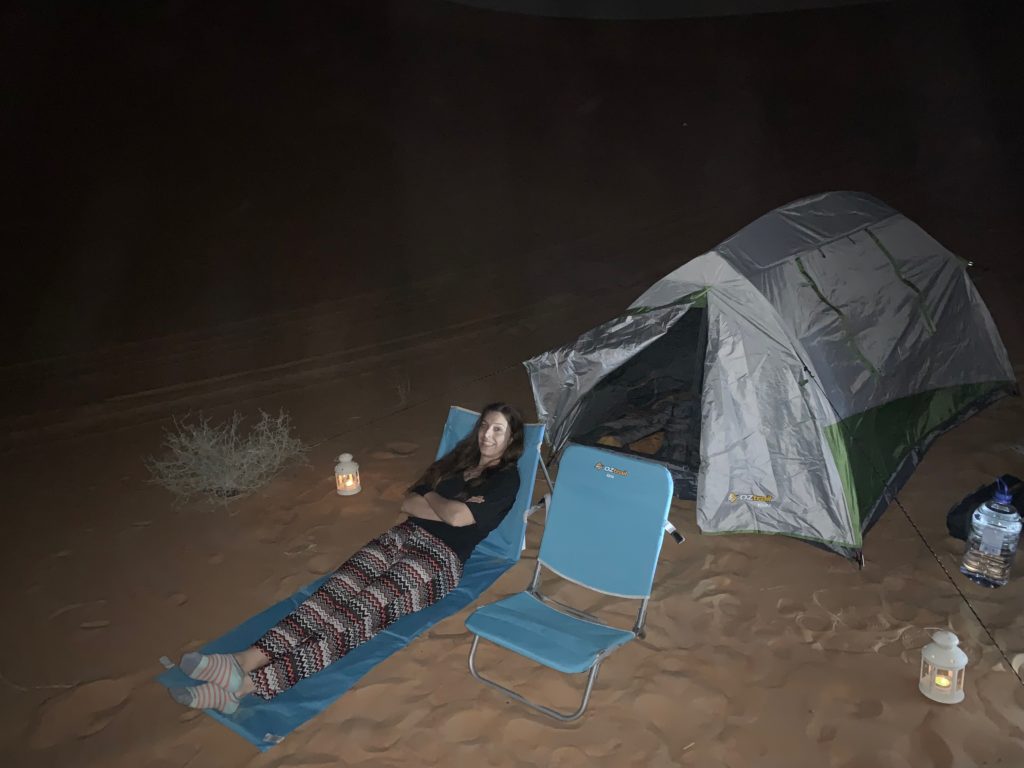
    An essential part of any Liwa adventure, camping in the desert is the most popular way to spend the night and can be a truly unforgettable experience.

    Waking up to miles of sand rolling into the distance or the sight of the snaking silvery dunes under the moonlight is quite magical. This area provides some of the best desert views in the UAE.
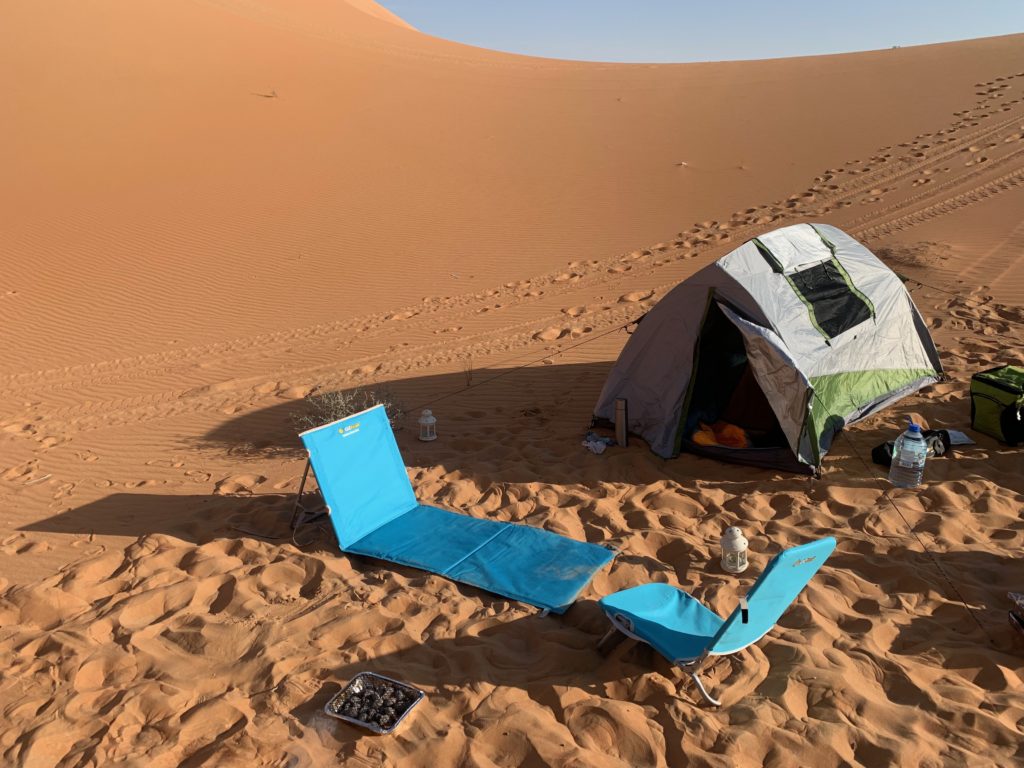
    You can camp just about anywhere, so take any of the roads and tracks into the desert off the main road through the oasis. Just make sure you drive far enough from roads, habitations and activity to find a peaceful spot and get settled, long before the sun goes down.

    One particular good area is on the road to Moreeb Hill, passing the Liwa Resthouse.
  • Middle East,  Places,  United Arab Emirates

    Emirates Bio Farm

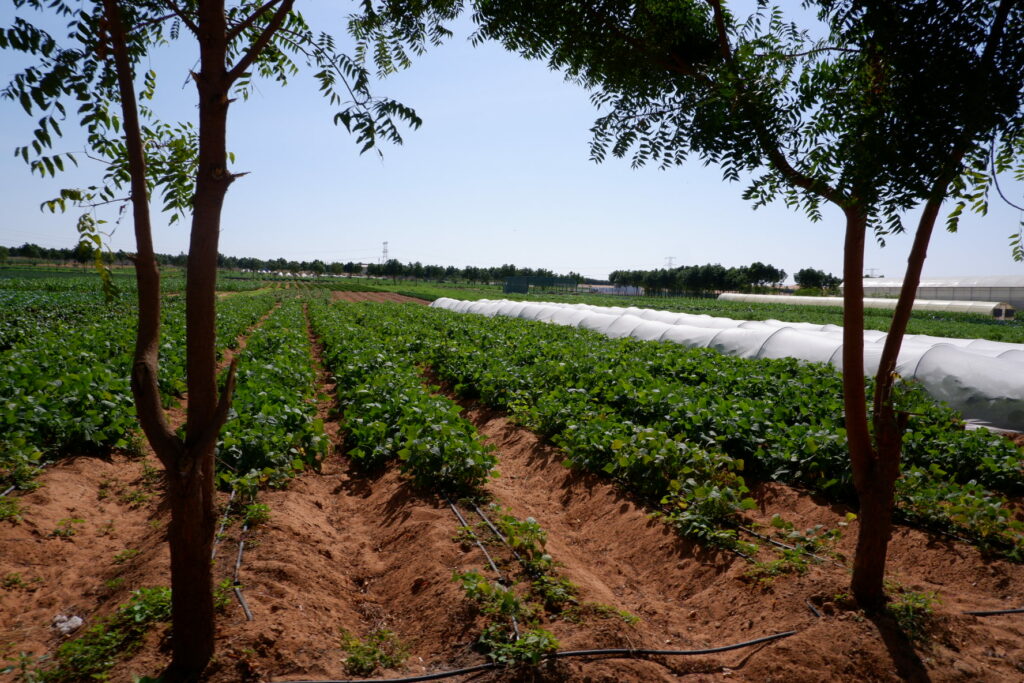
    Our start of 2020 was in a farm, but not any farm, the Emirates Bio Farm! I had put my eyes on it for quite a while, checked their website, their farm tours, their events. Unfortunately it’s not a quick drive from Abu Dhabi, so we kept postponing it forever. In the end we decided to book for the New Year brunch and tour! On the 1st of January we hit the road around 10, aiming to be there at 11.45, in time to sign up before our farm tour starting at 12. When you are almost there, the beautiful Omani mountains start appearing in front of you, then you reach the place and you can’t believe how much greenery there can be in the middle of the desert.

    It’s in fact the largest private organic farm in the UAE. It was established in 2016 on a 250,000 Sqm facility to continue the founding principles of advocating for environmental protection, health and well-being of all UAE residents – a guiding principle which they embrace from the teachings of sheikh Zayed Al Nahyan, the founding father of the UAE and an early champion of environmental protection.

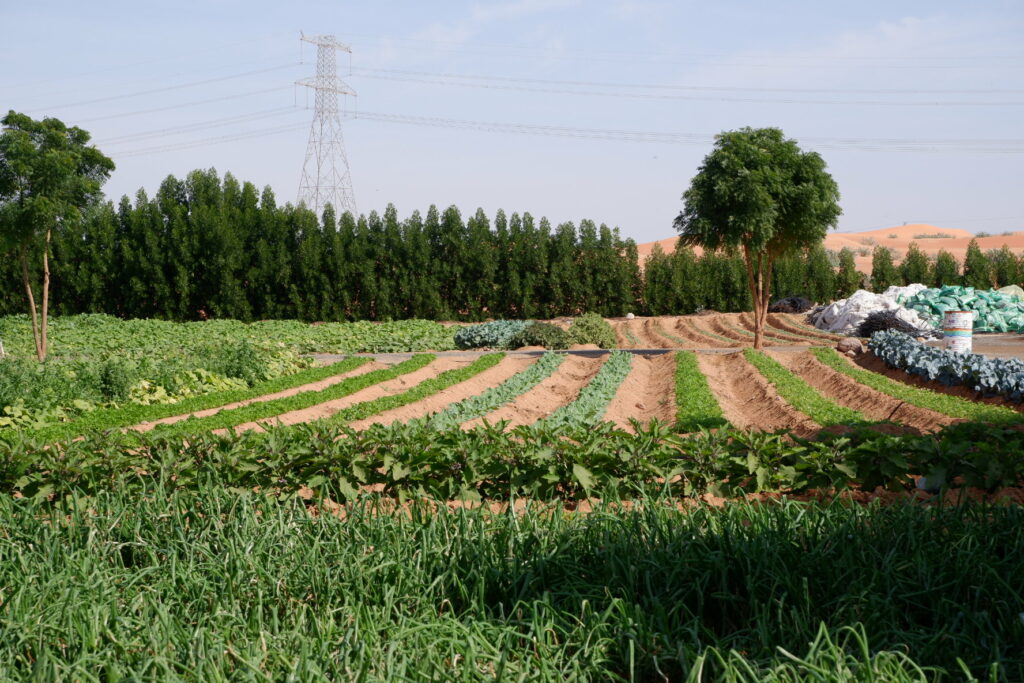
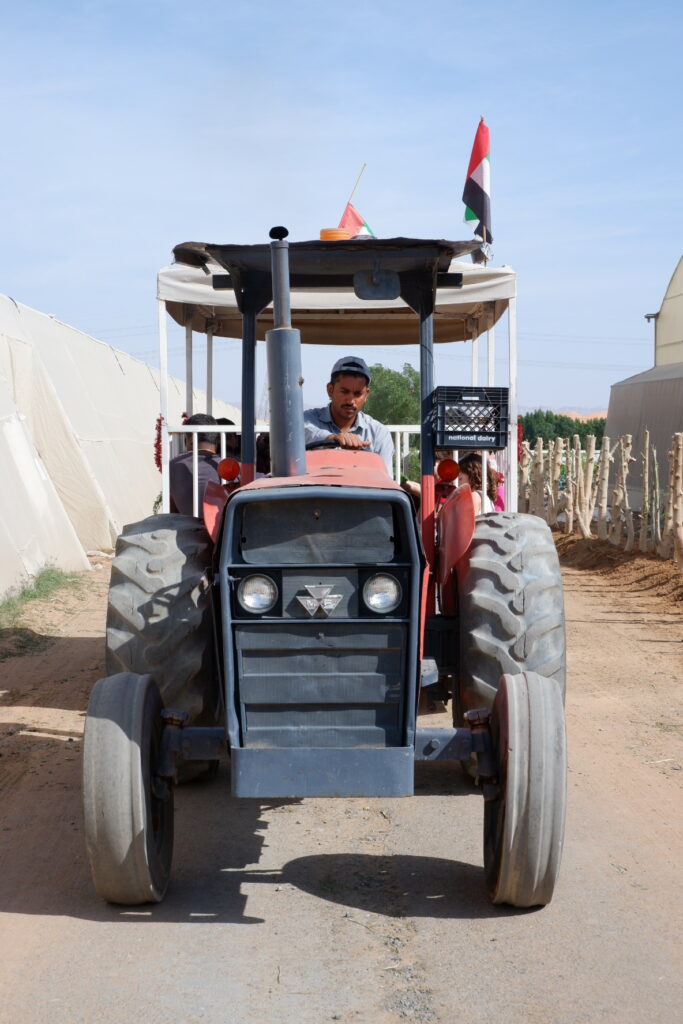
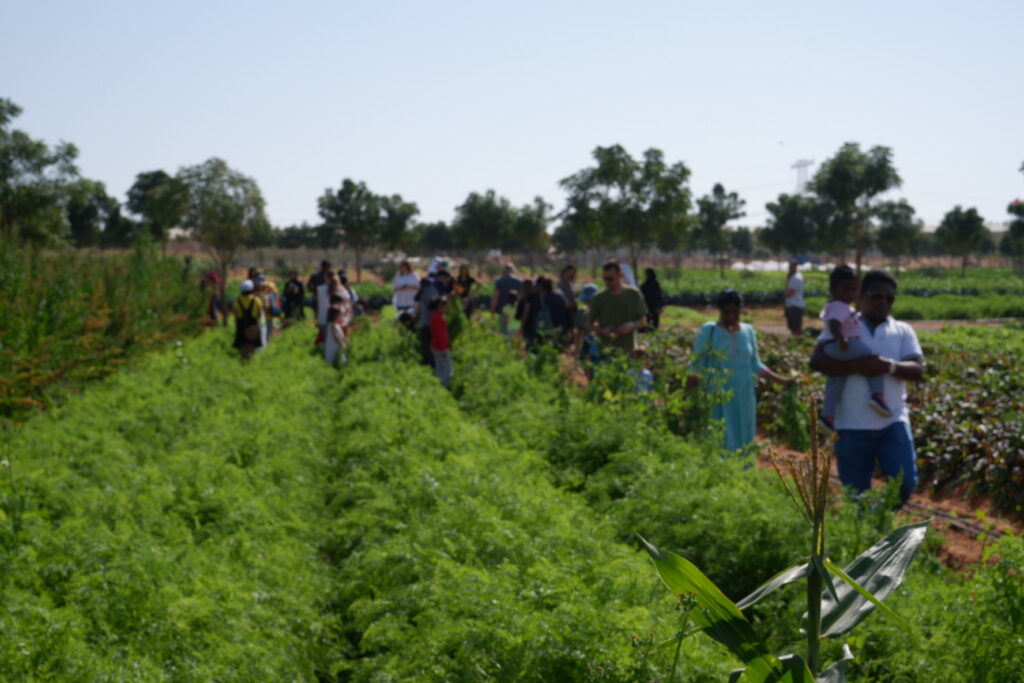
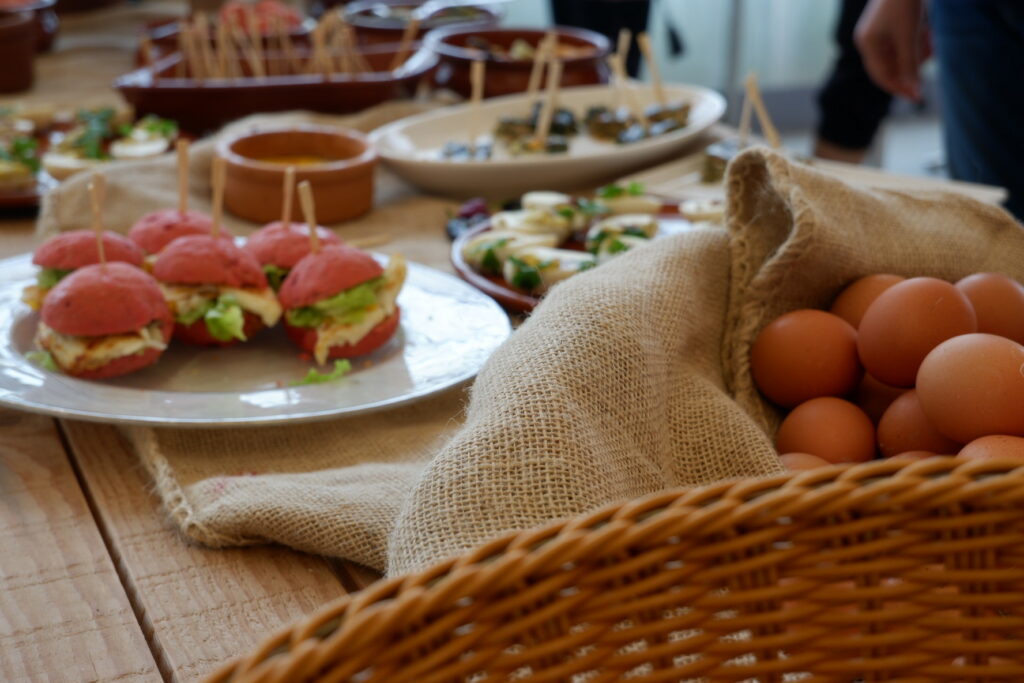
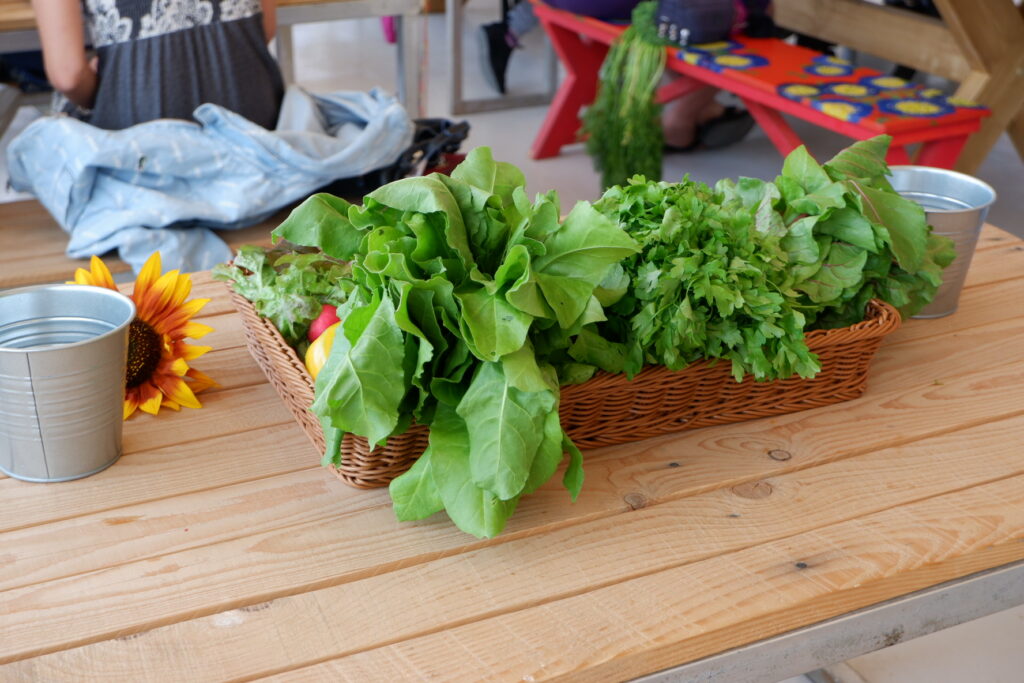
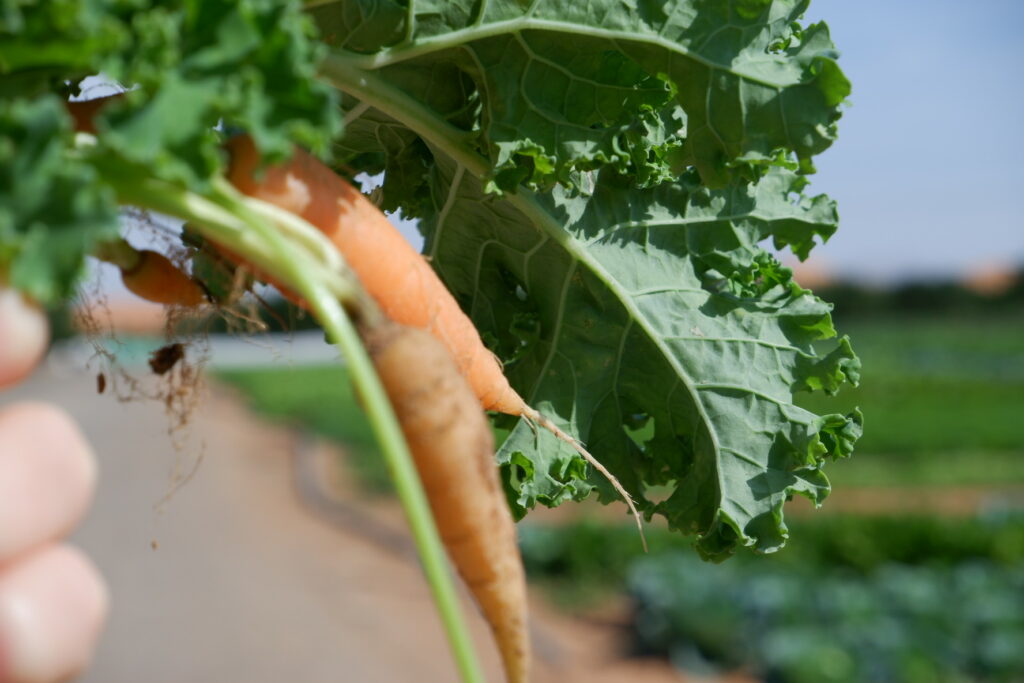
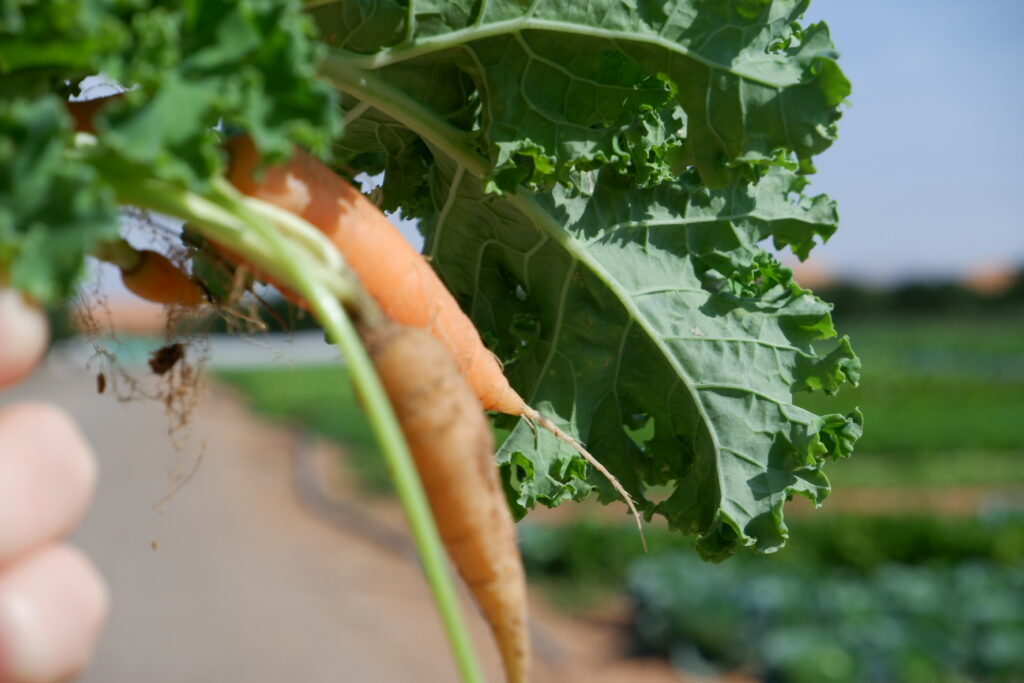
    At 12 they took us on a half an hour tour on the tractors around the farm, they told us the story of the place, how they transformed the desert sand into soil where you can grow quinoa, lettuce, kale, carrots, beetroot, tomatoes, eggplants and a lot more. The irrigation system takes the water from 100 m below ground and takes it throughout the whole farm. The soil is a mixture of sand, compost and chicken poop (there are 15000 chicken on the farm, which produce 8000 eggs a day).

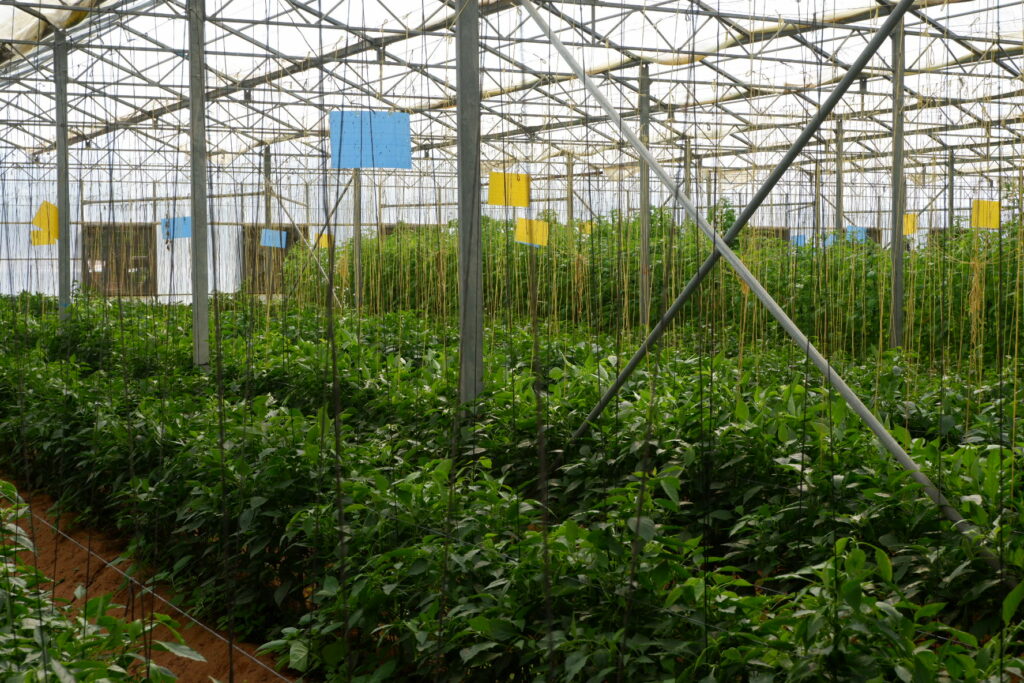
    The tour ends with a visit to the greenhouse, where with an ingenious mechanical system, the air is cooled down and even in the hot UAE summers they are able to grow plants.


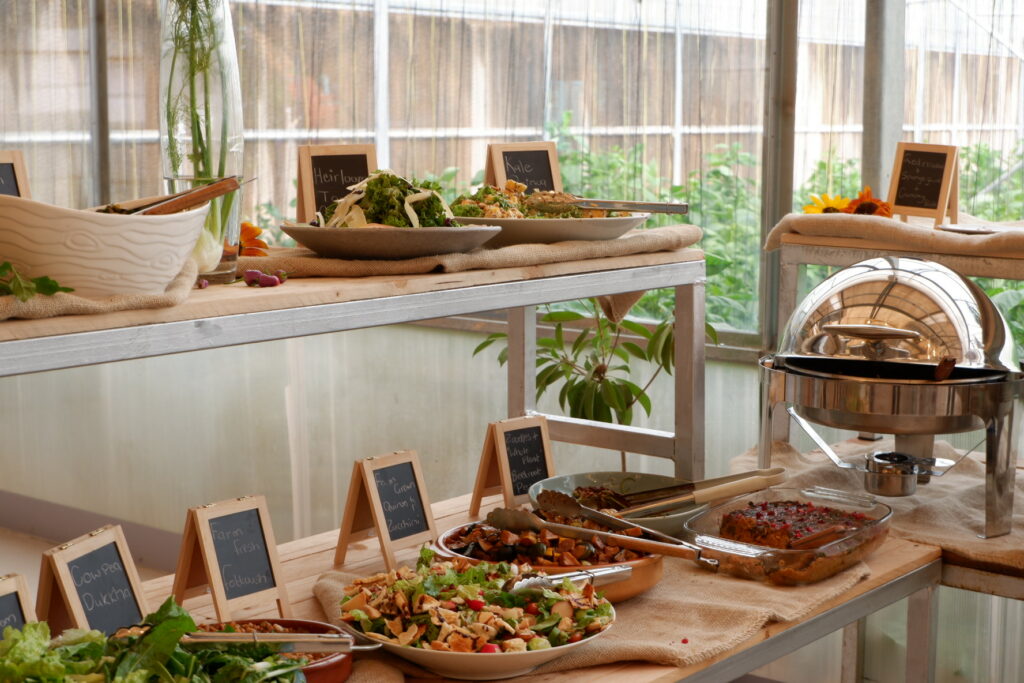
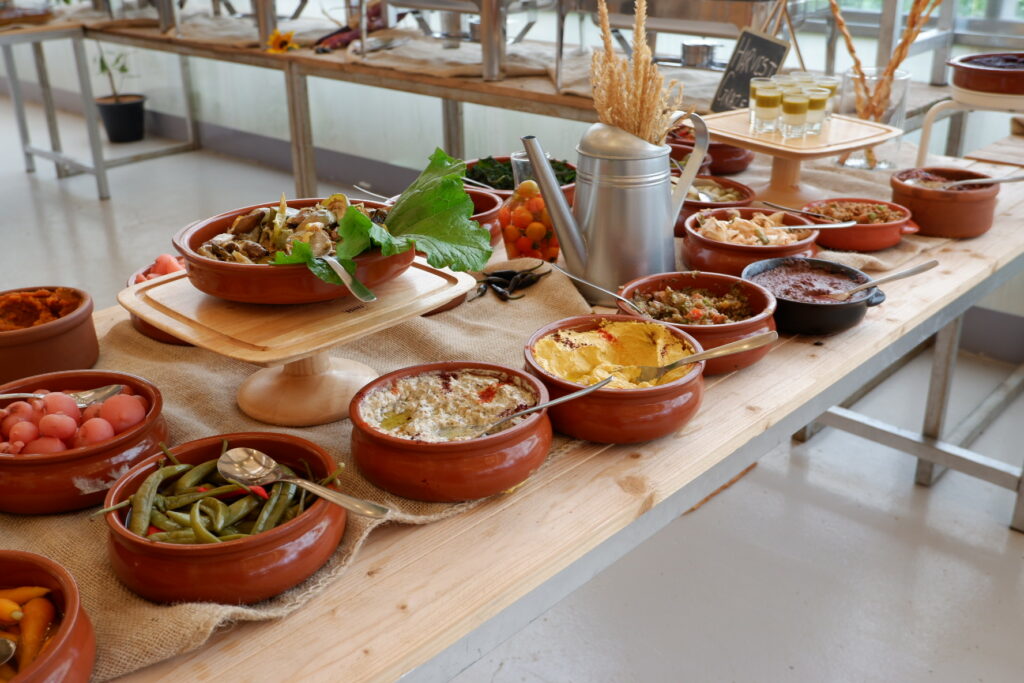
    The buffet lunch was just amazing, with a huge variety of dishes, all made with the freshly grown vegetables from the farm. Before the drive back to Abu Dhabi we stayed a couple of hours reading in one of the greenhouses, slept a bit and head back home with a few veggies and plants.

    Conclusione

    Comments Off on Emirates Bio Farm
  • Adventures,  Middle East,  Places,  Safari,  Sir Bani Yas,  United Arab Emirates

    Sir Bani Yas

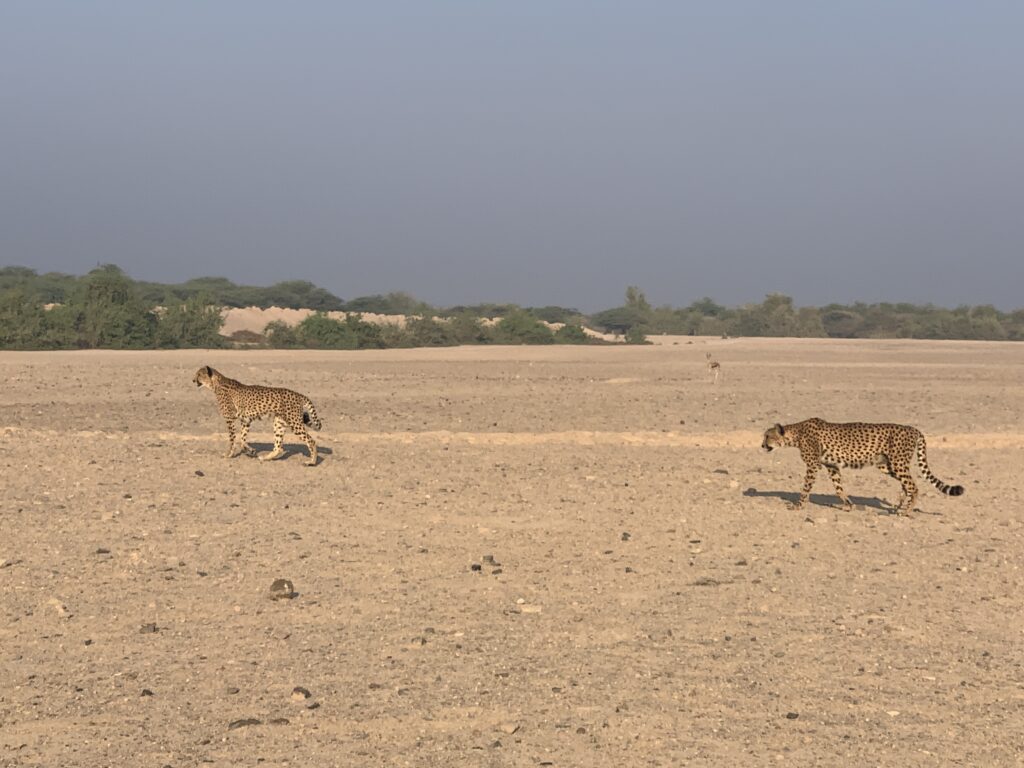
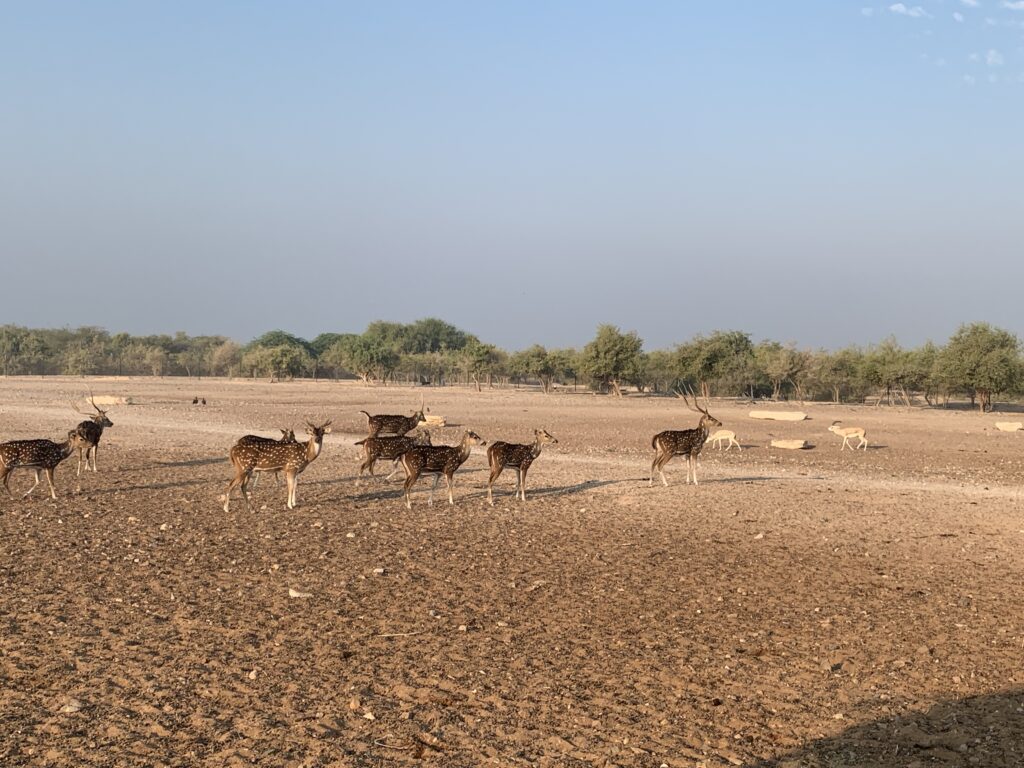
     Sir Bani Yas is an  island about 150 miles southwest of the United Arab Emirates capital of Abu Dhabi and it’s certainly not your standard stop in the desert. Not long ago, this 30-square-mile island—the biggest of eight Desert Islands just offshore—was abandoned. The Bani Yas tribe, who first moved here 7,000 years ago, left it for good at least a century ago. In the early 1970s, you could still see why. There were no trees or freshwater sources here; just craggy rocks and bare shorelines lapped by the waves of the Arabian Gulf. That’s when Sheikh Zayed bin Sultan Al Nahyan, the UAE’s founder visited and made a bold plan. He’d transform it into a nature reserve to give sanctuary to endangered animals of the UAE, Africa, and beyond. Since the death of Sheikh Zayed in 2004, Sir Bani Yas has been transformed into a wildlife park. More than 350 km of original fencing has been torn down to create an ‘open range’ safari feel on the refurbished island. Some creatures, such as the spotted deer and the athletic sand gazelles, roam wild – hence the 50km/h speed limit on the single lane, paved road – while others, such as cheetahs, are contained in sprawling, expansive pens. You can almost mistake the scene of oryxes, gazelles, hyenas, jackals, and cheetahs for a Kenyan savanna. 

    A two-and-a-half-hour drive from Abu Dhabi via the E-11 highway will allow you to hop onto one of the four short, daily ferry rides (departing at noon, 3 p.m., 6 p.m., and 11 p.m.). We took the earliest, so as to be able to still make the most of the afternoon ahead of us. Three resorts dot different parts of the island. We had reserved Desert Islands, a bigger resort on the north shore of Sir Bani Yas, set up at Sheikh Zayed’s former vacation home. And indeed the Hotel has a decor of Arabian, Asian and African influence, apparently designed to look as if Sheikh Zayed himself decorated it with exotic artifacts from his travels.The ground floor room was spacious and comfortable, with a broad balcony overlooking the sprawling pool. 

    Once you reach the hotel, there are so many activities to choose from that you run the risk of forgetting about the beautiful sandy beaches of the island. 

    Whilst the beaches are beautiful and it’s great to spend some time relaxing, everything is geared more towards getting out and making the most of the landscape, whether on dry land or in the water. And there is something for everyone with history and culture tours (there’s an ancient Christian Monastery on the island dating back to 600AD), kayaking, diving, snorkelling, horse riding, archery, nature walks, wildlife drives and mountain biking among other. 

    After booking our 2 activities for the weekend, we spent a couple of hours at the beach which, despite the hotel pool heaving with overnighters, was absolutely deserted.

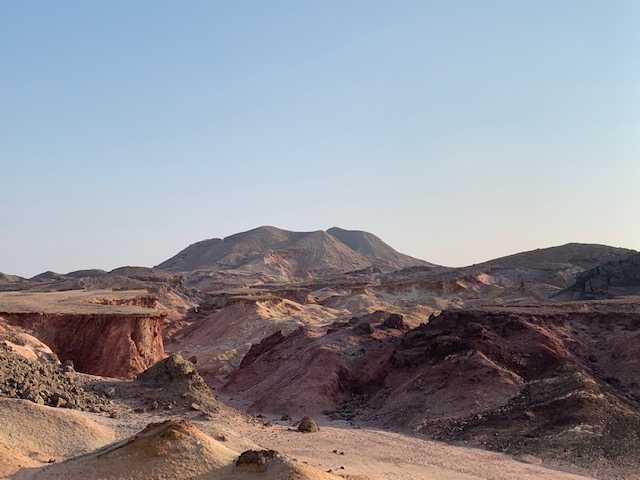
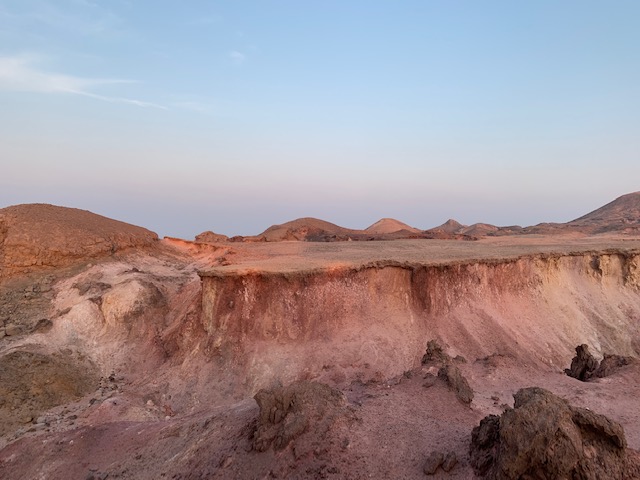
    We started our exploration of the island around 4:30 pm with a guided walk through a narrow, lunar-like wadi (valley or ravine). A wadi is technically a dried up river bed. The 90-minute walk rises slightly amidst the salt that in the century has risen from the depth of the island towards the surface, thus creating patterns of twisting rocks and shadowy crags that boast a rainbow of colors from the reddish hues of oxidized iron mixing with yellows from sulfur, purples from magnesium, green from copper and some sparkle from hematite on the red-rock floor.

    Although seemingly quite flat from the road, the landscape does boast some impressive rock formations and offers a completely different perspective from high up. The wadi is mostly made of salt and is therefore quite bare of vegetation. The crunching sound under your feet is the gypsum, the salt from which plaster is made of. Gypsum is white but it gets some color from the other neighboring minerals. We learnt from our guide that plaster differs from chalk in that the former can become solid again (as in plaster casts) while the latter does not have this ability.

    You’ll have no choice but to eat in the hotel while staying here – it is quite literally in the middle of nowhere. Don’t fear though, because you’ll be spoilt for choice with the food on offer. You can choose from a huge breakfast buffet at The Palm all-day-dining restaurant where the friendly chefs will whip you up a made-to-order omelette. For dinner there are a few options. We did a catch buffet barbecue at Amwaj. Set right on the beach, a small walk from the hotel, its décor is pretty special with cosy, oversized chairs and sofas on the terrace creating a relaxed vibe that makes you feel a world away from Abu Dhabi.

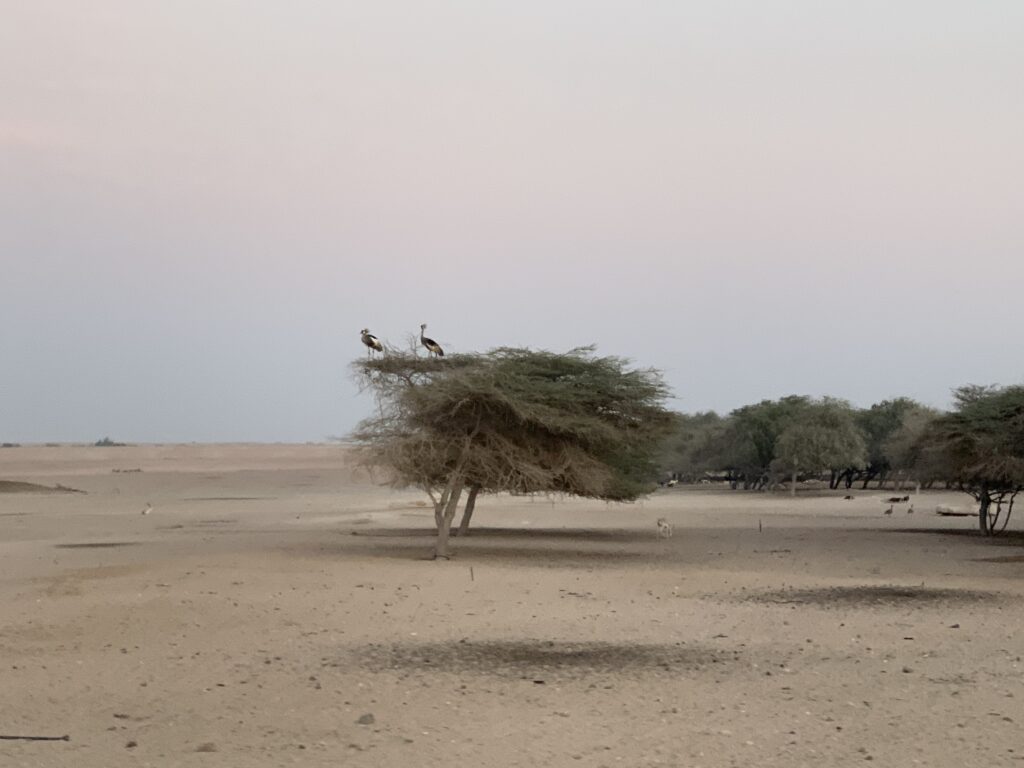
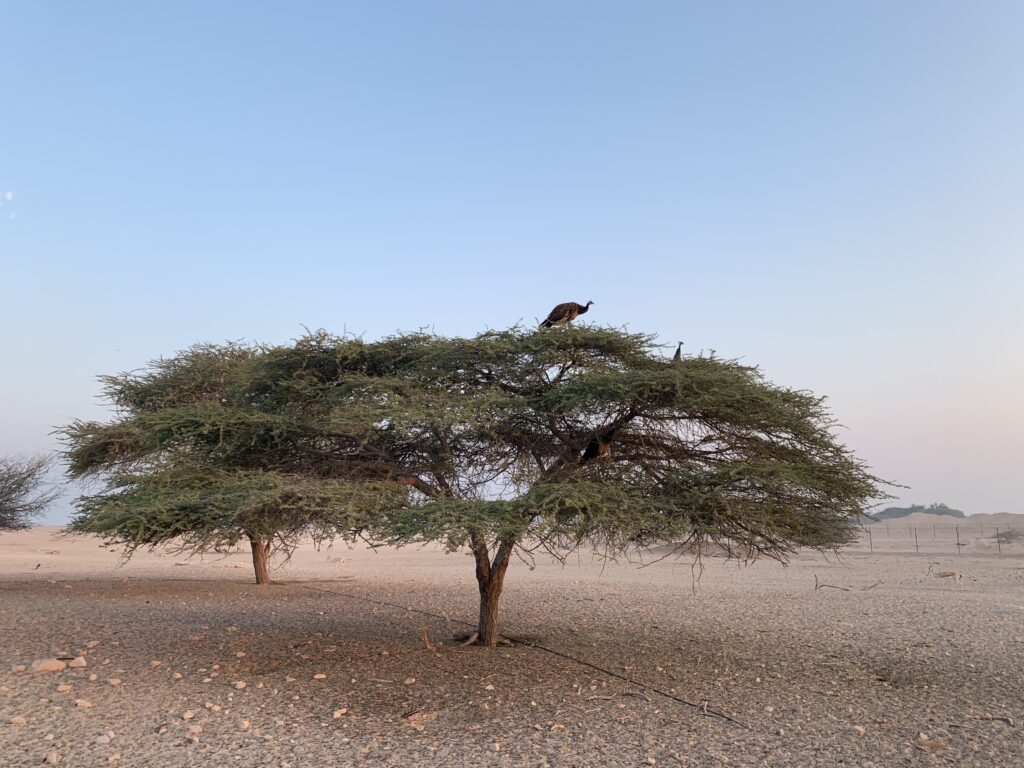
    The Arabian Wildlife Park safari that we did early morning of our second day is the highlight of any visit. Up to half a dozen guests jump into an open-sided Land Cruiser to make leisurely 90-minute drives.  The windows are open and the roof lifts up so you can be sure to get close up and unobstructed views of whatever you may be lucky enough to see. While you are driving towards the gated areas of the park, it is difficult to imagine that in the beginning there were only 70 dates trees in the island while now there are over 2.5 million trees—like the umbrella thorn acacia, olive trees, apple and pear trees, or the gum tree that the eland antelope are so drawn to— planted by hand. The pipeline system to irrigate this vast area (mostly made of salt, do not forget about it) extends over 73,000 miles. In addition, the resorts plant a mangrove for every guest.

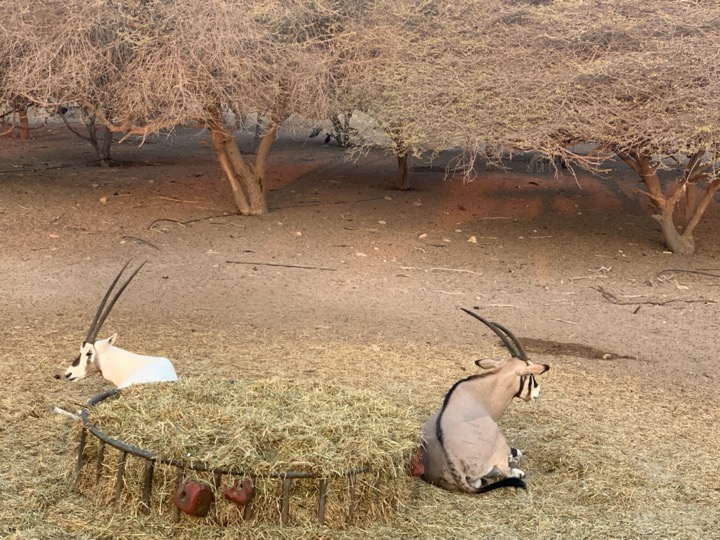
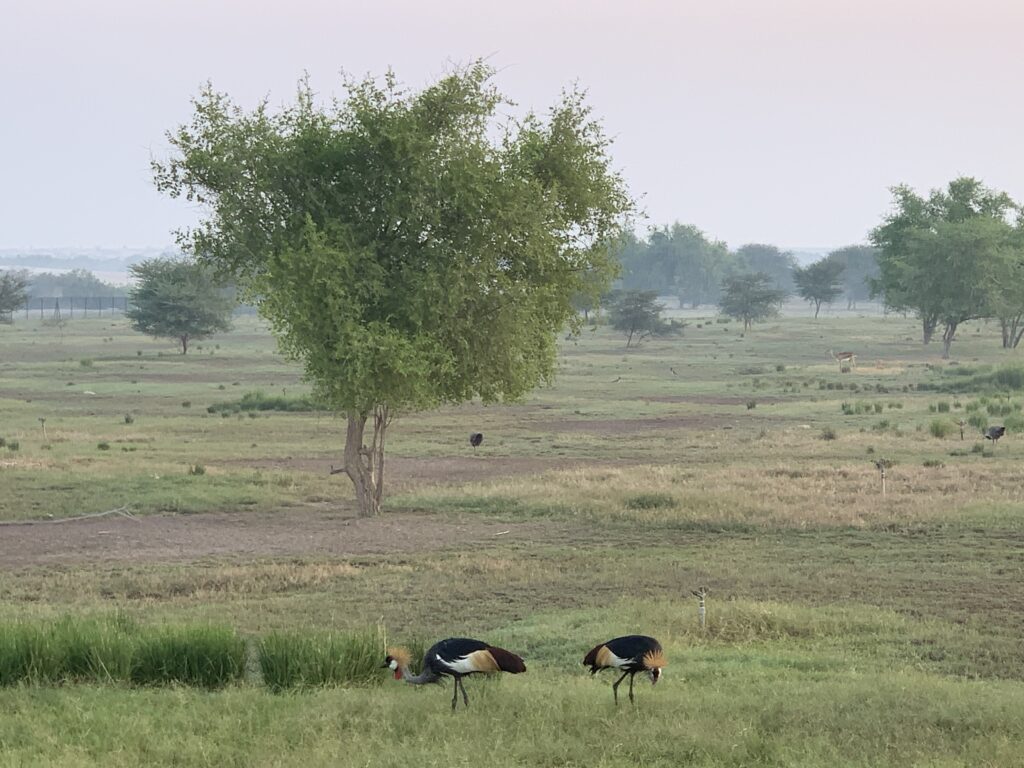
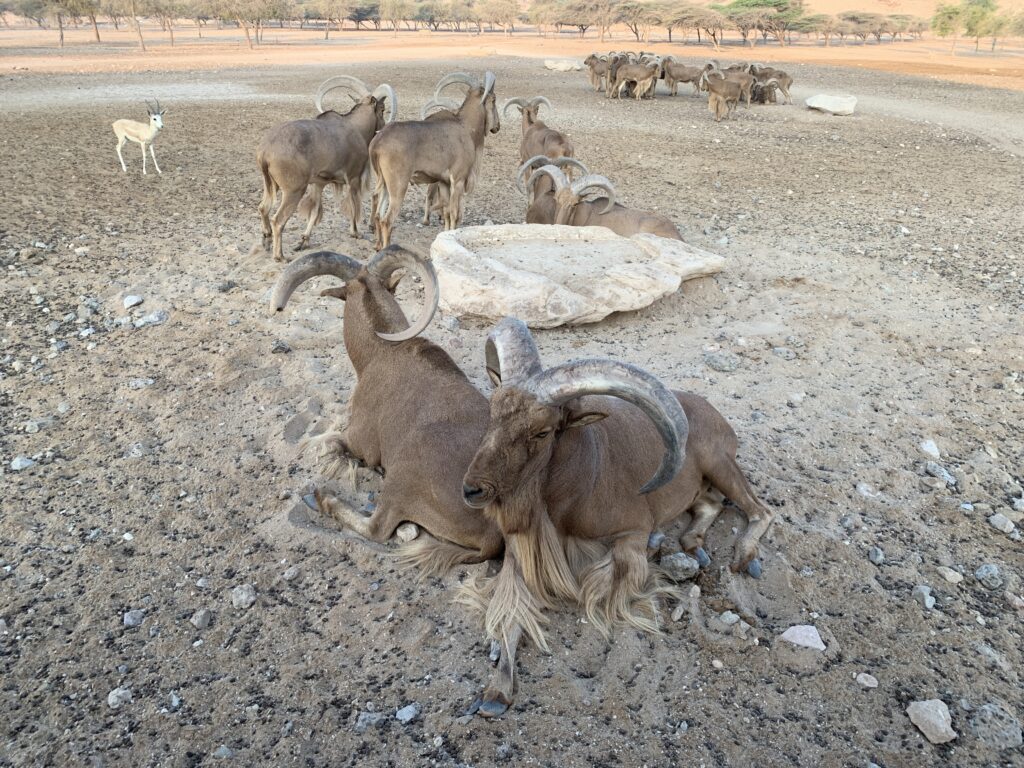
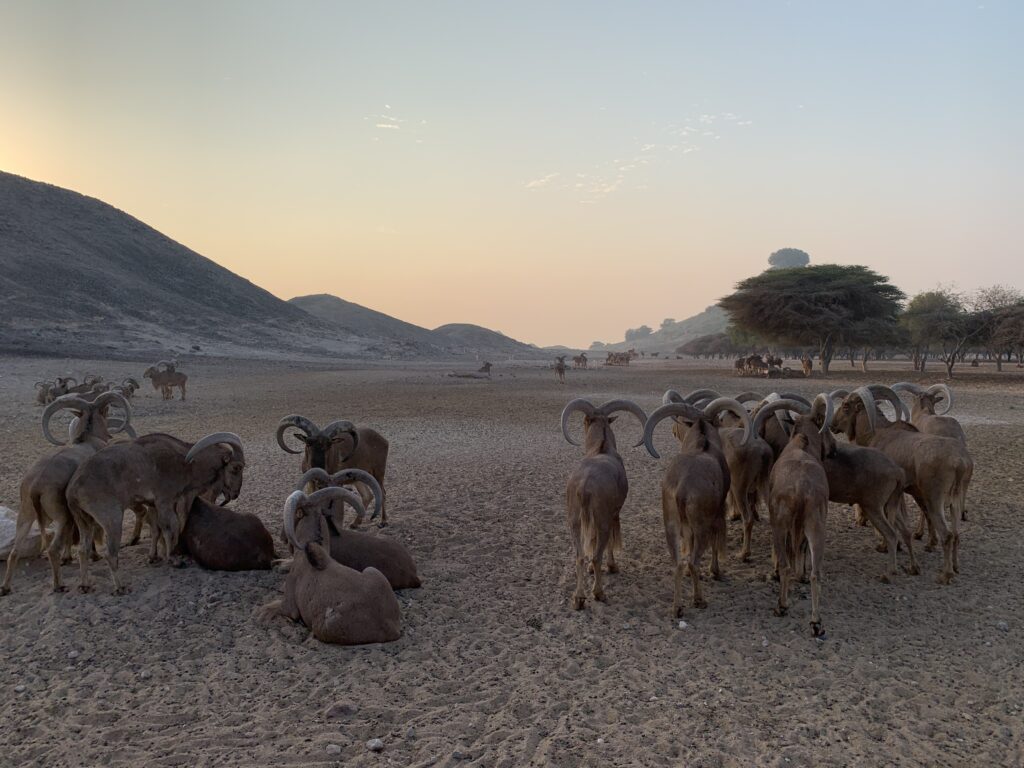
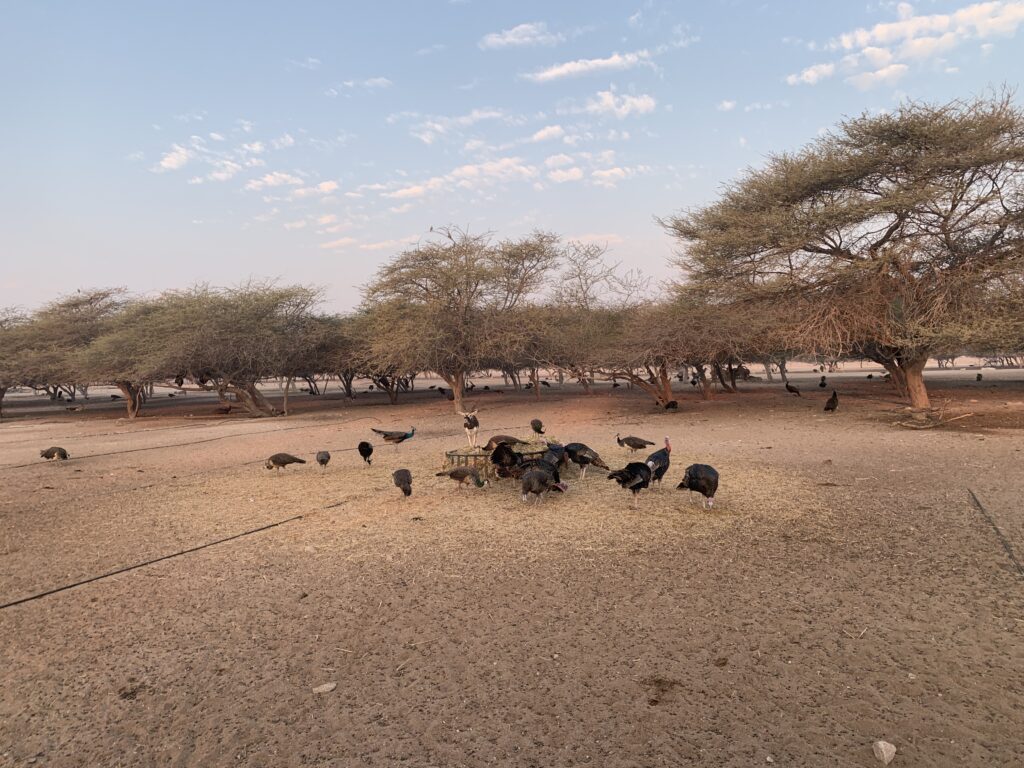
    Wildlife is literally everywhere on the island, and even before venturing behind the gates of the wildlife park we’d seen plenty of Sand Gazelles (the namesake of Abu Dhabi) and Arabian Hyrax to name only a couple. The Arabian Hyrax are actually the whole reason why Sheik Zayed created all this: they were a symbol of the gulf, nearly extinct 40 years ago, and now thanks to Sir Bani Yas no longer endangered. Behind the gates, this must be about as close as you can come to a safari outside of Africa, where 16 thousand of beasts of 27 different species now live, including Indian Black Bucks (the fastest one, at 87 km/h), Sand Gazelles (the most numerous), Barbary Sheep, Arabian Oryx (with their straight horns), peacocks (the blue ones are from India, the green ones from Burma) and Spotted Deers (those are antlers, not horns!). 

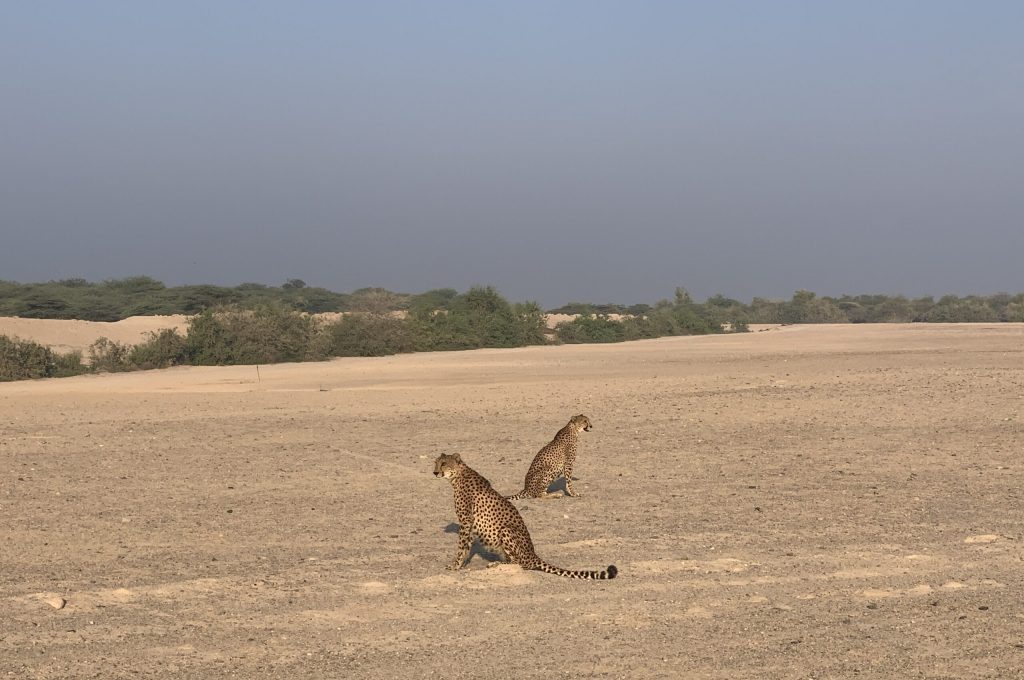
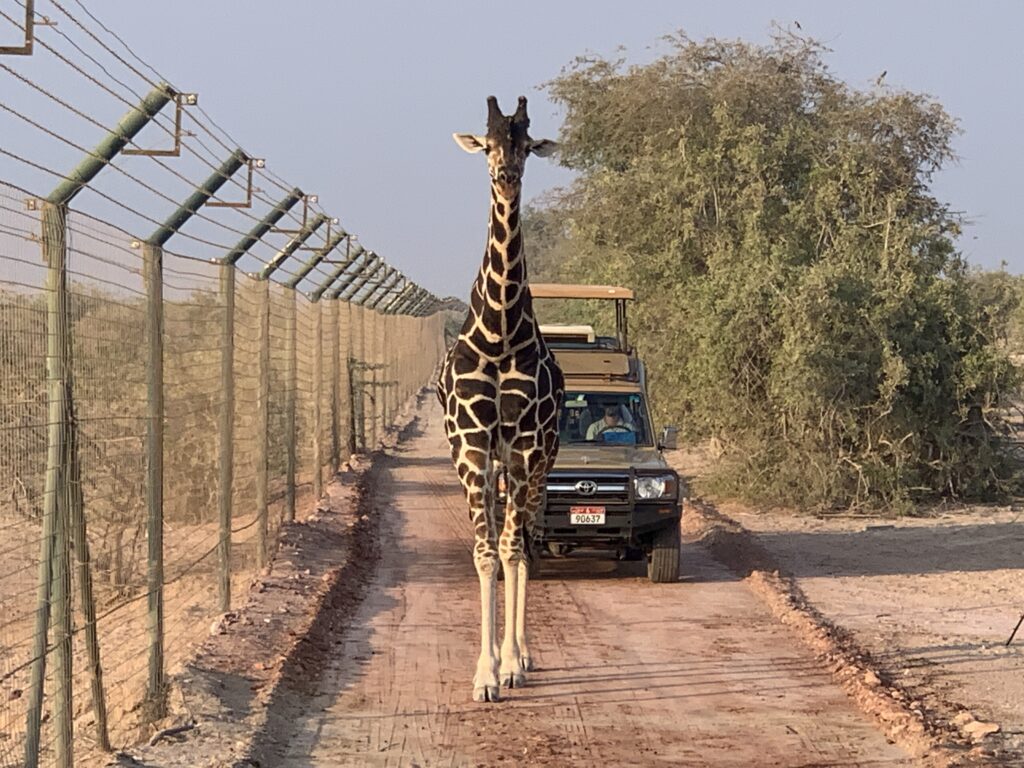
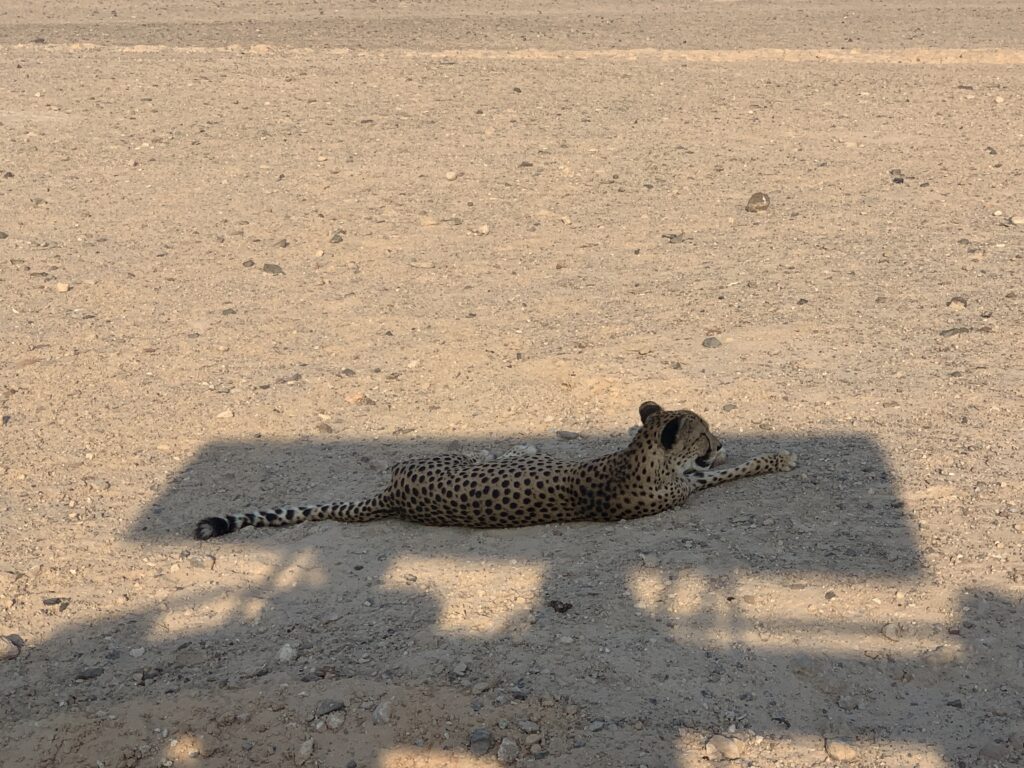
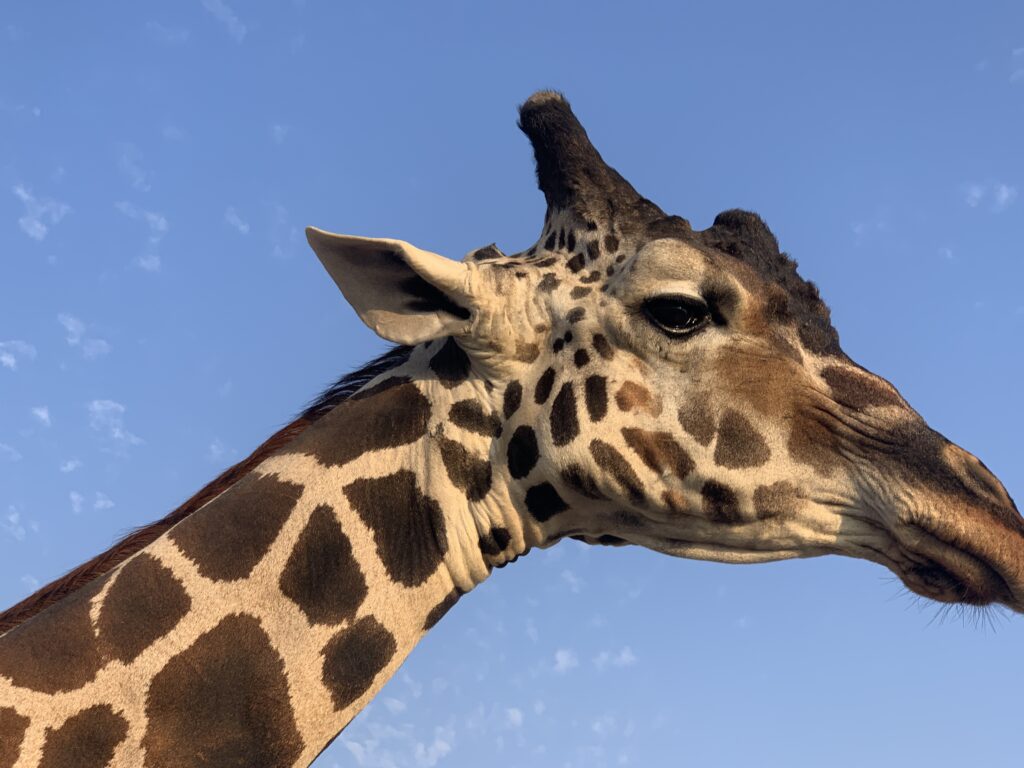
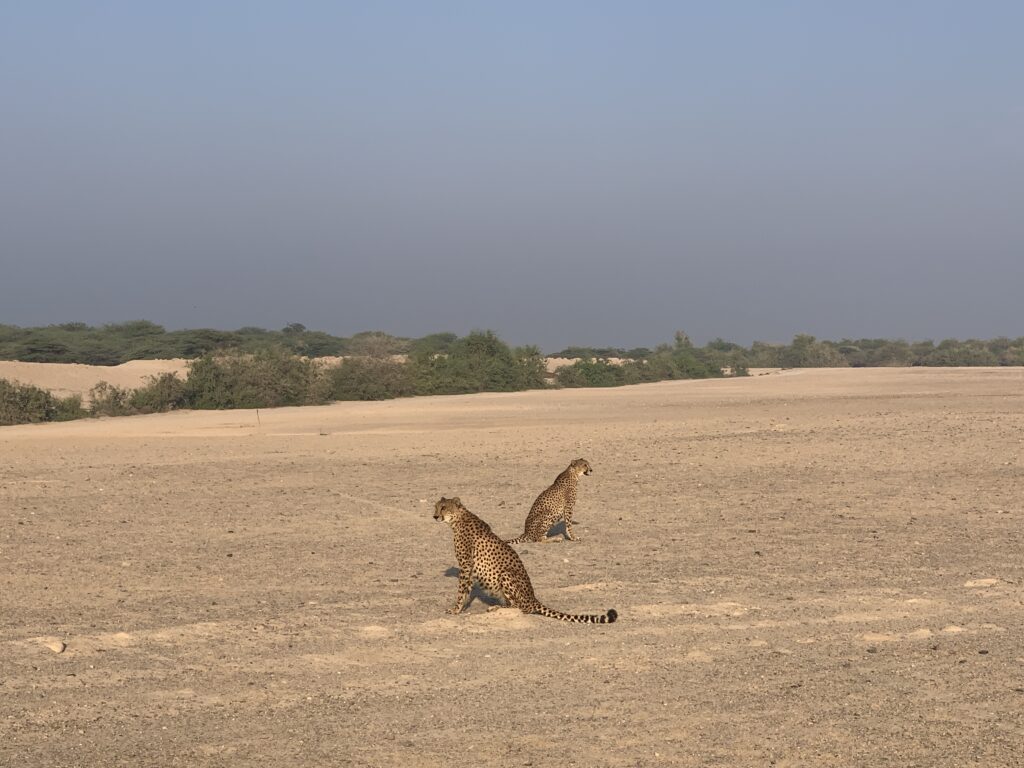
    After reaching the top of the mountain that stands at the center of the island (1040 ft), on the other side of the island we had a close-up encounter with reticulated giraffes. But the highlight of the safari was for certain getting to know the 3 cheetahs that roam the park (5 more will soon be coming). With an initial jump start of 7 meters, they can reach 120 km/h in 3 seconds and are really elegant and impressive felines. Two of them are brothers, Gabriel and Gibbs; you will easily recognize Gibbs from his limping. They are the perfect example of teamwork, with Gabriel running to catch the prey and Gibbs doing the killing. The third cheetah is Cuba, he lives by himself since he is not related to the other two and the Park wants to avoid fights among these endangered predators.