• Starred

    CAVIAR AND BULL – Budapest

    Marvin Gauci is not an average guy; he is not even 40 years old, and he has already created a preeminent gastro empire in Malta. He leads four top-category restaurants, as well as an exclusive pop-up dinner series held in the air. Now for the first time he created something truly sophisticated outside Malta as well, and launched a Mediterranean fine-dining restaurant, Caviar & Bull.

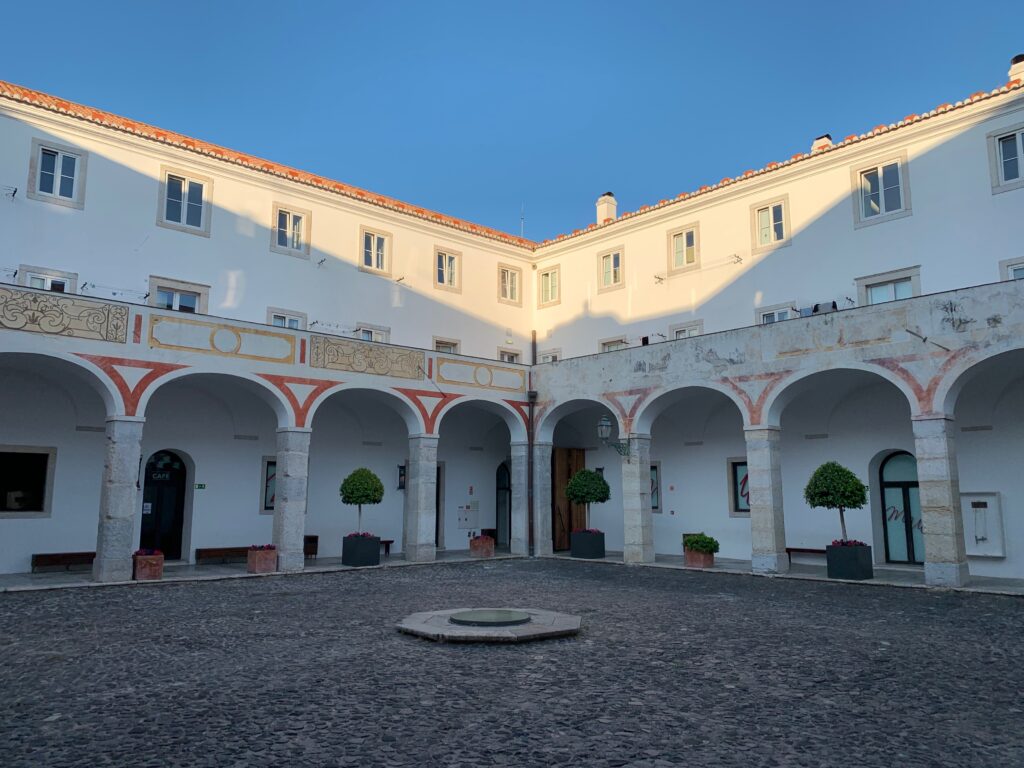
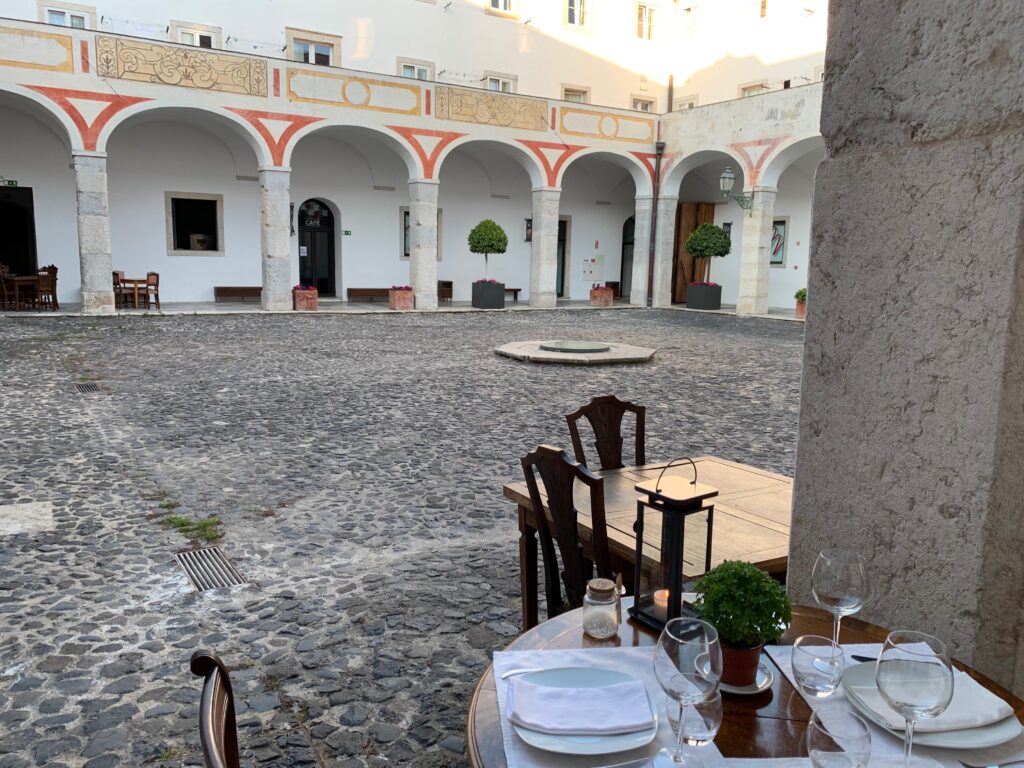
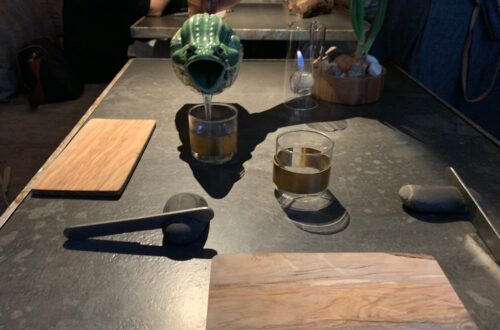
    The restaurant is located adjacent to Corinthia Hotel Budapest, just off the Grand Boulevard in the centre of the city, ran by three extraordinary gentlemen, László Kézdi-Schalchta, Sergi Huerga Marin, the head chef and Marvin himself. The trio’s history goes way back to Malta, where their love for gastronomy and expertise brought them together. Their role in Caviar & Bull’s success is indubitable. You can find chef Sergi explaining the elements of the degustation menu to a guest sitting at the table, László filleting a fish and Marvin pouring liquid nitrogen as an additional show element for plating.

    If we asked any gastro enthusiasts from Malta, they would surely know the name Marvin Gauci. He is the star chef of the island, as anytime he opens a new restaurant it is bound to be successful, whether it is Asian-influenced or Mediterranean. He came to Budapest through the Corinthia Hotel, as Caviar & Bull’s “brother restaurant” can be connected to one of the locations of this hotel chain, too. An opportunity emerged when this unit in the Corinthia became free, and Marvin decided to seize it. The choice of the name refers to a love of seafood and the gastronomy of the “land”. The logo also aims to merge these two elements as well, and we really like it.

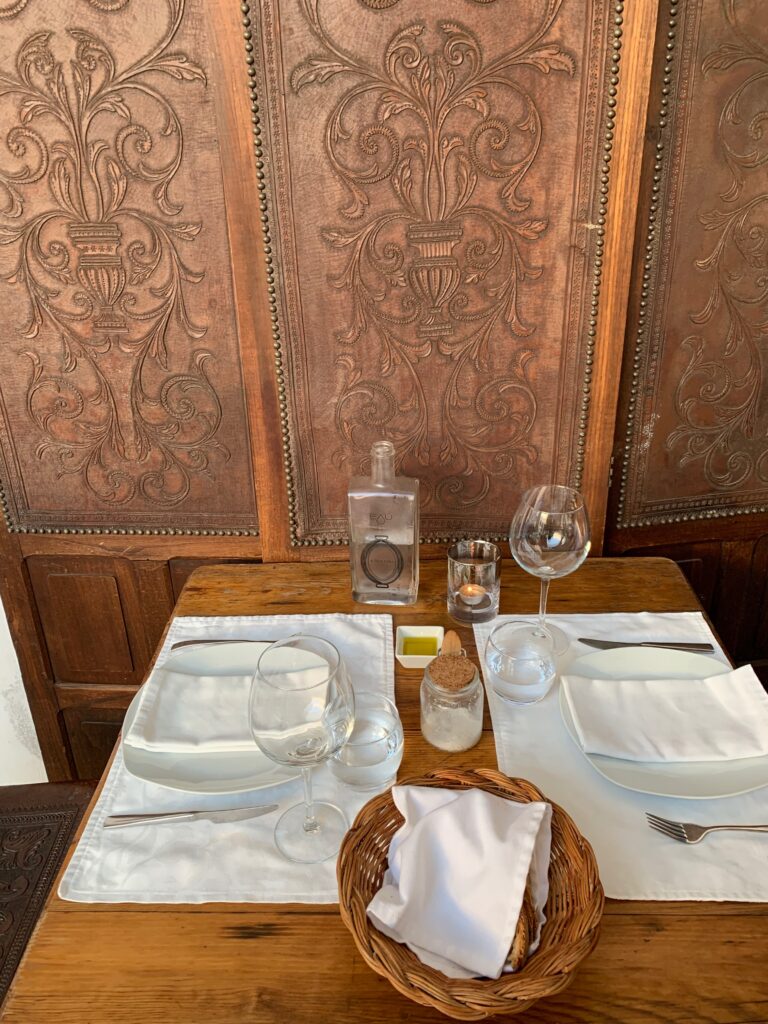
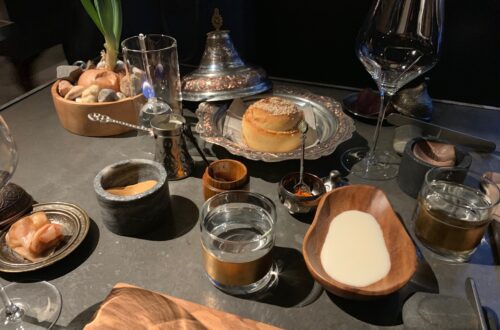
    The guest area is high-class, whether we look at the materials or at the tiniest details. It is enhanced with a beautiful bar, where they pay great attention to both mixology and the assortment of fine wines. For instance, the wine list includes several highly elegant and special items.

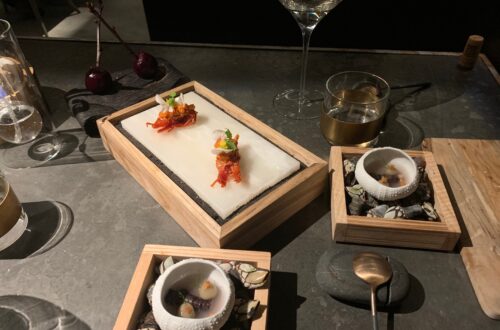
    Let’s take a look at Caviar & Bull’s gastro concept: they lead a laid-back and bohemian Mediterranean cuisine in a fine-dining environment. Furthermore, they also like “sharing”, which means that when, for instance, a couple orders a degustation menu, the courses come served on one plate with two extra plates on the side in order to enable them to enjoy the intimacy of sharing a meal. We like it, but if you prefer to follow Joey Tribbiani’ rules, do not be surprised here.

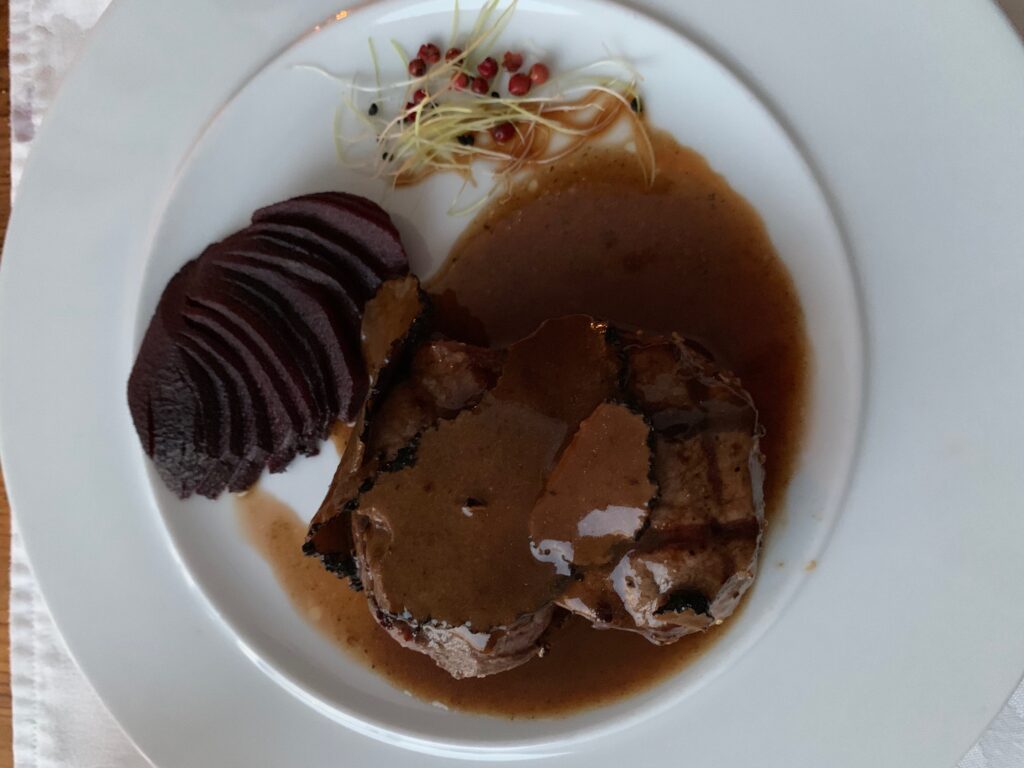
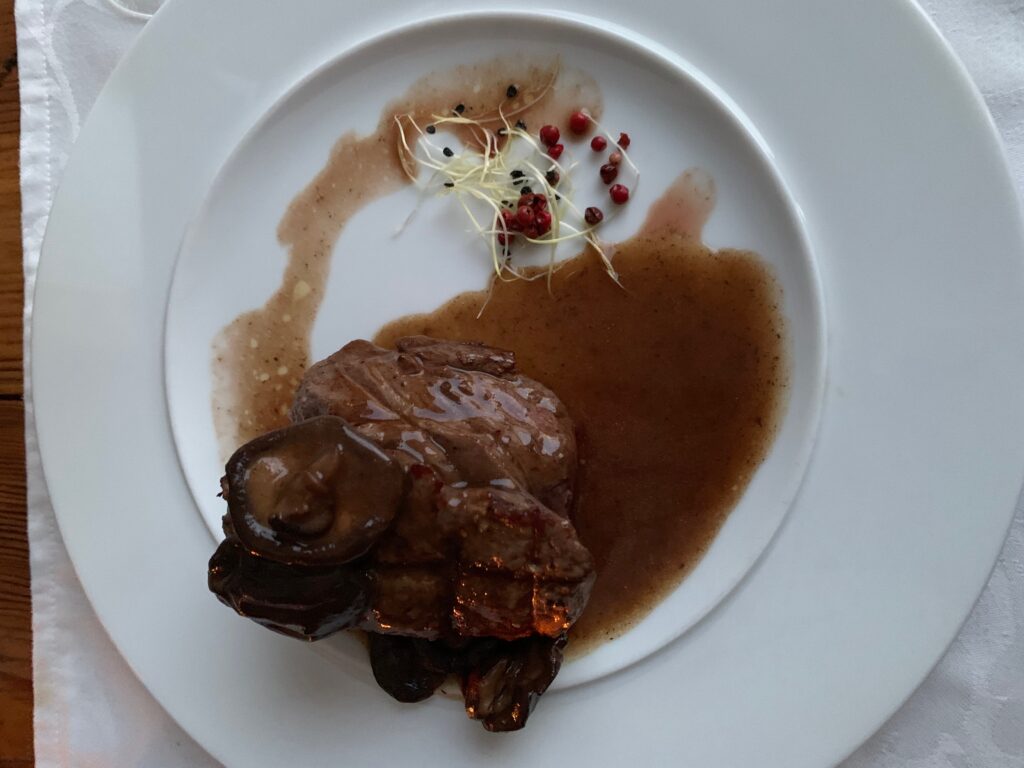
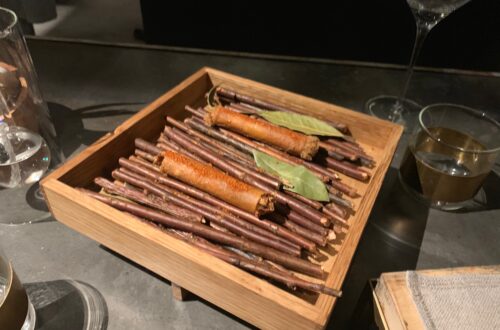
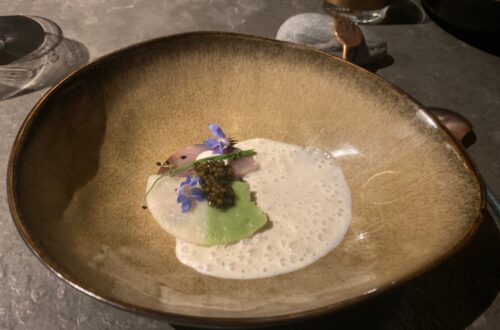
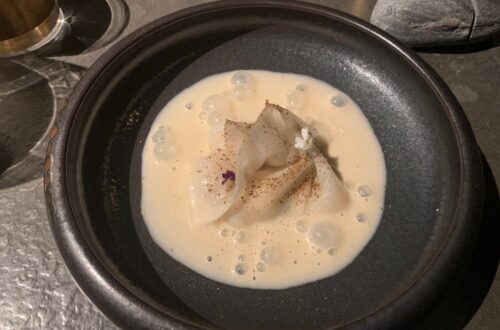
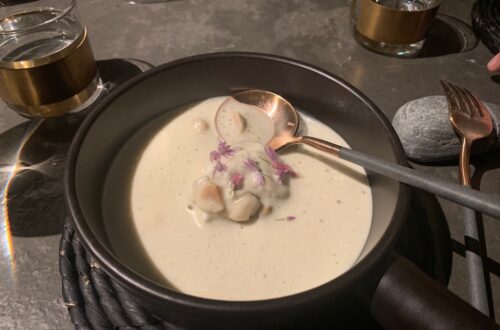
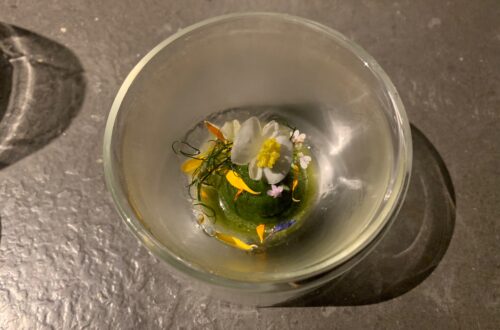
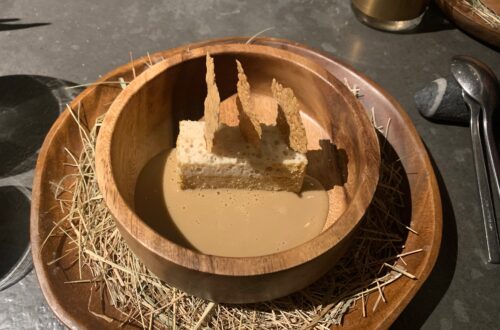
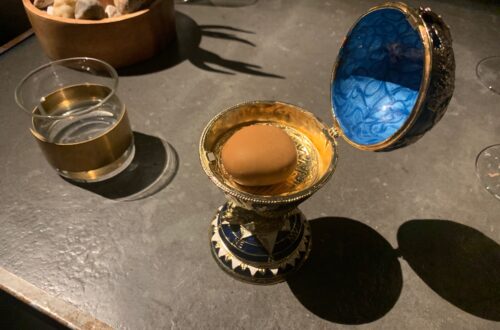
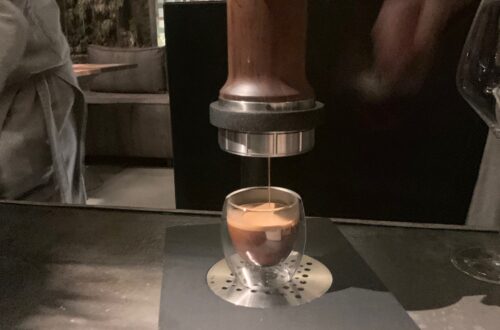
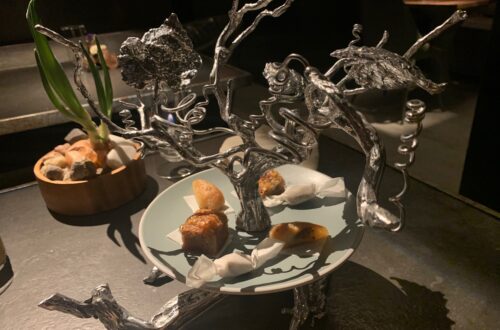
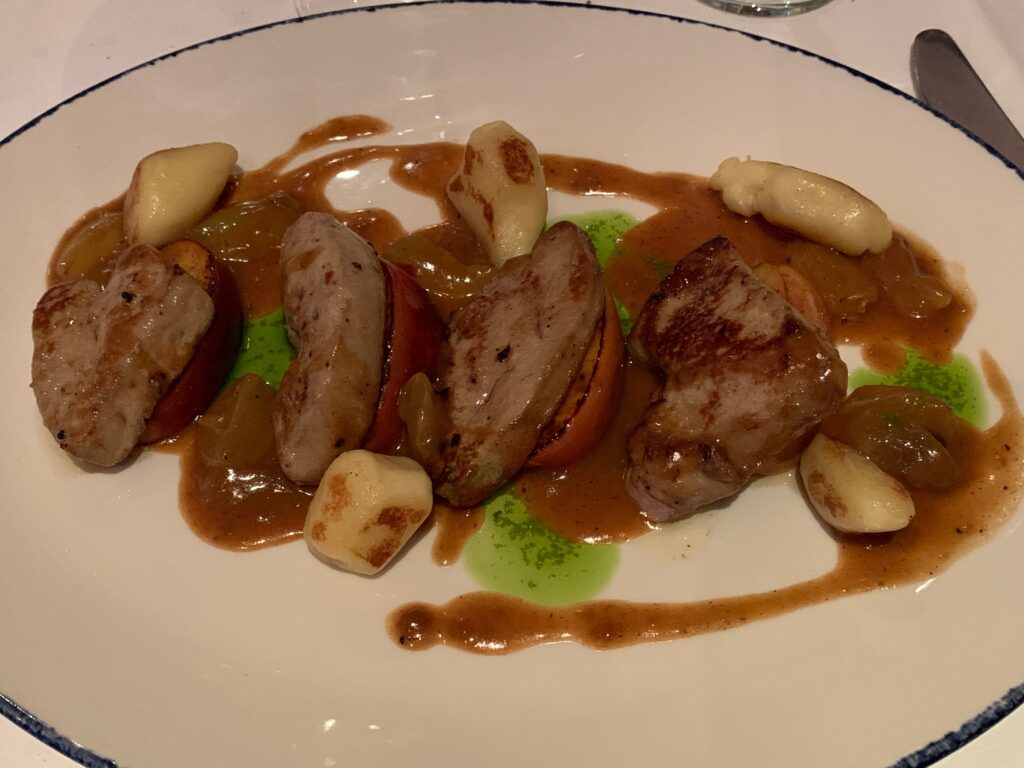
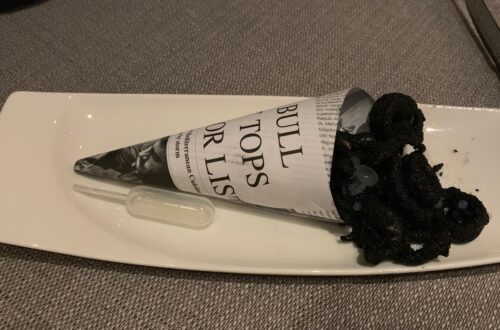
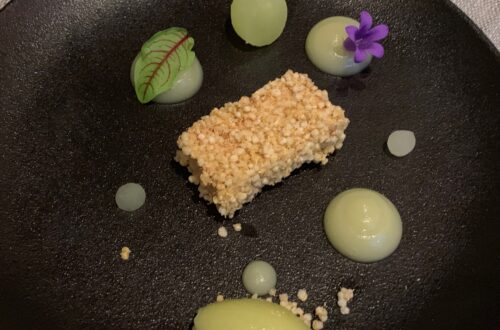
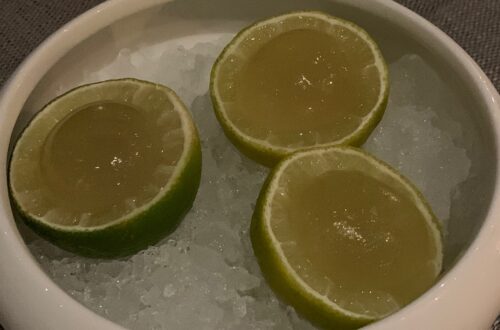
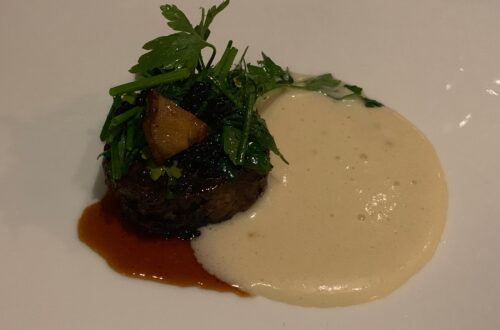
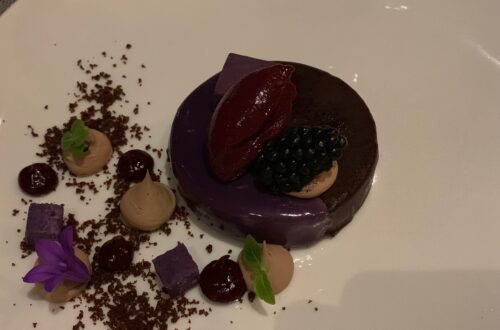
    The menu is lengthy and not simple, just as we expected from a Mediterranean eatery. Sergi Huerga Marin let his fantasy unwind, aiming to present the flavors of the Mediterranean Sea. They even did some “magic” during our visit, and this is how both the wagyu (5,200 HUF) and the salmon carpaccio (4,900 HUF) came served with smoke kept under a glass bell and with attentive pairings. They professionally create a sweet-savory-bitter-sour harmony of flavors in their meals. Their goose liver (5,600 HUF) course comes with walnut and blueberry jam, roasted brioche, Tokaji Aszú (a Hungarian wine), balsamic vinegar caviar, and pear and apple purée. Many of these meals are also served in the restaurant in Malta, however, Caviar & Bull shoots towards a Michelin star, hence they have to pay attention to using local ingredients, too. Therefore, we find Hungarian components in several courses. For example, the original Foie Gras from the Maltese menu was served with molecular caviar made of honey, but now, it is made from sweet Tokaj wine and the Beef Tartare is made with the inclusion of gherkins and paprika, which were not in the original Maltese recipe. There are not so many differences between the new Budapest restaurant and the original one in Malta, but many aspects of ‘Hungarian- ness’ have been seamlessly incorporated, such as the use of the local grey cattle, Mangalica pig, Foie gras, paprika and Tokaj wine, enhancing the dishes furthermore.

    Our waiter happily advised us to eat these meals with our hands instead of trying to get by with a knife and fork. Even Marvin said the same, who does not rest for a minute, but keeps crisscrossing between the tables; if he sees that someone is interested, he is happy to sit with them for a while, telling them about the restaurant and the meals, or even asking these guests about their experiences… whether they are Budapest residents, or from as far away as Abu Dhabi.

    Comments Off on CAVIAR AND BULL – Budapest
  • Budapest

    Budapest

    IMG-3071

    Budapest (made of Buda, the old town, and Pest, the new part of the city) owes its beauty to the hand of history that has shaped it the way it is. Overall, it has a fin-de-siecle feel to it, for it was during the capital’s ‘golden age’ in the late 19th century that most of what we see today was built. And in Budapest the past is just around the corner, with bullet holes and shrapnel pockmarks on buildings and poignant memorials. But there is also much joy as loved concert halls and theaters are built and renovated, metro lines extended and busy streets repaved and pedestrianized.

    Here is our proposed itinerary to merge in its beauty in 3 days. If you have time we do suggest checking out the thermal baths and the little village of Szentendre.

    Day 1 - Parliament and jewish quarter

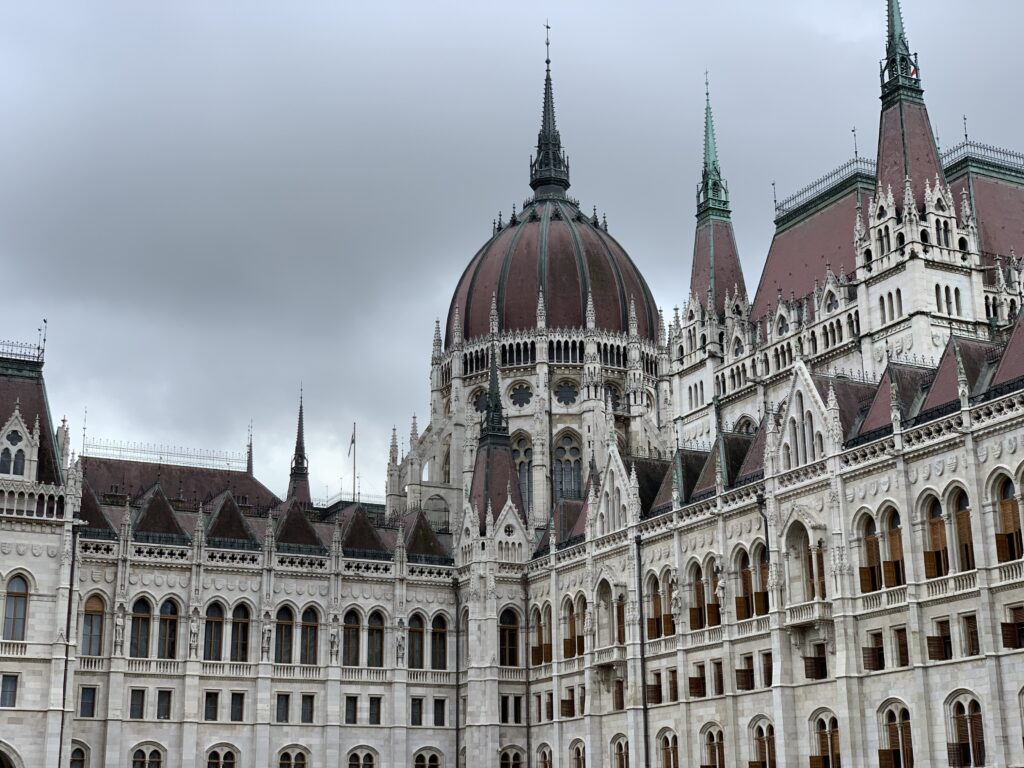
    Start your itinerary from the parliament. 

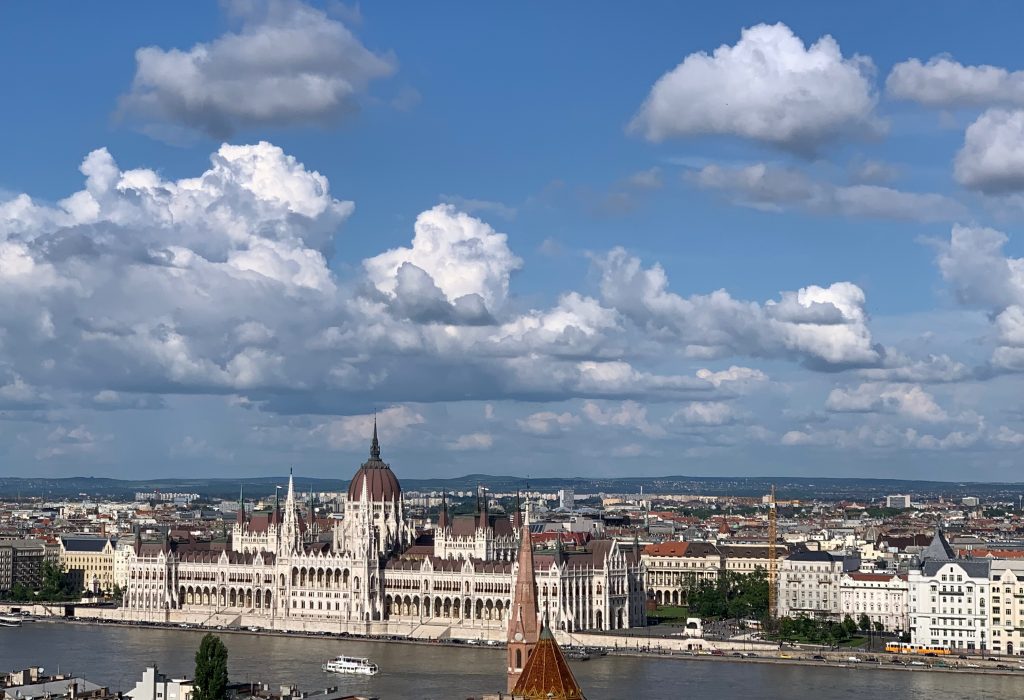
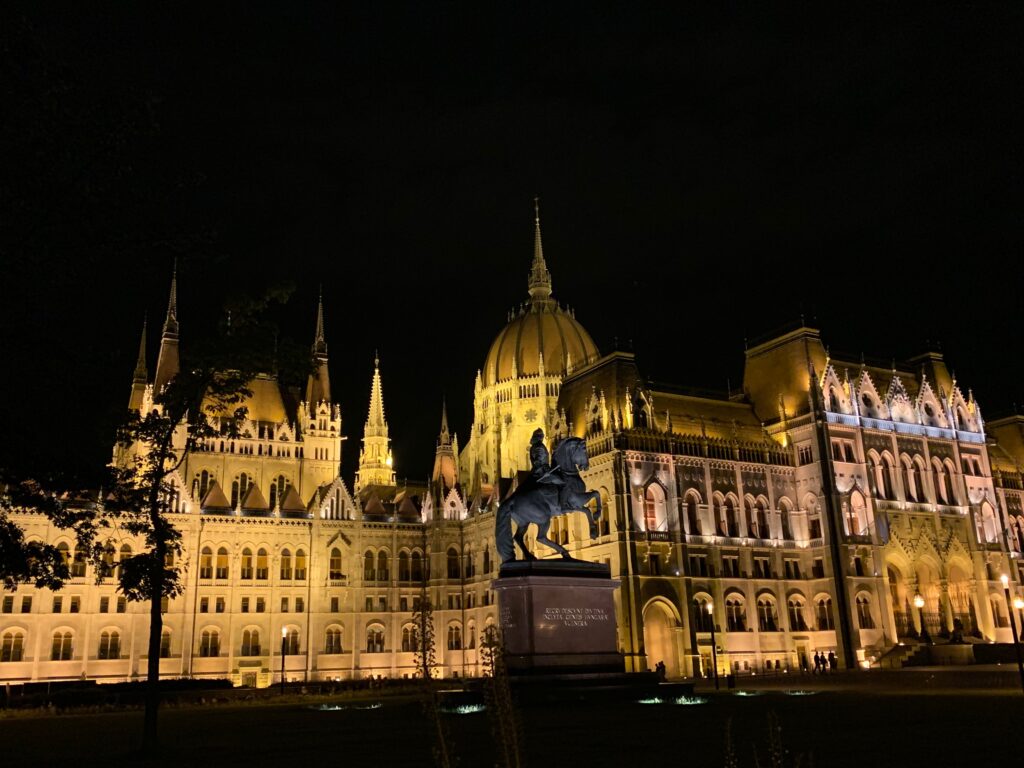
    It is hungsry largest building, stretching for 270 m along the danube in pest. The choice of the location is not made by chance. As a counterweight to the royal palace that rises high on buda hill on the opposite side of the river, the placement was meant to signify that the nation’s future lay with popular democracy and not royal prerogative. TCompleted in 1902 the structure is thought to have been inspired by london’s rebuilt palace of Westminster. The building is a  blend of neo gothic, neo romanescque and neo baroque, with sculptures of the great and the good – kings, princes an hystorical figures – gazing onto the river from the western façade, ehile the main door, the lion gate has been recently renovafted. Unfortunately not a lot of attention (or money) was spent on the materials for the building: the ornatevstructure was surfaced with a porous form of limestone that does not resists pollution very well, so the bulding is under constant renovation. Circle it from the outside, ticketed vsits are feasible but they will take a full morning and they need to be booked in advance.

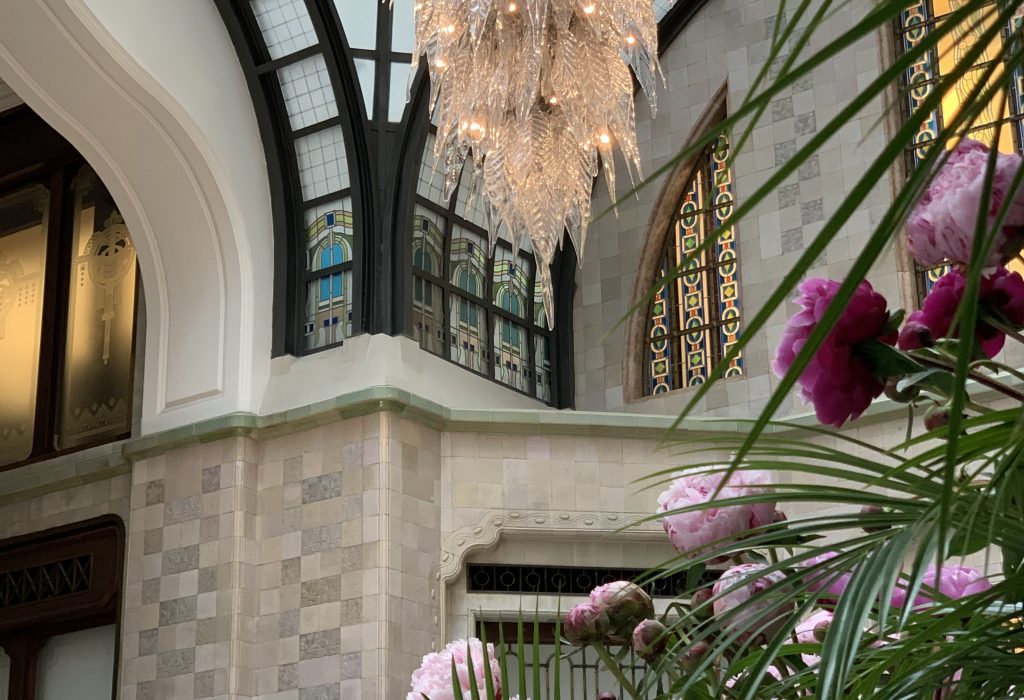
    Facing the parliament, walt to your left throught the gardens of Kossuth Lajos square separating it from the official governements buildings. Continue straight through a dedalus of small streets till you reach the X gardens. From there admire the view on your left of the Szechenyi Lanchid bridge, then turn right towards th historical Graham building that now hosts the Four Season Hotel. Walk the lobby with its art deco style and exit to the left into the pedestrian zrinyi u. 

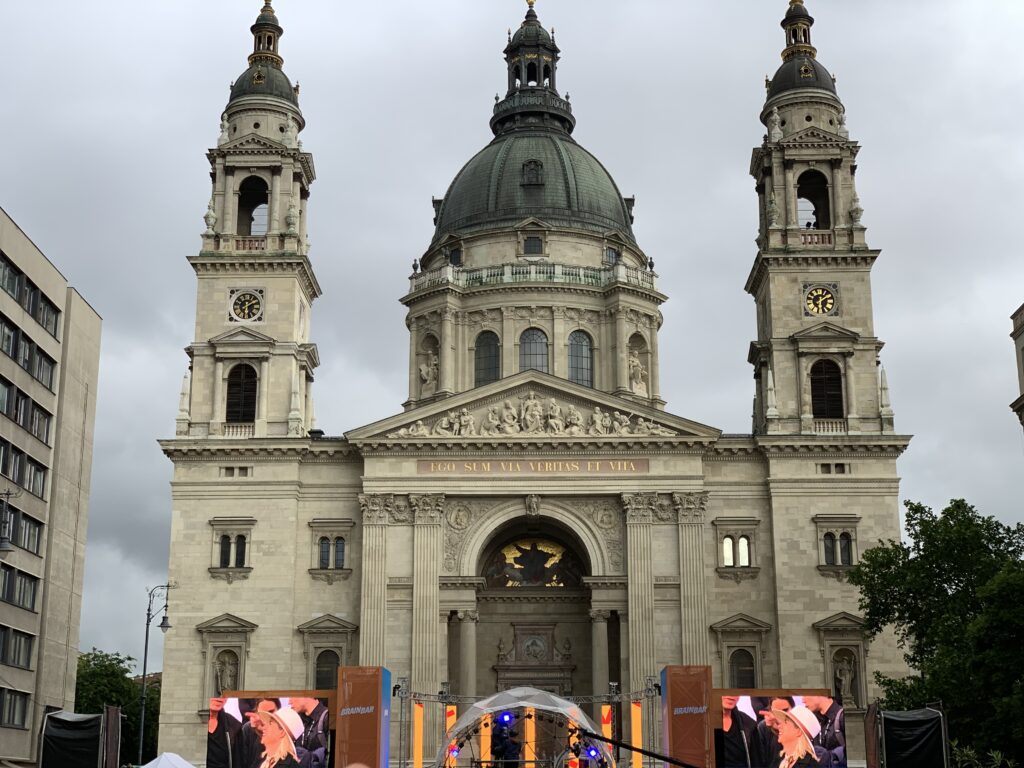
    Walk it towards Sain Stephen basilica.

    IMG_2993

    It s the most important catholic church in all of hungsry, if for no other reason than that it contains the mummified right hand of the chirch patron. It’s neoclassical, in the form of a Greek cross and can accommodate 8000 worshippers. It took 60 yers to be completed in 1905. The façade is anchored by 2 bell towers, one of which contains a bell weighting 9 tonnes (even if av replacement for one looted by the Germans). Behind the towers is a 96 m-high dome that can be reached by 2 lifts and 40 steps (or 303 steps if you want to walk).

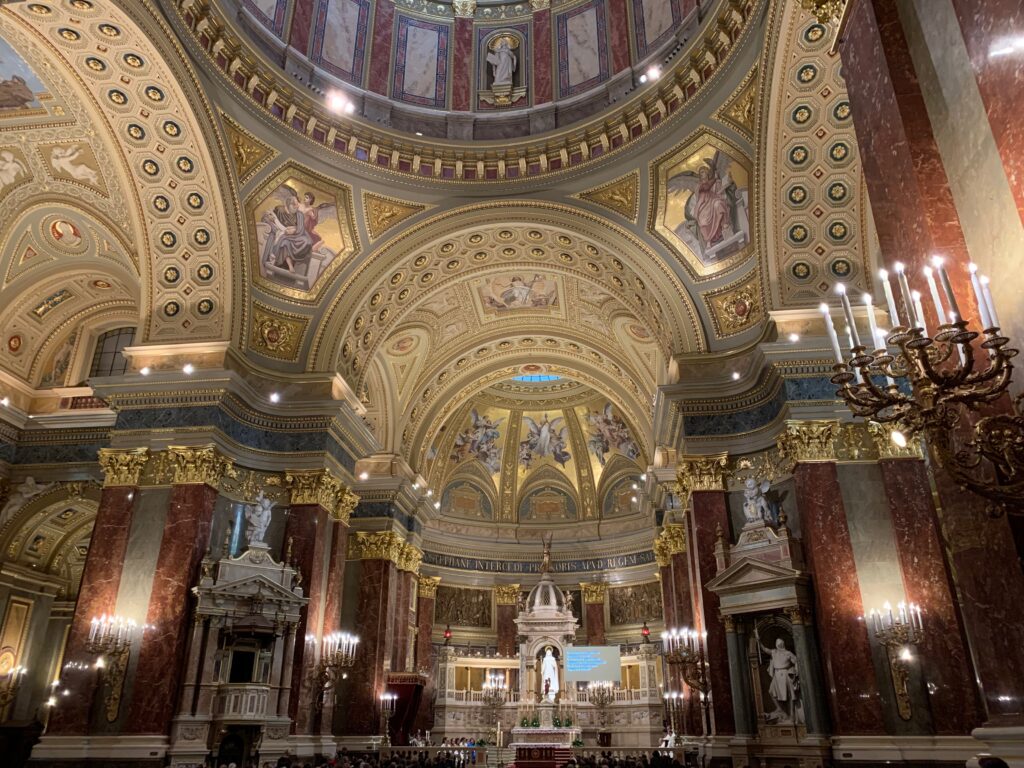
    The interior of the basilica is rather gloomy and dark, with the sole exception of the golden mosaics on the inside of the dome. Behind the altar and to the left is the basilica’s major drawcard: the holy right chapel, that contains the Holy Right, the mummified right hand of st Stephen. It was restored here by empress maria Theresa after being found in a monastery in bosnia, snatched after ww2 but soon returned. If you put a 200ft coin in the slot to illimunate it, and look from the right side, you will see the knuckles.

    Guded tours in English deprt at 9.30, 11, 2 and 3. At 8 pm organ concerts are hekd here, on Thursdays an Fridays. Free and worthwhile.

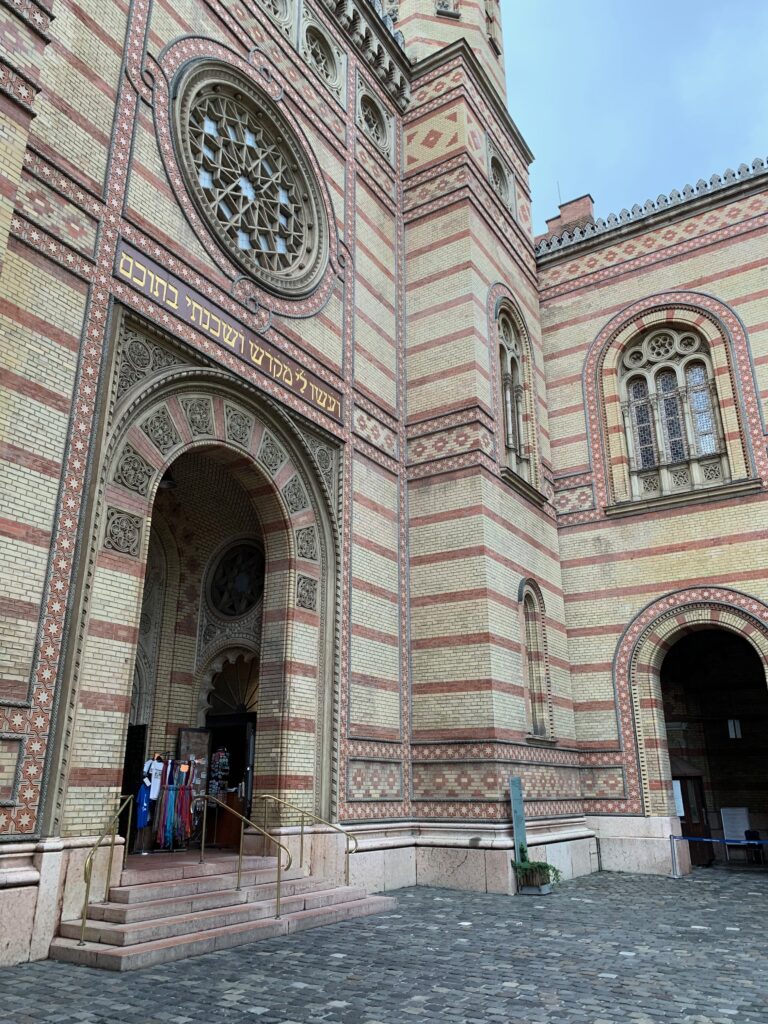
    When out of the basilica take a left and walk towards the Danube to the eclectic Vaci utca. Once you reached Erzsebet hid, turn left towards the Dohani Sinagigue. With its crenellated red-and-yellow glazed brick façade and two enormous Moorish-style towers, is the largest jewish house of worship in the world outside New York City, seating 3000 worshippers. 

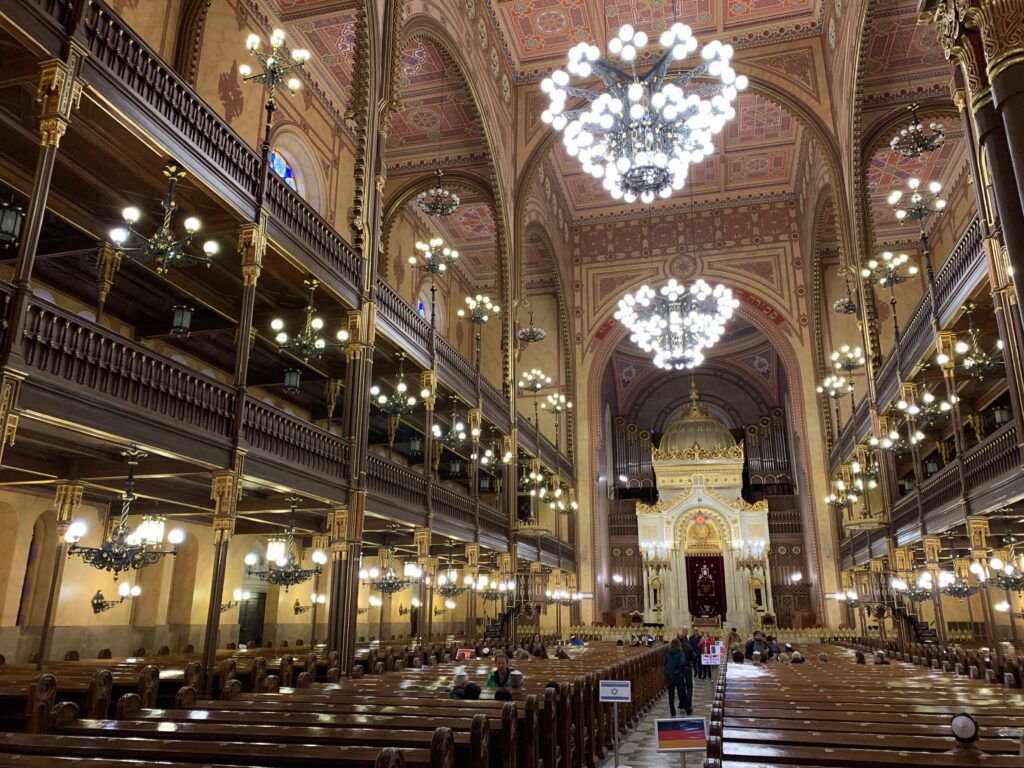
    After the security check, turn right towards the Synagogue entrance, wear your kippa and look for the flag of your country in the main aisle. There you will find a volunteer eager to tell you every secret he know about this sacred place.

    IMG-3016

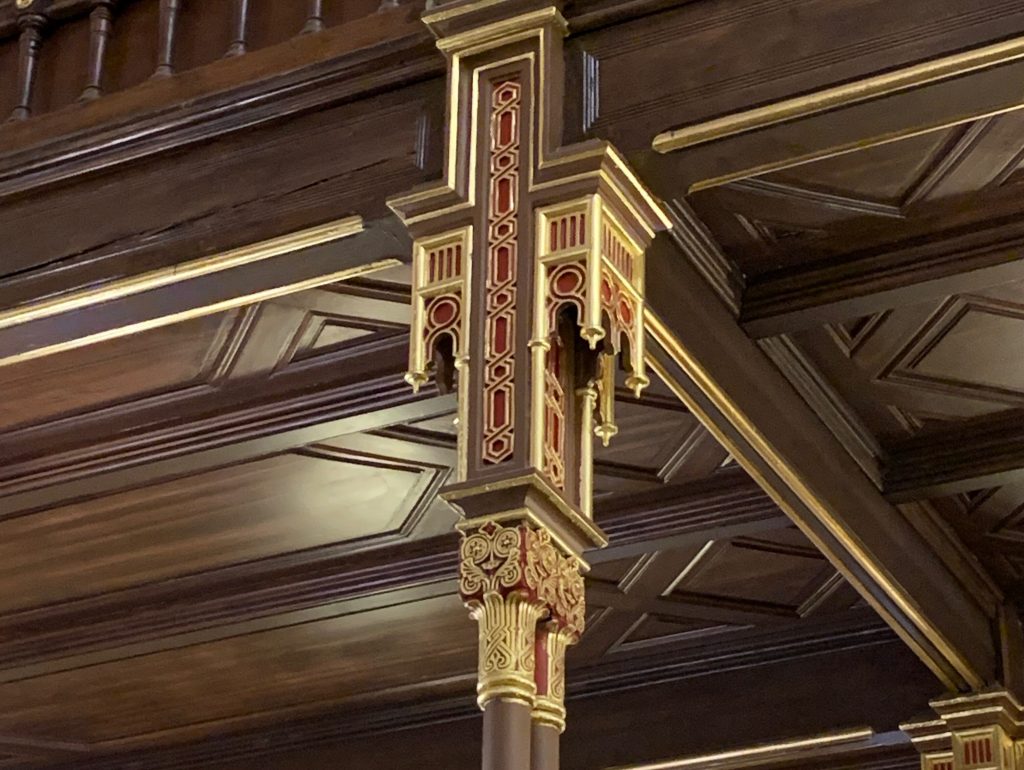
     You will learn that when built in 1859 the Synagogue created scandal among the most orthodox of the jewish community because of its sfarzo, the innumerevoli windows and the introduction for the first time of music (through an organ). The rose windows, especially the central one, recall some leements of Christian churches; furthermore, an organ in a synagogue had never been heard of (mind, the organ is technically not ‘inisde’ the synagogue and is played by a non jewish so that no jewish is working o a Saturday even by playing an organ). These “innovations” and the nicknsme “the jewish cathedral”, led to the orthodox jewish bulding their own more somber synagogue just some meters away (Rumbach Synagogue) and to a scism inside the jewish community: non-ortodox jewish started cutting their hair, the beard, in 1853 the hemancipation lwas were promulgated so that jews could marry non-jews.

    All around the synagogue you may notice the six pointed stars f the Azkenazy jews, along with the less known 8 pointed star of the Sephardites jews from spain: this second symbol, the Solomon star, is an universal symbol of happiness.

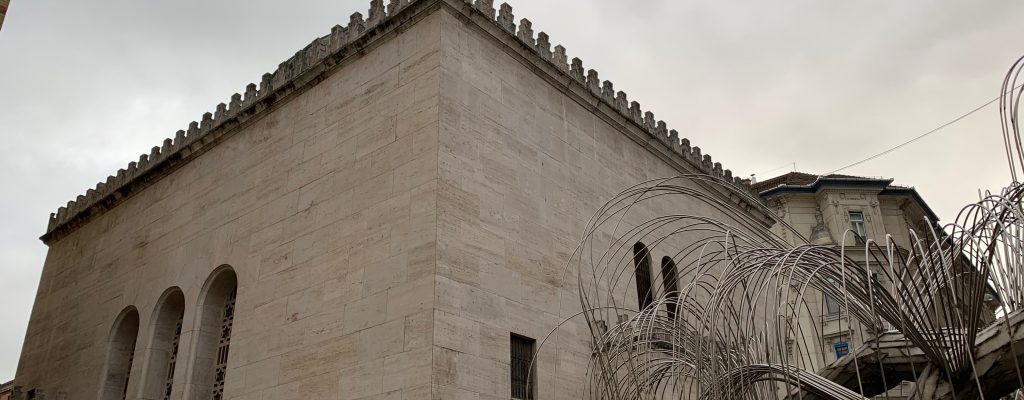
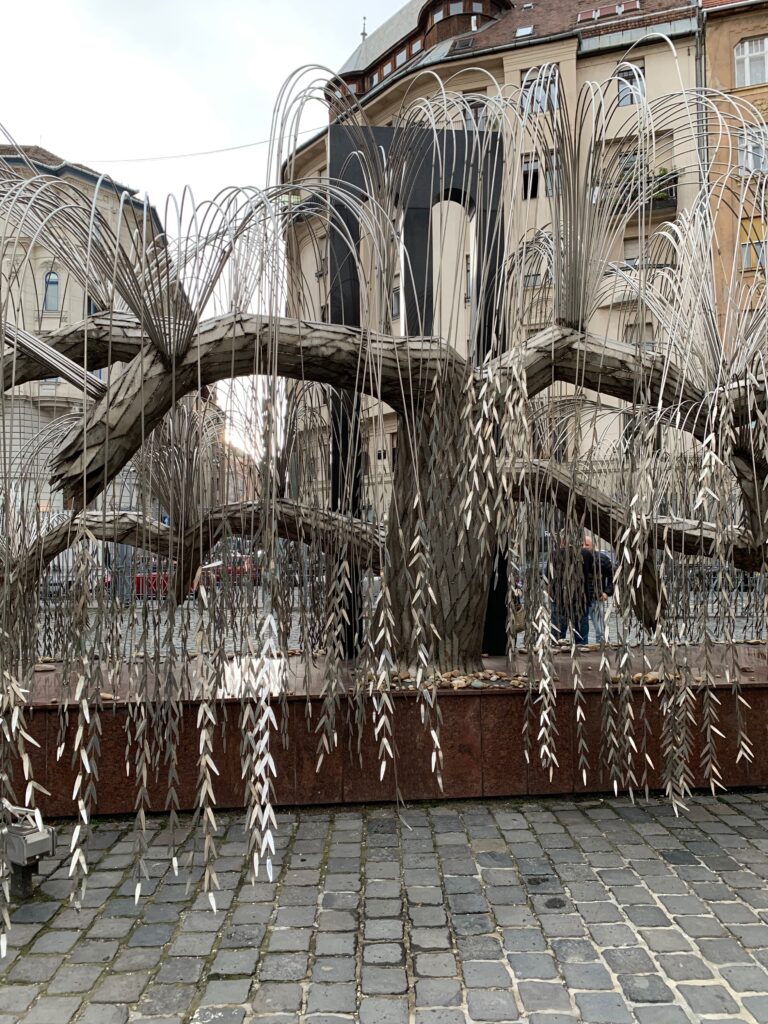
    Your guide will take you outside of the synagogue, through the cemetery and into the back garden. Your attention will be immediately captured by a metallic sculpture of a tree, but turn left first and adimere the temple of heroes: this a a classically built synagogue, rectancular, with no decorarions and a cupola on top, dedicated to all the jews that lost their life in the 15-18 war. Both the main synagogue and the Temple are pointing towards Jerusalem.

    IMG-3020

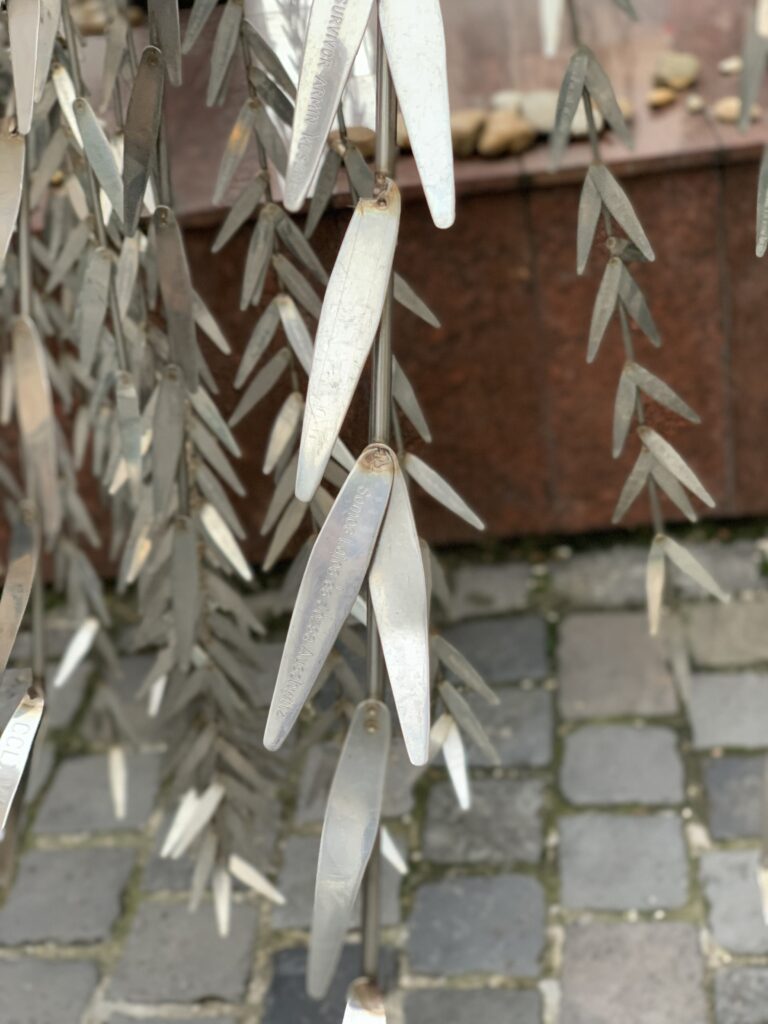
    Very surprisingly the II WW did not affect massively the Hungarian jews during the first years. On the contrary, Humgary was a refuge for all the Jews of the neighbouring nation, running away from the Nazi’s deportation. Onli in 1944 this safety collapsed and in 1 year 650.000 hungarin jews were deported. To these martirs it’s dedicated the tree of life,  a metallic sculpture of an olive tree were every leaf has engraved the name of a deported Hungarian Jew. The tree is shaped like an upside down menorah (the 6 armed jewish candelabra) and behibd it there are Moses tables of the law: the protation of the menorah and the absence of words on the tables signifies the absence of any law during the genocide and the upside down world they were living in. No flowers decorate the base of the tree, but pebbles and stones; during their 40 years in the desert, Jews had no flowers for the tombs of the dead anc could only cover them with stones.

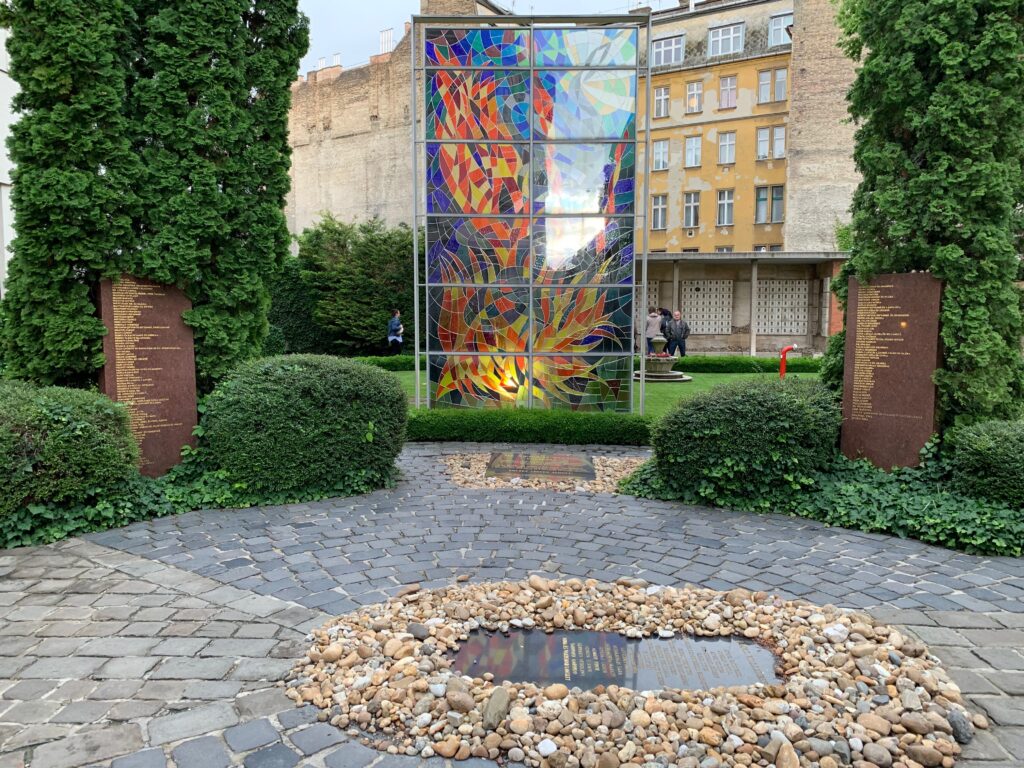
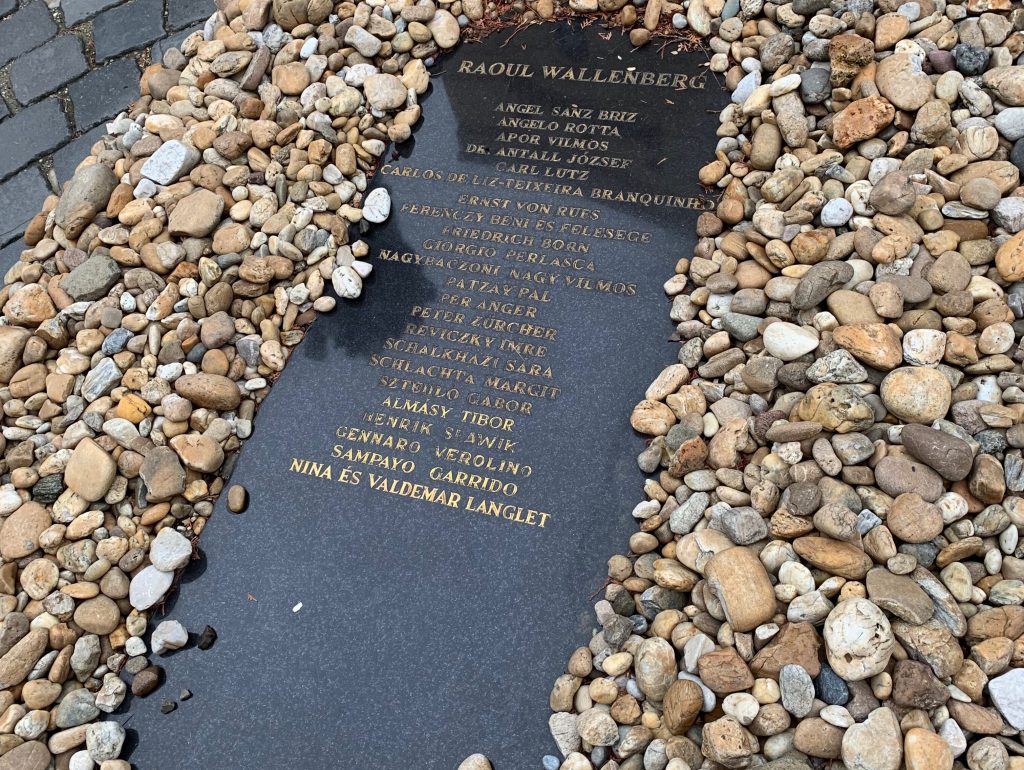
    But during the dark times of 1944, several people saved hundreds of lifes, by hiding and protecting the persecuted jews: their name are engraved in the steli of the Garden of the giusti, right behind your back. On the ground, what looks like a tomb is instead dedicated to the “Schindlers” of Budapest, the impresario that protected the persecuted jews. I was very proud to see the name of the Italian patriot Giorgio Perlasca who saved so many innocent lives.

    IMG-3024

    And finally the glass sculpture signifies the eveliness of the Nazis purified by fire.

    The visit will end with your exit through a small gate at the back of the synagogue. Continue forward and take a left, walking towards the opera house.

    From the opera house, premiatevi by walking to Caviar and Bull for a nice fancy dinner.

    Day 2 - Castle District

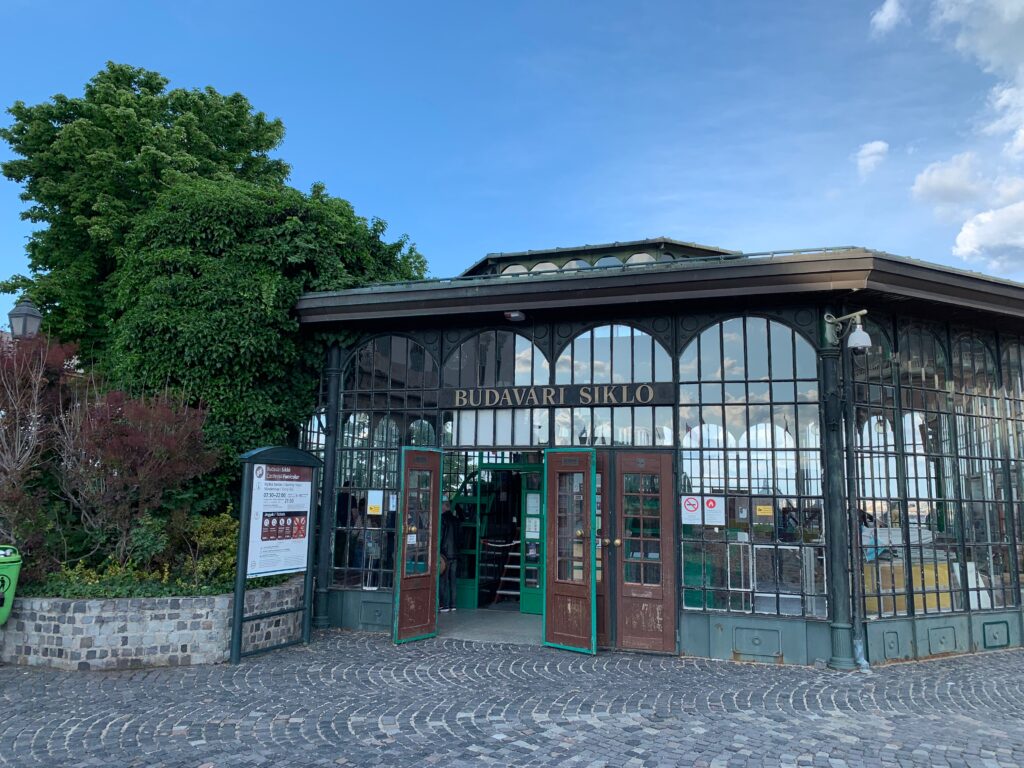
    Castle Hill (Varhegy), also called the Castle Quarter, is a 1km-long limestone plateau towering above the Danube. The walled area consists of two distinct parts: the Old Town to the north, where commoners lived in the Middle Ages; and the Royal Palace, the original site of the castle built in the 13th century, to the south. There are many ways to reach Caste Hill, but the most fun is to board the Siklo, a funicular railway built in 1870 that ascends from Clark Adam ter at the western end of Chain Bridge to Szent Gyorgy ter near the Royal Palace.

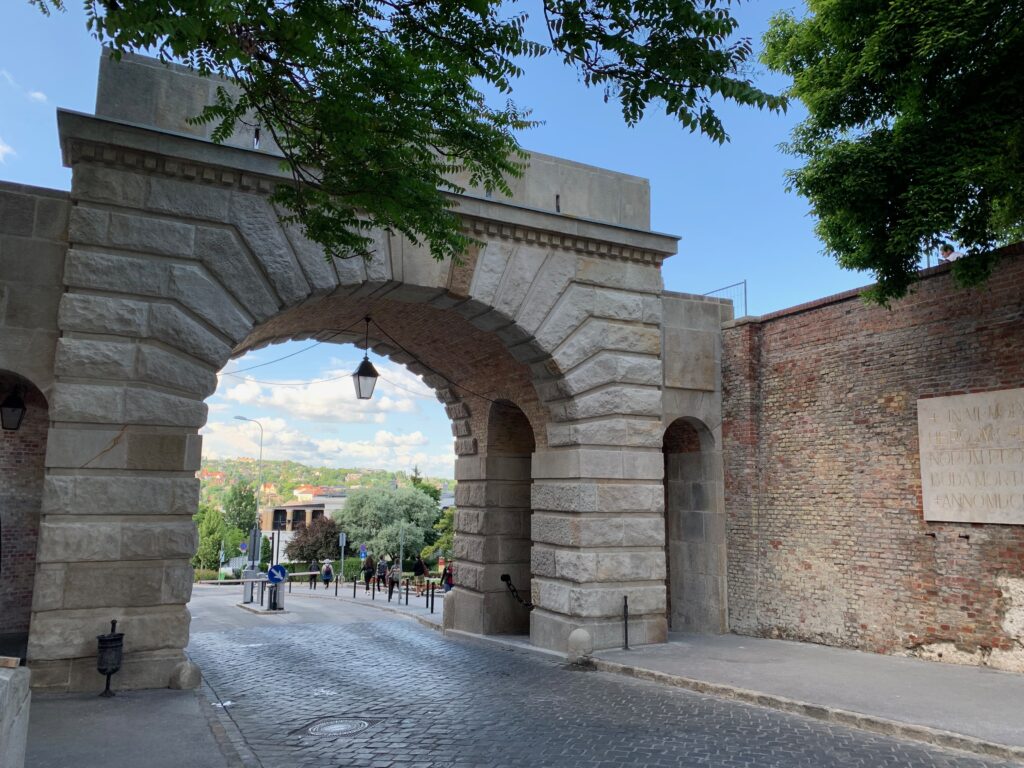
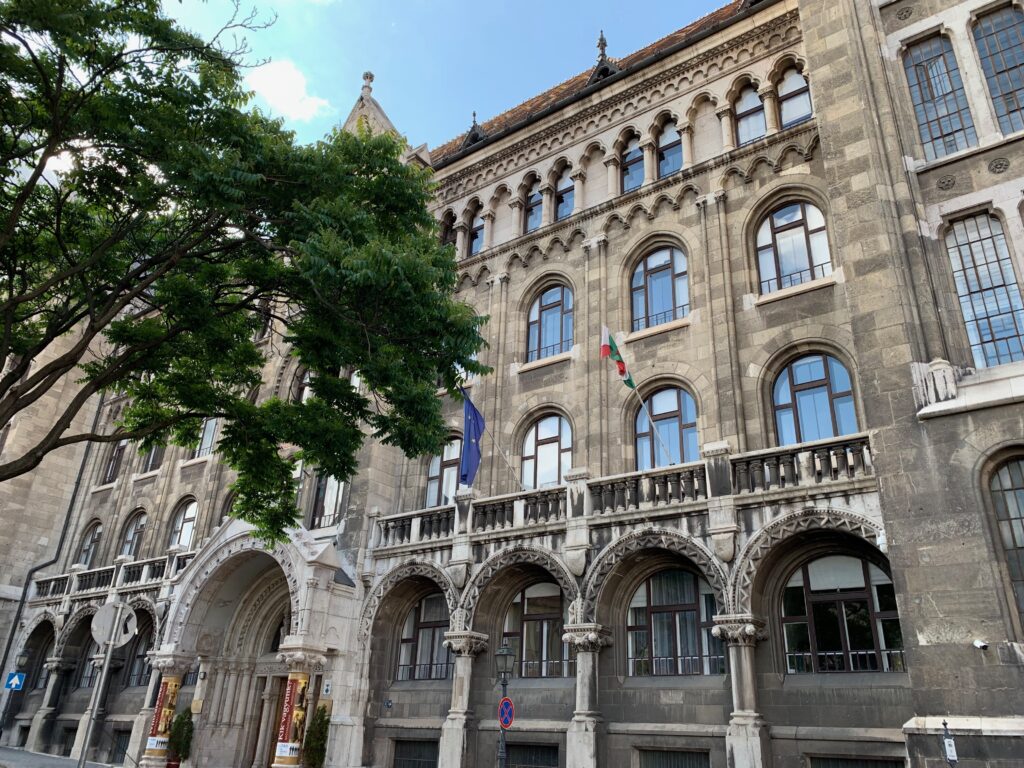
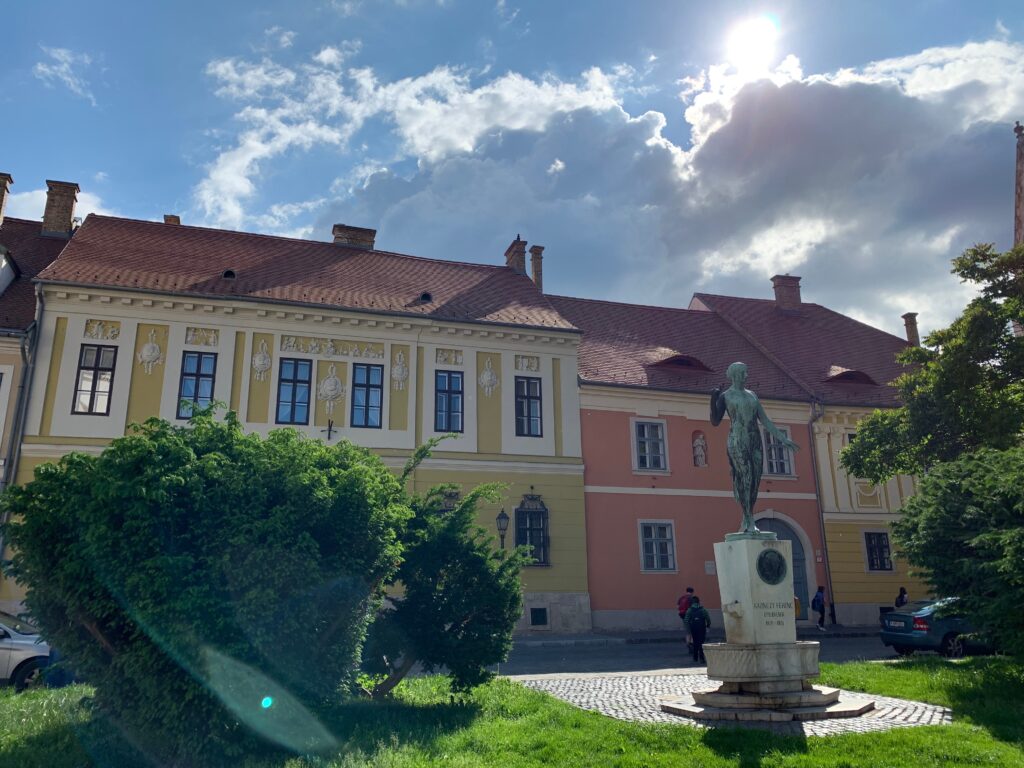
    Walk up Varfok utca from Szell Kalman ter to Vienna Gate, the medieval entrance to the old town. The large building to the west with the superbly colored majolica-tiled roof containes the National Archives (Orszagos Leveitar; 1920). To the west of Becsi kapu ter (Vienna Gate square) – a weekend market in the middle ages – is an attractive group of burgher houses.

    Vienna Gate
    National Archives
    Burgher houses

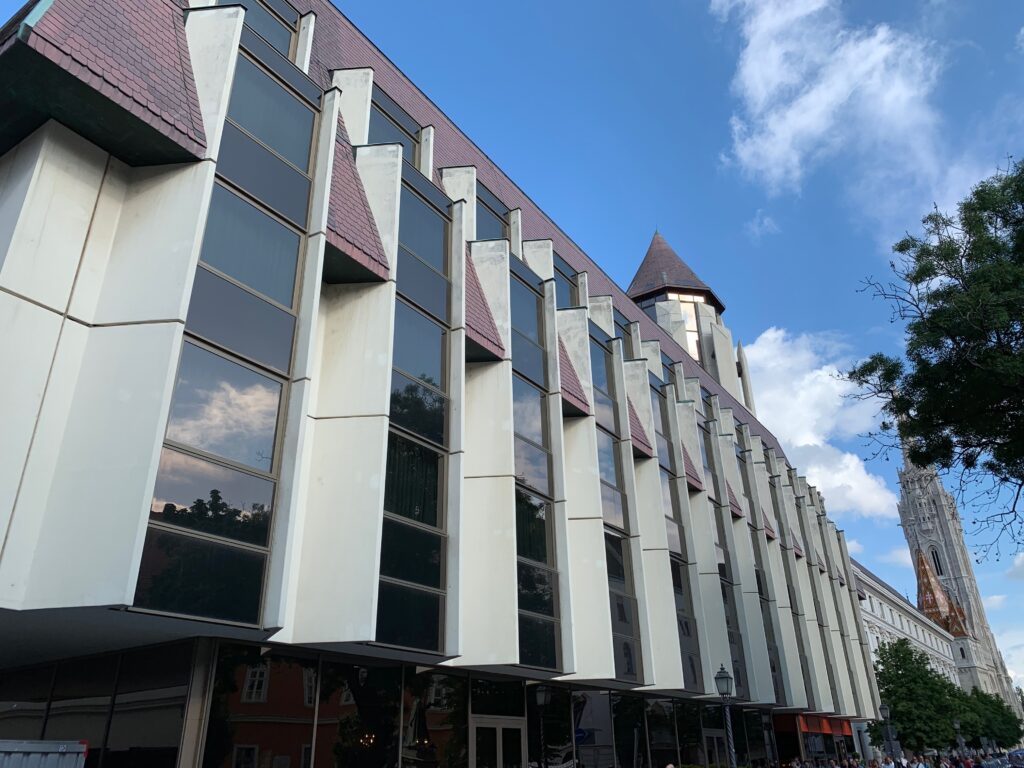
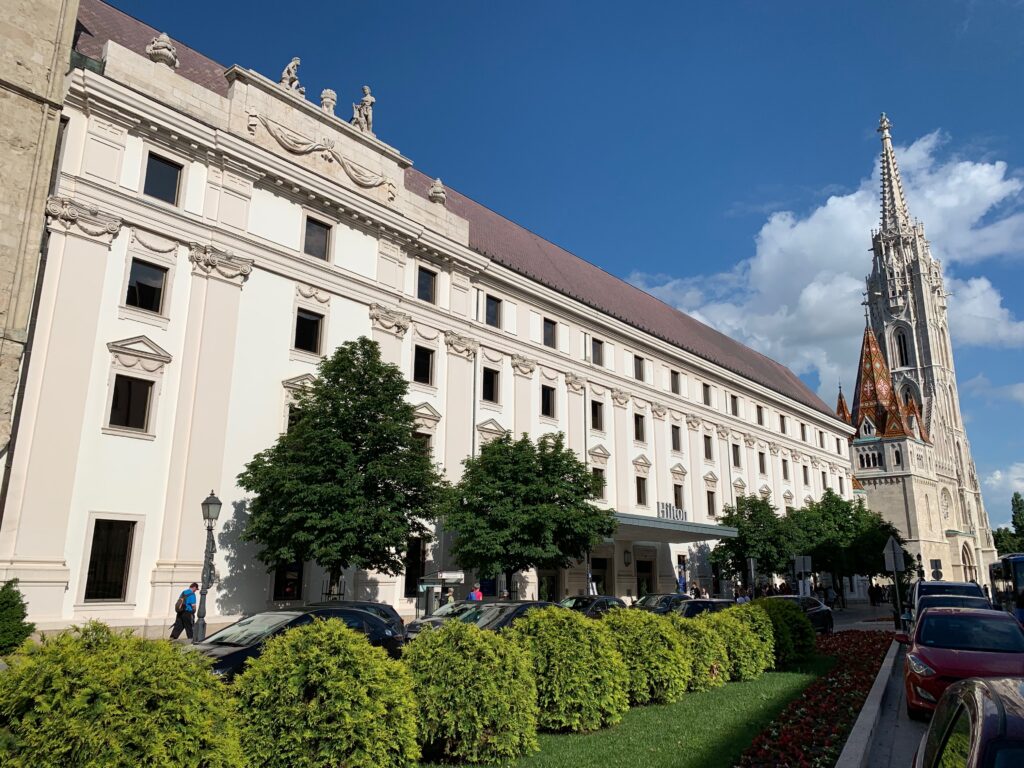
    Narrow Tancsics Mihaly is full of little houses painted in lively hues and adorned with statues. In many courtyard entrances you’ll see sedilla (13th century stone niches perhaps used as merchants stalls). Further along the road to the south-east at Tancsics Mihaly utca 9 is the former prison where the leader of the 1848-49 war of independence was held. The architecturally controversial Hilton Budapest incorporating parts of a medieval Domenican church and a baroque Jesuit college, is further south. 


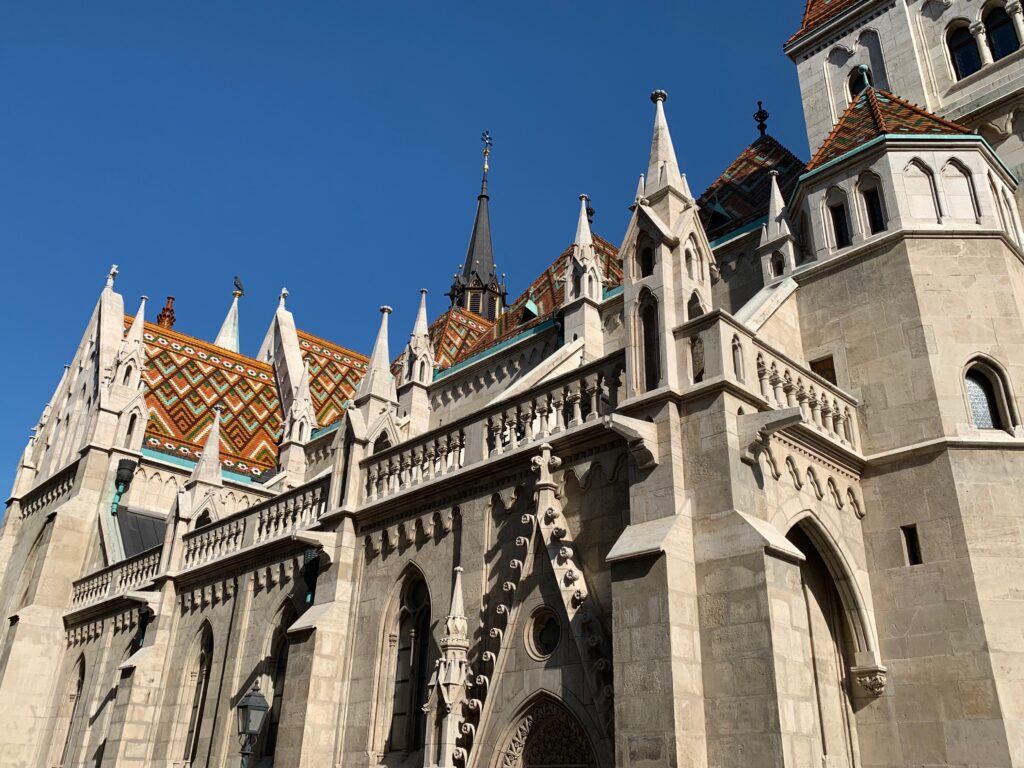
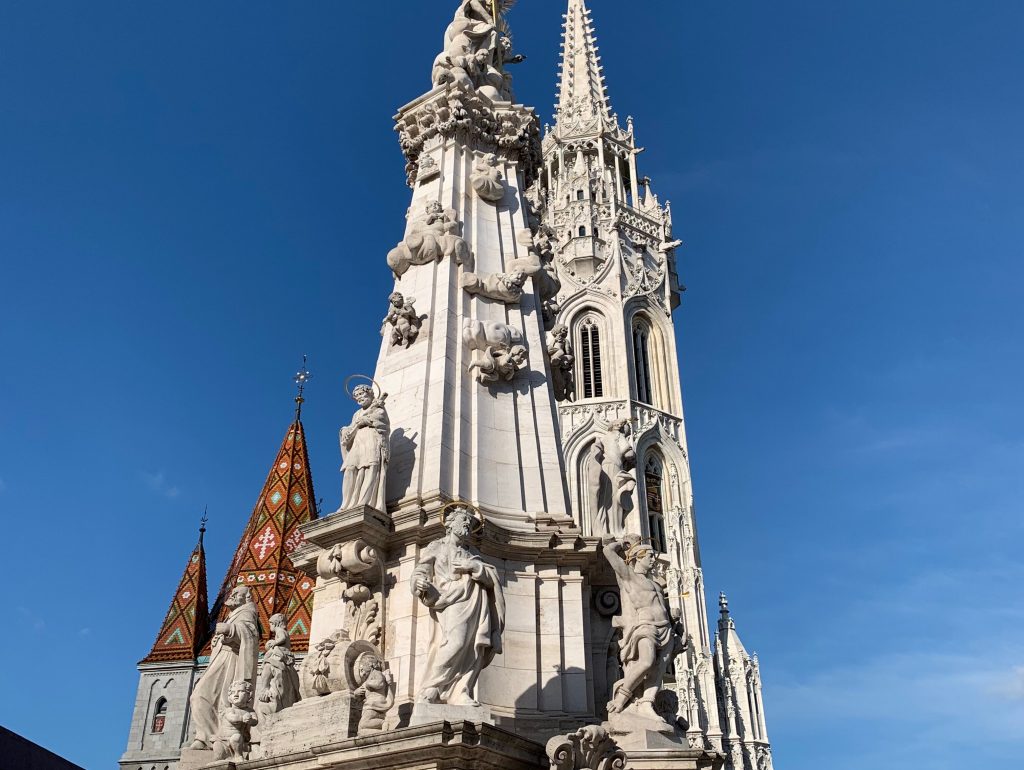
    Just past the Hilton you will have on your left Matthias Church, a neo-Gothic creation designed in 1896 and so named because King Matthias Corvinus married Beatrice here in 1474. The church has a delicate spire and a colorful Zsolnay-tiled roof. Organ concerts take place here on ceratain evenings (usually Friday and Saturday at 8 pm), continuing a tradition from 1867 when Franz Liszt’s Hungarian Coronation Mass was first played here for the coronation of Franz Joseph and Elizabeth.

    IMG-3077
    IMG-3069

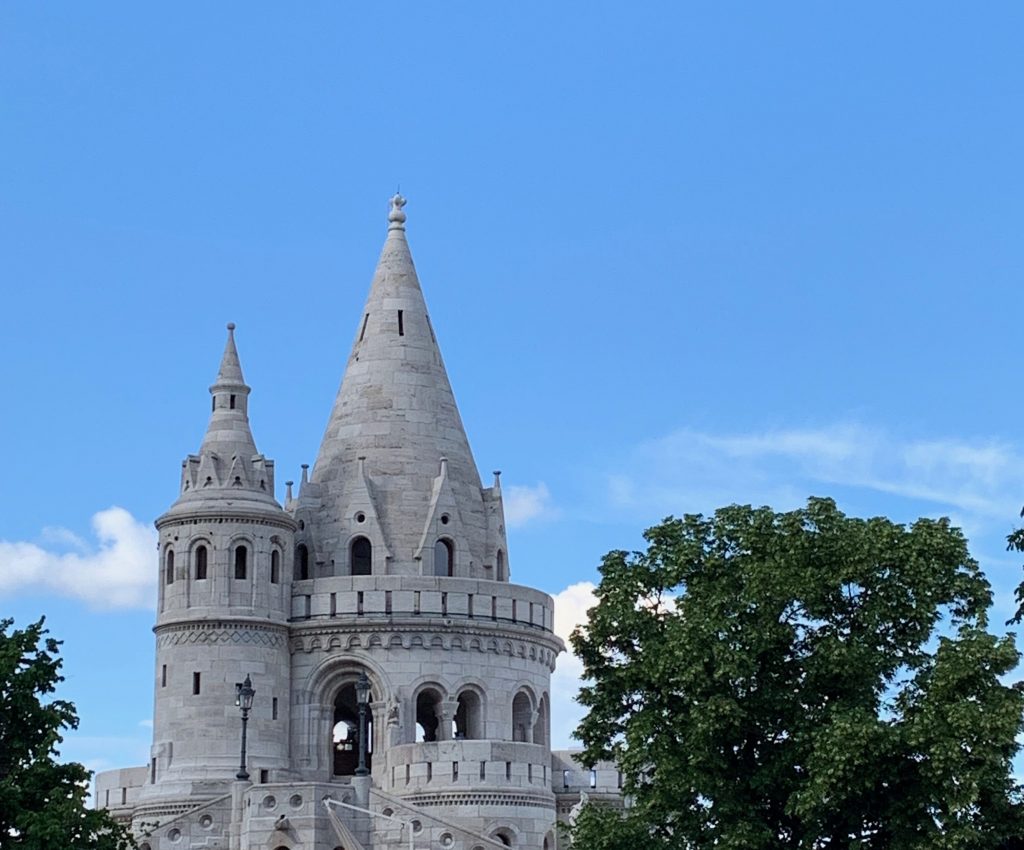
    The same architect that built the church, in 1905 designed a viewing platform right behind it that took the name of Fishermen’s Bastion. The bastion is a neo-Gothic masquerade that looks medieval and offers among the best views in Budapest.

    The bastion’s name was taken from the medieval guild of fishermen responsible of defending this stretch of the castle walls.

    The panorama terrace was built with the idea to recall the old times, thus the bastion looks rather like a fairy tale castle. From here you have the best unobstructed views of the entire Budapest downtown, Parliament Building and Danube River. 

    The café serves beer, sandwiches, and cakes in a very casual atmosphere. The Bastion can be visited during the day time for a small entrance fee, but if you come at night you can easily bypass the small metal gate and see the towers and terraces. 

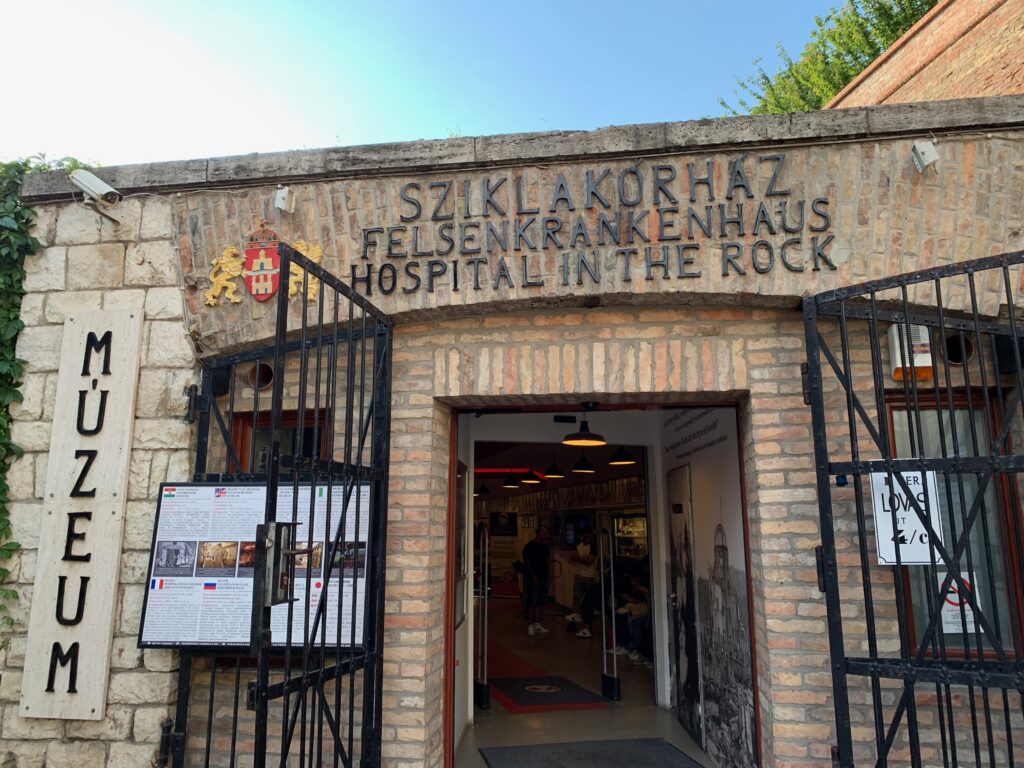
    Below Castle Hill is a 2km-long network of caves formed by thermal springs. The caves were used formilitary purposes during the Turkish occupation, as air-raid shelters during WWII, and as a secret military installation during the Cold War. Two sections ca be visited. The Buda Castle Labyrinth is a 1200m-long system 16 m under the Castle District that explores how the caves have been used since prehistoric times in five separate labyrinths encompassing 10 halls and galleries. It’s good fun and a relief from the heat of a hot day, but it can get scary if you lose your way or when you have to tour it with lanterns after 6pm. Far more instructive is the excellent Hospital in the Rock; to reach it, walk to the western walls of Castle Hill and get the stairs or the elevator one level down. Step outside at the feet of the walls and turn right. The Hospital in the Rock gives guided tours every hour. 

    It was used extensively during WWII and again during the 1956 Uprising against the USSR. The visit starts with a 9 minutes video explaining the geological nature of the caves and how the major of Budapest constructed tunnels to join the caves before the War. An english-speaking guide will then walk you through tunnels that have nothing in common with those of the Labyrinth: they are corridors of a underground hospital that was perfectly functioning during WWII. It contains original medical equipment from the ’40s and 200 wax figures. The triage room, the ER, an operating room with 2 operating tables, the first anesthesia machine (featured in the movie Evita alongside Madonna…), and the wards make you go back in a time when this hospital was state-of-the-art and when the real war heroes were the doctors. In October 1944 a bombing destroyed the water supply and for 3 weeks infections spread among the wounded. A second part of the tunnel system will take you to the 1956 ward, showing the difference in the beds and equipment. The last 15 minutes of the tour will walk you through the newest section, built as a nuclear bunker during the Cold War. Gas masks, decontamination showers, everything was ready to face a new little boy/fat man that fortunately never happened. It is more meant to raise the awarness about what some of the nuclear bombs that are currently known could do to our cities.

    Take the elevator back to the walls and a final stroll towards the Royal Palace.

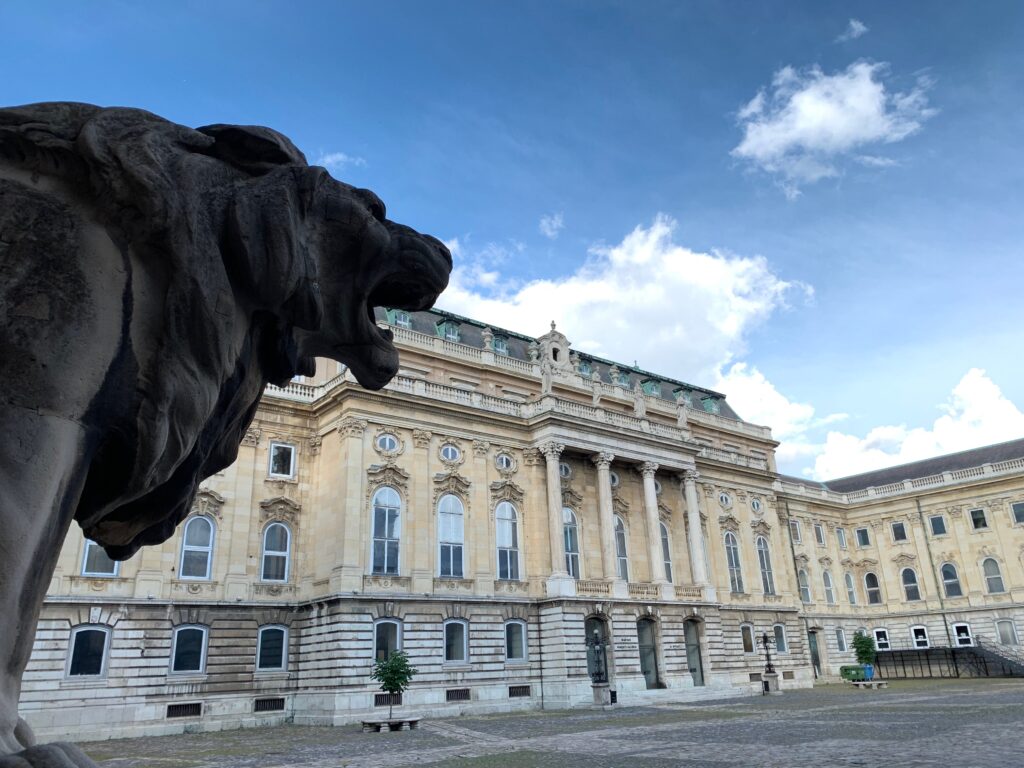
    The enormous Royal Palace has been razed and rebuilt at least six times over the past seven centuries. Bela IV established a residence here in the mid-13th century and subsequent kings added to it. The Palace was leveled int he battle to rout the Turks in 1686; the Hasburgs rebuilt it but spent very little time there. Today the palace contains two important museums, the National Library and an abundance of statues. There are two entrances. The first is via the Hasburgs Steps and through an ornamental getaway dating from 1903. The other way is via Corvinus Gate, with its big black raven symbolizing king Matthias Corvinus.

    Day 3 - Margaret Island and Erzsebetvaros

    Margaret Island (pronounced Margit) is neither Buda nor Pest. This 2.5km-long island has always been the domain of one religious order or another until the Turks arrived and turned what was then called the Islands of Rabbits into a harem, from which all “infidels” were barred. It’s been a public park open to everyone since the mid-19th century.

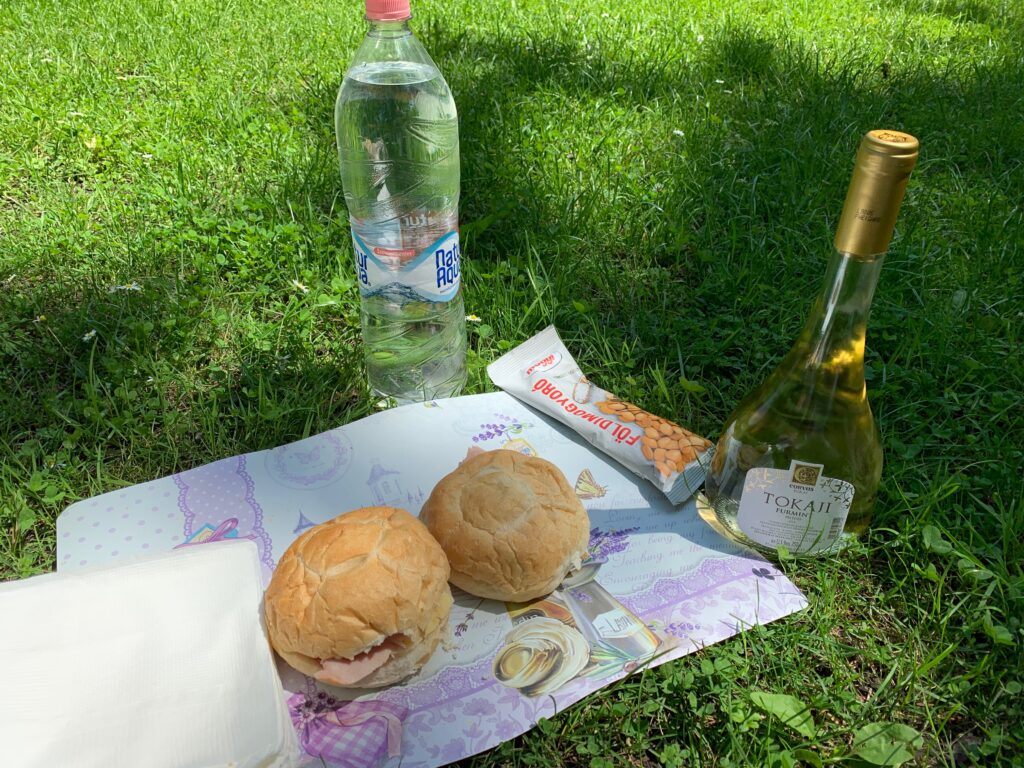
    Since there are not a lot of options for eating on the Island unless you go for a hotel fare, start your day at a Spar supermarket, where you can get loaves of bread, cured meat and sliced cheese, and a cheap bottle of good Tokaj. Once your lunch is packed, walk Margaret Bridge, the yellow bridge that introduces the Ring Rd to Buda. It’s unique in that it doglegs in order to stand at right angles to the Danube where it converges at the southern tip of Margaret Island.

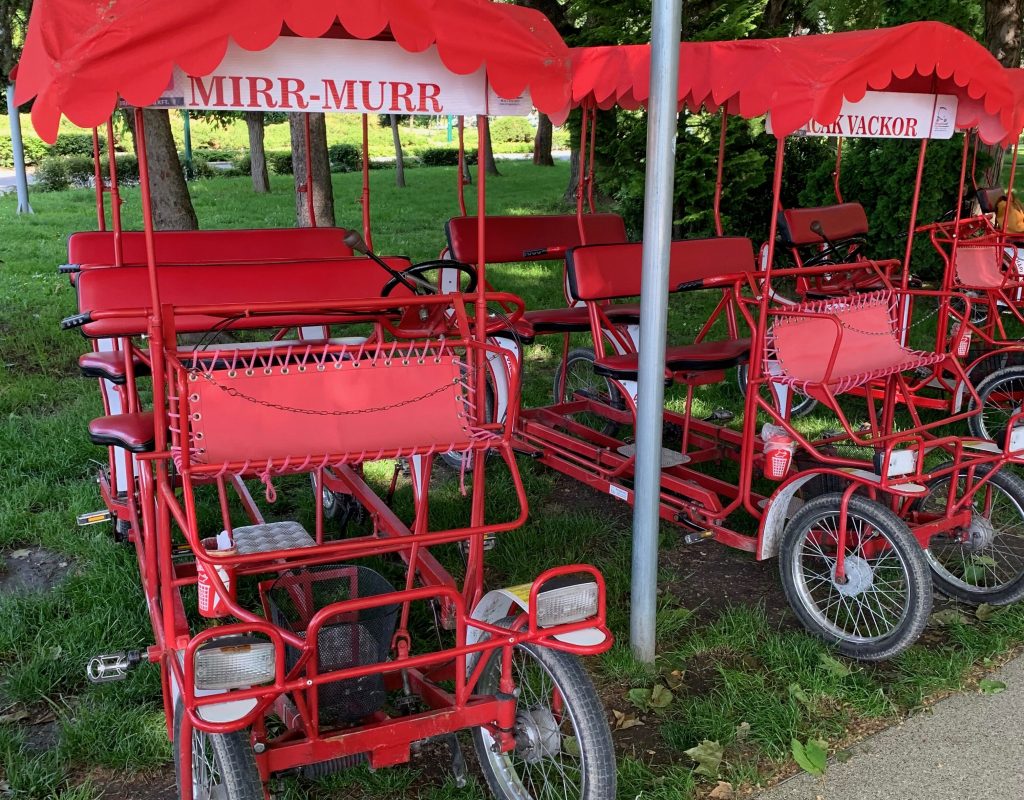
    Right at the souther tip of the island you will be able to rent a pedal coach, which is the best way to enjoy exploring the island in a hot late spring day.

    IMG-3114
    The souther tip of Margaret Island, right after the Bridge
    IMG-3117
    Pedal coach to rent

    Start pedaling towards the trail on your right hand side. This will take you close to the running and cycling track, and a short stop there will allow you to admire the view on Pest from the middle of the Danube.

    If you continue straight, you will bump into the Mini-Zoo, quite a nice facility with no entry fees where kids (and bigger kids like us) can learn more about endangered birds such as storks (regularly fed), peacocks and eagles. For a small fee you can buy food for the horses and the deers and feed them. 

    The Island is not overly endowed with important sights and landmarks, boasting a couple of large swimming complexes, a thermal spa, gardens and shadowed walkaways. But keep going towards the center of the island and you will find two historical sites.

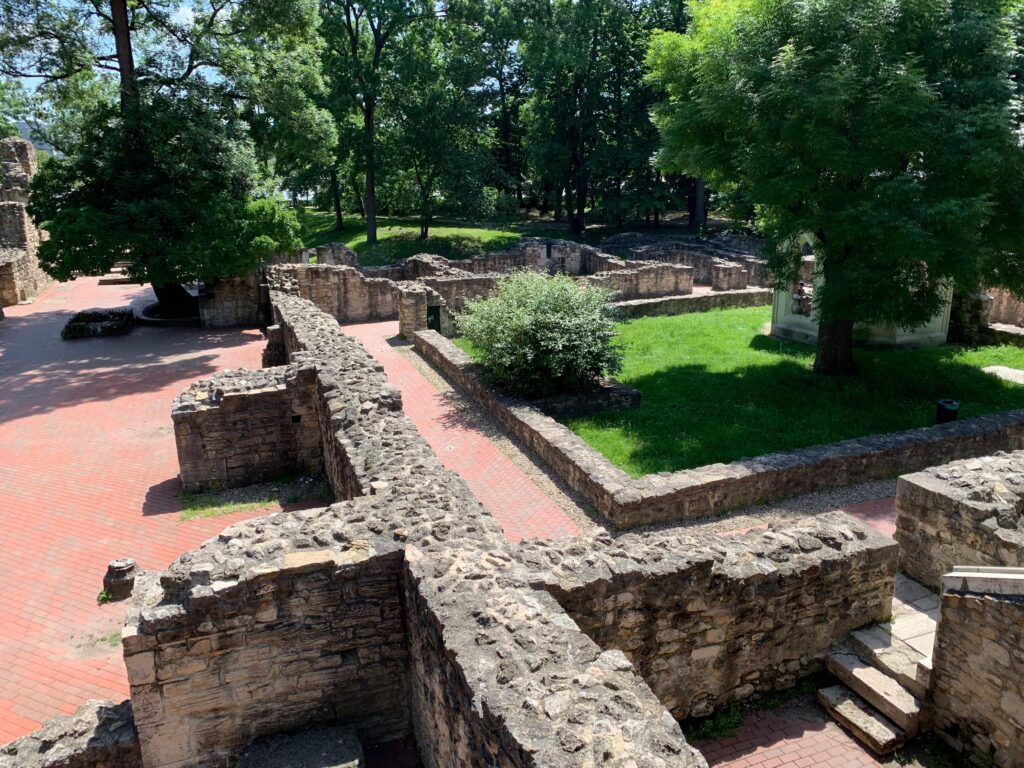
    A ruin is all that remains of the 13th-century convent built by Bela IV, where is daughter, St Margaret, lived. According to the story, the king promised to commit his daughter to a life of devotion in a nunnery if the Mongols were driven from the land. They were and she was – at nine years of age.

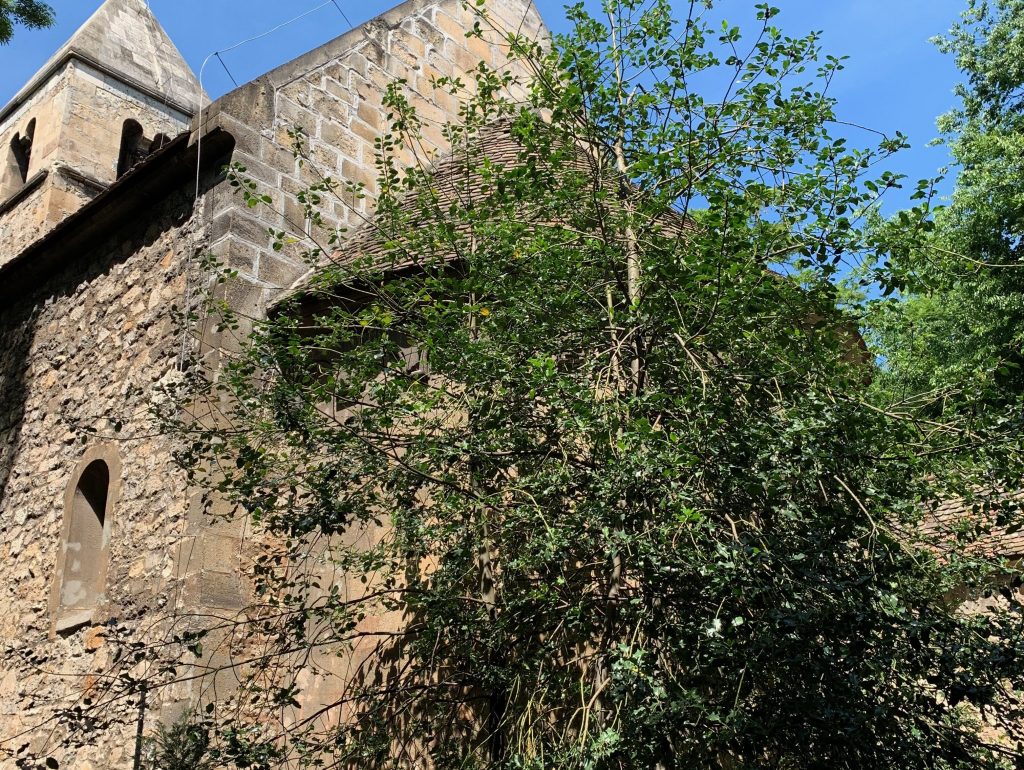
    Further on you will find the ruins – no more than a tower and a wall dating to the late 13th century – of a Franciscan church. Much more preserved is Saint Michael Church, actually a replica of the original one built here in the 12th century, still in use and very popular for summer weddings.

    IMG-3163

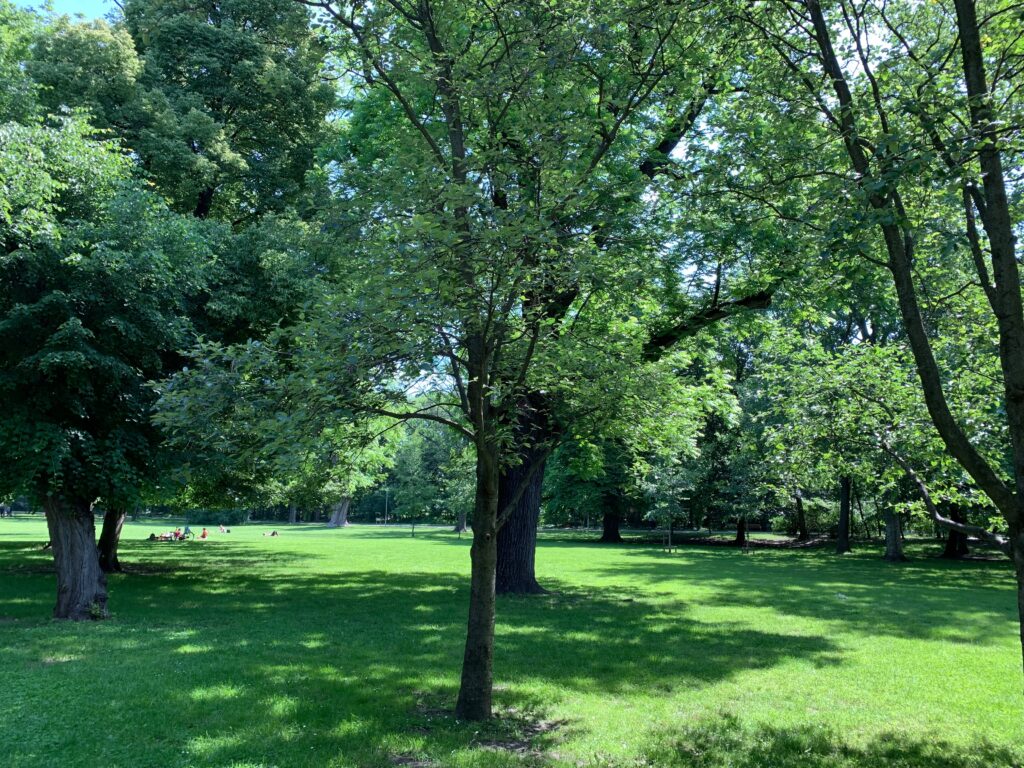
    It is now time for a well deserved pic nic. Find yourself a suitable stop, sit on the grass, lay the table cloth, open the wine and bask into the beauty of this nature. 

    It’s time to head back towards the bridge; the western part of the park has not a lot to offer in terms of sightseeing.

    Once you reached Saint Margaret Bridge back, turn left and walk (or get the Metro for 2 stops) until Andrassy ut. This majestic parade stretches for 2.5km, ending at Heroes’ Square and the sprawling City Park. On the UNESCO World’s Heritage list, it is a tree lined parade of knock-out architecture and is best enjoyed as a long stroll from the Opera House out to the park. On the way, don’t miss the House of Terror, on your left hand side.

    IMG-3175

    The startling museum called the House of Terror is housed in what was the headquarters of the dreaded AVH secret police. The building has a ghastly history, for it was here that many activists of every political persuasion that was out of fashion before and after WWII were taken for interrogation and torture. The walls are double thickness to mute the screams.

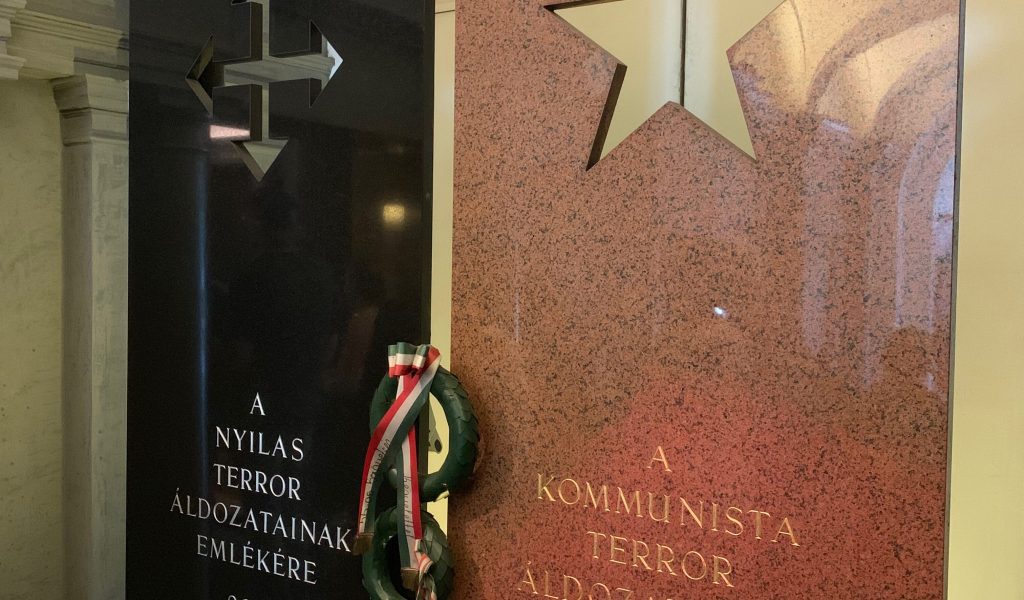
    The museum focuses on the crimes and atrocities committed by both Hungary’s fascist and Stalinist regimes in a permanent exhibition called Double Occupation and visitors are greeted at the entrance by black ‘arrow cross’ of the fascists and the red Communist star.


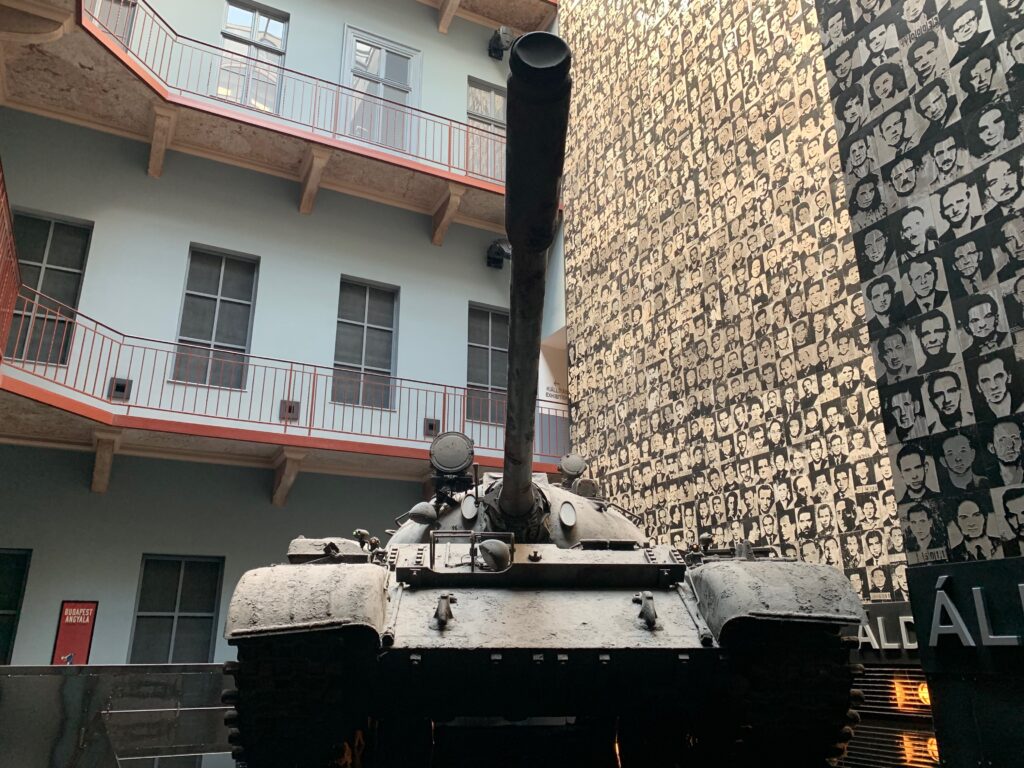
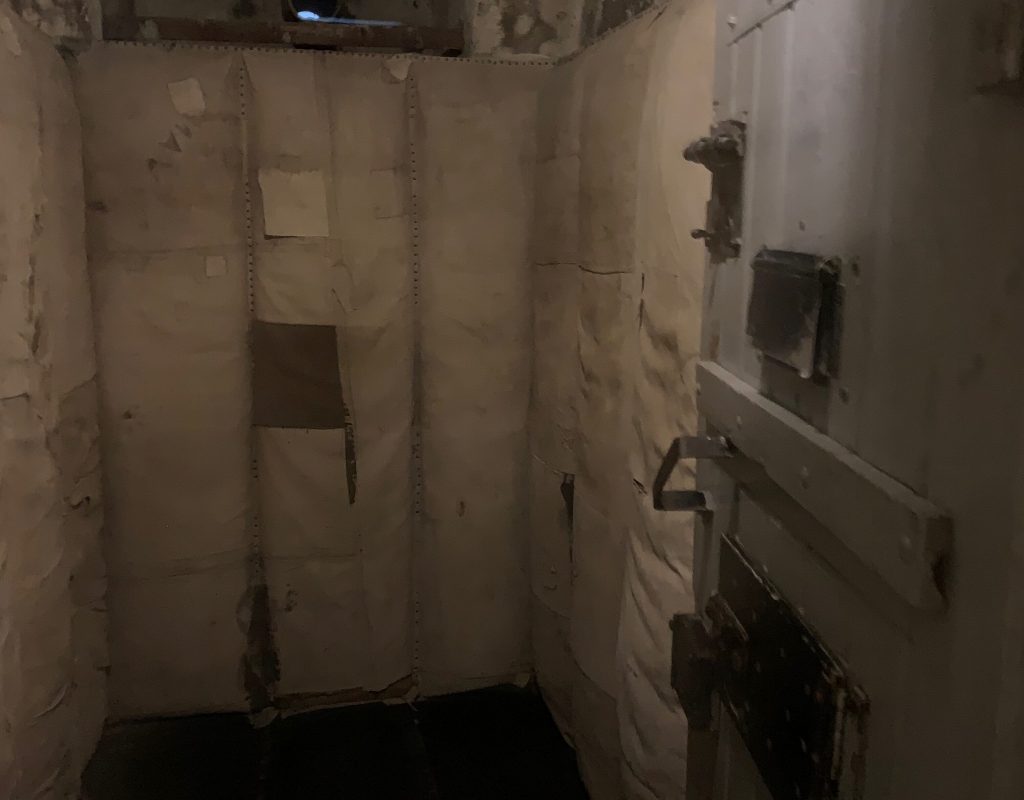
    But the years after WWII leading up to the 1956 Uprising get the lion’s share of the exhibition space. The tank in the central courtyard is a jarring introduction and the wall outside displaying many of the victims’ photos speaks volumes. Even more harrowing are the reconstructed prison cells (collectively called “the gym”) and the final Perpetrator’s Gallery, featuring photos of the turncoats, spies, torturers and cogs in the wheel from both sides, many of them still alive, who allowed these atrocities to take place.

    IMG-3183
    IMG-3184

    The House of Terror is worth visiting more for the atmosphere than for the actual exhibition. There are barely any English captions, a lot of videos and documentaries from the time but all in Hungarian. However, every room is set to convey the anxiety and the sense of imprisonment that was at the order of the day at the time: high-tempo music that makes you feel followed, low lights, a labyrinth built with fake plastic explosive where the walls are cloning on you.

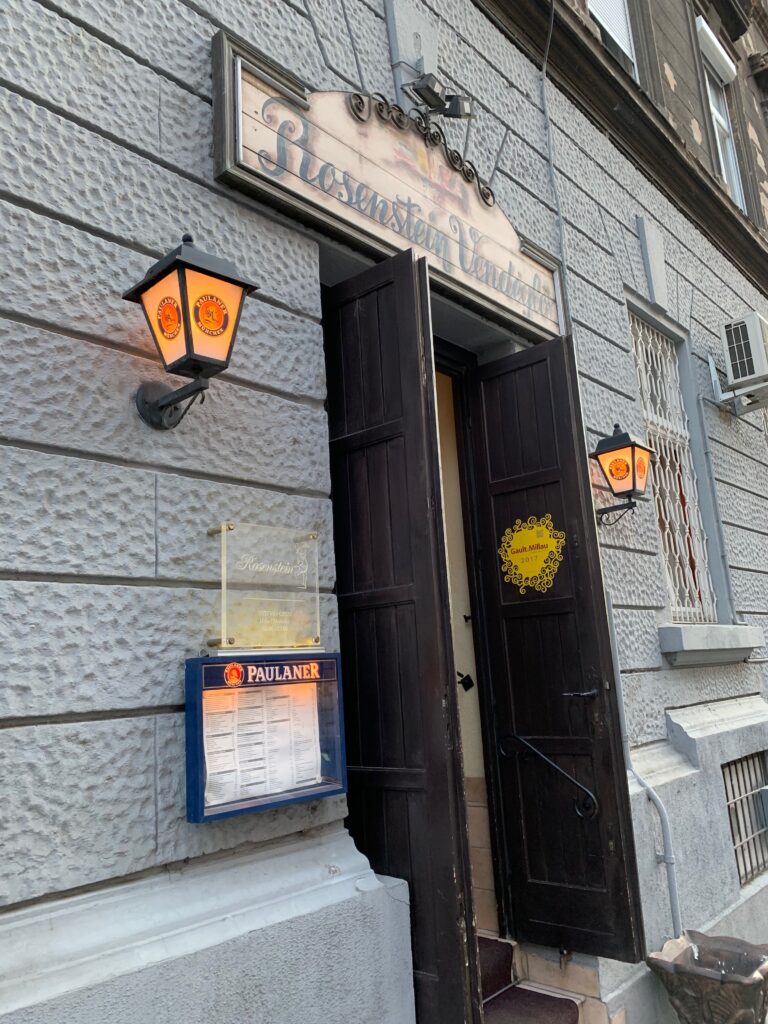
    Out of the Museum, grab a coffee in one of the various organic coffee houses that are lining the street, then continue your walk to Heroes’ Square and rest a bit in the park right behind it, watching the boat sail on the lake. The metro station at the center of the house is very convenient, and in just one stop you can be at Rosenstein Vendeglo for a typical dinner.

  • Kigali

    Kigali

    Established as the capital after Rwanda gained independence from Belgium in 1962, Kigali is located roughly at the country’s geographical center. It’s a natural gateway for visitors and an excellent base for exploring Rwanda’s best attractions.

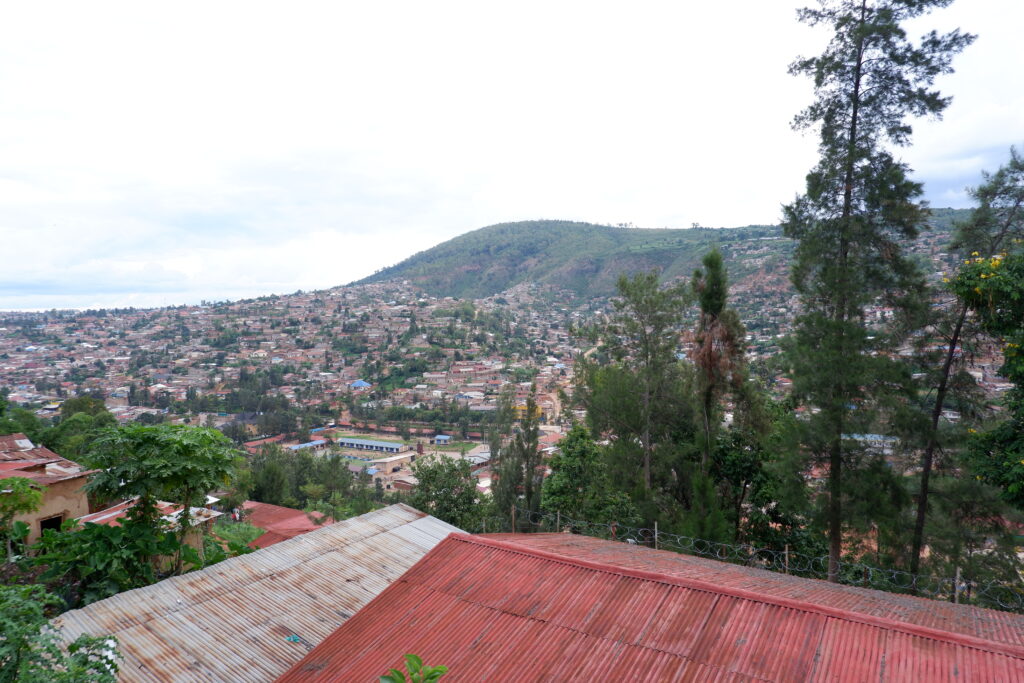
    Kigali is a very different city to some other urban center of the rest of East Africa. If you have time, plan to spend at least a few days in the city itself rather than simply passing through. In the quarter-century since Kigali was devastated by the Rwandan Genocide, it has been reborn as one of the cleanest and safest capitals in Africa. It is very clean, in part as a result of a complete ban on plastic, it is hilly, very well organized, with perfectly maintained infrastructure and streets lined with gorgeous trees. It is also a very safe city. Unlike other African cities, there is also a fair amount of things to do in Kigali so you should not skip it on your way to Akagera National Park.


    Skyscrapers and start-up companies provide a surprising contrast to the lush scenery of the surrounding hills while contemporary art galleries, coffeehouses, and restaurants add to Kigali’s cosmopolitan atmosphere.

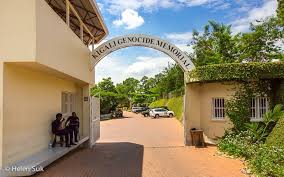
    Kigali Genocide Memorial

    No trip to Kigali or Rwanda is complete without spending some quality time at the Kigali Genocide Memorial. This is the best place to learn about the worst human tragedy to affect the country and one of the most awful historical times for Africa. If you only have a few hours, the best thing to do in Kigali is visiting the Genocide Memorial.

    The Genocide Memorial is the right place to start your Rwanda travel because it will also set straight a lot of the traditions, customs and way of life in modern day Rwanda. It also provides an explanation and foundation for everything that you will see and notice as you travel across the country. Talking about the Rwandan Genocide is really difficult. The history is tragic and the many ignored signs that warned the international community about it make one feel frustrated and helpless.


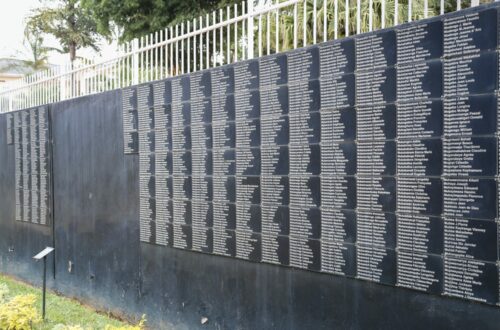
    In April 1994, members of the Hutu majority government of Rwanda initiated genocide against the Tutsi people after decades of conflict between the two ethnic groups. By mid-July of the same year, approximately one million people had been slaughtered, and 259,000 of them are buried in mass graves at the Kigali Genocide Memorial.

    You should spend at least 2h at the Kigali Genocide Memorial to make sure that you have enough time to listen to all the audio guide recordings, read the text at the exhibits and walk the outdoor areas.

    The Memorial also hosts three permanent exhibitions, the largest of which is dedicated to commemorating the events and victims of the Rwandan Genocide.

    The visit starts at the reception where there is an introductory video featuring a few Rwandans whose lives were forever changed by the Genocide. You then proceed to the main building where several exhibits and an audio guide will follow a chronology of events across the museum from the time of Belgian colonialism to today’s reconstruction efforts.

    Inside the museum there are also some halls devoted to the victims of the genocide where over 100 photos of people are displayed. There is also a section about other genocides around the world and a last hall devoted to the children.


    After gaining an emotional insight into the horrors that shaped Rwanda’s recent history, take a moment to reflect on what you have learned in the Memorial’s tranquil gardens. Outside the main museum there are gardens and the actual memorial where the remains of thousands of Rwandans are buried. This is a real cemetery and so it is visited by the family and friends of the many victims who come to pay their respects. If you are visiting on a weekend, you will notice the many Rwandans visiting.

    The outdoor areas also include a rose garden and a burning flame memorial that reminds the viewer of all those who died. There is also a library with research documents, a cafe and a small souvenir shop.


    Nyamirambo Women's Center

    A great place to explore is the buzzing and vibrant neighborhood of Nyamirambo, a multicultural and extremely interesting part of the city. Nyamirambo is the heart of Kigali, with cool shops, markets, bars, and restaurants. It’s a primarily Muslim neighborhood, so don’t come here looking for akabenz, but you will find tasty brochettes and fish offered. There are a few tours through the area if you don’t fancy exploring by yourself.

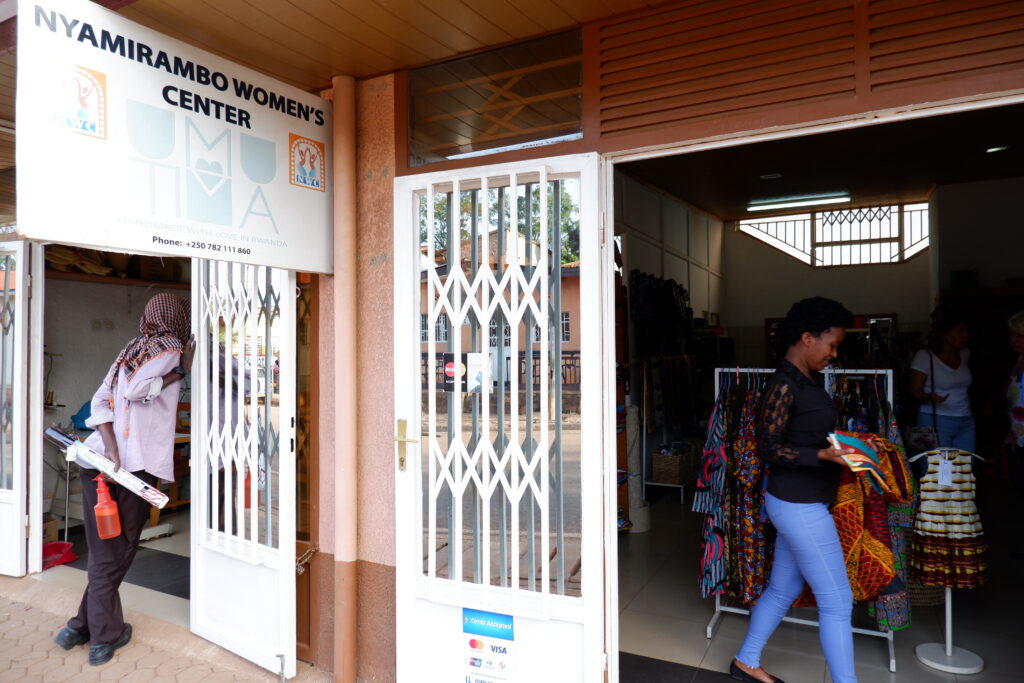
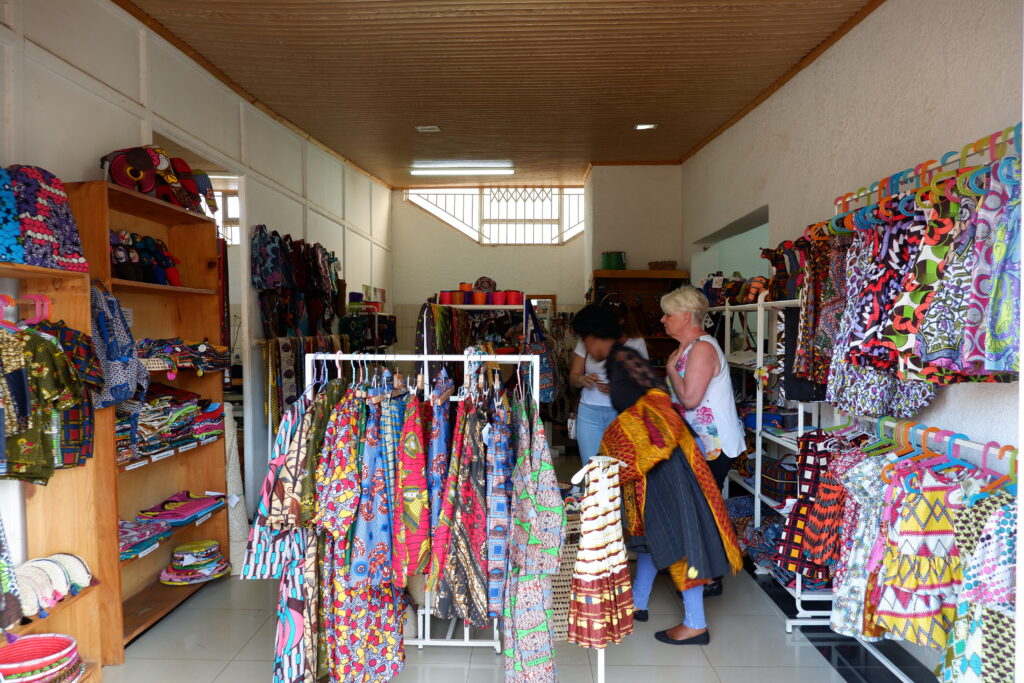
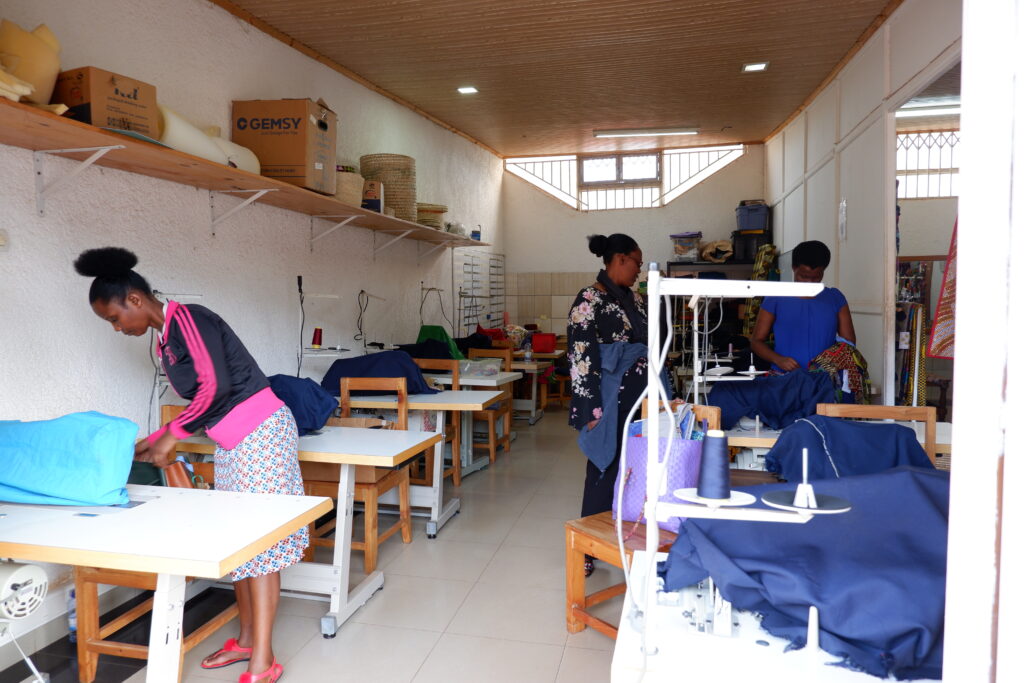
    Located in Kigali’s multicultural Nyamirambo district, the Nyamirambo Women’s Center is a non-profit initiative intended to provide Rwandan women with the education and training needed to find employment.

    The ladies that work here use their skills to create high-quality children’s clothing, accessories, and home decor products out of traditional kitenge fabrics—all of which make stunning souvenirs while funding the center’s community programs.

    Make sure to sign up for one of their popular walking tours, too. After a traditional snack and a lesson in Kinyarwanda, you’ll follow a local guide on a tour of Nyamirambo’s houses, independent businesses, and mosques. Afterward, enjoy a traditional lunch at one of the ladies’ homes.

    Inema Art Center

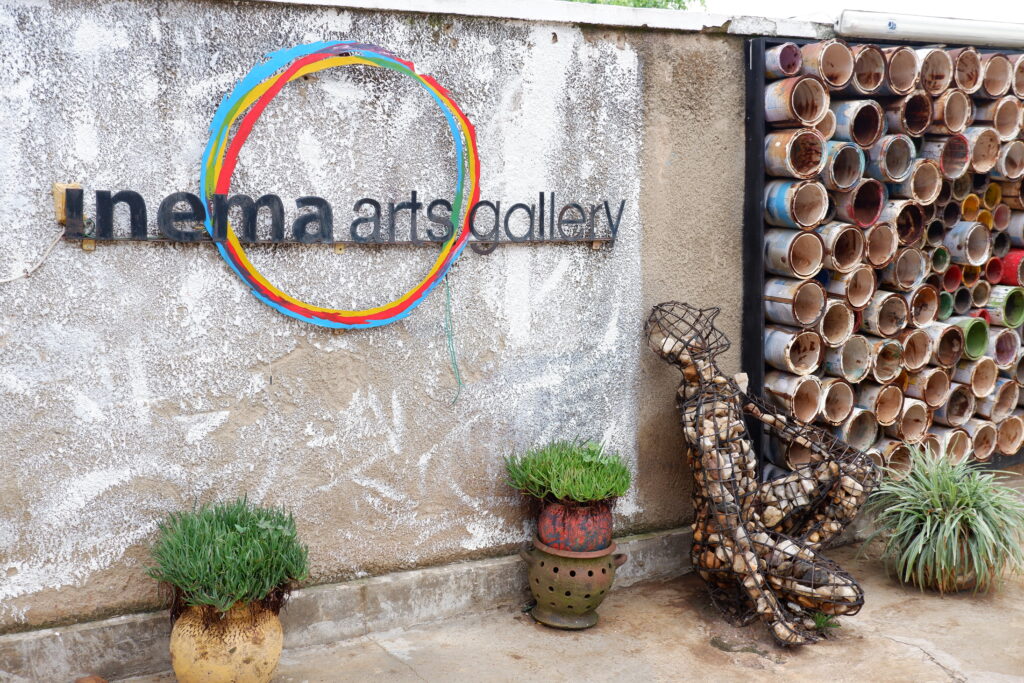
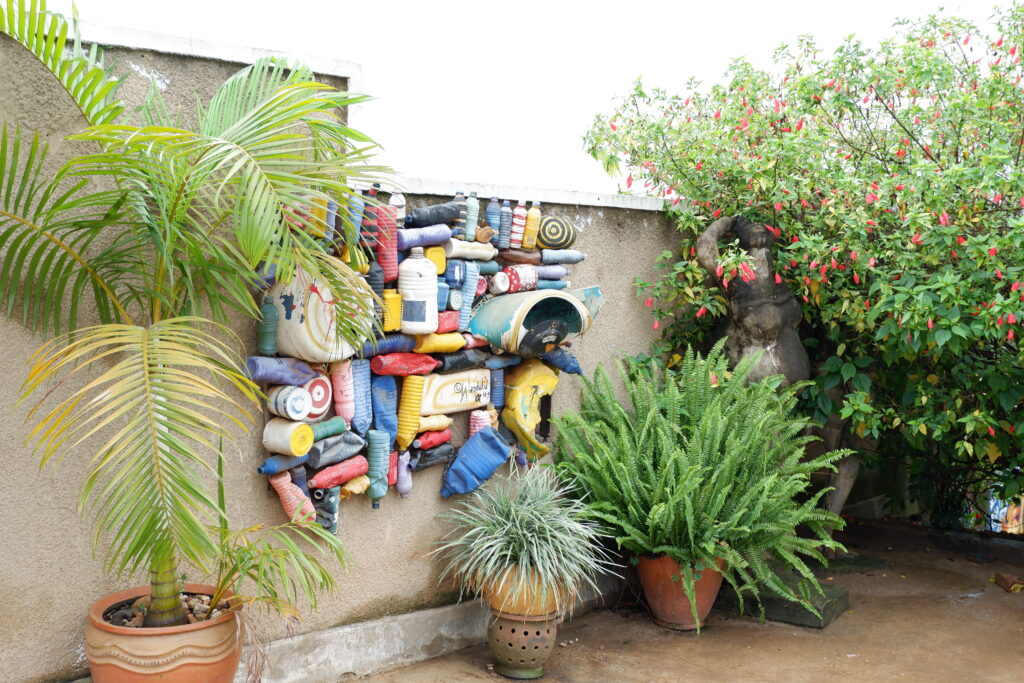
    Kigali today is an explosion of color, art and creativity. This can be seen in the many local designer shops, the art galleries popping up at every corner and the hip and chic restaurants and cafes. One of such places is the Inema Arts Center, a mixed purpose building where concerts, art exhibitions, workshops and performances are held.

    The center was founded in 2012 by brothers and self-taught painters Emmanuel Nkuranga and Innocent Nkurunziza to bring Rwandan art to light. Inema Art Center is now one of the best contemporary galleries in the city. It features the work of 13 resident artists working across a broad spectrum of different mediums. 


    In addition to beautiful pieces, happy hours (check them out on Thursday!), yoga classes, and other events can be found in their creative space.

    It also hosts workshops and training programs for the next generation of Rwandan creatives, including weekly workshops for orphans with artistic abilities, traditional dance programs for children and a crafts program for women.

    Visitors can peruse (and purchase) the artworks in the gallery, or shop for jewelry, linens, and leatherwork created by the center’s students at the gift shop. Keep an eye out for regular music and dance performances too.

    Hôtel des Mille Collines

    Once the grandest hotel in the capital, Hôtel des Mille Collines was immortalized by the 2004 movie Hotel Rwanda. The film followed the story of Hutu manager Paul Rusesabagina, who sheltered hundreds of Tutsi refugees here during the Rwandan Genocide. The hotel is quite an institution, not just because of the movie, and sits handsomely on one of the hills that make Kigali. 
    Although Rusesabagina’s role is the subject of controversy, the hotel itself is a fascinating piece of Rwandan history. Its pre-1994 glory has faded over time, but it remains a glamorous place to come for afternoon drinks at the poolside bar. While sipping your cocktail amidst the garden greenery, consider that the pool was once the only source of water for the refugees trapped inside the hotel.
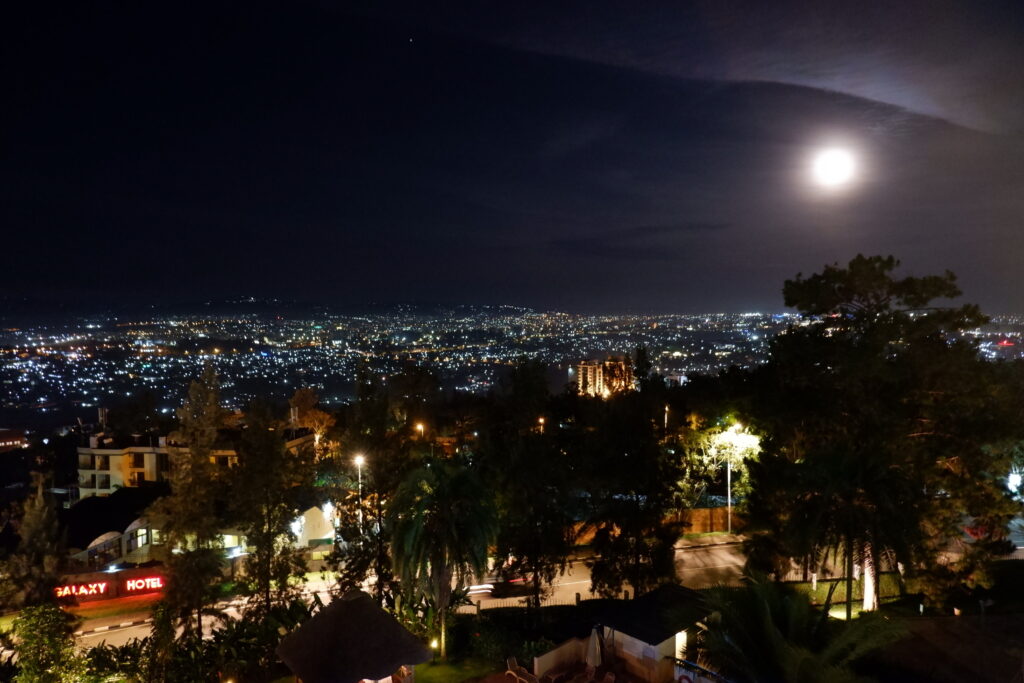
    Aside from being one of the interesting places to see in Kigali and the most famous and oldest luxury hotel to open in Rwanda, Hotel des Milles Collines is also one of the nicest places to eat in Kigali. At night when Le Panorama, the 4th-floor restaurant, opens, you can enjoy the city lights from a vantage point. Although Le Panorama serves refined fine dining with a strong French influence, some of the local produce, like tilapia, is incorporated in the menu.
    Kandt House Museum of Natural History

    Richard Kandt was the first German colonial Resident of Rwanda. He was appointed to the position in 1908 after leading the exploration northwest of German East Africa between 1897 and 1907.

    About 500m from downtown Kigali is the Kandt House Museum. It is the former Natural History Museum, which was changed to Kandt House Museum in December 2017. One of the first things you see when you walk into the compound was the bronze life-size statue of Richard Kandt, clad in German military regalia with a walking stick in his left hand and a peaked military cap in his right.

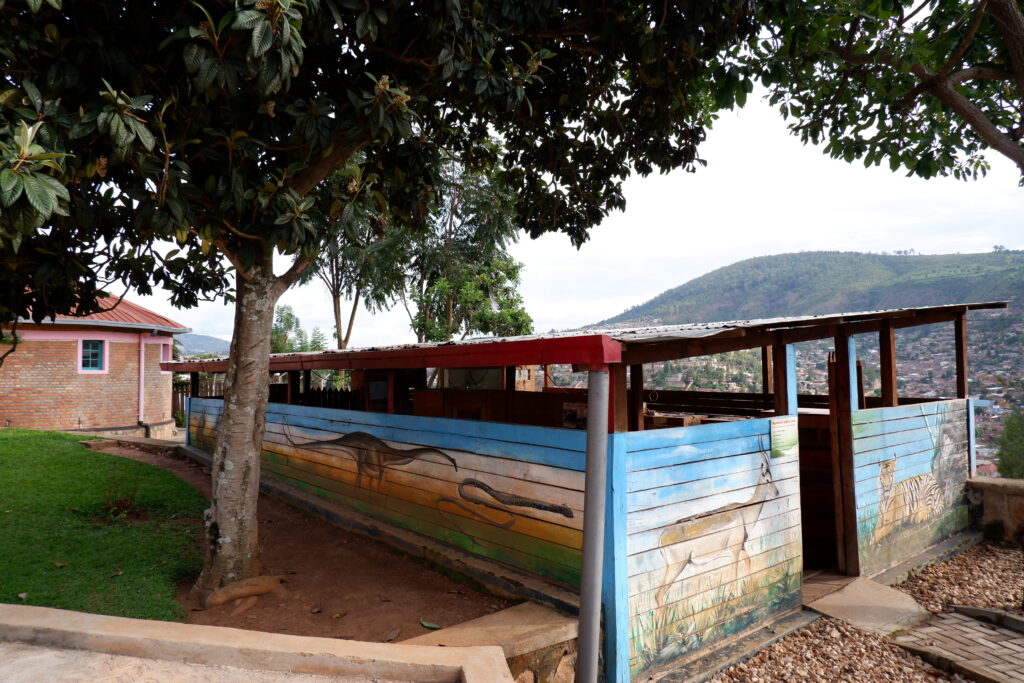
    There are two main places to see in the museum — the main house, which contains much of Rwanda’s history, and the reptile park, which has snakes and crocodiles.

    The house has three main exhibits.

    The first part presents Rwandan life in all its aspects – social, economic, and political – before the colonial period.

    The second part traces the experience of the Rwandan people during the colonial period. Following the Berlin Conference in 1884, the Germans ruled Rwanda until 1916, when the Belgians took over under the League of Nations Mandate after World War I. Richard Kandt’s life and deeds in Rwanda are covered here.

    The third part covers the history of Kigali, before, during and after the colonial era. Kigali was made the capital upon independence in 1962.

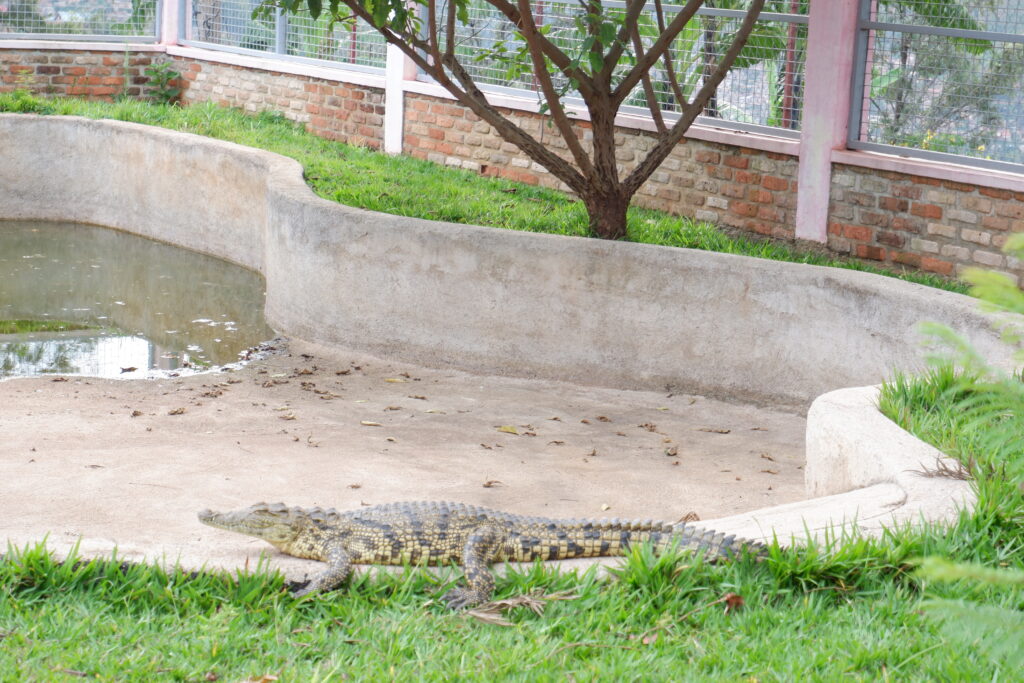
    The guide then takes you outdoors where there is a large statue of a gorilla and an enclosure with a baby Nile crocodile — about one and a half meters long — soaking up the sun. They then lead you to a small room of made of wood, which has snakes in glass enclosures. Inside lay some of the deadliest of African snakes. They seemed well fed and did not require a lot of space. We had never been so close to the Black Mamba, Gabon viper, python and the spitting cobra.

  • Akagera National Park,  Safari

    Akagera National Park

    Rwanda can be a bit chaotic: traffic, tons of people on the streets, accidents. But there are certainly ways to escape all these for a few days. One, is to go to Akagera National Park, Rwanda’s largest, just two hours drive from Kigali.

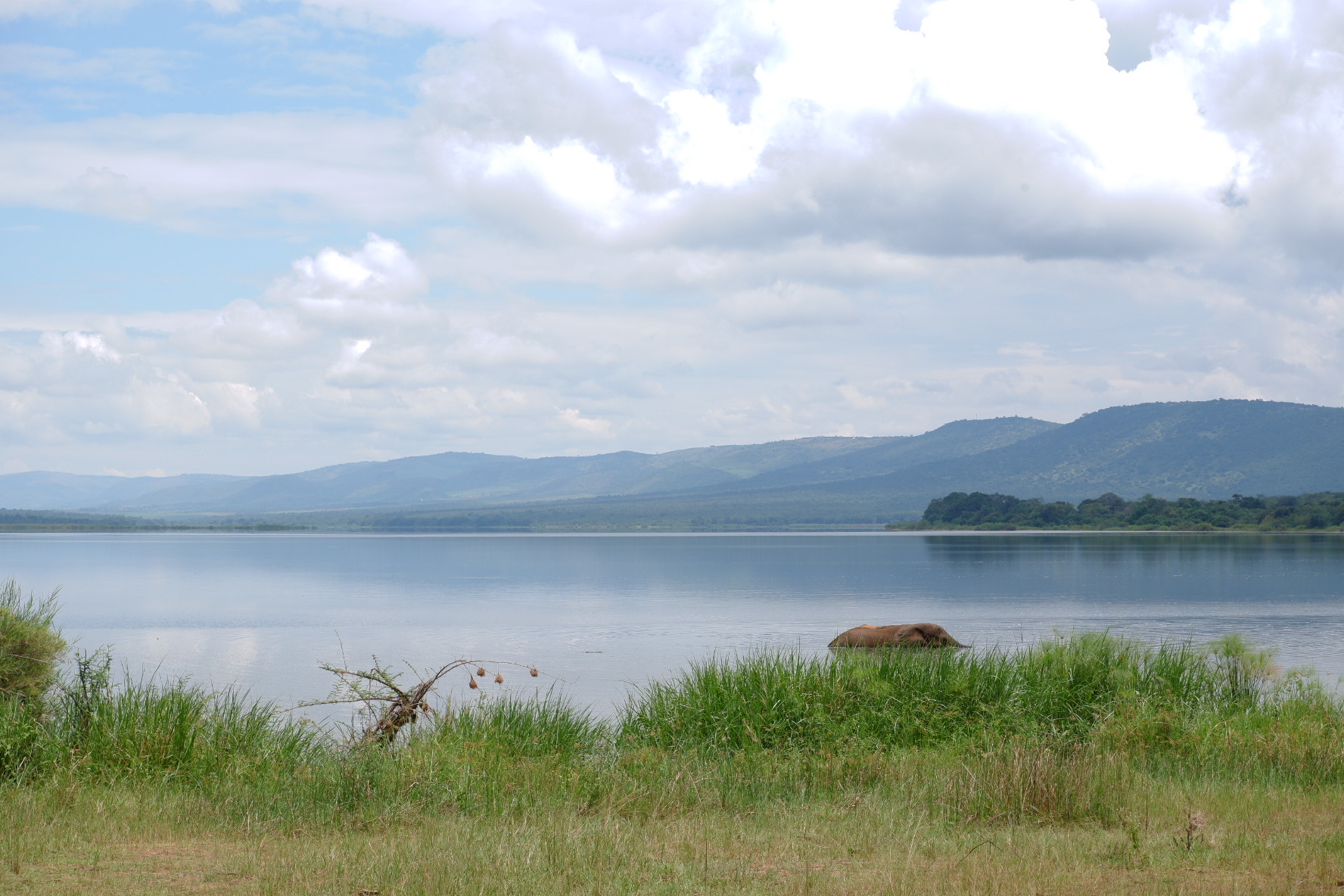
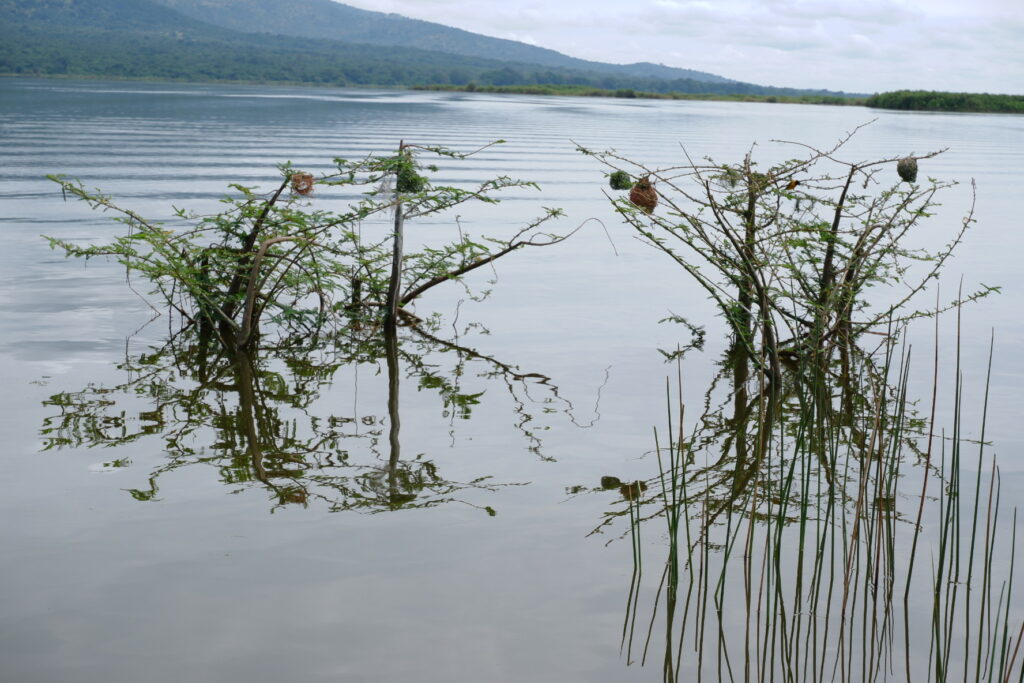
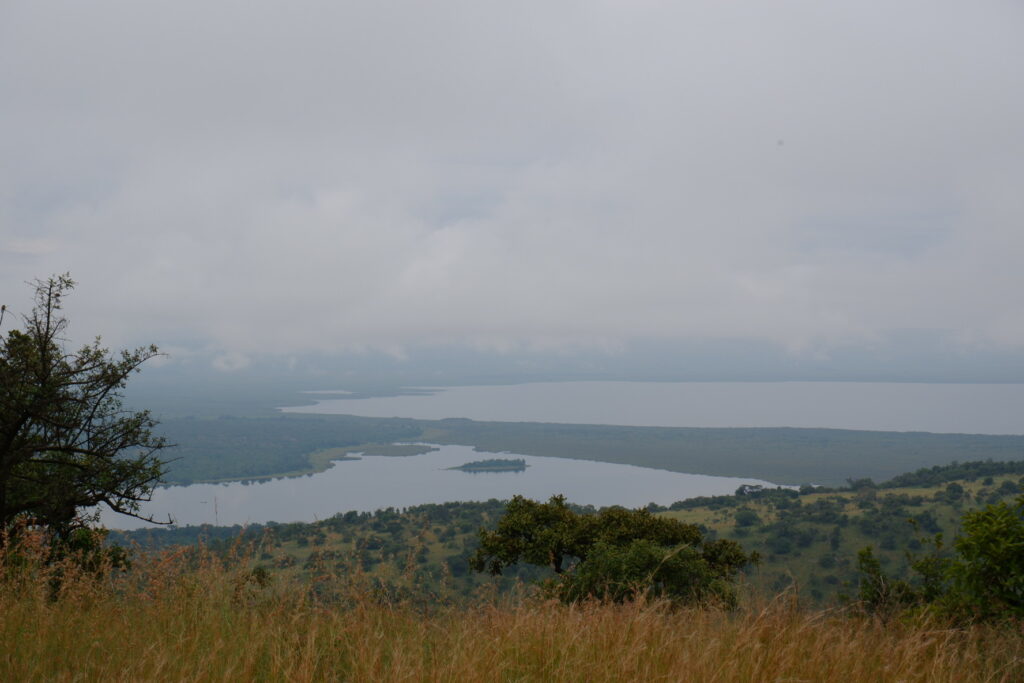
    Set at a relatively low altitude on the border with Tanzania, Akagera National Park could scarcely be more different in mood to the breezy cultivated hills that characterize much of Rwanda. Covering an area of 1,120 kms the park is named for the Akagera River that flows along its eastern boundary and feeds into a labyrinth of lakes.

    Rolling hills of Acacia bush, panoramic views across scattered grasslands, patches of thick forest and a mosaic of swamp-fringed lakes along the meandering Akagera watercourse all contribute to this park unrivalled scenic beauty.

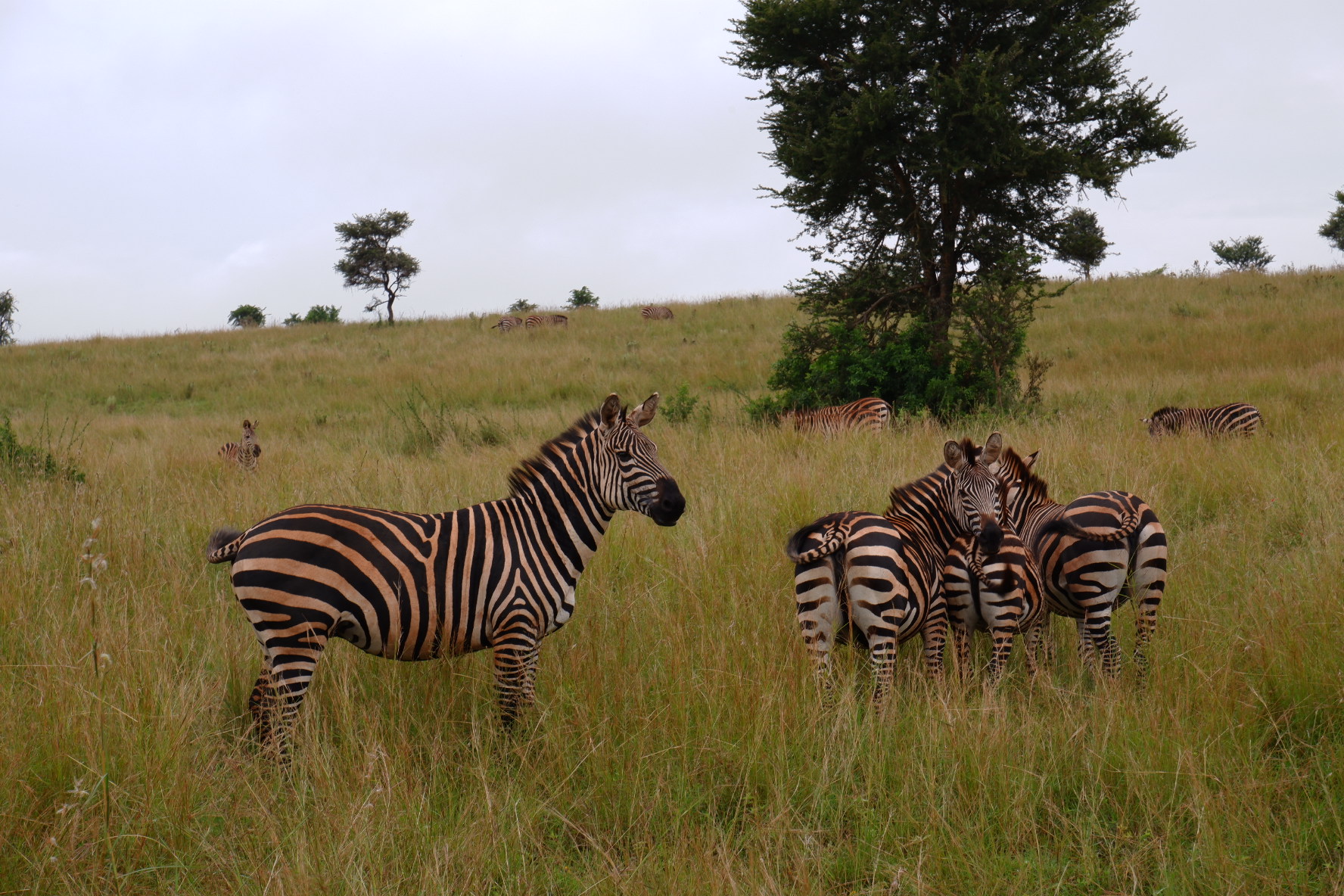
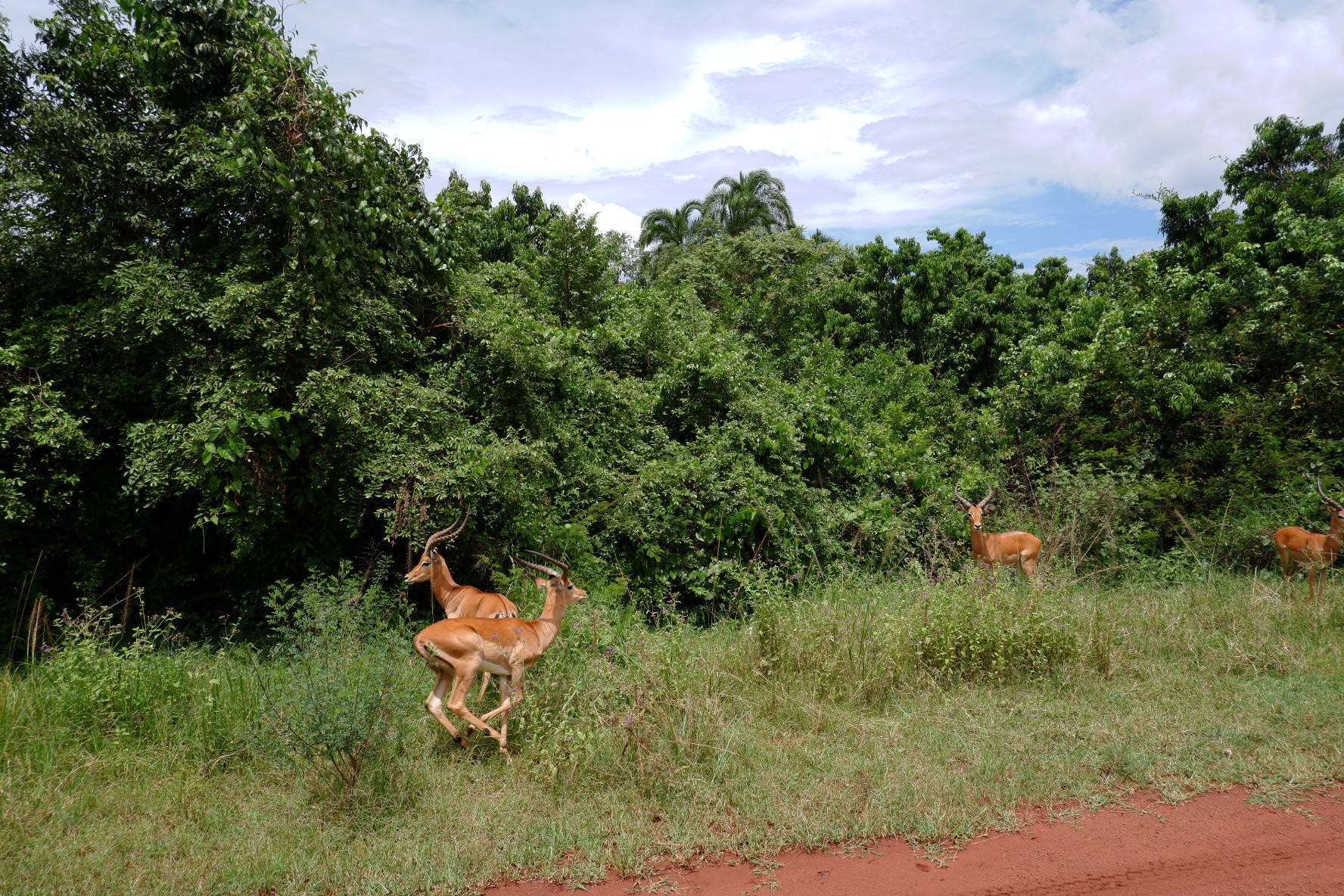
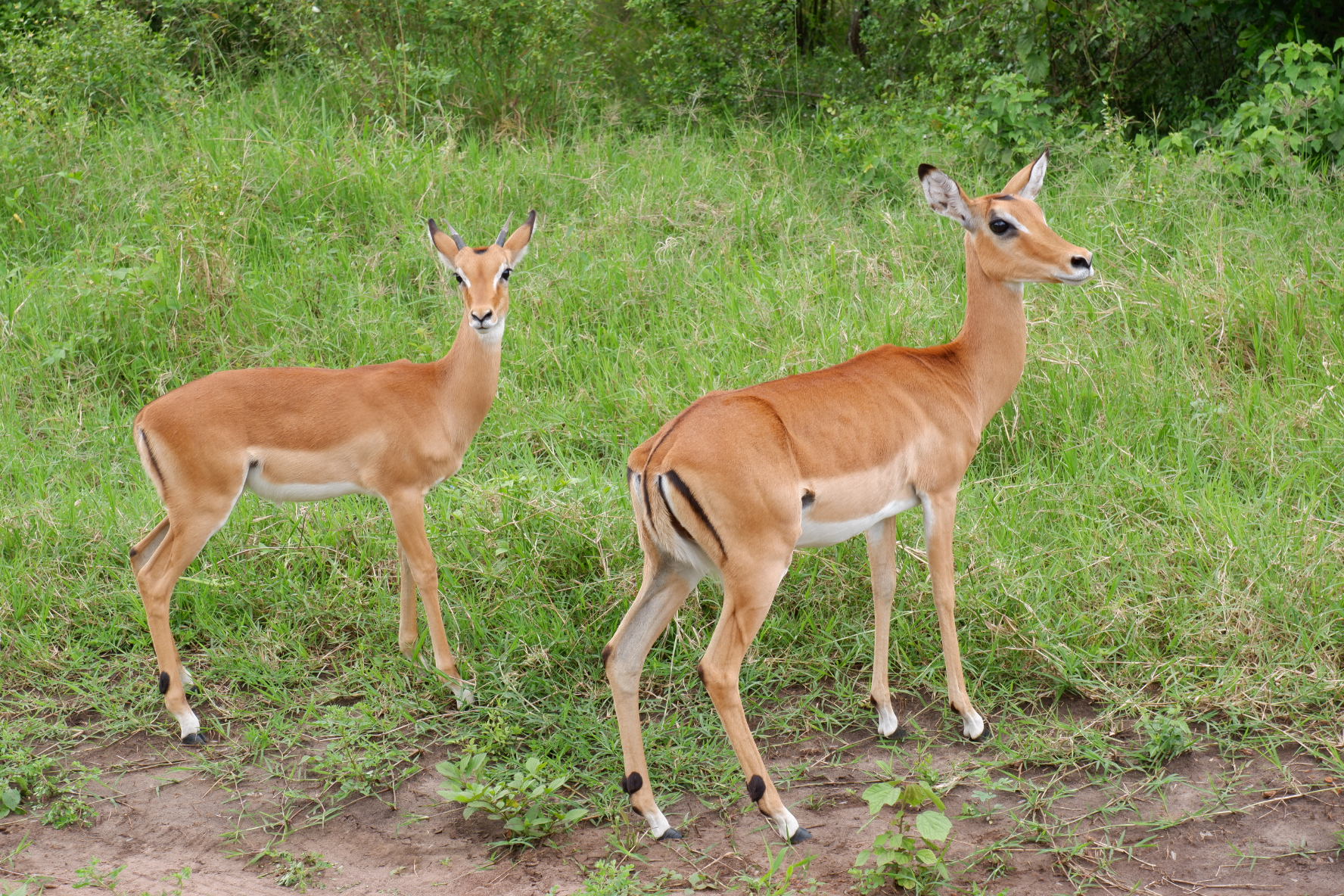
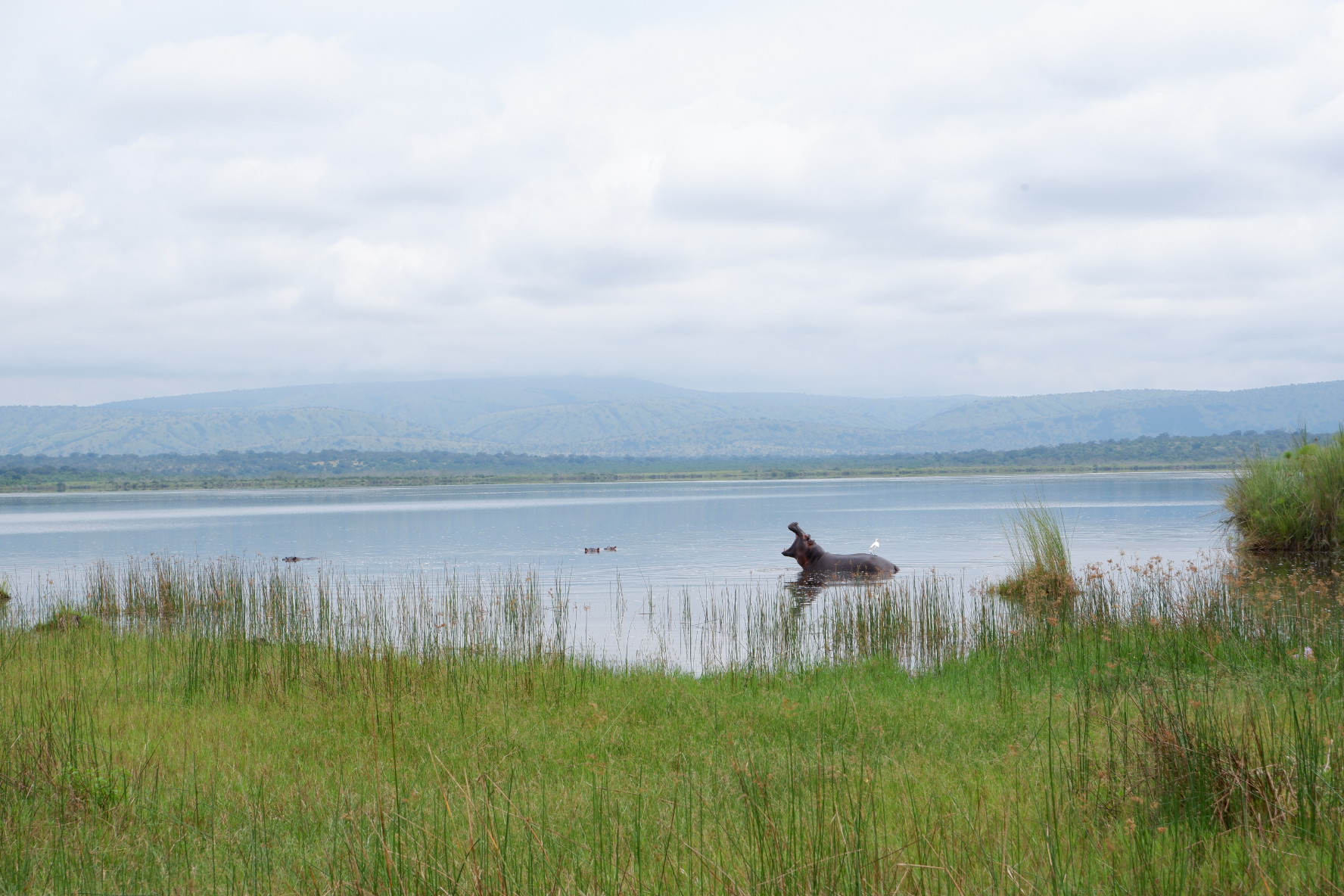
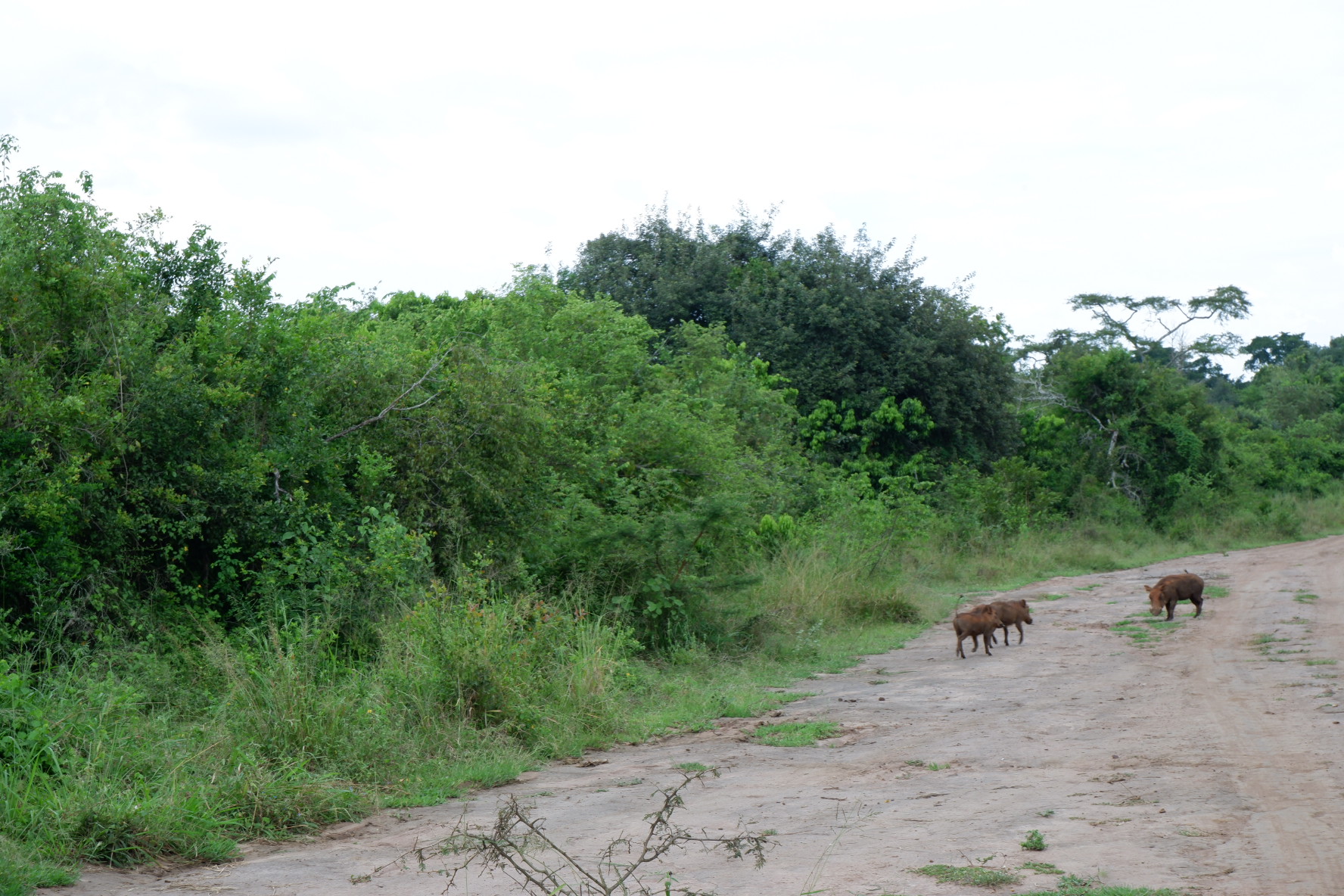
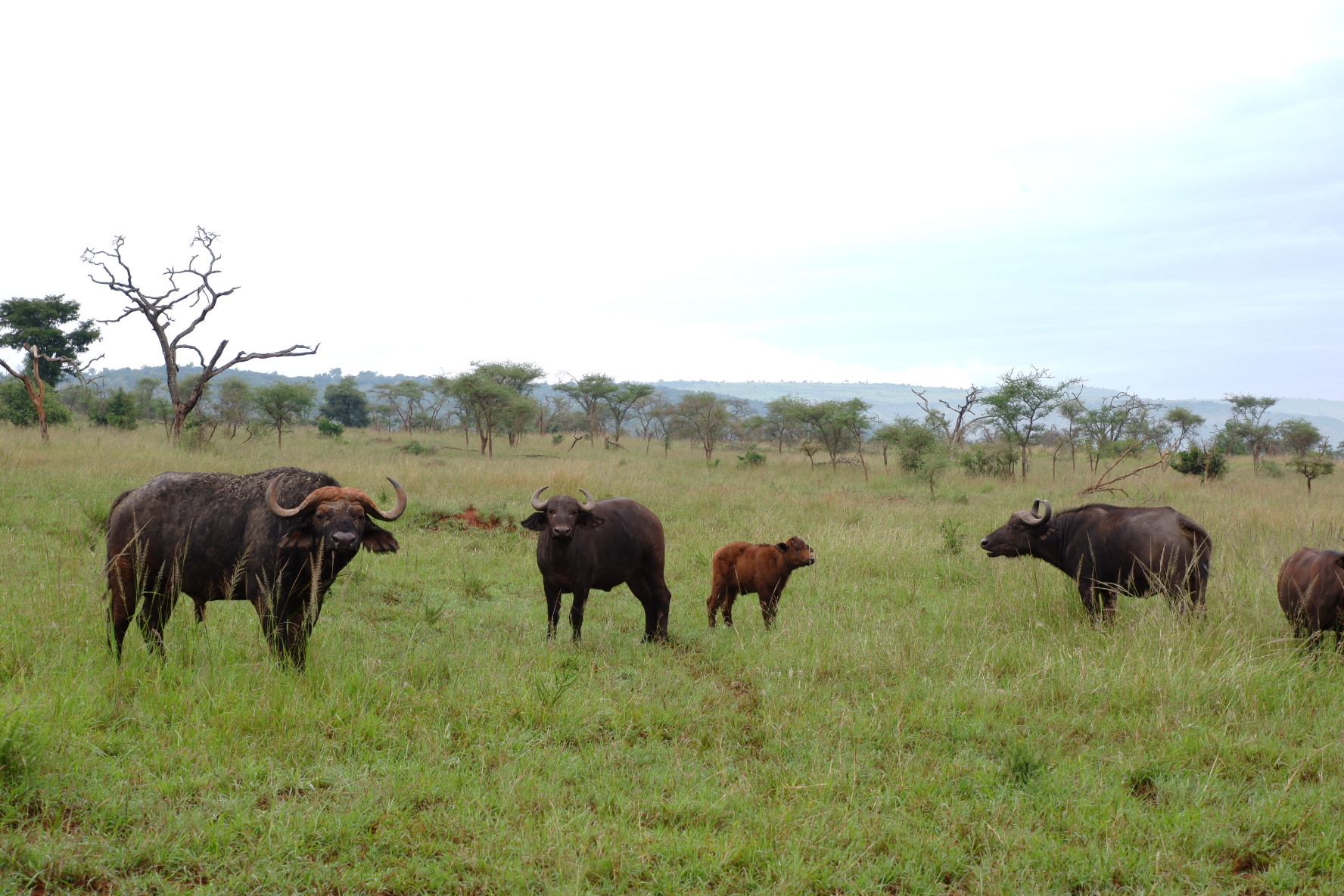
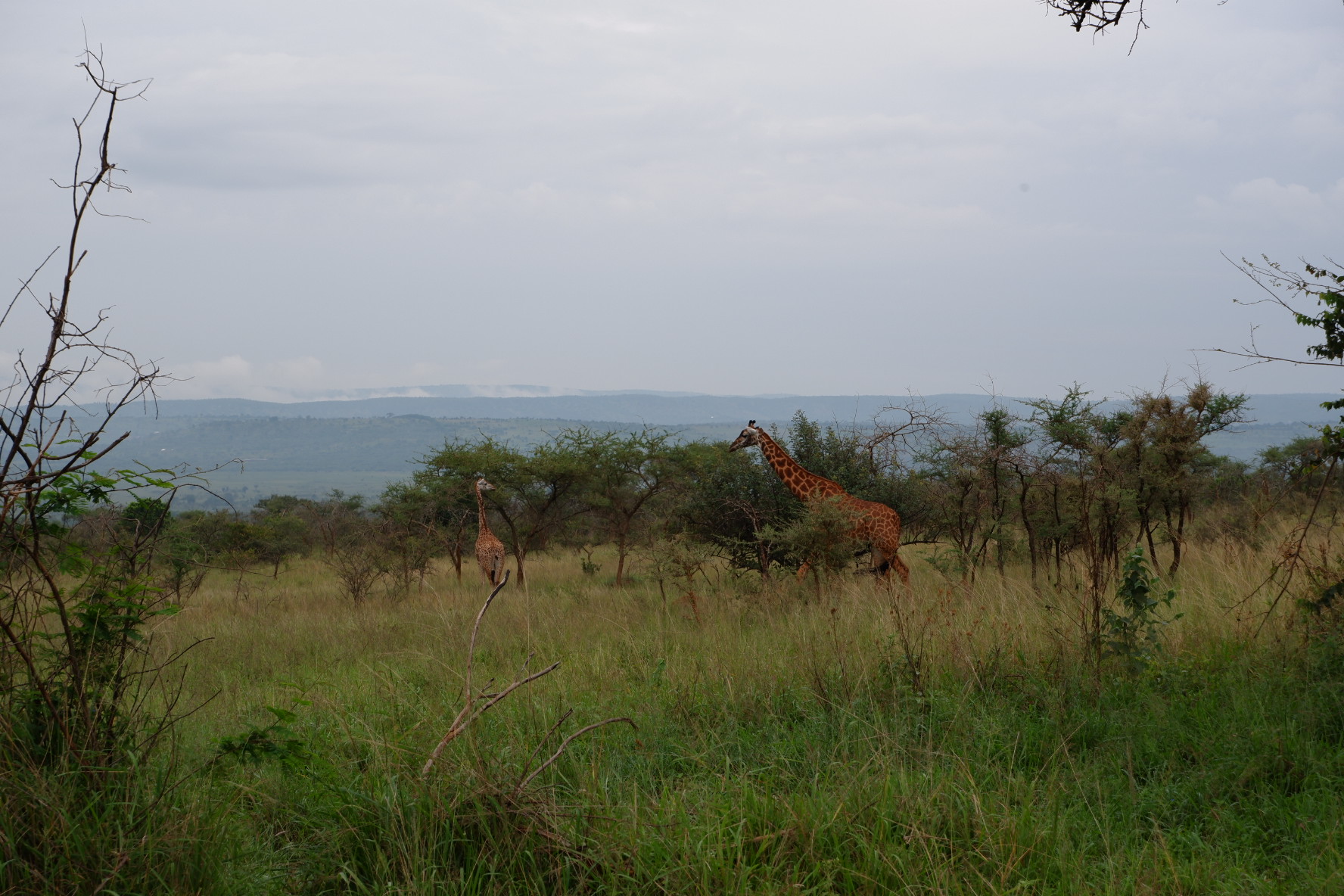
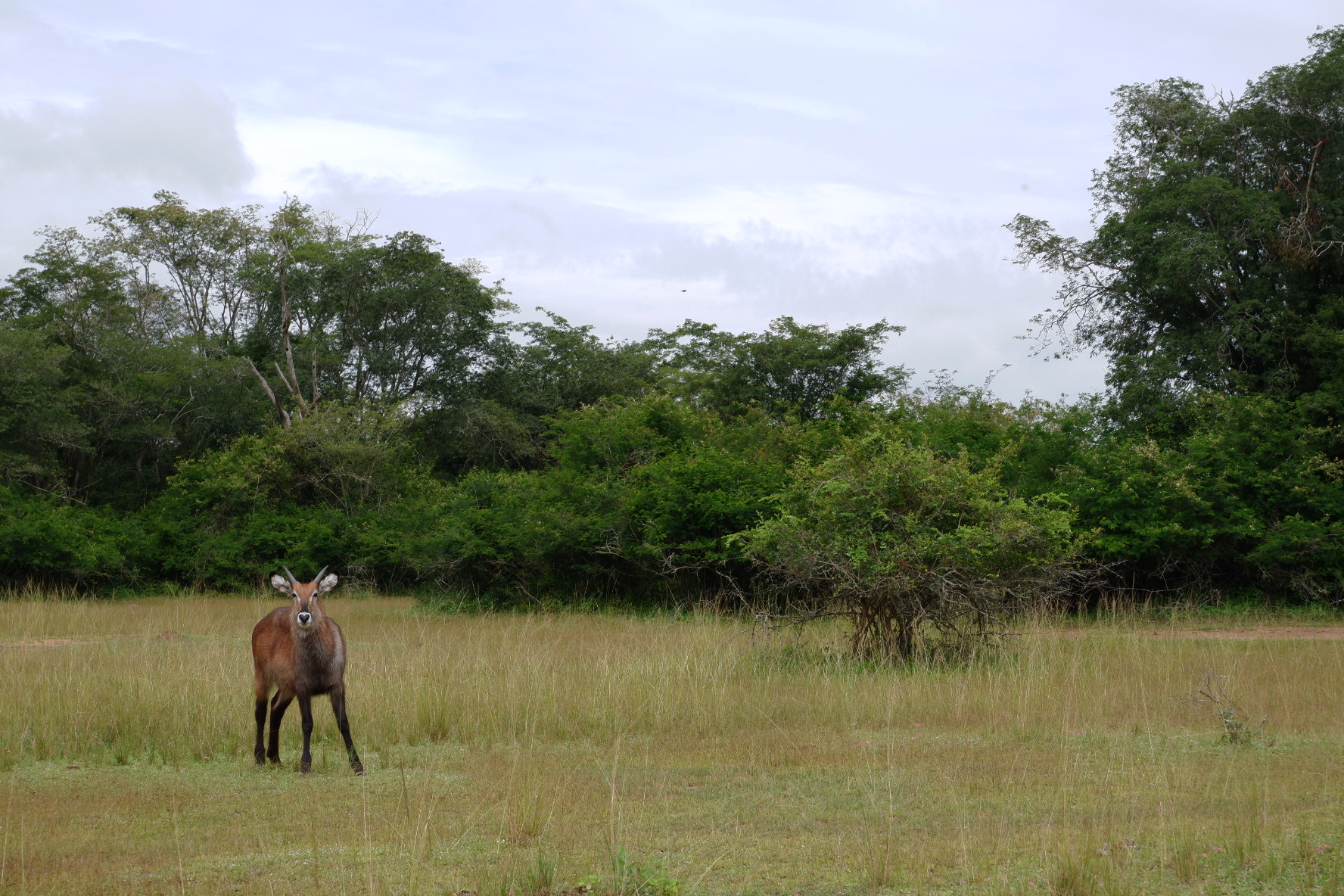
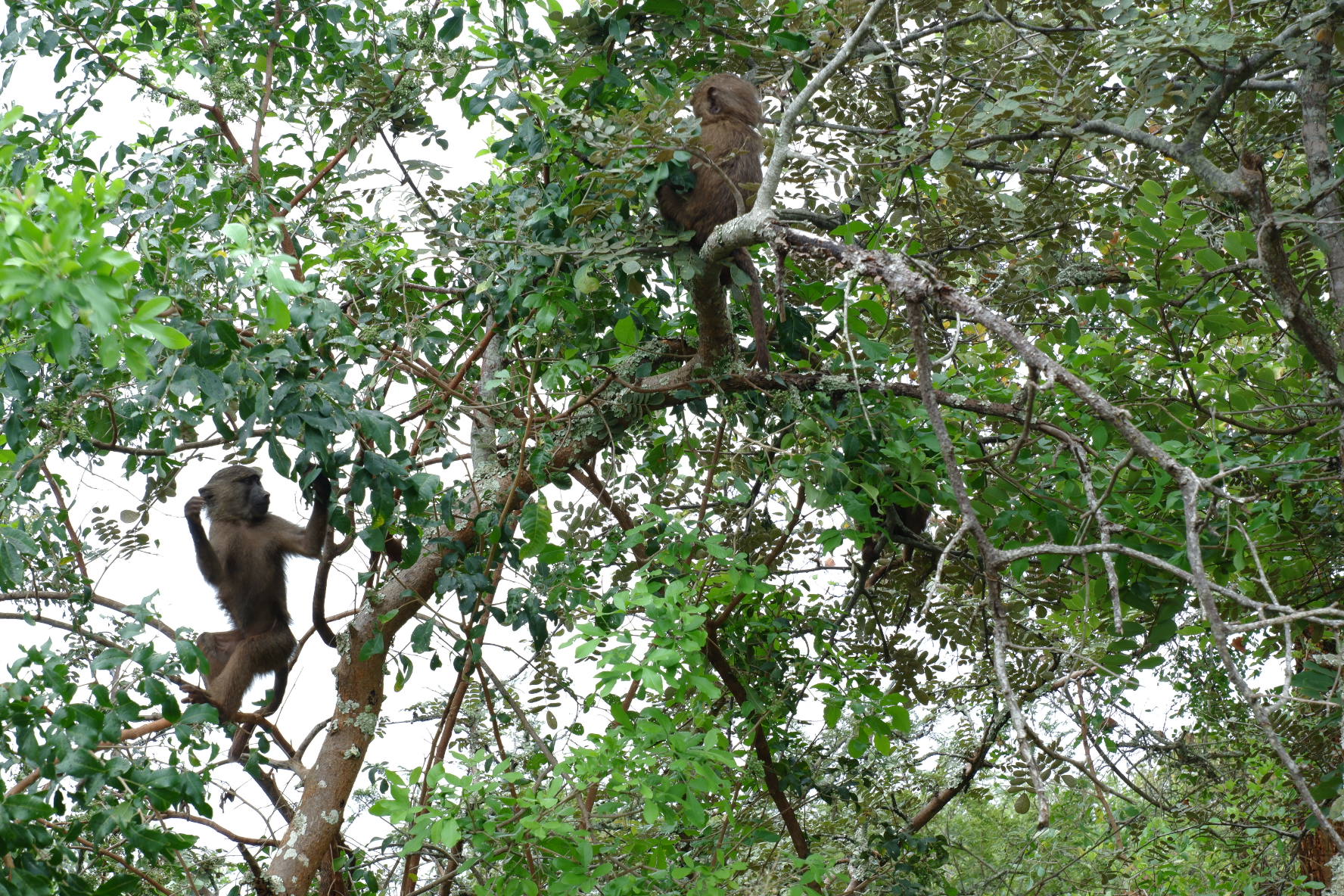
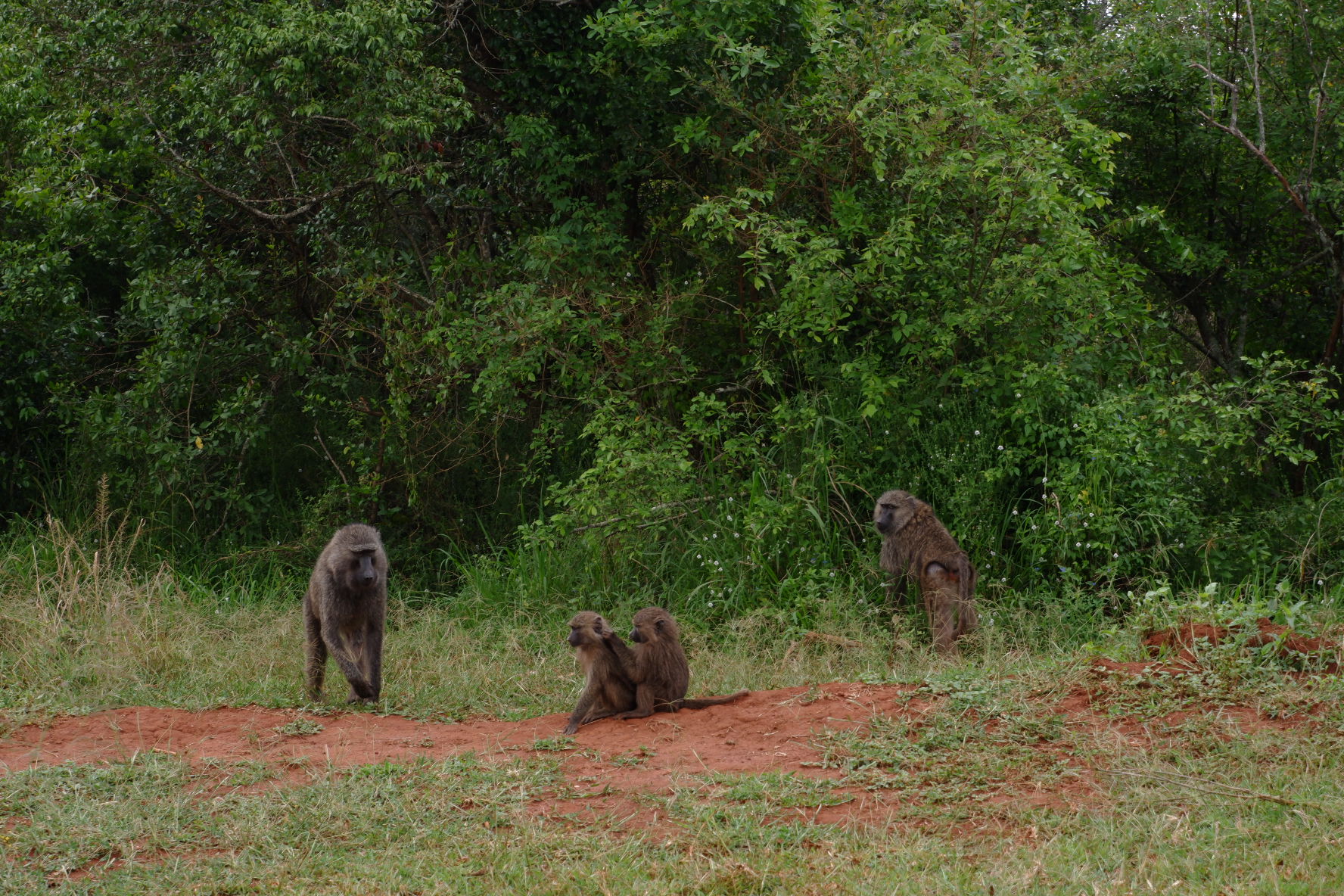
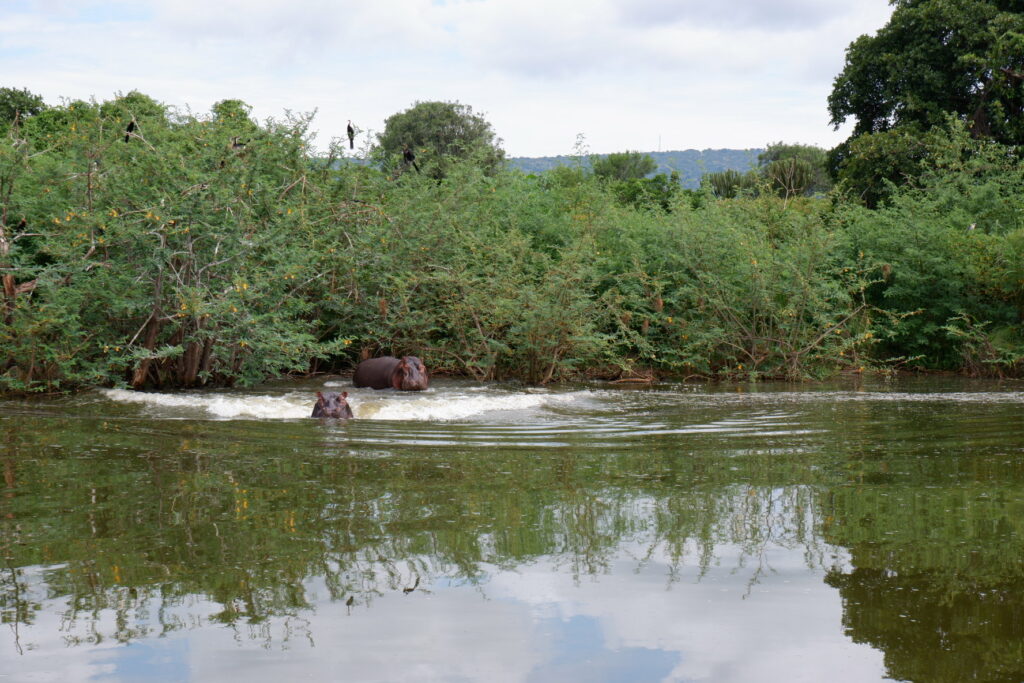
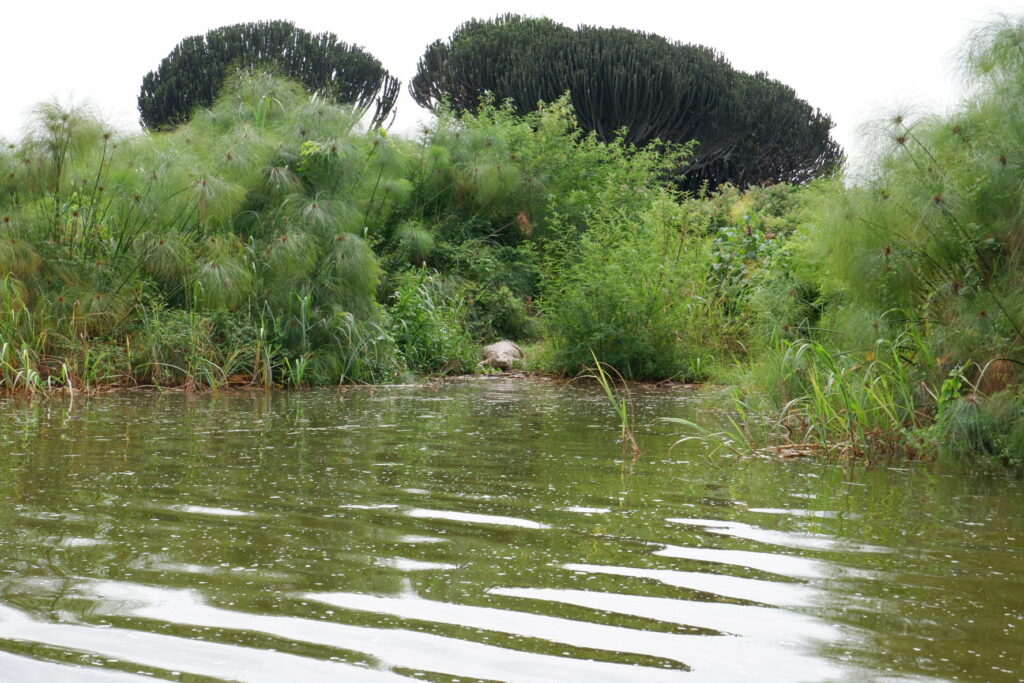
    Akagera is unique in Rwanda as the only savannah environment in the country and is home to the country big game. Large herds of buffalo, zebra, impala and giraffe are seen on the open plains while smaller antelope such as oribi, bushbuck and reed buck exist widely throughout the park. Elephants tend to stay around the lakes, which are inhabited by large numbers of hippos and crocodiles. Baboons and vervet monkeys are commonplace, less so is the secretive blue monkey. Leopard, hyena and jackal are also residents and may be seen on a night drive along with genet, serval, bushbabies, porcupine and other nocturnal wildlife. An important population of sitatunga lives in the papyrus swamps along with other rarities such as shoebill and other papyrus endemic bird species.    

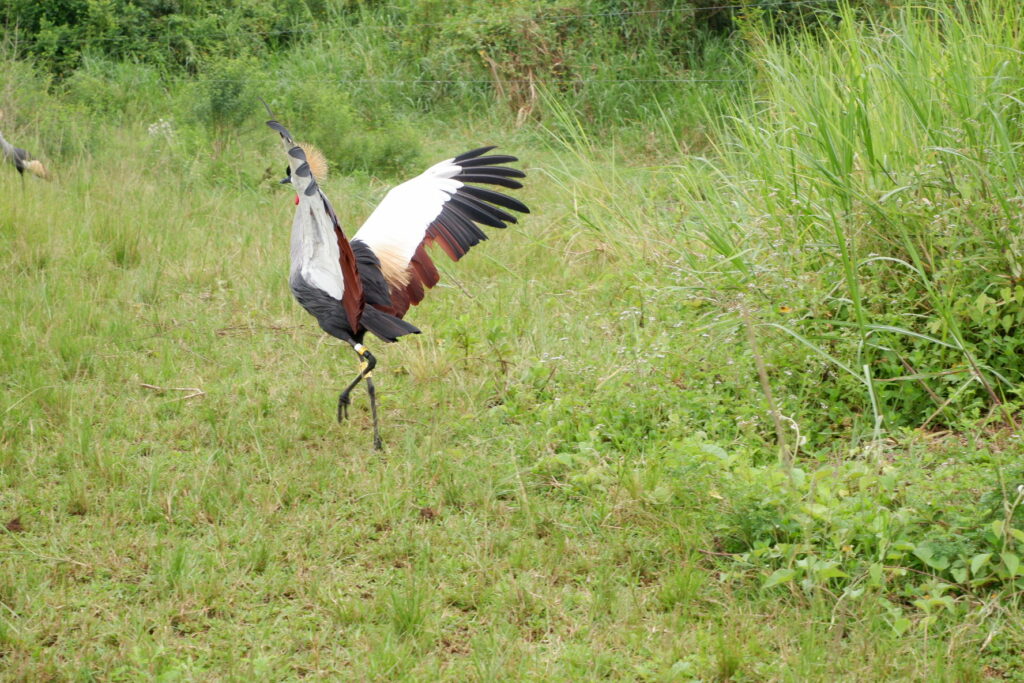
    Magically, the air is torn apart by the unforgettable duetting of a pair of fish eagles, asserting their status as the avian monarchs of Africa’s waterways. Lining the lakes are some of the continent’s  densest concentrations of waterbirds.

    Camping alongside the picturesque lakes of Akagera is a truly mystical introduction to the wonders of the African bush, Ruzizi tented lodge, where we stayed for two nights (and never wanted to leave). Our tent was set in the middle of the forest, surrounded at all times by blue monkeys and the sounds of smaller (and larger) animals.

    The safari

    We arrived on a late Friday afternoon and decided to relax for the remaining of the day, drinking a beer on the lodge deck and reading a book. On hindsight, we could probably have gone for a 5:30 pm night drive through the southern part of the park, so as to have the next day for a full day game drive or another night drive (as to double our chances to see the nocturnal wildlife).

    The game drive

    On Saturday we woke up at 5.30 (quite early, but given that the tents are in the middle of the forest, the sounds of nature will wake you up shortly after anyway), had our breakfast on the deck at 6 and left for the half day game drive at 7. We were picked up from our lodge by our guide Felix and our driver for the day, Leopold, on a battered, roof-less Toyota Land Cruiser. This amazing duet took us through the park and showed us the secrets of Akagera. The drive took around 5 hours, enough to get you to the lakes half way through the park, but not to the northern, more savannah-like, part. If you want to get to the top of the park you definitely need to go for the full game drive, 8 hours. We were honestly very happy with the experience and being able to admire the animals that nature gave us in their natural habitat, and we wouldn’t have gone for a full day anyway, too long (and maybe a bit boring after a while).

    Here is the video reportage of our game drive.

    The night drive

    We got back to the lodge around 1 pm, had our lunch on the deck and some relax before the night game drive at 5.30 pm. Can’t really explain how it can be different to spot a giraffe or a zebra in their natural habitat instead of seeing them behind bars in a zoo. The thrilling part is knowing that the park is huge and no one knows where the animals may be at any time. In this sense the night drive was the most exciting part, with the thrill of trying to spot the reflection of the car spotlight against the eyes of the wild animals. We unfortunately didn’t see any nocturnal animals, but we were lucky enough to admire two families of elephants drinking by the water pond. We watched in awe as the parents drove the two cubs away from our car, always careful not to disturb them or feel threatened since elephant charges as not so rare after all. During the drive we were constantly on the tips of our toes, hoping to spot a lion or a leopard among the trees; our expectations were increased by Videl, a 8 years old Swedish boy and his contagious excitement. The drive lasted 2.5/3 hours and took us back to the lodge in time for a dinner on the deck warmed by the campfire.

    The boat ride

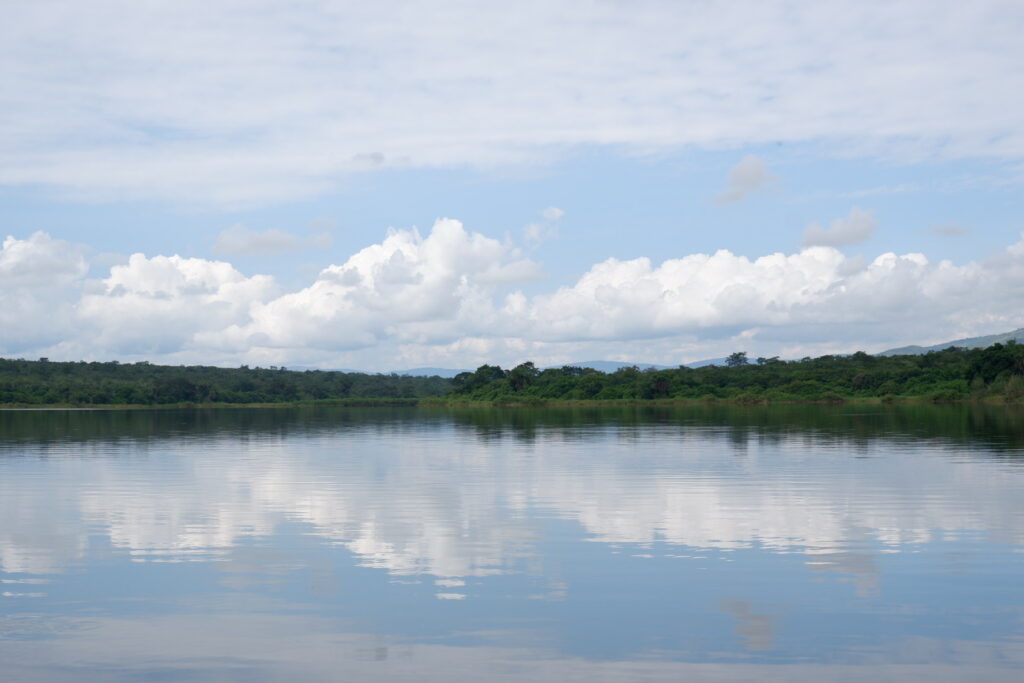
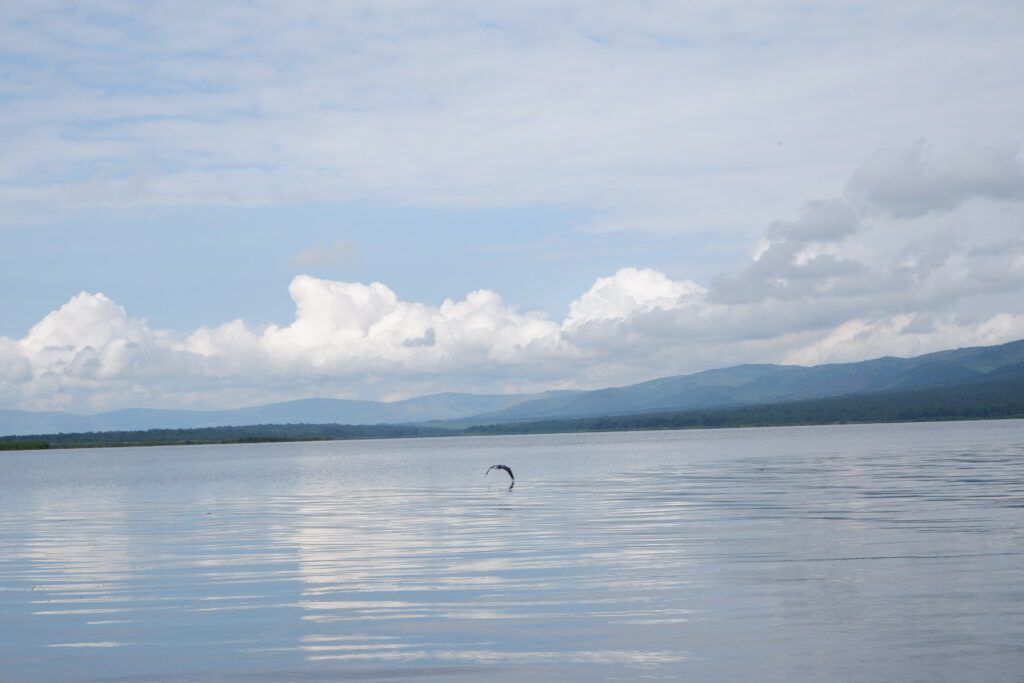
    After another early wake up, on Sunday, our last day, we went for a bot drive at 9. It was only an hour long, but enough to take you around the Ihema lake, see hippos and crocodiles. Pods of 50 hippopotami grunt and splutter throughout the lake, while outsized crocodiles soak up the sun with their vast jaws menacingly agape.

    Suggested reading

    Comments Off on Akagera National Park
  • Lodges

    Ruzizi Tented Lodge

    In the riverine forest on the edge of lake Ihema is a small, private lodge offering nine spacious, en-suite tents, dotted along the forested lakes’ edge. Sheltered by large trees and swaying palms, Ruzizi tented lodge is a quiet retreat in the spectacular setting of Akagera National Park.

    The tents are located along a boardwalk stretching either side of a thatched lounge and dining area. A raised deck overlooks the lake; dinner on the deck feels like enjoying a sundowner around a cozy campfire.

    IMG_2230

    Inside each tent is a comfortable queen (or large twin) beds and a private bathroom.

    Owned and managed by the park, 100% of the profits from the lodge go back into the total management of the park supporting law enforcement and conservation initiatives. The lodge is entirely powered by solar panels.

    Comments Off on Ruzizi Tented Lodge
  • Uncategorized

    10 mistakes every first time traveller till make (and how to avoid them)

    Gearing yourself up to go travelling for the first time can be daunting. Whether you’re backpacking for a year or just for a few months that first adventure is a whirlwind of emotions and planning.

    And yes you are going to mess up a few things – it’s only natural!

    We can give you a heads up on a few common mistakes we’ve seen heaps of first time travellers make so you can hopefully avoid them and streamline the stress out of travelling…and yes we are guilty of making a lot of them ourselves!

    Taking Too Much Stuff

    Even now we have this problem! Figuring out what to take and what to leave behind is a nightmare – but what if XXXX happens, how about XXXX?! It’s stressful simplifying your life into a single backpack.

    The old saying goes “lay all out your stuff out on the bed and halve it” ….and it works!

    The worse thing though is if you’re heading through a variety of climates – sure it might be swelteringly hot in Asia but New Zealand will have snow by the time we get there. The best advice on this we can offer is remember you can always buy new stuff on the road and offload some old stuff.

    We are still guilty of trying to over pack now, it’s a hard habit to break. You’ve got to be ruthless! Trust us you might pack 10 t-shirts but you’ll probably only wear 5. If you REALLY have to pack heaps of stuff we are sure you’ll soon get tired of lugging it around and you can always lighten the load by donating clothes to charity shops en-route.

    Not Saving Enough

    The other half of the saying after halving your clothes is to double your money. Many people underestimate how much travelling can cost – especially when you’re budgeting in flights and travel insurance too, so do some solid research. Our best advice on this is to budget around $1,000 a month – as it tends to even out across countries. The worst thing you can do is leave quickly and suddenly realize you don’t have enough dollar behind you – worrying about money will wreck your trip.

    So even if it means delaying your planned departure date it’ll be worth it in the end.

    Not Researching Costs

    Along with the budgeting research make sure you have a rough idea of how much things like taxis, hotels/hostels and food should cost you. That way you hit the ground running and wont end up paying $40 for an airport taxi when you could’ve bartered to $20 or even got the shared shuttle for $10!

    Planning Too Much...

    Ok so we’ve told you to do some planning to avoid some mistakes and save some money – but on the flip side you can over plan.

    Don’t land somewhere and have the next 3 months of your travels planned out day by day, where’s the fun in that! 

    Make sure you have a rough idea of where you’re heading but enough flexibility to embrace opportunity. 

    …Or Too Little!

    If you haven’t over planned the extreme you might fall into is to land in a place with NO plans. That’s just as disastrous, especially if you’re only just starting out on your travels. We always have a few things in mind for each place – whether is some restaurants, places to stay or a couple of day trips.

    Suddenly landing in a new place with no idea on where to stay or what to do is the worst way to start any adventure!

    It’s also important to make sure you know what the deal is with visas too. Some airlines wont let you on without onward flights (we’ve experienced this first hand with Singapore!) but also make sure you know if you can get a visa on arrival or places if you’ll need something like the ESTA visa for the USA and have to apply before travelling.

    Along with this comes the length of stay (usually in days, which includes the day of arrival!) and many countries such as Thailand will impose hefty fines if you overstay and in some cases you can even get banned from re entering for a certain period of time.

    Travelling Too Fast

    This is a personal pet peeve of ours! I’ve met people who have travelled to 50 countries…sounds good hey?

    But then you learn they did that in like 2 months and all we can think is “well you cant have really travelled them much if you’ve blasted through them that quickly“!

    This isn’t a race guys, nor is it about collecting passport stamps! The whole point of travel is to embrace the country, the culture, the food, the experiences.

    a lay-over in a country doesn’t count, so get over yourself!

    Our advice is always that it’s better to spend more time exploring less places than rushing simply for the sake of saying you’ve been there.

    ….so yeah – take your time and really enjoy everywhere, you’ll avoid backpacker burnout too…travel slow, travel far!

    Underestimating Distances

    Maps can be pretty deceiving sometimes and we’ve met a lot of people who have massively underestimated the distances between places – both actually distance but also travel time.

    Before you set plans into stone do some research, ask some people. A mistake here can really mess up your trip and feel you left totally drained and stressed out.

    Waiting Too Late For Jabs

    When it comes to travelling it’s always good to keep some boring stuff in mind too, especially insurance and vaccines. It might not be the most exciting stuff to deal with but it’ll certainly make life easier.

    As soon as you know where you’re going book an appointment with your GP or travel clinic and let them know where you’re heading. Some places you might not need anything, some you’ll need a heap of needles to be stuck in you – it all depends on location and your personal medical history. The main thing to keep in mind here is that some vaccines – like rabies – need a course of jabs across a few weeks.

    So basically the earlier you get started, the less stressful it’ll be. Don’t leave it to the last minute!

    Worrying About The Small Stuff

    Worrying about travelling is totally normal – it’s part of the fear and excitement that we’ll all love about travel so much. The unknown is daunting but don’t let it get to you too much else you’ll be stressing out before you even get on the plane.

    Breathe guys!

    Not Finding Out For Yourself

    When you’re on the road for the first time you’ll be chatting to heaps of new people, hearing about where they’ve been, where they’re going and of course sharing where you want to go to as well. But in every travel conversation there’s always one person who thinks they know everything and are now a walking talking Lonely Planet. They’re usually this self righteous people who are trying to find themselves or after a culturally immersive experience, or try to avoid the tourists.

    In short they’re stuck up their own ass and will judge every part of your itinerary and look down at their nose at your newbie backpacker status. The worst thing you can do is take everyones advice on face value. At the end of the day this is your adventure, your money and your life – so if you want to do something don’t let anyone else’s judgement stop you!

    Our lives. Our rules.

    Now I’m not saying don’t listen, just take everything with a pinch of salt.

    Everyone has their own style, agenda, passions – so by all means take their opinion into account, but don’t let others dictate your trip or make you feel bad about your plans.

    The bottom line with all of these common mistakes is be prepared!

    Do your research, chat to people and give yourself plenty of time to get everything in order.

    …but the most important thing you need to remember to do is to enjoy every part of it – the fun and adventure starts at the planning stage!

  • Joshua Tree National Park

    Skull Rock – Discovery Trail – Split Rock

    Especially if you are staying in the Jumbo Rock campground (we haven’t seen any of the other campgrounds in Joshua Tree, but we loved this very much), this is a great sunset hike, a nice way to wrap up the day. We hiked the Lost Horse Loop in the morning (link) , went back to the campground to relax a bit and hiked these three loops right before sunset. Wise choice since being very popular and easy treks during the daytime they get quite crowded, especially with families and young kids. They are all very short (1.7 miles Skull Rock, 0.7 miles Discovery trail, 1.9 miles Split Rock) and they are all connected to each other starting right in front of the entrance of Jumbo Rocks campgroung and ending inside of it, so you don’t even need to take a car.

    The first one is Skull Rock that takes the name from the famous rock in the shape of a skull ( I honestly didn’t really think it was that impressive, but judging from the number of people queuing in front of it to take a picture, I guess the world thinks otherwise ). The landscape for the three trails is actually quite the same all across, so if you are tired of the day and don’t feel like doing all the trails you can skip the last one, won’t miss anything in particular. We personally found relaxing hiking them all, took some very beautiful pictures of the Jumbo Rocks hit by the last daylight, talked a bit, enjoyed the peace. All throughout the trails there are nice explanations of animals and vegetation that are found in Joshua tree, fun facts to read on the way.

    Comments Off on Skull Rock – Discovery Trail – Split Rock