• Uncategorized

    Lost Horse Mine Loop

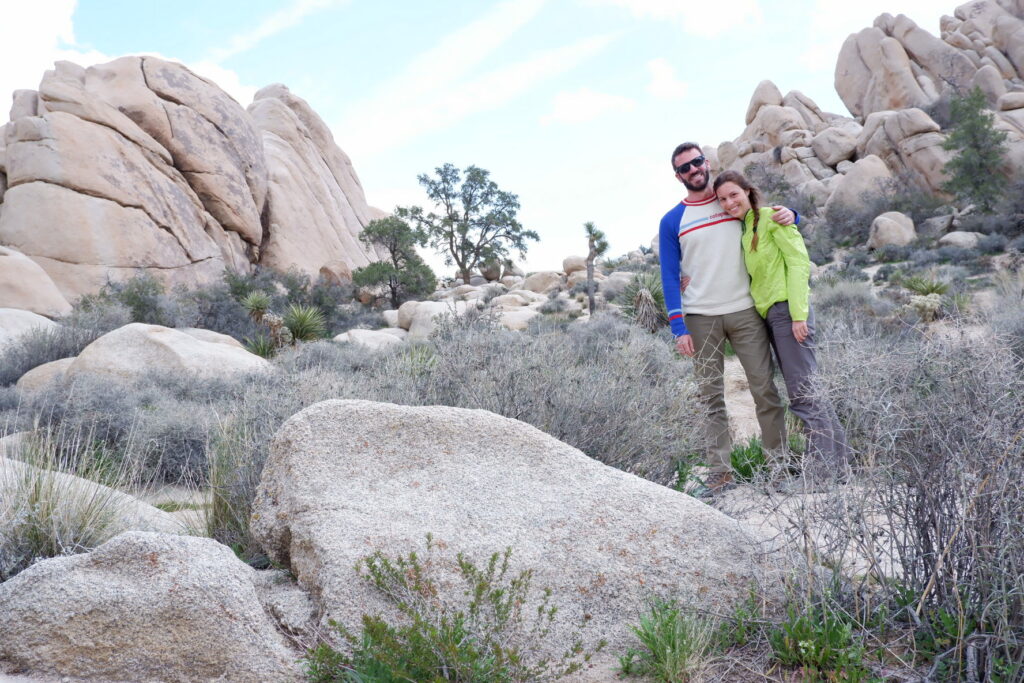
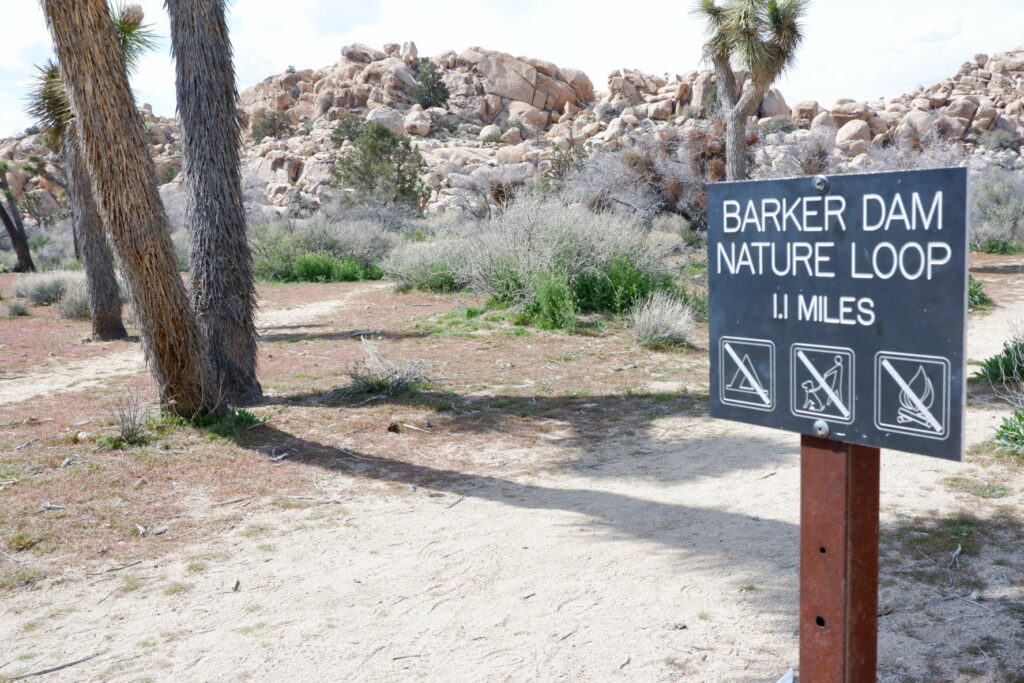
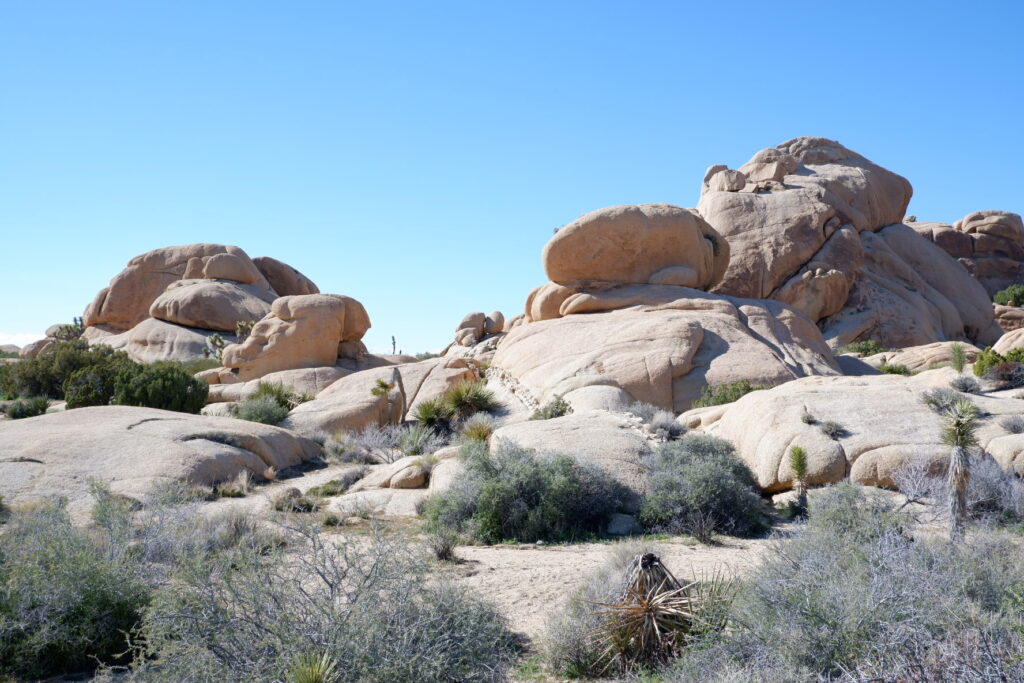
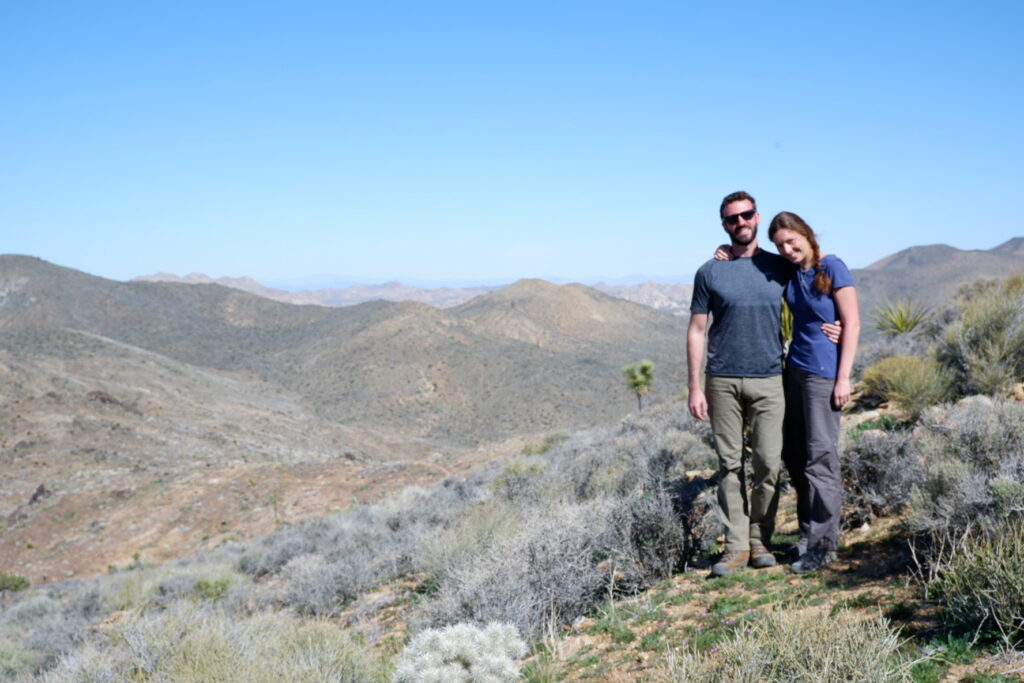
    This 6.9 miles loop was definitely among our favourites. When we stopped at the Joshua Tree info centre on the first day the ranger told us that it was a quite popular trek, but unfortunately there were only around ten spots in the parking lot at the trailhead. To beat the crowd it’s best to be there around 8.30 maximum. Depending of where you are coming from it can be quite an early wake up, that’s the down side, the good part though is that the trail is always peaceful and quite because of the limited number of parking spots.

    The mine was once owned by Pioneer Johnny Lang who had lost his horse to a gang of thieves, hence the name.

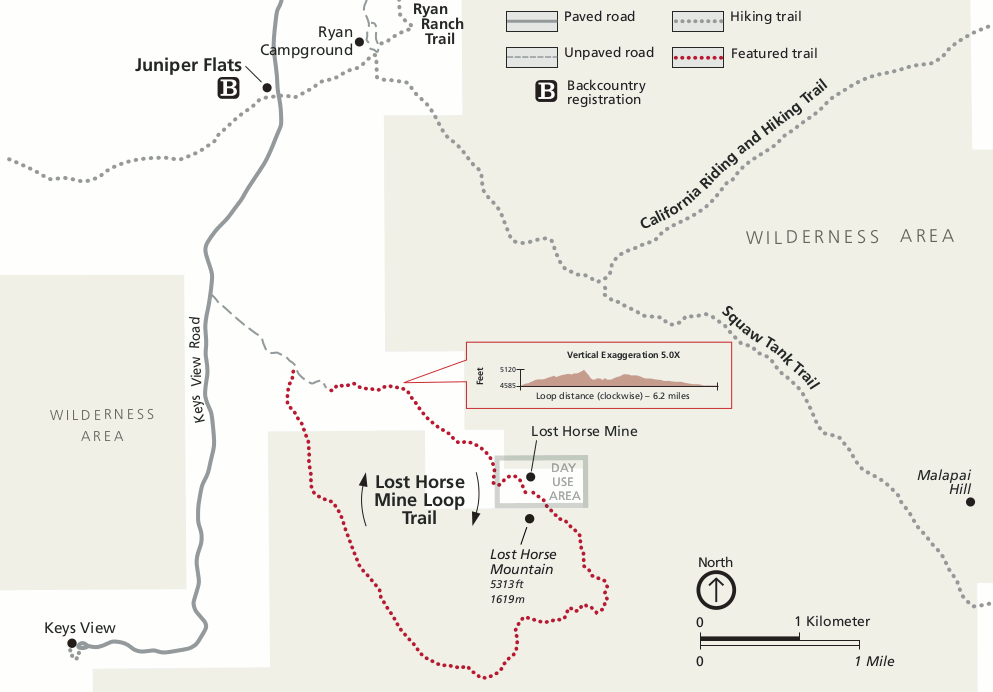
    Follow the directions for Keys View and you will find on the left the sign for “Lost horse mine loop”. Drive down the unpaved road for a couple of miles and at the end you’ll find the parking lot. The trail is well indicated all throughout and we definitely suggest you do it clockwise. 

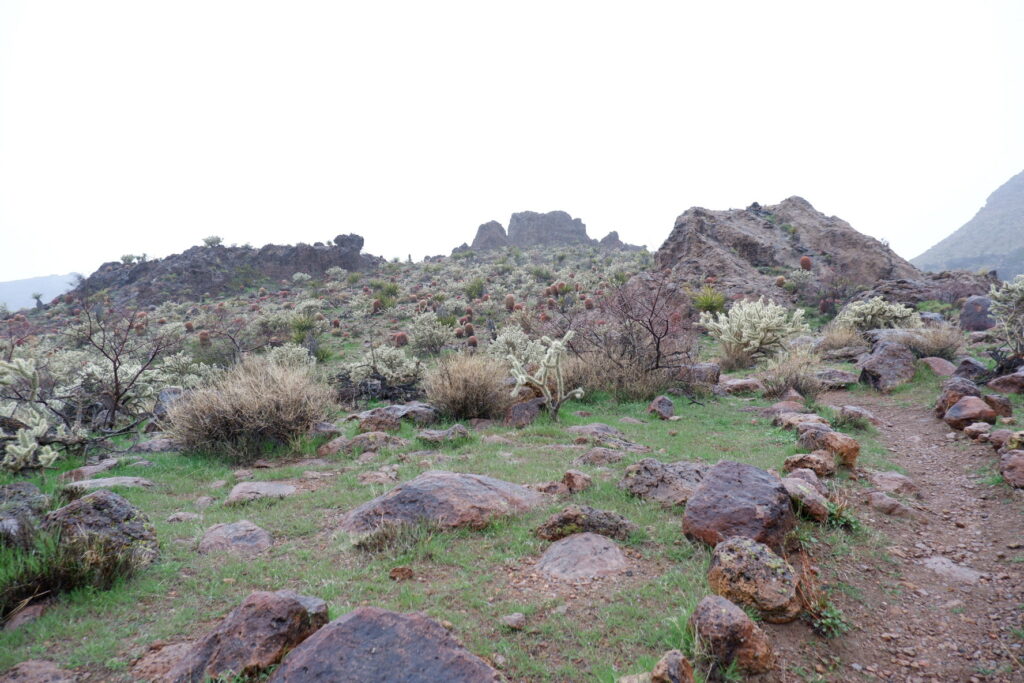
    The first part hikes the side of a mountain and after a little more than a mile you’ll reach the old mine. The vegetation here is not too exciting, we even thought there must have been a fire recently, since most of the trees were burnt. The old mine it’s the perfect spot for a snack, but we personally didn’t love it, it is surrounded by old and rusty aluminum sheets and it has a quite desolated look overall.

    Most of the people once they reach the mine they will head back and don’t continue the loop. If you do, like we did, you’ll actually see the best part of it.

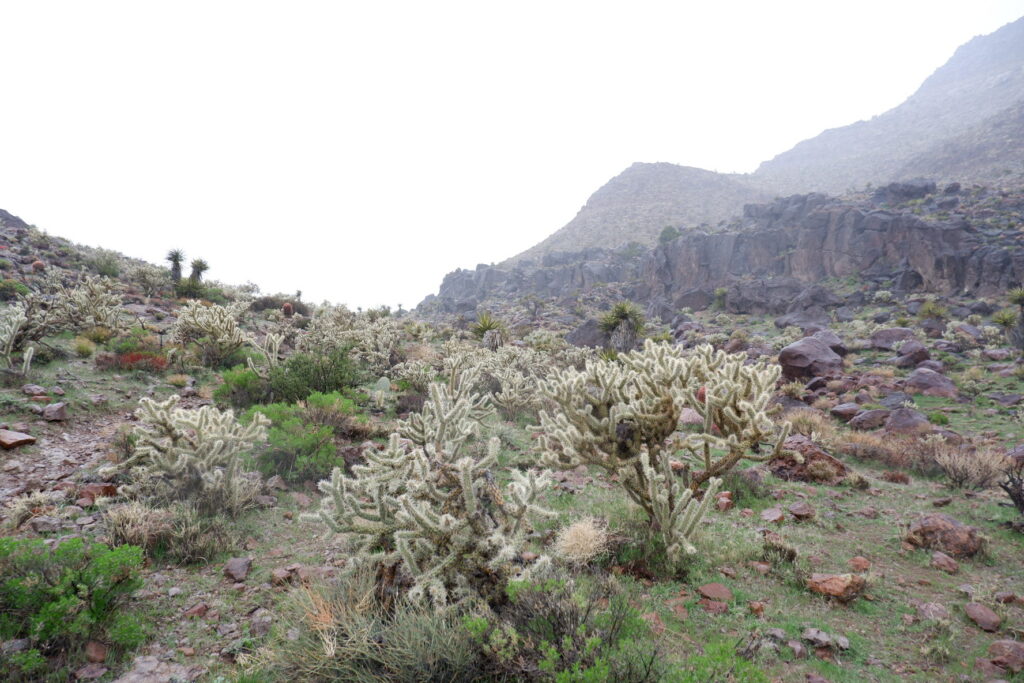
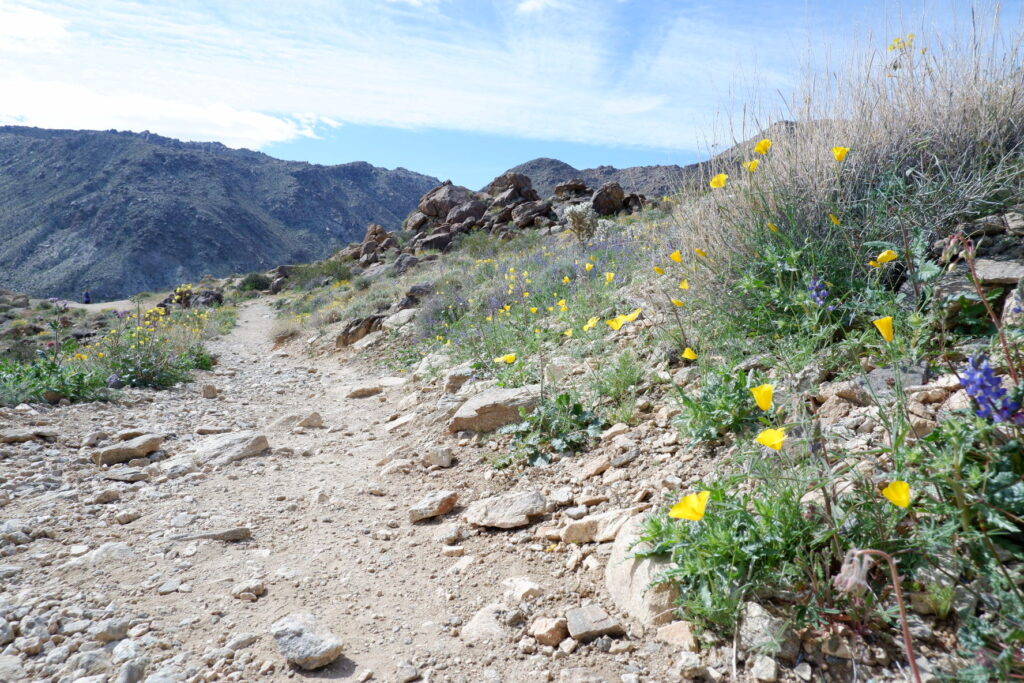
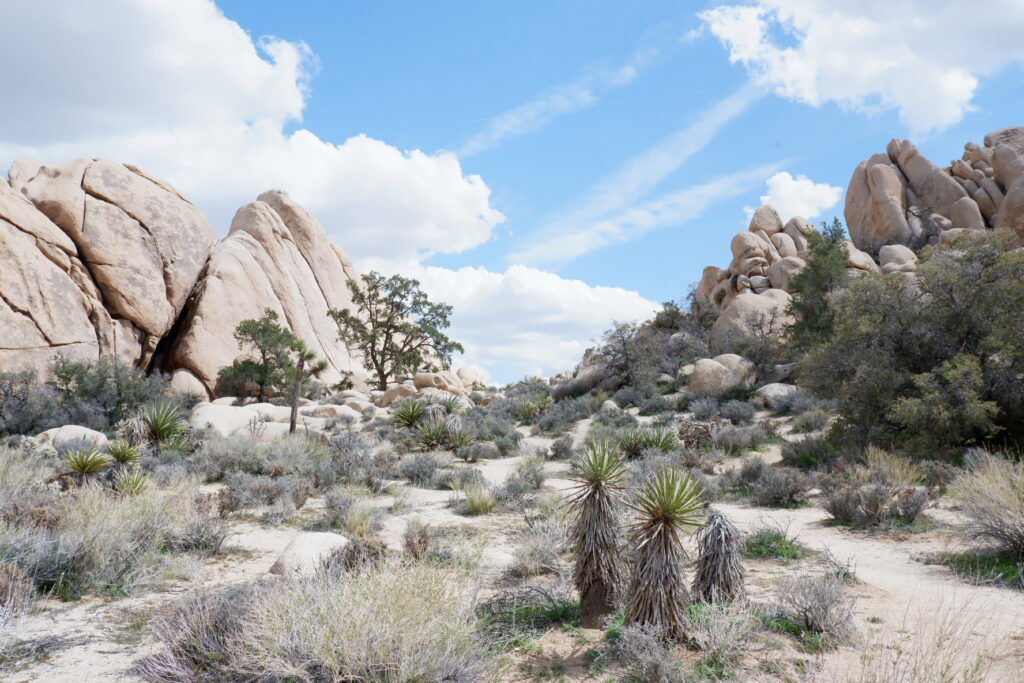
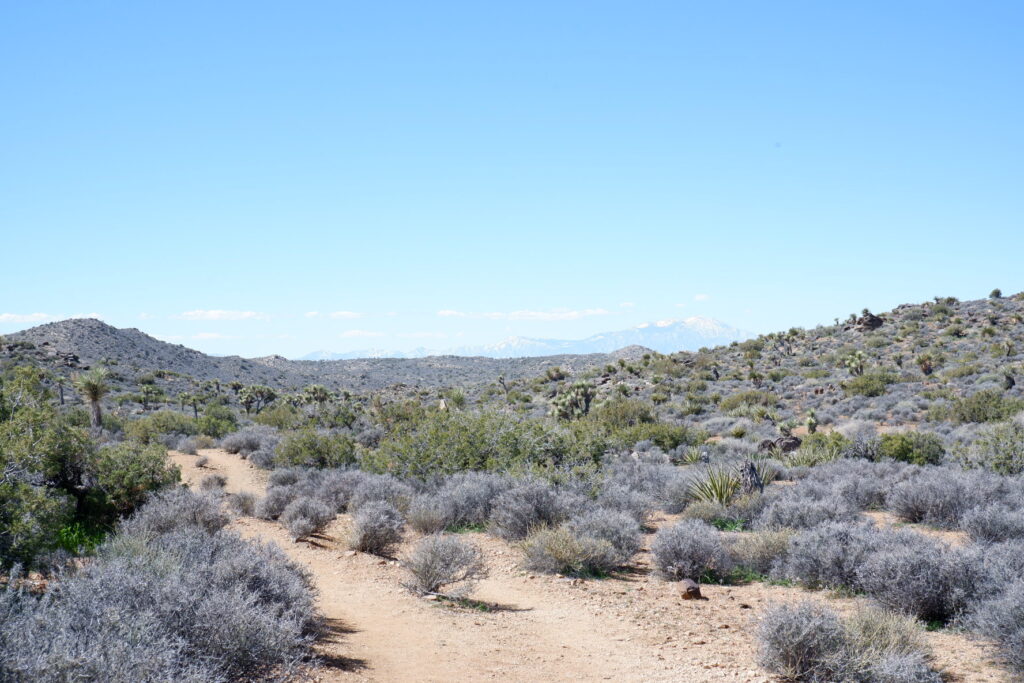
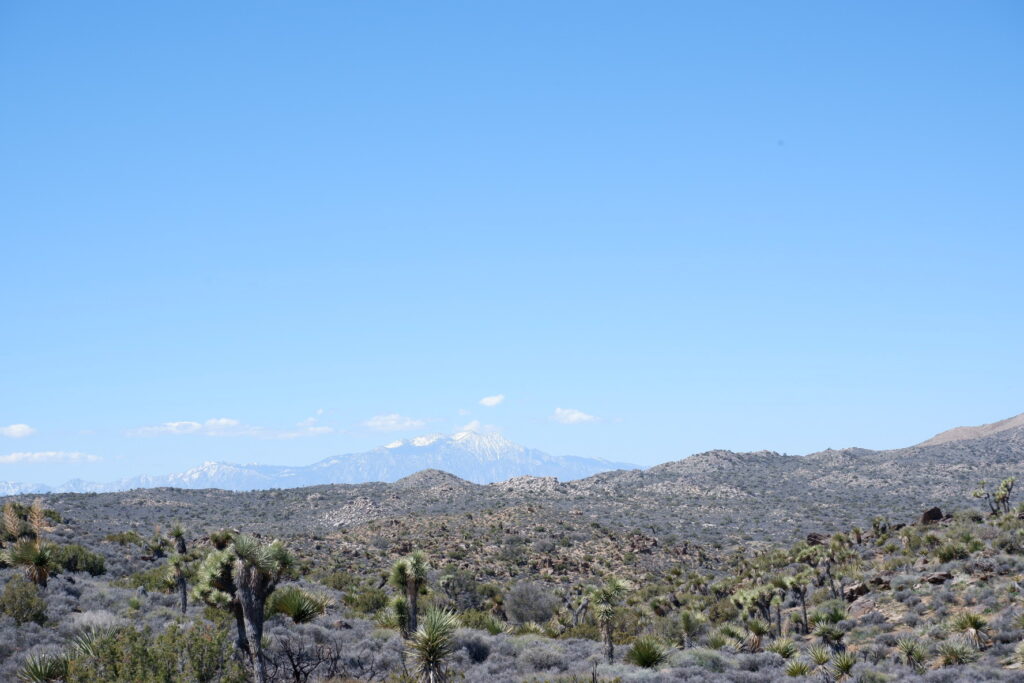
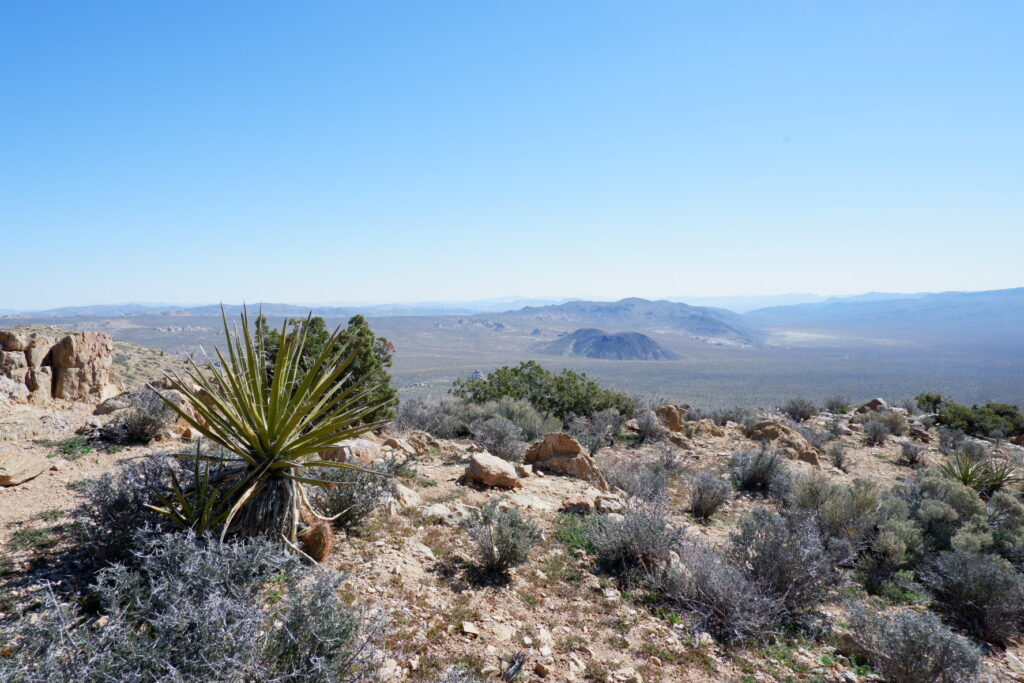
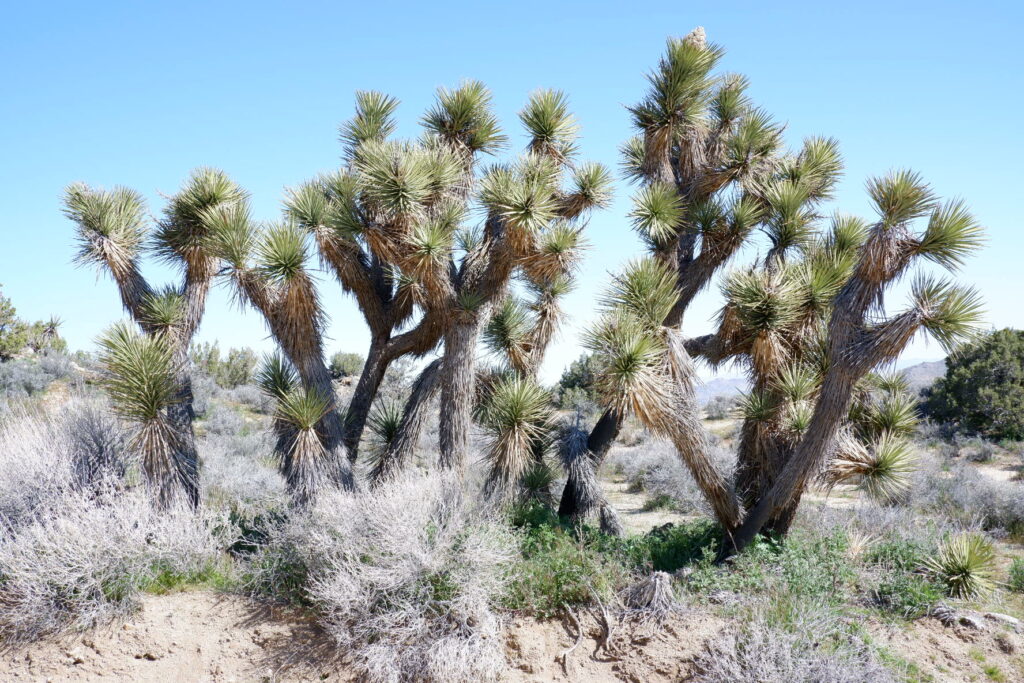
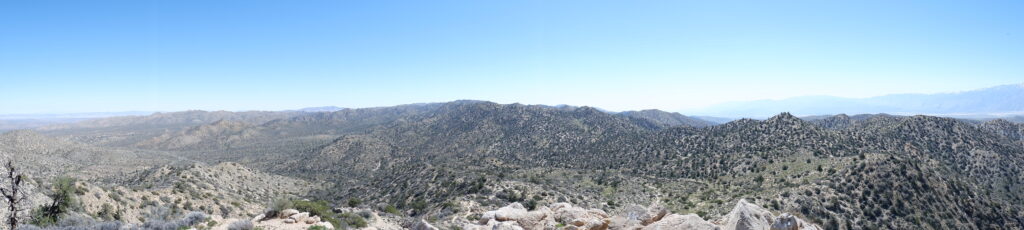
    Past the mine you’ll reach the top of one of the Lost Horse Mountains, and get an amazing view of the valley. You’ll then hike down a steep ridge and then up again the side of another mountain. Here the vegetation is more lively and the Joshua Trees constellate the trail. Going constantly up and down makes the hike very exciting. Once you reach the top of the second mountain you are done, it’s all downhill until it actually reaches a flat area.

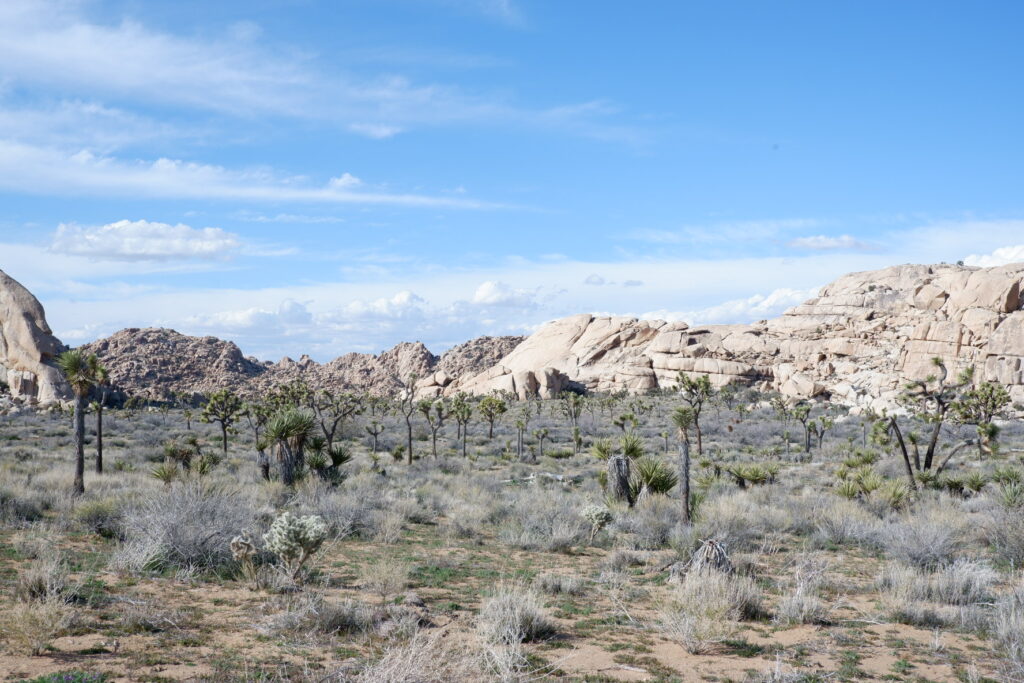
    This last part can be a bit boring, but you still have amazing views in front of you and are surrounded by Joshua Tree. If lucky you can find some shade under one of the big ones and enjoy a snack and a peaceful break.

    During these last few miles F. announced “No wonder the Pioneer lost his horse here!”

    Here is a map of the trail.

    Comments Off on Lost Horse Mine Loop
  • Adventures,  Camping,  Joshua Tree National Park

    Joshua Tree National Park

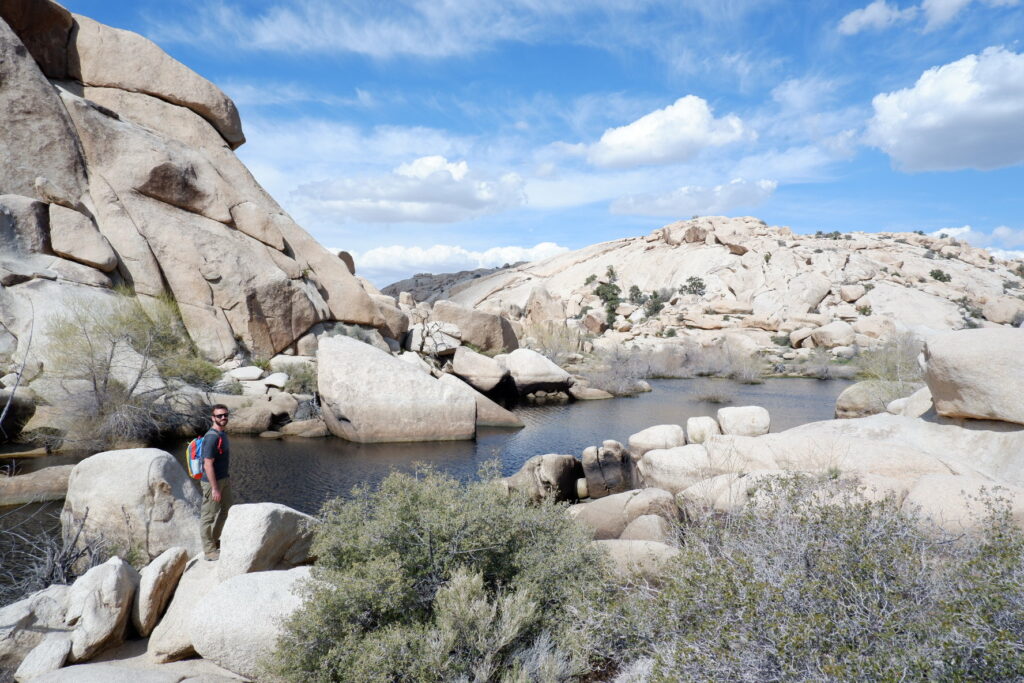
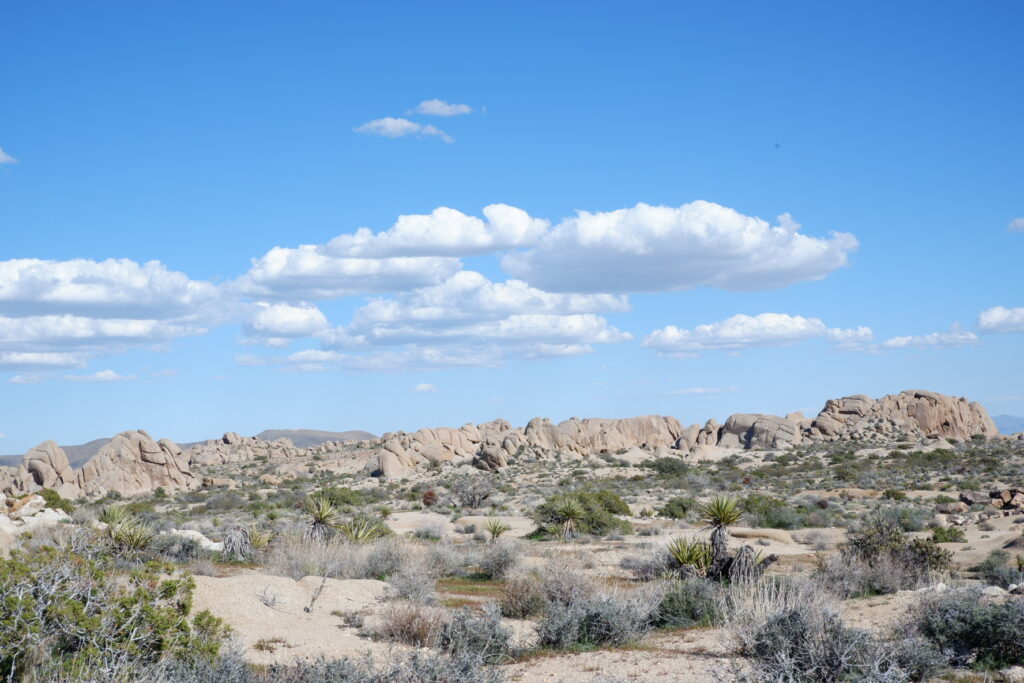
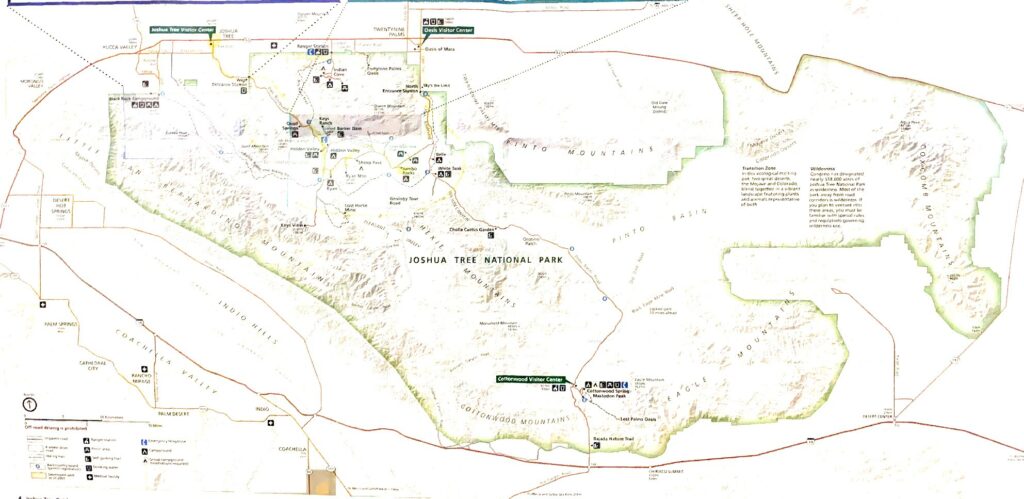
    Boulders and buttresses, rugged mountains, gold mining ruins, desert plains dotted with the oddball trees—this is one weird place. Joshua Tree National Park lies at an ecological crossroads, where the high Mojave Desert meets the low Colorado Desert. 

    The Colorado, the western reach of the vast Sonoran Desert, thrives below 3000 feet on the park’s gently declining eastern flank, where temperatures are usually higher. Considered “low desert” compared to the loftier, wetter and more vegetated Mojave “high desert”, the Colorado seems sparse and forbidding. It begins at the park’s midsection, sweeping east across empy basins stubbled with creosote bushes. Occasionally decorated by “gardens” of flowering ocotillo and cholla cactus, it runs across arid Pinto Basin into a parched wilderness of broken rock in the Eagle and Coxcomb Mountains. 

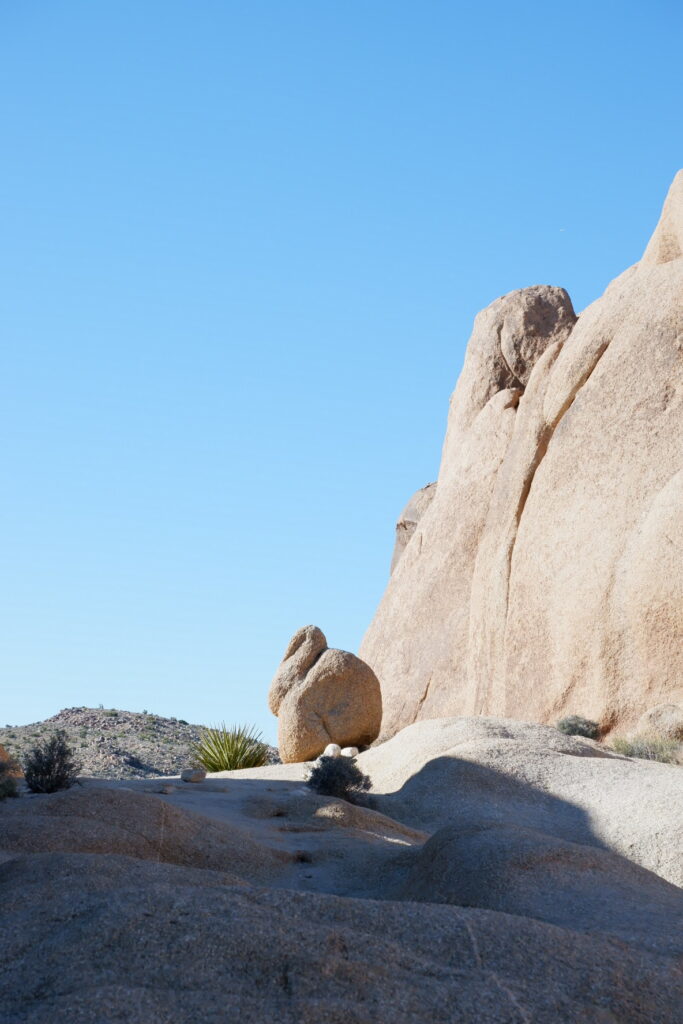
    Above 3,000 feet, the Mojave section claims the park’s western half, where giant branching yuccas thrive on sandy plains studded by massive granite monoliths and rock piles. These are among the most intriguing and photogenic geological phenomena found in California’s many desert regions.

    The result of this encounter of two different ecosystems is amazing desert flora, including those wacky namesake trees (actually a type of yucca). The Joshua Tree was revered by American Indian tribes because its leaves provided durable materials for baskets and footwear, while the buds and seeds made a healthy addition to their food supply.Joshua Tree’s beauty shines around the clock, with vibrant sunsets melting into nights filled with uncountable stars.

    Crafted over millions of years by torrential rain, battering wind, and extreme temperatures, Joshua Tree National Park stretches over nearly 800,000 acres of rugged terrain. These landscapes, which can seem deceptively barren, are home to several ecosystems. Despite the harsh conditions, Joshua Tree teems with plant and animal life that has adapted and thrived in the area’s fierce climate. Joshua Tree National Park is home to large herds of desert bighorn sheep, black tailed jack rabbits, coyotes and kangaroo rats as well as a number of smaller mammals. Since it lies along the Pacific migratory bird flyway, many large groups of migrating birds can be spotted overhead or stopping to rest in the park during the winter months.
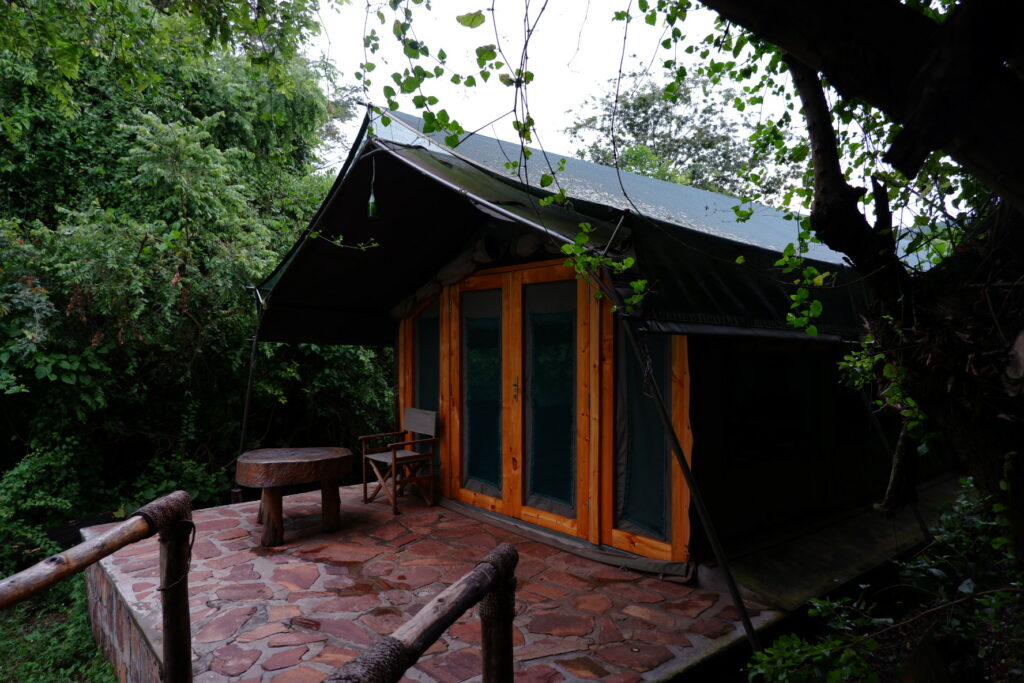
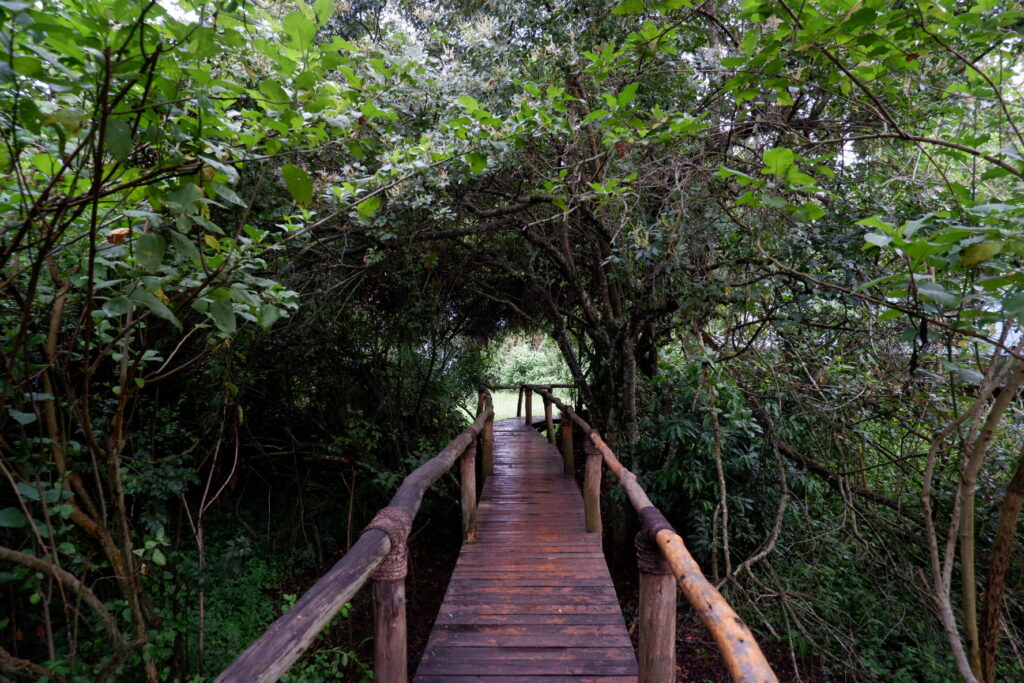
    The park’s premier attractions, forests of giant branching yuccas known as Joshua trees, massive rock formations, fan palm oases, and seasonal gardens of cholla and ocotillo, can be enjoyed on a leisurely half-day auto tour that includes both “high” and “low” desert zones— although most of your time will be spent in your car. Scenic paved roads lead to viewpoints, all campgrounds, and trailheads. Roadside interpretive exhibits have pull-outs and parking areas, and offer insights into the region’s complex desert ecology, wildlife, and human history.
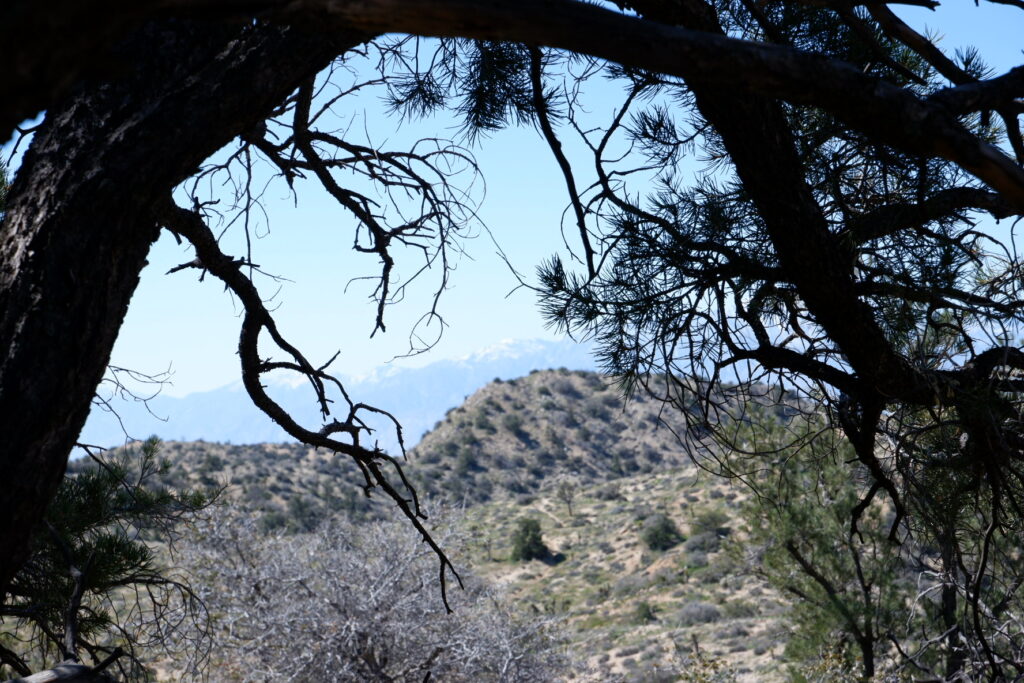
     

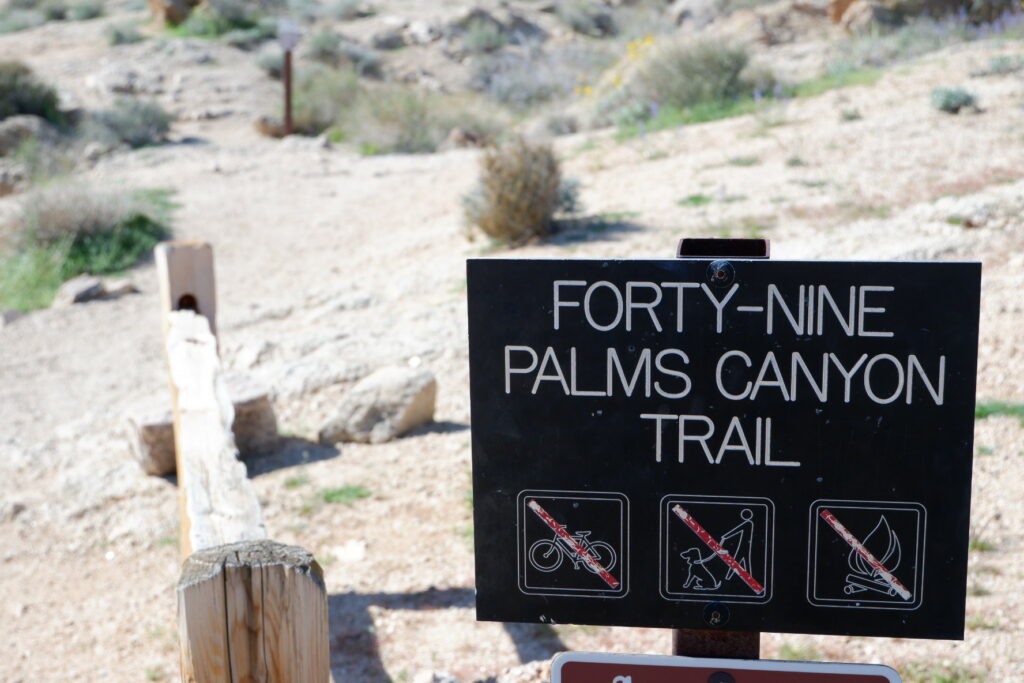
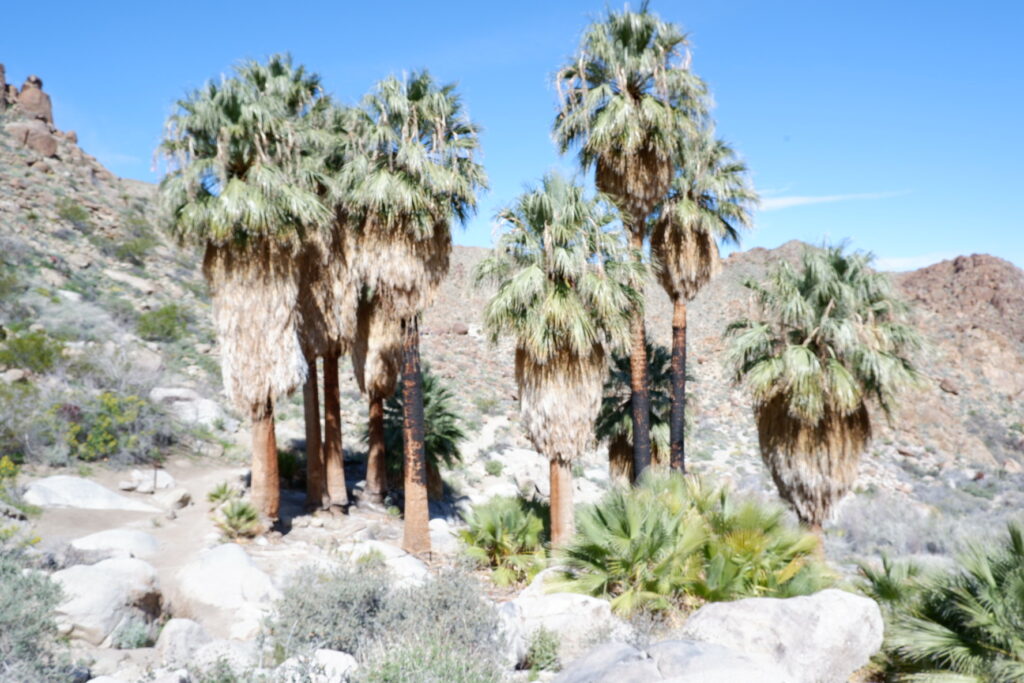
    Start out by climbing up to Keys View, where you can get a great panoramic vista of Mount San Jacinto and Mount Gorgonio, with the Salton Sea stretching out in the distance. Then pay a visit to Keys Ranch, where you can take a guided walking tour to get a glimpse into what it was like to be an early 20th-century  pioneer on this unforgiving terrain. Close by but standing in contrast is 49 Palm Oasis, where fan palms tower over a crystal-clear spring, and also nearby is Lost Horse Mine, one of the few mines in the area that proved to be a good investment. Today you can see what remains of the once booming operation with an easy 4-mile round-trip hike.

    If you’re looking to do some rock climbing, Joshua Tree has more than 8,000 established climbing routes, from easy beginner scrambles to extreme vertical cracks, and camping options are plentiful with nine campgrounds. Or, head out on foot or horseback to set up camp nearly anywhere; there are only a few restrictions. Take a break from roughing it to check out Pioneertown, a, 1880s-style false-front Old West “town” where more than 50 films and television shows were made in the ‘40s and ‘50s; today, you can still see mock gunfights and see top-notch live music at Pappy and Harriet’s Pioneertown Palace. Read on to learn more about these and more things to do at Joshua Tree National Park below. 

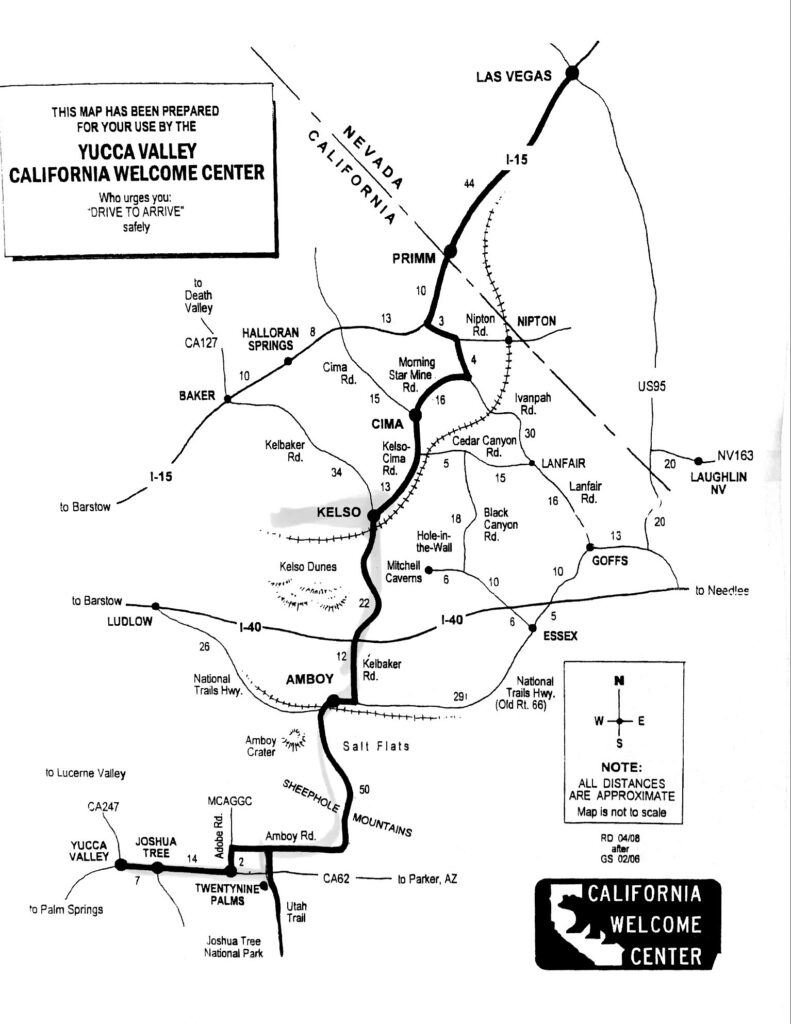
    If visiting the park by car, keep in mind that there are north (at Twentynine Palms) and south (at the intersection of Box Canyon Road and Interstate 10) entrances in addition to the most commonly used west entrance. There is also an all-inclusive (i.e. no entrance fee) shuttle bus service that makes multiple stops within the park. Avoid the biggest crowds by visiting midweek.

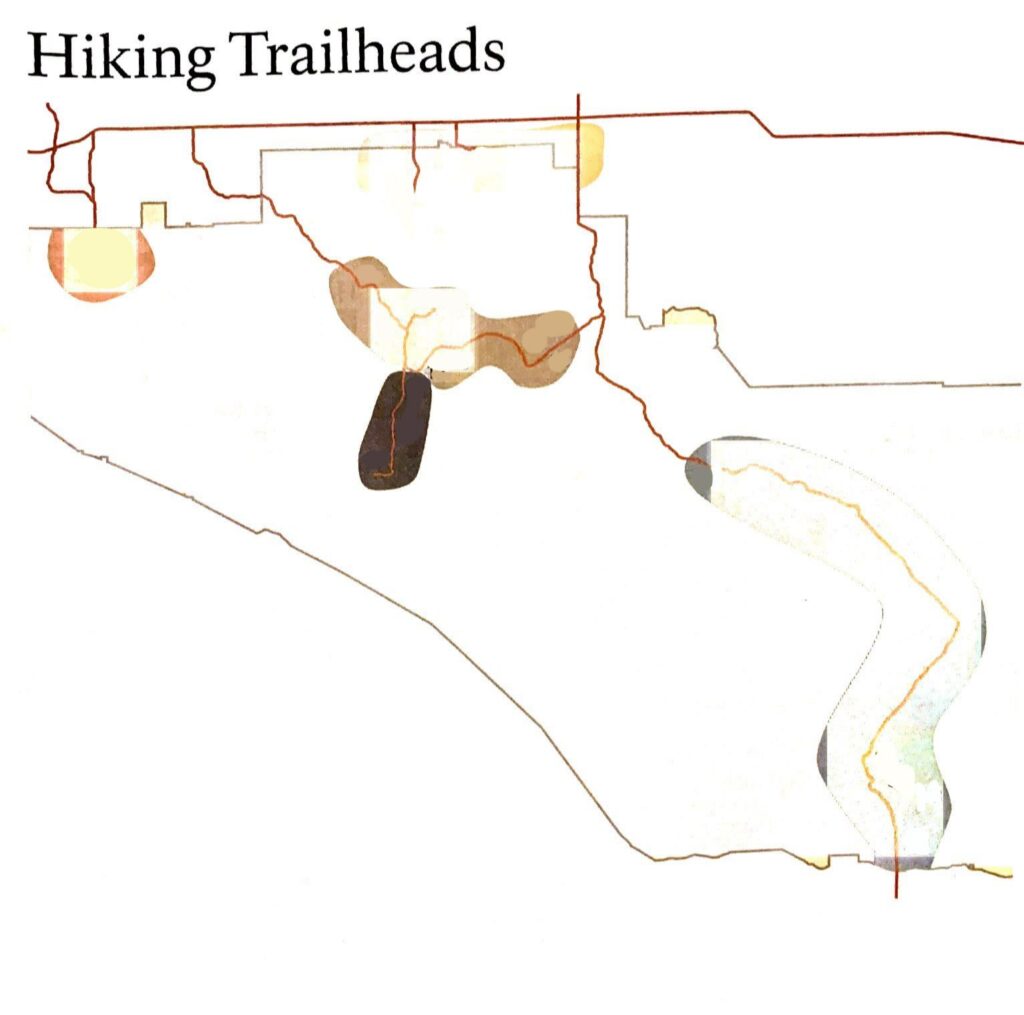
    For a review and description of the various available hikes, click on the corresponding links on the hiking trailheads map.

    Comments Off on Joshua Tree National Park
  • Camping

    Warren Peak and Panorama Loop

    During those busy spring days when the Joshua Tree National Park is swirling with tourists, backpackers and rock climbers, you may want to consider spending the day in the Black Rock Camp area. To reach it from L.A. while driving on Highway 62, do not go as far as the main Tourist Center and Park entrance; instead turn right when in Yucca Valley and follow the sighs for the Camp. You will not need to purchase a Park pass to go there.

    Park your car in front of the Black Rock Visitor Center and spend some time exploring it. It is the only place in the whole Park where you can buy some memorabilia (fridge magnets, backpack patches, etc) and postcard to send home, it has a water fountain to fill your bottles, and very helpful rangers that will give you all the information you may need to explore the area.

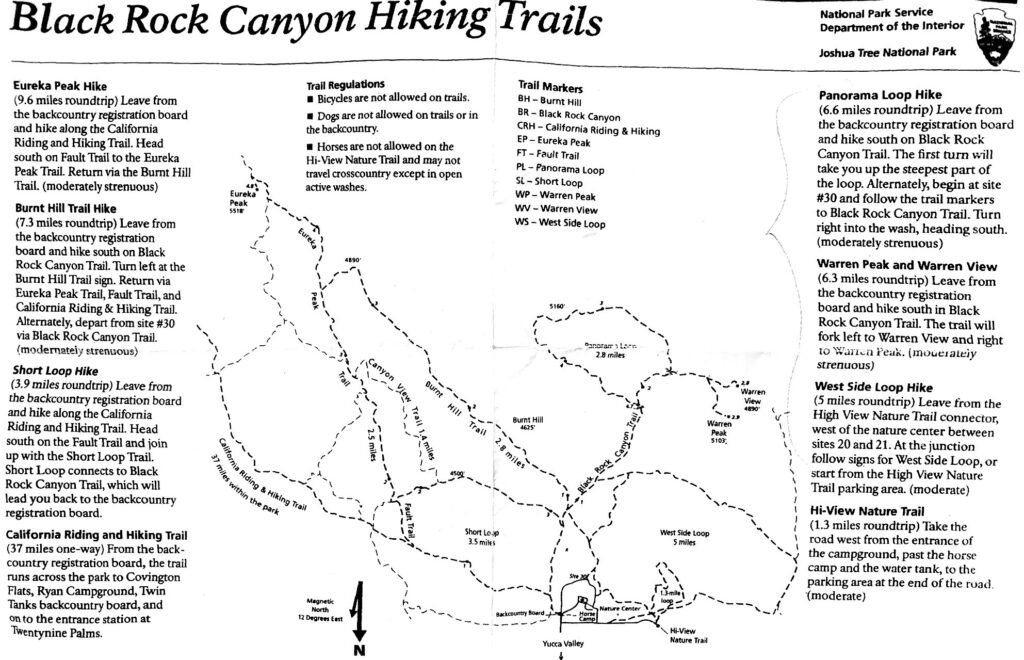
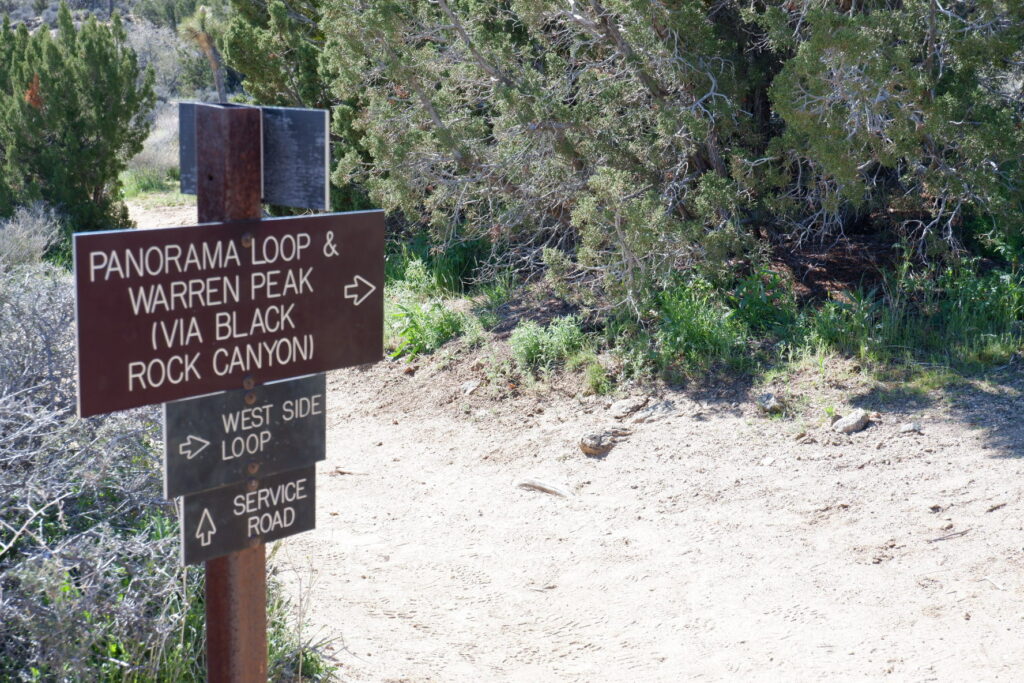
    The map that the rangers provide is unfortunately not super detailed but their explanations are clear and the trails are very well indicated. If you feel full of energy and want to fill the day with a good 15-20 km hike, we suggest going for Warren Peak and Panorama Loop trail as we did. The West Side Loop trail and the Short Loop are easier hikes.

    Warren Peak

    From the Black Rock Camp follow the site camp number till you reach number 30: from there make a left pointing towards a big water tank and you will see the trail departing on your left. The first km is an easy walk, all flat and surrounded by cacti and Joshua trees. On your right you will see the trail head for the easiest West Side Loop: continue straight and the main trail for Warren Peak and Panorama Loop will open on your right after 500 m. The main trail is large and mainly flat, graveled, it traverse the Black Rock canyon and will get you used to the typical Park vegetation. It may be a bit monotonous (especially on the way beck…) but it is certainly worth what is expecting you after 5 km. Here the trail forks and on your left departs the Panorama Loop: our advise is, keep this one for later. You may want to continue on the right trail towards Warren Peak and Warren View.

    The trails starts a gentle climb in between higher rocks, the vegetation becomes thicker, with bigger trees and bushes. After 5 km of this beautiful but gentle hike, assess your strengths and make a wise decision: you will find on your left the trail head for Warren View, a gentler ascension that will take you to 1500 m of heights but not to the top of the Peak. If you feel courageous and full of energy, continue to your right and start the strenuous 4.5 km climb towards the top.

    The vegetation changes as you get higher, less trees and less shadow, so make the most of the sparse resting spots that you may find. Drink plenty of water and electrolytes and continue the climb at your pace.

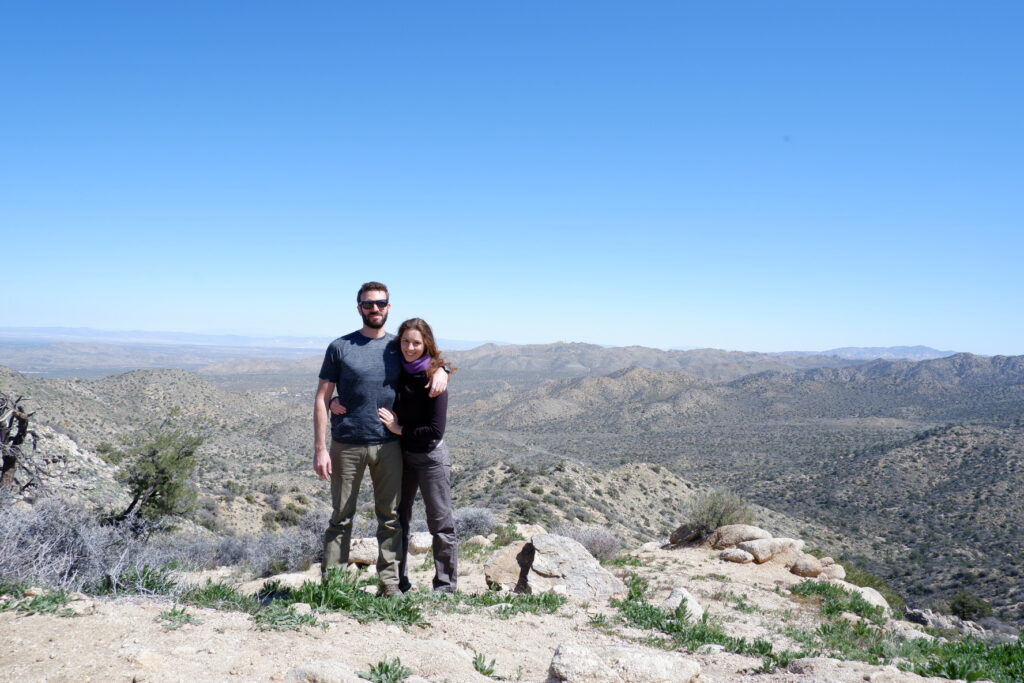
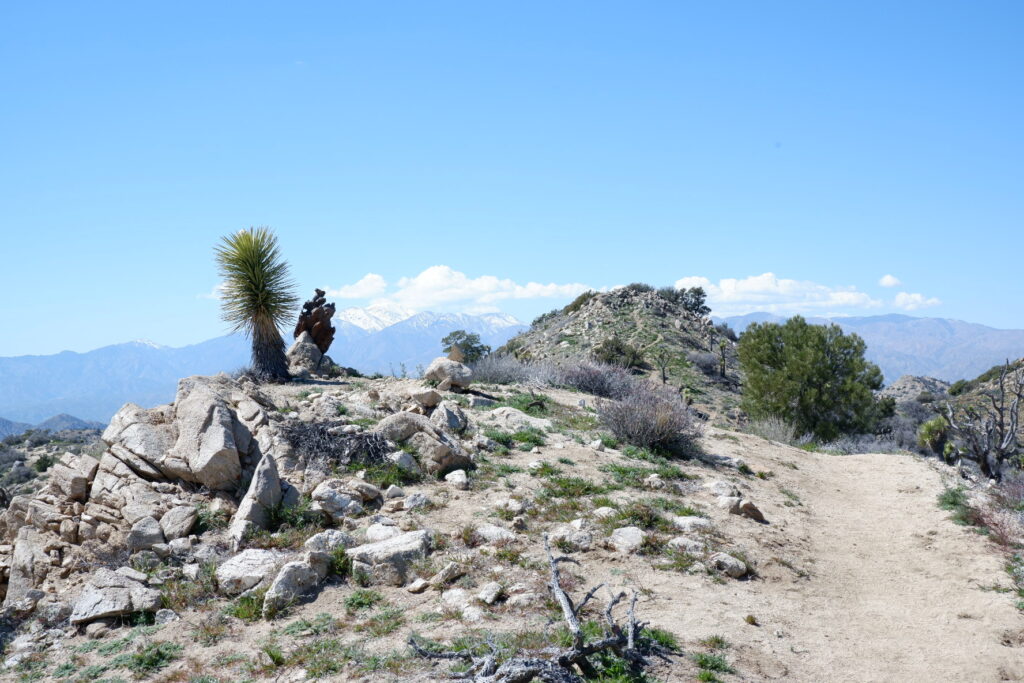
    It took us more or less 30 minutes to make it to the 1600 m top of the Peak, where only rocks welcome you to a breathtaking view that spans 360 degrees to all the Park.

    Sit on top of the mountain and enjoy this well deserved panorama. To the far south the snowed peaks of the San Bernardino mountains make a nice frame to the valleys of Joshua trees and cacti. 

    Rest for some time, eat a granola bar or a banana and breath the fresh air. Take a lot of pictures and get ready for a steep descent. The trail is, of course, the same but much faster going down. Be very mindful of the unstable small rock under your feet and give way to people climbing up.

    Once you passed the fork for the Warren View, this time on your right, you may want to pay attention to the trail for the Panorama Loop.


    Panorama Loop

    Still feeling energetic after the climb of the Peak? Invigorated and exhilarated by the heights? Then the Panorama Loop trail is exactly what you need to go back to base camp exhausted but happy. 

    Coming down from the Warren Peak, and after the right-hand trail for Warren View, you want to find the trail that departs on your right for Panorama Loop. If your sight is more acute than ours, you will be able to find the smaller trail that will allow you to make the Loop counter clock-wise; if you miss it, like we did, no big deal: continue for 3 more km and you will find the trail sharply forking to the right and see the sign for Panorama Loop.

    Take this trail and you will be making the Loop clock-wise. Don’t be fooled by the easier ground at the beginning of the trail, with the plush vegetation and trees all around: the road will soon start a gradual but strenuous climb, the trees will change to small bushes and the to sparse sprouts of grass as you ascend for 1.5 km towards the top at 1600 m. Once you reach it, the trails lies on the ridge of the mountain and you will walk for 1 km with a view that spans to the underneath valleys both on your left and right. 

    Once the trail start descending to the side of the mountain, you will find yourself back into the plush vegetation of the lower heights. And soon you will close this 6 km Loop and find the way back to the main trail. Take a right and continue back the way you came from the Black Rock Camp, cutting the canyon and retracing your steps. As we said before, the final part an be a bit monotonous and boring, but water, food and a tent are waiting for you at the end of it!

    Comments Off on Warren Peak and Panorama Loop
  • Hole in the wall

    SUSHI SASBUNE – Los Angeles

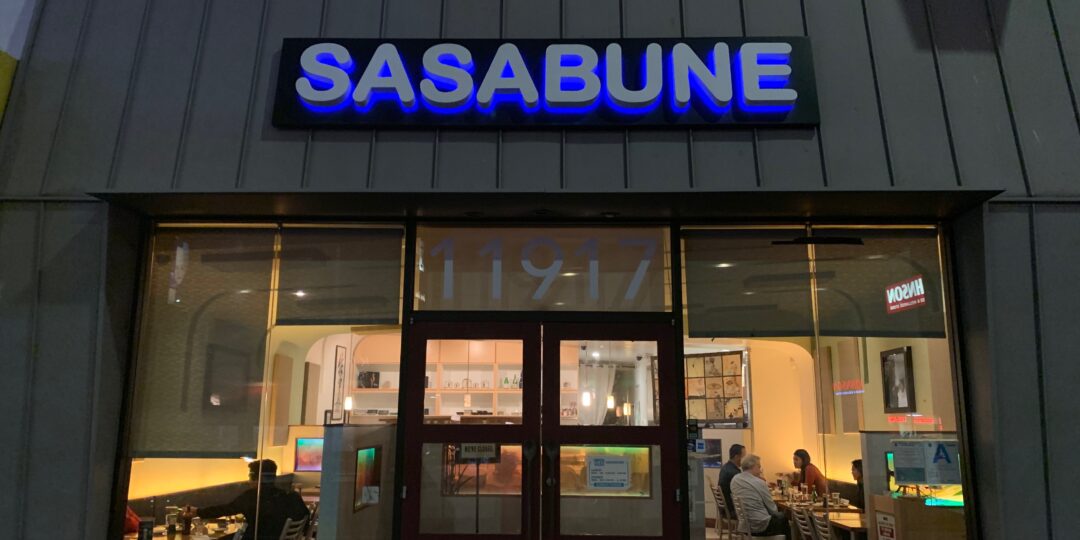
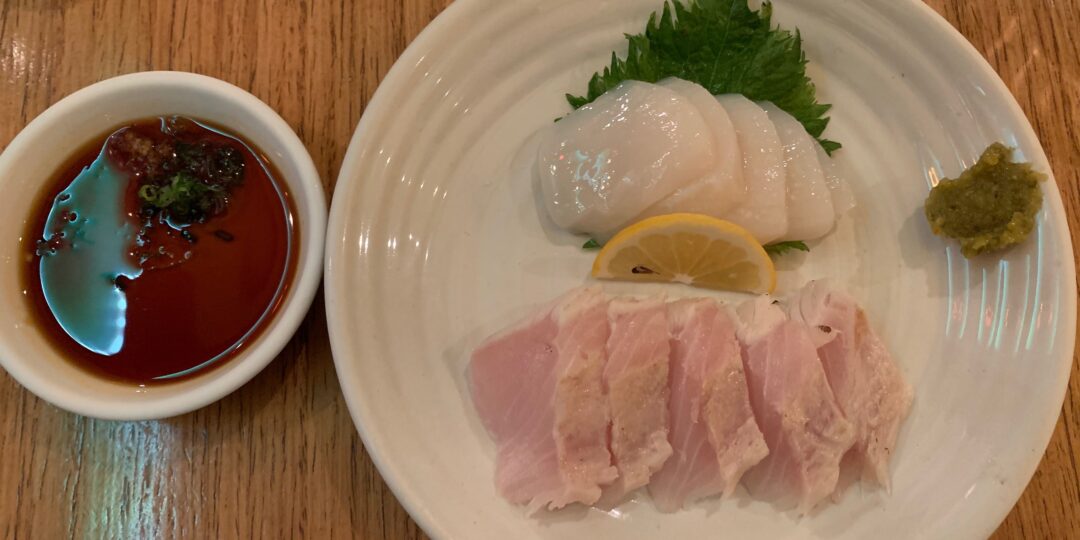
    If you didn’t grow up in LA (or, you know, Japan), your sushi experiences probably amounted to mysterious California rolls in the one Japanese restaurant in town, grocery store spicy salmon rolls, or hand rolls made with canned tuna . Your first omakase (the Japanese tradition of letting a chef choose your order) is always a revelation. The first time we had omakase was at Sasabune

    So while we will keep going back to Sasabune because it’s the place where we really learned to love sushi, you should get here because it’s one of the best examples of classic LA omakase.

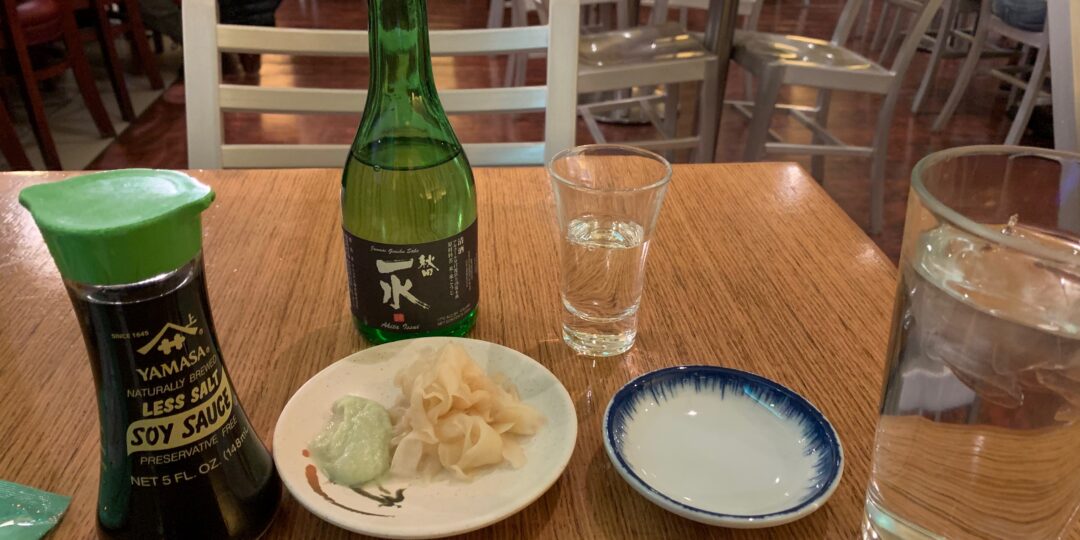
    You can order off a menu at Sasabune, but to be honest, we’ve never even looked at the thing. We went twice and we always had the omakase. At around $130, it’s certainly not cheap, but you get a whole lot of very high-quality sushi.

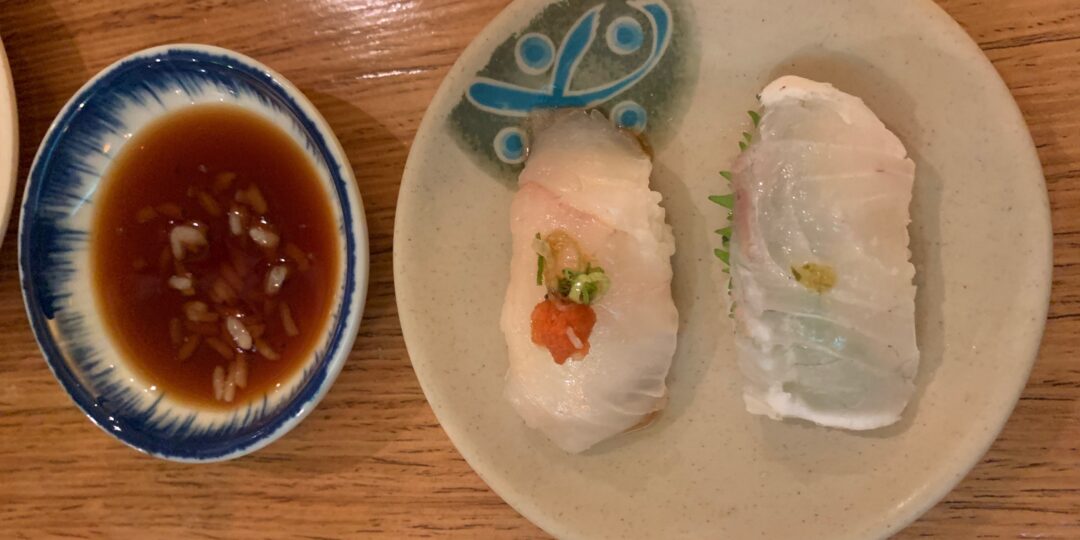
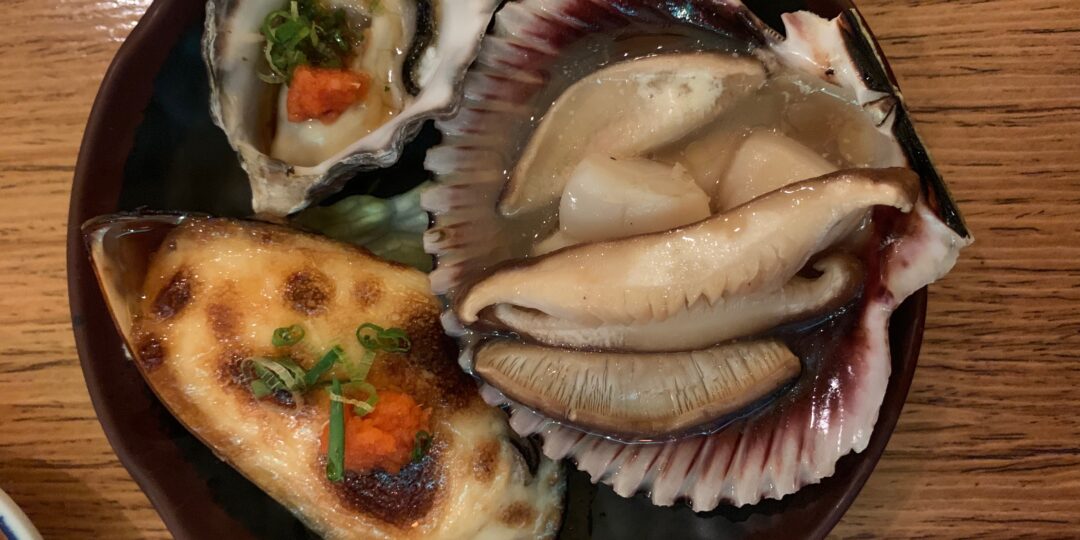
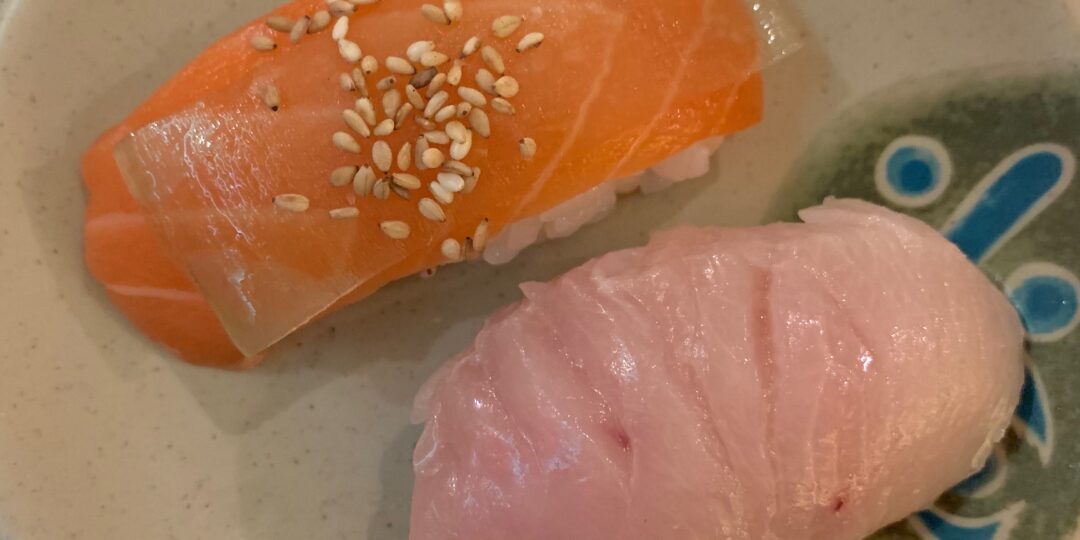
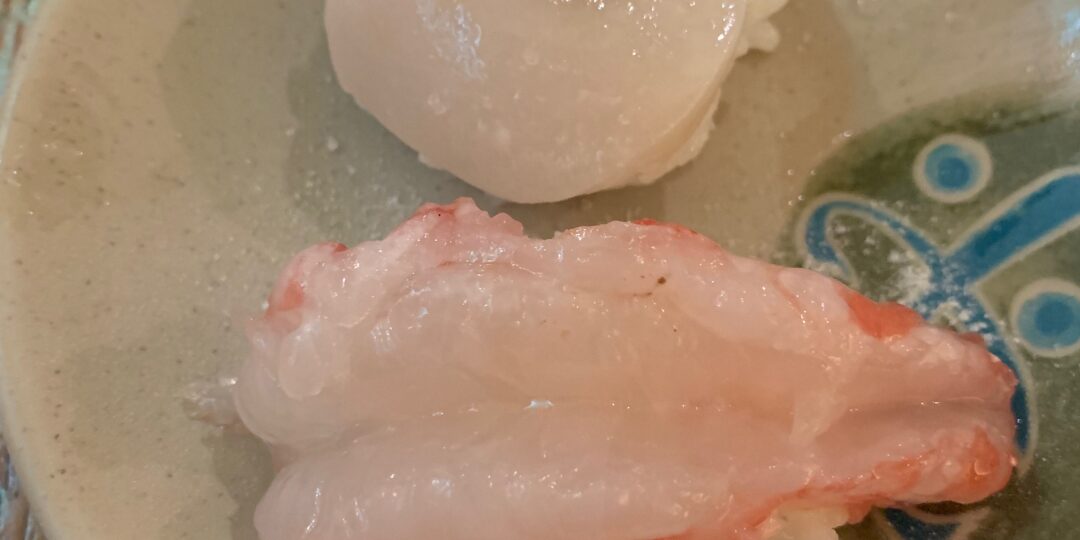
    A meal here starts with sashimi, ends with a crab hand roll, and involves many pieces of nigiri in between. But you’ll also get an oyster, a scallop (still in its shell), a baked mussel, some crazy good cooked butterfish, and uni if you want it. Fish varieties change depending on what’s available, but you’ll rarely encounter anything especially advanced. The menu barely changes between visits, but everything is as fresh as it could possibly be. The space is also what you’d expect when it comes to classic LA sushi – a little storefront, no interior design to speak of, and a sushi bar that’s really the only place you should be sitting.

    Overall, the food was definitely worthy and for the price we didn’t think it was over-priced by any stretch. 

    Comments Off on SUSHI SASBUNE – Los Angeles
  • Uncategorized

    The hitchhiker’s guide to becoming an expat

    I Want to Move Abroad – Where Do I Start?

    With 195 countries in the
    world, becoming an expat is an enchanting idea. However, moving abroad is an
    enormous decision that comes with a laundry list of to-dos and what-ifs — How
    do I obtain a visa? Where will I work? What if I can’t find a place to live?
    How will I make friends?

    Becoming an expatriate comes
    with its challenges and with a lot of preparation, but at the end of the day,
    experiencing all the world has to offer can be a fulfilling life experience
    with opportunities to learn about new places and cultures. Living in another
    country can push you outside of your comfort zone and force you to appreciate
    life in the moment.

    To help you plan this new adventure, here’s a list of things to keep in mind before moving overseas.

    Is your passport up to date?

    Before you even begin packing to make the move abroad, make sure you’re legally able to board the plane! If you haven’t traveled in a while, pull that passport out of your drawer, clean off the dust and double check the expiration date. If your passport expires in less than 2 years and you’re not 100% sure how long you want to be abroad, go ahead and renew! Your passport is the most important thing you’ll own when you’re moving overseas. Don’t forget to pay close attention to the dates or the only place you’ll be moving to across the street, not across the world.

    What’s your planning timeline?

    An international move doesn’t happen overnight! I mean, maybe the actual flight happens overnight but the logistics sure don’t. Give yourself time to organize your life back home and your future move. Prepare your friends and family for the move while ensuring you’re completing everything on your moving abroad checklist (i.e. passport, vaccines, visas). The more in advance you plan, the more organized your move will be!

    What will you do with your possessions?

    Most likely, you’ve accumulated lots of “stuff” in your life. Sell off everything? Keep things in storage? An important fact of living abroad for a year or more is that everything you own will not be making the move with you. Maybe your parents or a friend has a closet they’re willing to let you store things in. If you have a car, consider selling it! Bedroom furniture, kitchen appliances, clothing items — go through it all and clean it out.

    Where are you thinking of moving?

    If you’re asking yourself  “I want to move abroad where do I start?” chances are you already have a destination in mind. There’s a lot to consider when choosing which destination to settle down in.  Consider questions like…

    Do you need a visa?

    Visas are the gatekeepers into the country you wish to live in.

    Making sure you’ve applied for
    the right visa is the biggest thing! Each country differs, and unfortunately,
    it’s totally up to you to do all the research to ensure you can actually enter
    the country. You’ll probably find that there are many different visas when you
    go to apply, though if you plan to work, or you’re heading over to study, it’s
    really important to apply for the right visa. For instance, restrictions on a
    tourist visa won’t allow you to work, and in many countries may only permit you
    to stay for 30 days. It’s a big deal if you breach the terms of your visa, so
    make sure you’re getting the right one.

    Visa applications are often
    drier than doing your taxes, but print all the forms and information, pull out
    your highlighters and read through everything a couple of times. I find that
    physically printing something out and being able to highlight it means I
    understand the process better than if I was reading it online. I then make my
    own checklist of everything I need to do and include. Visa applications can
    take a lot of time to process, and they often cost a lot. If you’re denied
    because you forgot to include something, you won’t get a refund of your money
    or your time. So be meticulous in checking, double checking and triple checking
    your applications.

    The best place to find visa
    information is usually on your government website, and the government website
    of your chosen country. There may also be a website set up for your embassy in
    the country you hope to move to.

    A simple Google search will usually point you in the right direction but be careful with third party websites that claim they can get them for you fast.

    What’s the cost of living like?

    Your money will go further in some countries more than others. For example, lunch in Thailand will cost you about 2 dollars while lunch in Rio de Janeiro will set you back more like 8-10 dollars. Consider the cost of living and your budget.

    How do I find a place to live?

    It’s so much easier to find a place to live when you’re already abroad. Before you move, go visit the country you intend to move to and make sure to get a sense of neighborhoods and pricing. When you arrive, consider renting an Airbnb for a month (you may be able to do at a discounted rate since it is a longer-term stay). This will allow you to dedicate the majority of your time to apartment hunting.

    Will I find a community of other expats?

    You’ll
    quickly realize after you settle into your new home the importance of community
    and friendships. If you’re moving abroad alone, it’s important to consider if
    there will be opportunities to become friends with other expats or locals. Traveling alone
    and working remote can feel isolating at times. It’s always nice to make
    connections, whether they’re digitally or in-person.

    Thankfully,
    because of social media, there are so many wonderful online resources for
    expats. From private Facebook groups to online forums, there’s really something
    out there for everyone.

    But
    don’t forget to get out and explore the city as much as possible. Markets, art
    galleries, street food, events. There are always questions to ask and people
    interested in sharing their culture with you. Select cafés, shops and
    restaurants where you can become a regular. It’s such a nice feeling to be
    recognized and sometimes even called by your first name. Most often, this is
    the beginning of quite a few friendships.

    Many expats are eager to meet other like-minded people; others focus on meeting locals—try to do both. There is always a lot of coming and going within the expat community, so it is nice to also have some local friends.

    How will you support yourself abroad?

    It’s all about the money, honey. Unfortunately, the entire world revolves around it — even small villages in the Philippines. Once you move abroad, how are you planning on continuing to live abroad? You can work online, teach English, move somewhere with a working holiday visa to support your living or survive on hostel and tourism jobs.

    Consider where you’ll be relocating and what the opportunities might be. If there are limited options for traditional employment, it’s time to start thinking creatively. In today’s global, connected world it’s possible to have a career and build your own financial path online. Consider what your work history is, what skills you have and what possibilities exist. If you can begin trialing this before you leave your home country, you can have an understanding of what’s required. If you do decide to look for traditional employment, get connected with local expats as soon as possible. People who are on the ground already have a pulse for what’s available and where to start looking. Ideally having some sort of employment in place before you move is the best option.

    Plan for transportation

    You should try to work out if you are going to need a car. This means you will need to decide if you are going to commute to work or live near your workplace or, perhaps you are lucky and work from home. Even if commuting, perhaps there are public transport options like rail, bus or ferry. You may not need to buy a car if you live in an urban center where it is easier to get around by non-car options.

    These days we are a bit spoiled and
    always try right away to see if Uber works in the country we go to. If it’s a
    far distance though, try a Google search on the best way to get from A to B
    using public transportation and use Google Maps on your phone to get info on
    the next train/bus and how to get to the platform (you’d be surprised how much
    info you get from the Maps app!).

    With easy-hire car options available, many city-based expats just rent a car for weekends if they are driving outside the city for sight-seeing or doing a trip somewhere. Other expats in the suburbs or regional areas will need to buy a car, and then they will have to think about the requirements for doing so e.g. car purchase process and costs, car insurance costs and if a local driving license is needed to legally purchase a car. Getting a driving license though is often required, so that means getting the necessary paperwork, passing driving tests etc, before buying. Many expats living in the suburbs will end up renting a car until they can get a driver license and meet car purchase requirements.

    Ground control to Major Tom (stay close to friends and family back home)

    Depending on how far away you move, it’s not likely you’ll have the time and finances to make the trip back home for every holiday. Moving abroad means missing out on important things back home. Birthday parties, weddings, holiday dinners….are all thousands of miles away. The reality is: your move abroad affects your loved ones back home. Are you willing to make sacrifices? WhatsApp is our #1 communication tool to use to keep up with family and friends. You can text internationally with no fees.

    Prevent culture shock

    We love learning about new cultures and venturing to far-off
    lands that we couldn’t have even imagined existed when younger. This yearning
    for knowledge and deep interest in new cultures always pushes us to do our
    research before we travel to a destination. 

    The more you take time to understand the culture, rituals, and
    beliefs of a society, the less likely it is that you’ll be “shocked” when you
    step foot off that plane. We’ve spanned the globe and have definitely felt like
    a fish out of water in certain countries, cities, or townships, but, our
    willingness to be open and accepting is what has allowed us to see the beauty all
    over the world.

    It all depends on your destination and where you’re coming from. For us Europeans, America and the United Kingdom can be a very easy transition as they are similar to Italy. Although, when we decided to move to the Middle East, we had to adapt to the culture and respect the country costumes and traditions.

    Learn the language…

    Some people find learning a language easy, others struggle.
    Some prefer to learn in a formal class while others would rather work at it in
    private. Find out what works for you. Being surrounded by the new language all
    day – full immersion – is the quickest and most effective way to learn.

    Let’s be honest, as an adult, it’s extremely difficult to learn
    a new language, especially when you’re busy with travel, work, and life! But,
    showing natives your willingness to try makes all the difference. A lot of
    people are so afraid of making a mistake that they just give up altogether.
    Give it a go! Most locals will be happy that you’re trying to communicate, even
    if it’s “broken.” 

    To start with, just focus on the basic phrases you need to
    get through day to day life: greetings, numbers, food and directions. Then, you
    can eat and get home if you get lost. Have a local language radio station on
    whenever you can. Simply absorbing the spoken word, with all the intonations
    and rhythms, helps set the language in your mind, almost subconsciously.

    Look at online newspapers written in your chosen language.
    They are up-to-date and relevant, and you can use the pictures as clues to aid
    comprehension. Following a specific story over a few days can help build and
    confirm vocabulary.

    TV and films help too. Most satellite TVs have some foreign language channels where you can learn while watching. Alternatively, select a different language option on your favorite movie.

    …and eat the food!

    Go out and try everything! One of the best parts of moving abroad is tasting the cuisine and finding the new ways that people make food. Check out the local markets in your area or see if you can take a cooking class. Make sure to try the restaurants in your neighborhood or ask your neighbors where they like to eat.

    Feel at home!

    Adding little touches of home, like a simple blanket, candle or a book, really make any space feel like home. Bringing sentimental items into a new space can make it feel cozy. One of my favorite moments of my days as an expat is cooking in my new kitchen. The ritual of doing everyday things while abroad makes everything a little closer to home. It also helps to seek out restaurants that remind you of home.

    Getting the opportunity to experience what life is like in other countries and in other people’s shoes is one of the most rewarding things you can ever experienced. When you live abroad, you get the chance to learn and feel what life is really about, and meet new people who can help show you that as well.

  • Uncategorized

    The hitchhiker’s guide to becoming an expat

    With 195 countries in the world, becoming an expat is an enchanting idea. However, moving abroad is an enormous decision that comes with a laundry list of to-dos and what-ifs — How do I obtain a visa? Where will I work? What if I can’t find a place to live? How will I make friends?

    Becoming an expatriate comes with its challenges and with a lot of preparation, but at the end of the day, experiencing all the world has to offer can be a fulfilling life experience with opportunities to learn about new places and cultures. Living in another country can push you outside of your comfort zone and force you to appreciate life in the moment.

    To help you plan this new adventure, here’s a list of things to keep in mind before moving overseas.

    Plan your timeline

    An international move doesn’t happen overnight. Give yourself time to organize your life back home and your future move. Prepare your friends and family for the move while ensuring you’re completing everything on your moving abroad checklist (i.e. passport, vaccines, visas). The more in advance you plan, the more organized your move will be.

    Deal with the clutter in your life

    Most likely, you’ve accumulated lots of “stuff” in your life. Sell off everything? Keep things in storage? An important fact of moving abroad is that everything you own will not be making the move with you. Maybe your parents or a friend has a closet they’re willing to let you store things in. If you have a car, consider selling it. Bedroom furniture, kitchen appliances, clothing items — go through it all and clean it out.

    Update your passport and get a VISA

    Before you even begin packing to make the move abroad, make sure you’re legally able to board the plane. If you haven’t traveled in a while, pull that passport out of your drawer, clean off the dust and double check the expiration date. If your passport expires in less than 2 years and you’re not 100% sure how long you want to be abroad, go ahead and renew. Your passport is the most important thing you’ll own when you’re moving overseas. 

    Visas are the gatekeepers into the country you wish to live in. Each country differs, and making sure you’ve applied for the right visa is, unfortunately, totally up to you. You’ll probably find that there are many different visas when you go to apply, though if you plan to work, or you’re heading over to study, it’s really important to apply for the right visa. For instance, restrictions on a tourist visa won’t allow you to work, and in many countries may only permit you to stay for 30 days. It’s a big deal if you breach the terms of your visa, so make sure you’re getting the right one.

    Print all the Visa application forms and information, pull out your highlighters and read through everything a couple of times. I find that physically printing something out and being able to highlight it means I understand the process better than if I was reading it online. I then make my own checklist of everything I need to do and include. Visa applications can take a lot of time to process, and they often cost a lot. If you’re denied because you forgot to include something, you won’t get a refund of your money or your time. So be meticulous in checking, double checking and triple checking your applications.

    A simple Google search will usually point you in the right direction but be careful with third party websites that claim they can get them for you fast. The best place to find visa information is usually on your government website, and the government website of your chosen country.

    It's all about the money

    Your money will go further in some countries more than others. For example, lunch in Thailand will cost you about 2 dollars while lunch in Rio de Janeiro will set you back more like 8-10 dollars. Consider the cost of living and your budget before jet-setting!

    Find a place to live

    Lorem ipsum dolor sit amet, consectetur adipiscing elit. Ut elit tellus, luctus nec ullamcorper mattis, pulvinar dapibus leo.

  • Camping

    How to pack for a desert adventure

    As nice as it would be, there is no cut-and-dry packing list that will work for every person for every trip.

    The best way to come up a packing list for you is to pull ideas from people you trust and adjust to fit your needs depending on your travel style and where in the world you’ll be going.

    1. Travel Backpack

    Let’s start with the vessel that will carry all of your gear: a backpack.

    For a week of trekking in the desert we suggest a 30-40 L small minimalist backpack carry-on sized. These backpacks are typically 30-40 liters in size and don’t usually have compression straps or an internal frame as they are small enough to carry a load without them.

    Carry-on size is the number one benefit – they can be taken as carry-on luggage on many airlines. No hassle of airlines losing your bag when it’s checked, plus you’re keeping all of your expensive digital equipment right there with you. Having a carry-on sized pack is also awesome for making sure you’re just bringing the essentials, nothing else. This keeps your load lighter and encourages minimalism. Environmental win for the small backpack!


    There is no doubt that a number of these packs were designed by digital nomads, for digital nomads. They often offer integrated packing cubes that help you organize everything you need for a trip. A number of them have optimized their design so that it takes you the least amount of time possible to whip out your laptop for airport security checks. As a bonus, they’re usually designed with tactical openings for charging all of your tech devices. Pretty awesome stuff when you’re working on the road.

    When you have a smaller load on your back it’s also a lot easier to retain your style. These bags tend to have fewer unruly straps and are more minimalistic in their designs. While some of these minimalist travel bags can look a bit boxy, there are a number of them that are really awesome looking packs.

    A second downside can happen when you get the dreaded request from an airline attendant to weigh your bag. You’ve finally gotten all of your belongings snuggly fit into your new pack and you were feeling pretty excited not to have the hassle of checking that bag. But then it’s undoubtedly too heavy so you end up having to check your bag anyways and scramble to rearrange things.

    The lighter you can pack, the better (for your back, for the environment, and for convenience!), but there are some justifiable reasons why some people still choose to travel with a larger variety of pack. If you’re travelling to multiple different climates and engaging in different types of activities, you often need versatility that is difficult for these smaller backpacks to facilitate. A 35 liter pack wouldn’t fit the gear you need for a trip through multiple climates (maybe just your sleeping bag!).

    RECOMMENDED CHOICES:

    The North Face Overhaul 40
    The Minaal Carry-on 2.0
    The Cotopaxi Allpa 35L
    The Cabin Max Malmo

    This 40 liter backpack comes highly recommended, especially when you’re carrying a number of high-tech devices with you. The bag has a separate laptop compartment and tons of fleece-lined pockets for every gadget you bring with you. It has the ability to morph into a briefcase-style bag by unclipping the shoulder straps and tucking them into the back slots, while still offering some slightly more technical features including load lifters and sternum straps.

    The creators of Minaal are two guys from New Zealand who built a loyal following after a super successful Kickstarter campaign back in 2013. The backpack’s straps can be concealed and carried as a briefcase like the North Face Overhaul. Its laptop compartment has velcro straps to keep your laptop in place, so even if the bag is dropped, your laptop isn’t likely to suffer any damage. It’s also easy to pull out your laptop when you go through airport security. It has all of the compartments you could need and these are really well thought out. Hip pads and a shoulder strap (if you want to carry it messenger bag style) are sold as add-ons. This is a pretty small bag, so be prepared you’re not going to be able to fit those hiking boots in here.

    Check out our review of this amazing 35 L backpack here.

    Not feeling ready to give up on the rolling abilities of a suitcase yet? In that case, the Malmo may be the choice for you! This hybrid between a backpack and a suitcase is both adaptable and affordable.

    2. We highly recommend bringing a packable day pack. It’s perfect for short day hikes and folds up small when stored.

    Camping Accessories

    3. Raincover

    4. Tent with guylines and repair sleeve

    5. Sleeping bag

    6. Sleeping pad

    7. Watch

    8. Knife

    9. Compass

    10. Topo map

    11. LED headlamp with batteries

    12. Water treatment system

    13. Stove fuel and repair kit

    14. Matches or lighter

    15. Cookset dishes, bowls utensisl cups

    16. Duct tape

    Clothes

    In desert environment (such as Joshua Tree or Liwa Oasis) sun protection is essential. Wear loose-fitting, light-colored clothing and a wide-brimmed hat. Apply sunscreen to all exposed skin. Some trails can be overgrown, so long or convertible pants are best to avoid scratches and protect against cactus spines. Because the temperature in the desert can change as much as 40 degrees in 24 hours, you should bring plenty of layers.

    17. Underwear (wicking and quick-drying)

    18. T-shirt and long sleeve shirt

    19. Convertible, quick drying lightweight pants

    20. Shorts

    21. Insulated jacket

    22. Rain jacket

    23. Hat

    24. Boots

    25. Socks

    26. Sandals (for relaxing in camp)

    Personal Items

    27. Sunglasses

    28. Water bottle

    29. Sunscreen

    30. Lip balm

    31. Toothbrush with cover and biodegradable tooth paste

    32. Biodegradable soap

    33. Sanitation towel

    34. Hand sanitizer

    35. Wipes

    36. Eyeglasses and spare contacts

    37. Medications

    38. Plastic zip-top bags

    39. Insect repellent

    40. First aid kit

    41. Quick drying towel

    42. Camera

    43. Toilet paper

    Food and Water

    You have to bring all the water you’ll need for your backcountry trip. For desert environment we recommend 1–2 gallons per day, depending on the temperature and your activity level. That’s just for drinking. For hygiene and cooking, you’ll need more.

    Quantity of food varies depending on activity and length of trip. Keep in mind the trade-off between the water you need to hydrate dried foods and the weight of canned and fresh foods. If you want to cook, you’ll need to pack in a stove and fuel because fires are often prohibited in the backcountry.

    o       Breakfast (oatmeal, granola, freeze-dried breakfast, etc.)

    o       Lunch (bagels, summer sausage, cheese, smoked salmon, etc.)

    o       Dinner (pasta, couscous, rice, freeze-dried dinner, etc.)

    o       Snacks (cookies, GORP, jerky, candy bars, dried fruit, etc.)

    o       Energy gels

    o       Energy bars

    o       Electrolyte replacement drink mix

    o       Extra day’s supply of food

    First Aid Kit

    You never want to use these items, but it’s always good to have them handy. Extra small toiletry bags are great for keeping pill bottles in one location. Pick some up at the dollar store or you could use a small packing cube. 

    • Antiseptic wipes (BZK-based wipes preferred; alcohol-based OK)
    • Antibacterial ointment (e.g., bacitracin)
    • Assorted adhesive bandages
    • Gauze pads (various sizes)
    • Medical adhesive tape (10 yd. roll, min. 1″ width)
    • Blister treatment
    • Ibuprofen / other pain-relief medication
    • Insect sting / anti-itch treatment
    • Antihistamine to treat allergic reactions
    • Splinter (fine-point) tweezers
    • Prescription medications (e.g., antibiotics)
    • Sunburn relief gel or spray
    • Anti-diarrheals and laxatives (a.k.a. stoppers and goers), sometimes a good idea when traveling to far and unfamiliar places
    • Antacid (Tums)
    • Activated charcoal pills (removes toxins to prevent food poisoning)
    Comments Off on How to pack for a desert adventure
  • Istanbul

    AYASOFYA HURREM SULTAN HAMAMI

    After the long journey, this was our treat on the first afternoon in Istanbul. It was also cold and raining, which made it feel it even more right.
    Apart from being a relaxing place it’s also an amazing site (architecturally speaking).

    The Ayasofya Hurrem Sultan Hamam in Instabul was designed and built by Mimar Sinan, the chief Ottoman architect. It was built under the request of Hurrem Sultan (Roxelana), the wife of Sultan Suleiman the Magnificent in the 16th century. The Hamam was operational until 1910 when it closed for many years and was used for different purposes (among which house to convicts, and storage for paper and oil). It was then restores in 1958 and used as a carpet bazar until 2007. Public baths date back to Roman time were they were not only meant for practical purposes but also for the pleasure of gathering and entertainment. In Ottoman culture it took an important place for religious purposes. According to the Koran, cleanliness is a fundamental part of the faith. These marble temples also provided a meeting place for locals to partake in conversation along with bathing and massage.
    The Ayasofia Hammam has separate sections for men and women, constructed on the same axis as mirror images of each other. The main and more visible entrance is the one of the male section. They are very organized though so they were able to check for us if there was availability at the same time in the female section. We strongly suggest you book ahead of time, especially for bigger groups, as it seems it was just out of luck we found a spot for both of us straight away.
    Before entering in the Hammam you will have to wear slippers over your shoes. I was welcomed by a cat (one of the many in Istanbul) that was taking advantage of the warm coming out of the room. In the cold room there is the reception, the changing rooms, the resting area. This is where you’ll be asked to change into the pestamal (silk wrap) before your bath. After your bath you will rest here and relax drinking a sherbet (fruit tea) and eating lukumi. After changing you’ll be shown into the hot room. The room lies under the hammam’s dome and is surrounded by open and private alcoves. The temperature is around 42-27 degrees. Here there are basins to fill with cooling water and you will receive a gold-plated bowl for pouring water over your body while the heat prepares your skin for the scrub. One of the attendants will then come to you and scrub your body. The scrubbing is definitely not as harsh as the one I experienced in Morocco, which is definitely not something you’ll define pleasant… After the scrub you will receive a bubble massage on one of the warm stones under the dome. They will then wash you and cover your skin with rose water. A wonderful and relaxing experience. You’ll then walk back into the reception area where you will drink water and fruit tea and relax a bit before getting back into the cold and rainy weather (I guess that doesn’t apply all the time, but it did for us!)
    There is the option of different bath packages, we both chose the PIR-U pack (80 euros) that included the scrub, the bubble wash and a head and neck massage. We were both very happy of the treatment, environment and staff. Definitely recommended. 

    ☎ 212-517 3535

    info@ayasofyahamami.com; Cankurtaran Mahallesi Ayasofya Meydani No:2

    ?8-2

    ? Sultanamet

    Comments Off on AYASOFYA HURREM SULTAN HAMAMI
  • Adventures

    COTOPAXI BACKPACK REVIEW: MEET THE ALLPA 35L TRAVEL PACK

    It’s official: My first Cotopaxi backpack has replaced my decade-old carry-on suitcase. You know, the kind of luggage that rolls not-so-gracefully over bumpy surfaces, won’t properly stand up because one of the feet is broken off, and is annoying to pack because of that metal bar in the bottom.

    As wonderful as it felt to say goodbye to that old thing and embrace the functionality of a backpack-meets-suitcase “travel pack,” I needed something that I could use for longer trips–a durable backpack that would be versatile enough for international flights, road trips, and camping adventures.

    Enter the Cotopaxi Allpa 35L Travel Pack. This is the stuff Type A dreams are made of, my friends.

    I was pretty stoked when I learnt about Cotopaxi and I’ve quickly become obsessed with these Cotopaxi bags. The Allpa backpack was launched through an Indiegogo campaign, and Cotopaxi managed to smash their goal of $50K–raising over $1.3 million to kick off production. Crazy!

    I’m excited to finally have my hands on one, and I’m excited to share my thoughts with you after having road tested it. In this Cotopaxi Allpa 35L review, I’m sharing a breakdown of the features, a sneak peek inside with my unboxing, what I like, and what I might change.

    About Cotopaxi Gear

    Cotopaxi goes beyond making great travel and adventure gear with their Gear for Good philosophy. In addition to funding sustainable poverty alleviation with a portion of their profits, they also ensure fairness, sustainability, and quality in every step of the manufacturing process.

    The travel philosophy we embrace here in the GolbETrotters community aligns well with Cotopaxi’s core values:

    • To get outside and see the world
    • To inspire people to give back to others

    This video gives a good background about how they got started and what they’re all about (and it makes me think we should all head to a cabin in the mountains every once in awhile).

    Allpa 35L Travel Pack Features

    Here’s a quick rundown of the Allpa 35L features:

    • Weight-distributing, low-profile harness system
    • Carry-on-compatible 35L capacity
    • TPU-coated 1000D polyester
    • 1680D ballistic nylon paneling
    • Suitcase-style, full-wrap zipper opening on the main compartment
    • Large zippered mesh compartment on the right side
    • Subdivided zippered mesh compartment on the left side (makes my Type A heart swoon)
    • Padded laptop and tablet sleeve
    • Shortcut zipper to main compartment
    • Top zippered pocket
    • Security YKK zippers
    • Carabiner lash loops 
    • Tuck-away straps
    • 4 reinforced grab handles
    • Included rain cover

    There are also optional accessories you can purchase as a bundle:

    What I Love About the Allpa 35L

    Okay…so let’s get to the good stuff already. What do I think of Cotopaxi’s Allpa pack? I have flown with it and I’ve taken it on a road trip and so far, I’m enjoying it.

    The suitcase/backpack convertible design has me hooked! Here are the features I love:

    Solid, sturdy design: The material is really durable and I know it’s ready for adventures. And…it’s not cat-hair-attracting–for the win! The zippers are hefty, too. Of course, time will be the test in terms of quality, but the build and quality feel rugged. Plus, Cotopaxi guarantees their products for 61 years (the average lifespan of a person living in the developing world), and they offer a replacement, repair, or exchange if anything goes wrong with the product.

    Spacious: the main suitcase side is really roomy and deep, as is the front pocket (it’s DEEP). And it’s got compression straps to help you fit even more inside.

    Theft-prevention zippers: I don’t know if that’s the official term for this zipper design, but that’s what I’m calling them. The laptop sleeve, main compartment, and back access have a loop that the zipper has to pass through, which helps prevent easy access.

    Organized and convertible design: I love the organization factor with various zippered compartments. There’s a zippered access from the back of the pack that lets you get into one side of the main compartment without having to open the entire pack. This could come in handy as long as you packed intentionally… The convertible design that lets you carry it like a backpack OR a suitcase (with backpack straps that tuck away), and the fact that it’s not top-loading like a traditional backpack, make it really flexible and convenient.

    Extras: I love the accessories that you can get with it, especially the size of the Batac Del Día daypack. It’s such a perfect size for day trips and short adventures–I’ve even been using it to take to the gym while I’m home.  The water bottle sleeve is really nice as well, and it comfortably fits my 32-ounce bottle. I’ve also found the shoe bag and mesh laundry bag to be handy (because I’m always searching around for plastic bags for this stuff, but trying to stop using them as much as possible).

    Padded laptop and tablet sleeve: Always helpful when you need to minimize the number of bags you’re taking on a trip.

    What I Might Change About the Allpa 35L

    There’s not much I would change, but here are a couple things to think about:

    Rain cover: Technically, this is mostly a “pro,” given that having a rain cover while traveling is so helpful, and the Allpa comes with one automatically. However, I’m curious about whether Cotopaxi considered making this built in, as that is something I could see making it even more convenient. The major benefit of having it built in is that you can’t lose it or forget it. It also wouldn’t take up space in one of the compartments.

    And, you don’t have to remember how to fold it. On the other hand, not having it built into the bag itself could be convenient if you’re trying to save every last bit of space and weight possible and don’t need to take it with you.

    Waist strap is bulky to tuck away: I found that the straps (mainly the waist straps) don’t tuck away as easily as they should.

    As a little bonus tip/”don’t do what I did”: I had a bit of trouble when packing because I packed the big compartment full of clothes, tightened up the compression straps, added a couple other things…then tried to put my laptop in the sleeve, and it wouldn’t zip. I think it’s not so much of a design “con,” but just make sure to watch how you’re packing if you use the compression straps in the main compartment.

    Recommended For

    Depending on weather, clothing size, and packing style, the Allpa 35L can be easily used for weekend trips or longer, and is spacious enough for a week or more if you’re a light packer in warm weather. Overall, I highly recommend the Allpa 35L Travel Pack for anyone looking for a spacious travel backpack with an organized design that fits carry-on restrictions. Check out the latest prices and more details here.

    RECOMMENDED ACCESSORIES

    Del Día Dopp Kit // I just picked one of these up recently, and I love how nicely it keeps all my toiletries snugly organized. It fits perfectly in the front pocket of the Allpa 35L.

    Agua Bottle // A reusable water bottle is SO handy for traveling and an easy way to cut down on plastic.

    There are several options for add-on accessories with the Allpa 35L that include: mesh laundry bag, nylon shoe bag, and water bottle holder that clips onto the outside of the pack. Plus one of the day backpacks below. While I haven’t used the water bottle holder much so far, I love the laundry bag and shoe bag!

    Batac 16L Backpack or Luzon 18L Daypack // These are great to roll up and pack in your suitcase so you have a smaller pack for day trips or hikes on a weekend camping trip. I have both and find the Batac 16L to be a great size for my needs.

    (Want something even smaller than a daypack? Grab the Bataan Del Día fanny pack!)

  • Hole in the wall,  Restaurants

    ŞEHZADE CAG KEBABI – Istanbul

    Hidden gem, delicious meat. This is a somewhat unique way of roasting directly over charcoal and wood, right in front of your eyes.

    Order a çag kebap with a salad and yogurt and enjoy the thinly sliced, slightly crispy lamb meat on skewers served together with freshly made pancakes.

    The place is not large. Some tables outside, some inside and there is an upper floor. Service is fast, people smiling and it is hygienic. 

    Don’t expect to linger around in your post-meal bliss – it’s a place with a lot of turnaround where people get served and leave fairly quickly. Fairly inexpensive.

    ☎ (212) 520-3361

    Hocapaşa Sokak 6

    ?11-22

    ?