Places

  • Adventures,  Camping,  Joshua Tree National Park,  North America,  Places

    Joshua Tree National Park

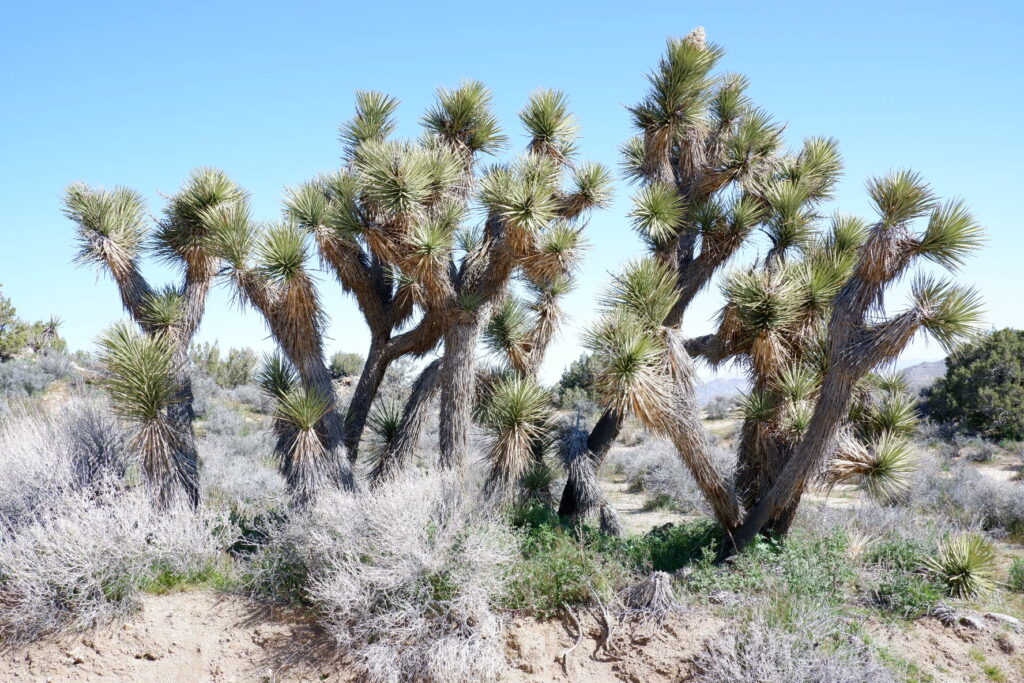
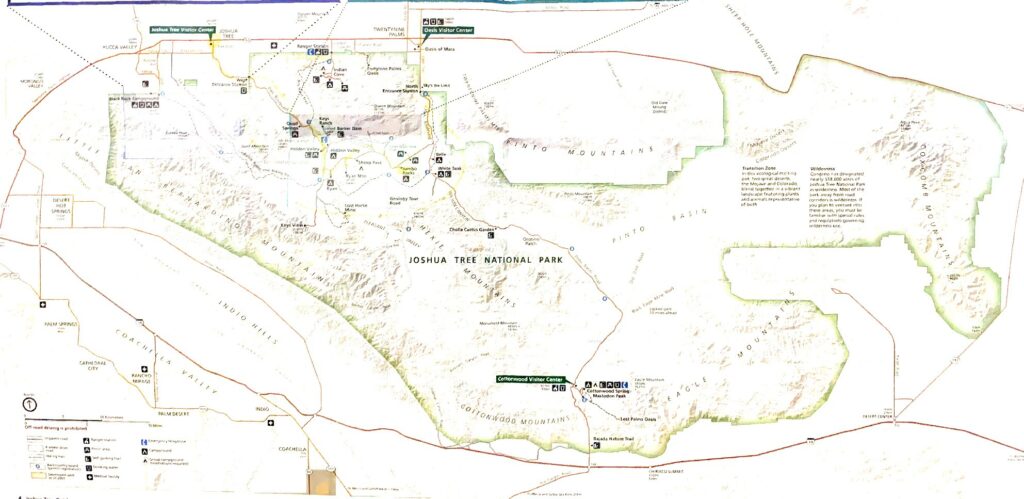
    Boulders and buttresses, rugged mountains, gold mining ruins, desert plains dotted with the oddball trees—this is one weird place. Joshua Tree National Park lies at an ecological crossroads, where the high Mojave Desert meets the low Colorado Desert. 

    The Colorado, the western reach of the vast Sonoran Desert, thrives below 3000 feet on the park’s gently declining eastern flank, where temperatures are usually higher. Considered “low desert” compared to the loftier, wetter and more vegetated Mojave “high desert”, the Colorado seems sparse and forbidding. It begins at the park’s midsection, sweeping east across empy basins stubbled with creosote bushes. Occasionally decorated by “gardens” of flowering ocotillo and cholla cactus, it runs across arid Pinto Basin into a parched wilderness of broken rock in the Eagle and Coxcomb Mountains. 

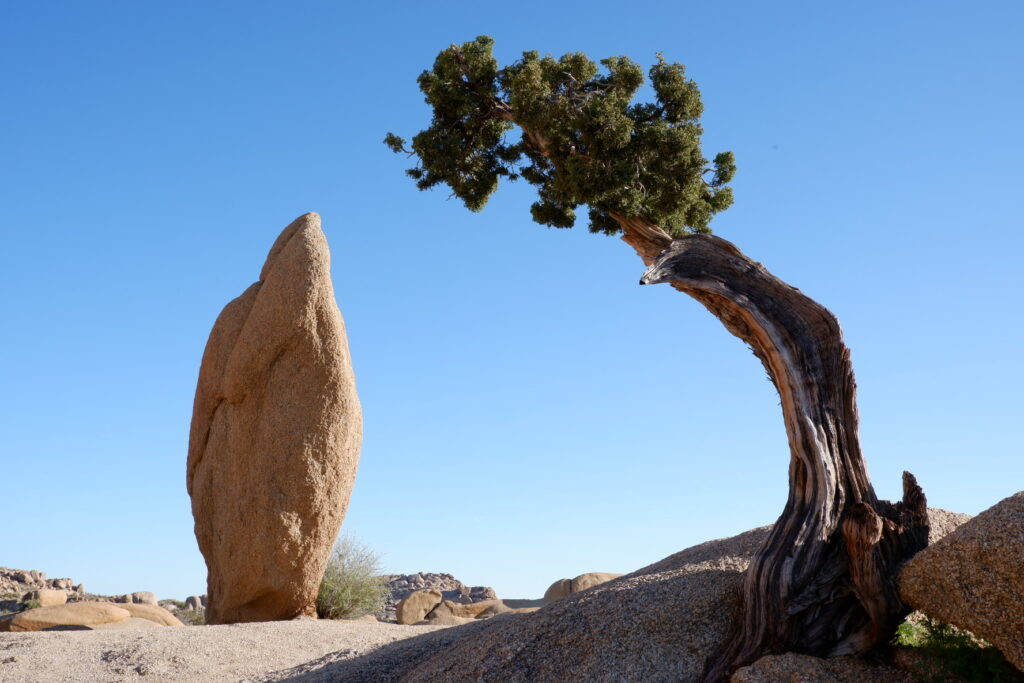
    Above 3,000 feet, the Mojave section claims the park’s western half, where giant branching yuccas thrive on sandy plains studded by massive granite monoliths and rock piles. These are among the most intriguing and photogenic geological phenomena found in California’s many desert regions.

    The result of this encounter of two different ecosystems is amazing desert flora, including those wacky namesake trees (actually a type of yucca). The Joshua Tree was revered by American Indian tribes because its leaves provided durable materials for baskets and footwear, while the buds and seeds made a healthy addition to their food supply.Joshua Tree’s beauty shines around the clock, with vibrant sunsets melting into nights filled with uncountable stars.

    Crafted over millions of years by torrential rain, battering wind, and extreme temperatures, Joshua Tree National Park stretches over nearly 800,000 acres of rugged terrain. These landscapes, which can seem deceptively barren, are home to several ecosystems. Despite the harsh conditions, Joshua Tree teems with plant and animal life that has adapted and thrived in the area’s fierce climate. Joshua Tree National Park is home to large herds of desert bighorn sheep, black tailed jack rabbits, coyotes and kangaroo rats as well as a number of smaller mammals. Since it lies along the Pacific migratory bird flyway, many large groups of migrating birds can be spotted overhead or stopping to rest in the park during the winter months.

    The park’s premier attractions, forests of giant branching yuccas known as Joshua trees, massive rock formations, fan palm oases, and seasonal gardens of cholla and ocotillo, can be enjoyed on a leisurely half-day auto tour that includes both “high” and “low” desert zones— although most of your time will be spent in your car. Scenic paved roads lead to viewpoints, all campgrounds, and trailheads. Roadside interpretive exhibits have pull-outs and parking areas, and offer insights into the region’s complex desert ecology, wildlife, and human history.


    Start out by climbing up to Keys View, where you can get a great panoramic vista of Mount San Jacinto and Mount Gorgonio, with the Salton Sea stretching out in the distance. Then pay a visit to Keys Ranch, where you can take a guided walking tour to get a glimpse into what it was like to be an early 20th-century  pioneer on this unforgiving terrain. Close by but standing in contrast is 49 Palm Oasis, where fan palms tower over a crystal-clear spring, and also nearby is Lost Horse Mine, one of the few mines in the area that proved to be a good investment. Today you can see what remains of the once booming operation with an easy 4-mile round-trip hike.

    If you’re looking to do some rock climbing, Joshua Tree has more than 8,000 established climbing routes, from easy beginner scrambles to extreme vertical cracks, and camping options are plentiful with nine campgrounds. Or, head out on foot or horseback to set up camp nearly anywhere; there are only a few restrictions. Take a break from roughing it to check out Pioneertown, a, 1880s-style false-front Old West “town” where more than 50 films and television shows were made in the ‘40s and ‘50s; today, you can still see mock gunfights and see top-notch live music at Pappy and Harriet’s Pioneertown Palace. Read on to learn more about these and more things to do at Joshua Tree National Park below. 

    If visiting the park by car, keep in mind that there are north (at Twentynine Palms) and south (at the intersection of Box Canyon Road and Interstate 10) entrances in addition to the most commonly used west entrance. There is also an all-inclusive (i.e. no entrance fee) shuttle bus service that makes multiple stops within the park. Avoid the biggest crowds by visiting midweek.

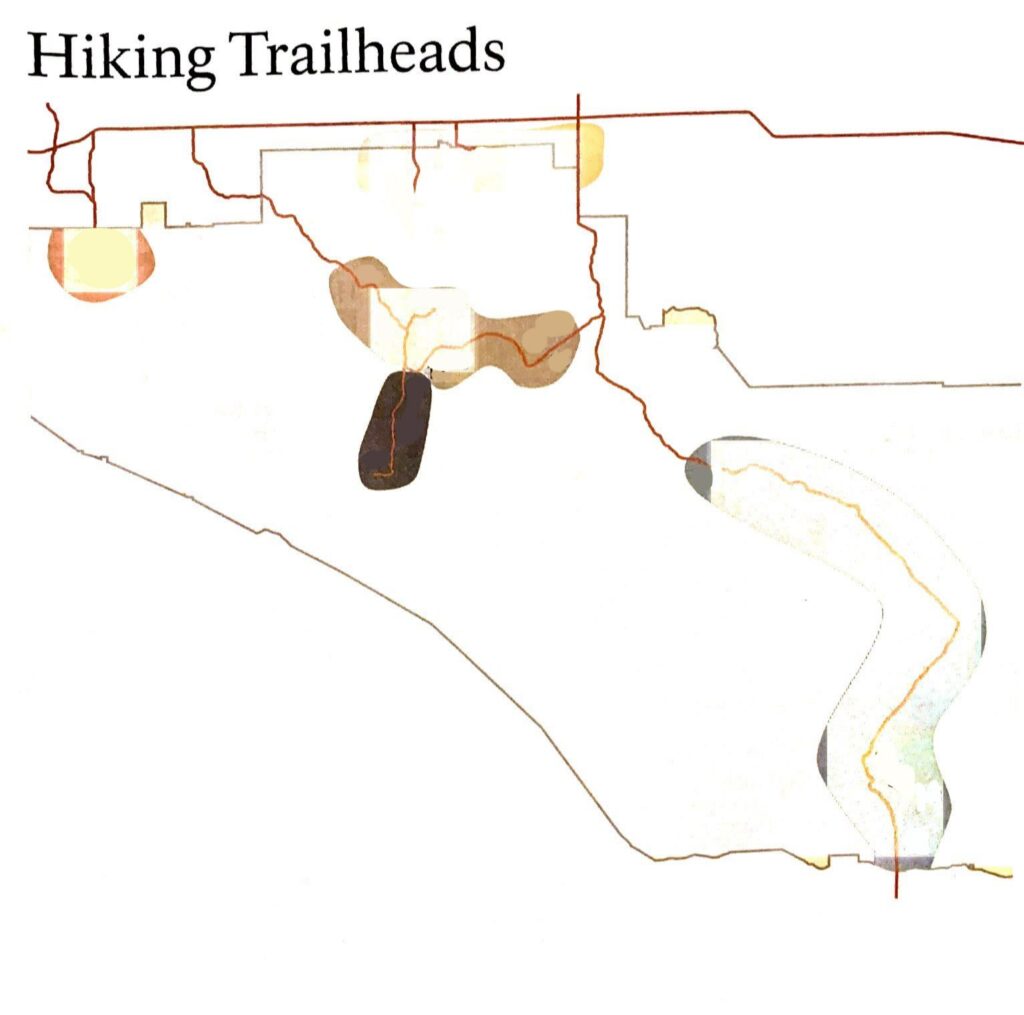
    For a review and description of the various available hikes, click on the corresponding links on the hiking trailheads map.

    Comments Off on Joshua Tree National Park
  • Adventures,  Camping,  North America,  Places

    Warren Peak and Panorama Loop

    During those busy spring days when the Joshua Tree National Park is swirling with tourists, backpackers and rock climbers, you may want to consider spending the day in the Black Rock Camp area. To reach it from L.A. while driving on Highway 62, do not go as far as the main Tourist Center and Park entrance; instead turn right when in Yucca Valley and follow the sighs for the Camp. You will not need to purchase a Park pass to go there.

    Park your car in front of the Black Rock Visitor Center and spend some time exploring it. It is the only place in the whole Park where you can buy some memorabilia (fridge magnets, backpack patches, etc) and postcard to send home, it has a water fountain to fill your bottles, and very helpful rangers that will give you all the information you may need to explore the area.

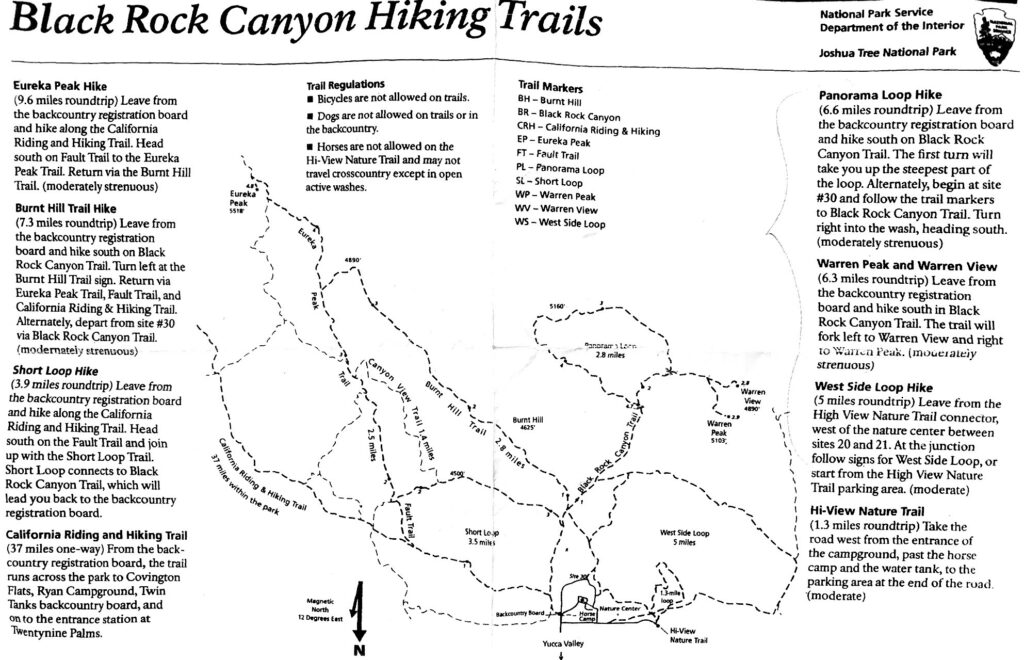
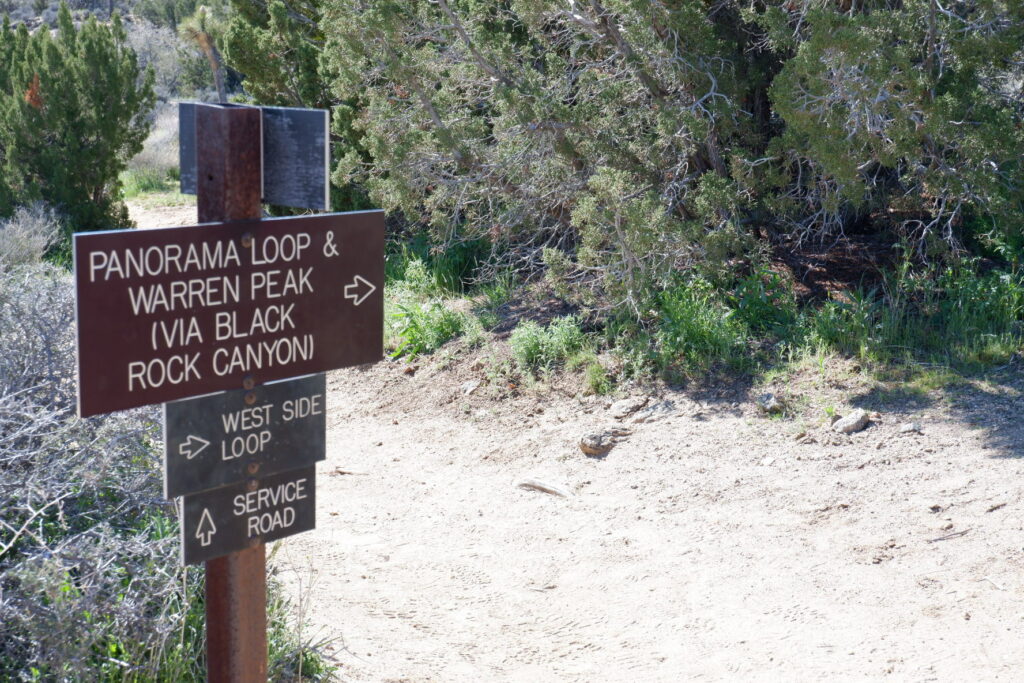
    The map that the rangers provide is unfortunately not super detailed but their explanations are clear and the trails are very well indicated. If you feel full of energy and want to fill the day with a good 15-20 km hike, we suggest going for Warren Peak and Panorama Loop trail as we did. The West Side Loop trail and the Short Loop are easier hikes.

    Warren Peak

    From the Black Rock Camp follow the site camp number till you reach number 30: from there make a left pointing towards a big water tank and you will see the trail departing on your left. The first km is an easy walk, all flat and surrounded by cacti and Joshua trees. On your right you will see the trail head for the easiest West Side Loop: continue straight and the main trail for Warren Peak and Panorama Loop will open on your right after 500 m. The main trail is large and mainly flat, graveled, it traverse the Black Rock canyon and will get you used to the typical Park vegetation. It may be a bit monotonous (especially on the way beck…) but it is certainly worth what is expecting you after 5 km. Here the trail forks and on your left departs the Panorama Loop: our advise is, keep this one for later. You may want to continue on the right trail towards Warren Peak and Warren View.

    The trails starts a gentle climb in between higher rocks, the vegetation becomes thicker, with bigger trees and bushes. After 5 km of this beautiful but gentle hike, assess your strengths and make a wise decision: you will find on your left the trail head for Warren View, a gentler ascension that will take you to 1500 m of heights but not to the top of the Peak. If you feel courageous and full of energy, continue to your right and start the strenuous 4.5 km climb towards the top.

    The vegetation changes as you get higher, less trees and less shadow, so make the most of the sparse resting spots that you may find. Drink plenty of water and electrolytes and continue the climb at your pace.

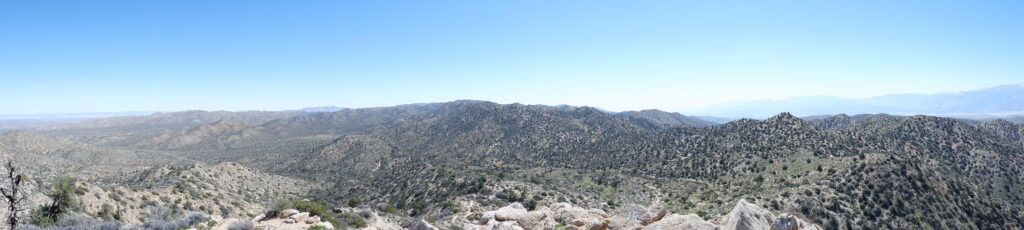
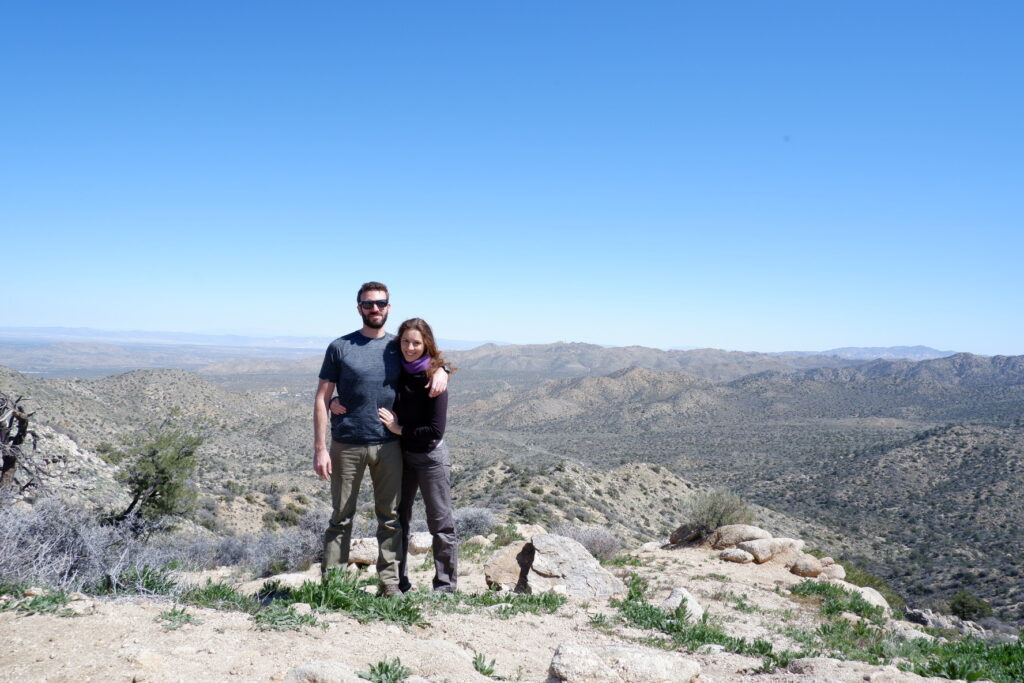
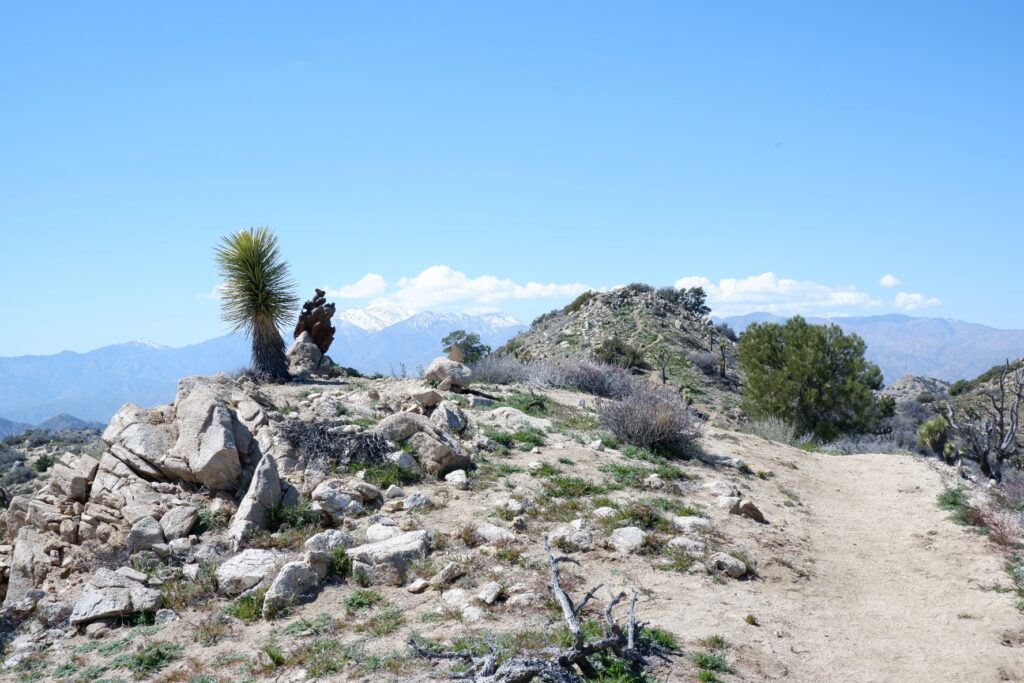
    It took us more or less 30 minutes to make it to the 1600 m top of the Peak, where only rocks welcome you to a breathtaking view that spans 360 degrees to all the Park.

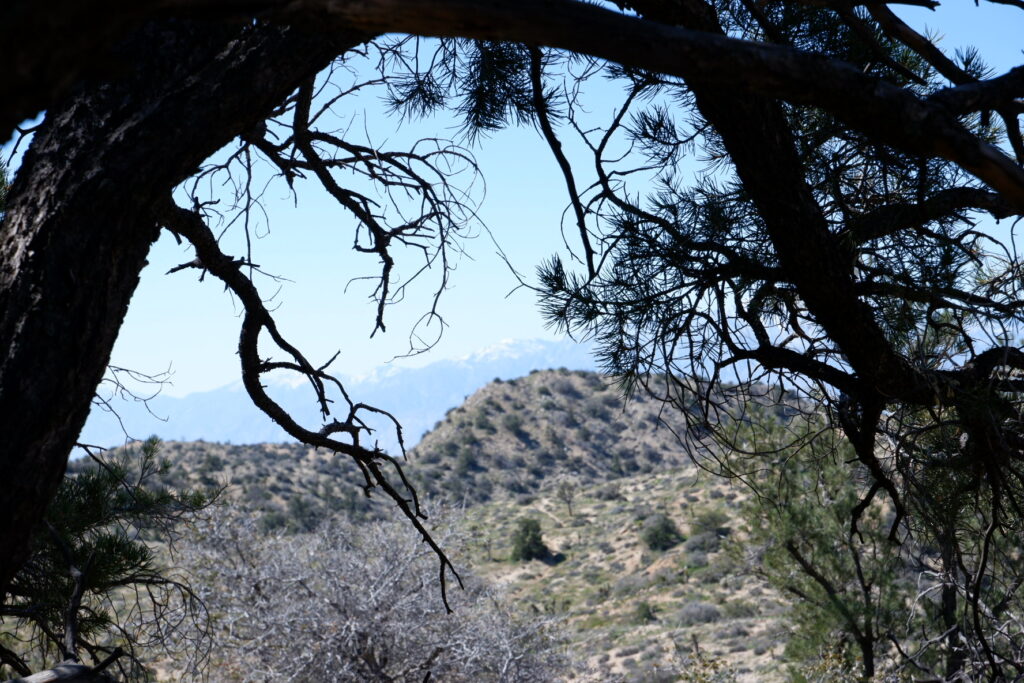
    Sit on top of the mountain and enjoy this well deserved panorama. To the far south the snowed peaks of the San Bernardino mountains make a nice frame to the valleys of Joshua trees and cacti. 

    Rest for some time, eat a granola bar or a banana and breath the fresh air. Take a lot of pictures and get ready for a steep descent. The trail is, of course, the same but much faster going down. Be very mindful of the unstable small rock under your feet and give way to people climbing up.

    Once you passed the fork for the Warren View, this time on your right, you may want to pay attention to the trail for the Panorama Loop.


    Panorama Loop

    Still feeling energetic after the climb of the Peak? Invigorated and exhilarated by the heights? Then the Panorama Loop trail is exactly what you need to go back to base camp exhausted but happy. 

    Coming down from the Warren Peak, and after the right-hand trail for Warren View, you want to find the trail that departs on your right for Panorama Loop. If your sight is more acute than ours, you will be able to find the smaller trail that will allow you to make the Loop counter clock-wise; if you miss it, like we did, no big deal: continue for 3 more km and you will find the trail sharply forking to the right and see the sign for Panorama Loop.

    Take this trail and you will be making the Loop clock-wise. Don’t be fooled by the easier ground at the beginning of the trail, with the plush vegetation and trees all around: the road will soon start a gradual but strenuous climb, the trees will change to small bushes and the to sparse sprouts of grass as you ascend for 1.5 km towards the top at 1600 m. Once you reach it, the trails lies on the ridge of the mountain and you will walk for 1 km with a view that spans to the underneath valleys both on your left and right. 

    Once the trail start descending to the side of the mountain, you will find yourself back into the plush vegetation of the lower heights. And soon you will close this 6 km Loop and find the way back to the main trail. Take a right and continue back the way you came from the Black Rock Camp, cutting the canyon and retracing your steps. As we said before, the final part an be a bit monotonous and boring, but water, food and a tent are waiting for you at the end of it!

    Comments Off on Warren Peak and Panorama Loop
  • Hole in the wall,  North America,  Places,  Restaurants

    SUSHI SASBUNE – Los Angeles

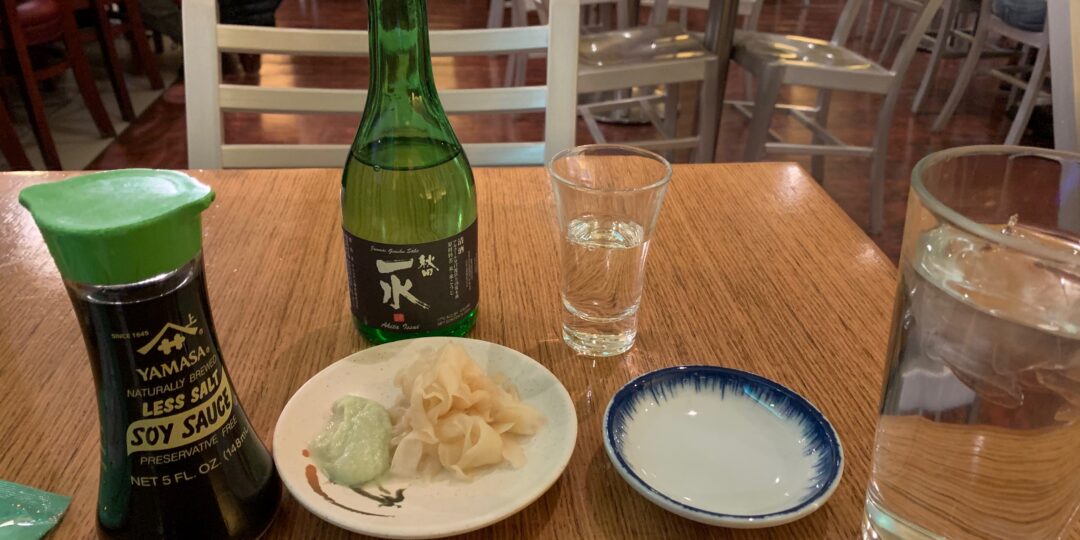
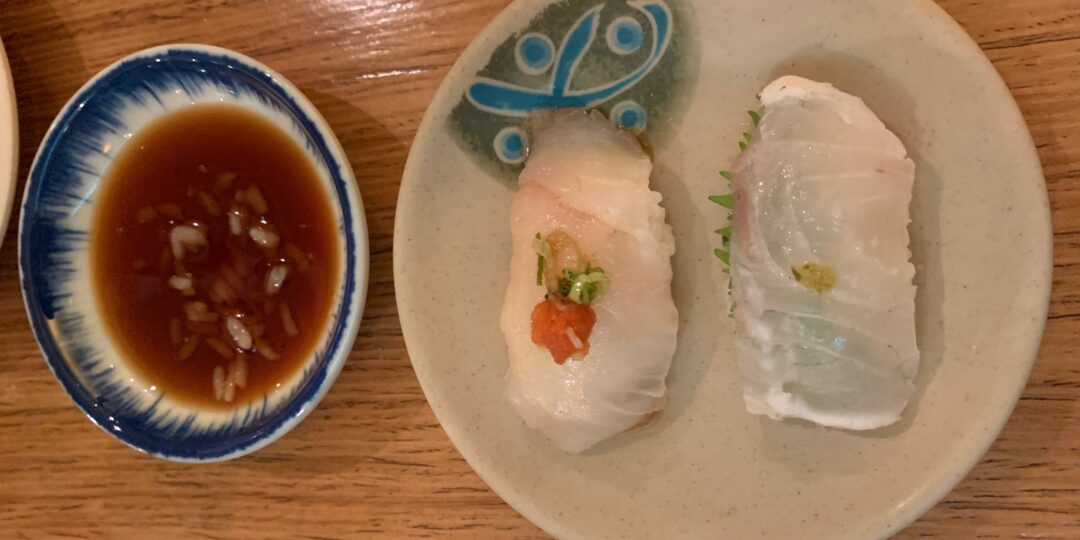
    If you didn’t grow up in LA (or, you know, Japan), your sushi experiences probably amounted to mysterious California rolls in the one Japanese restaurant in town, grocery store spicy salmon rolls, or hand rolls made with canned tuna . Your first omakase (the Japanese tradition of letting a chef choose your order) is always a revelation. The first time we had omakase was at Sasabune. 

    So while we will keep going back to Sasabune because it’s the place where we really learned to love sushi, you should get here because it’s one of the best examples of classic LA omakase.

    You can order off a menu at Sasabune, but to be honest, we’ve never even looked at the thing. We went twice and we always had the omakase. At around $130, it’s certainly not cheap, but you get a whole lot of very high-quality sushi.

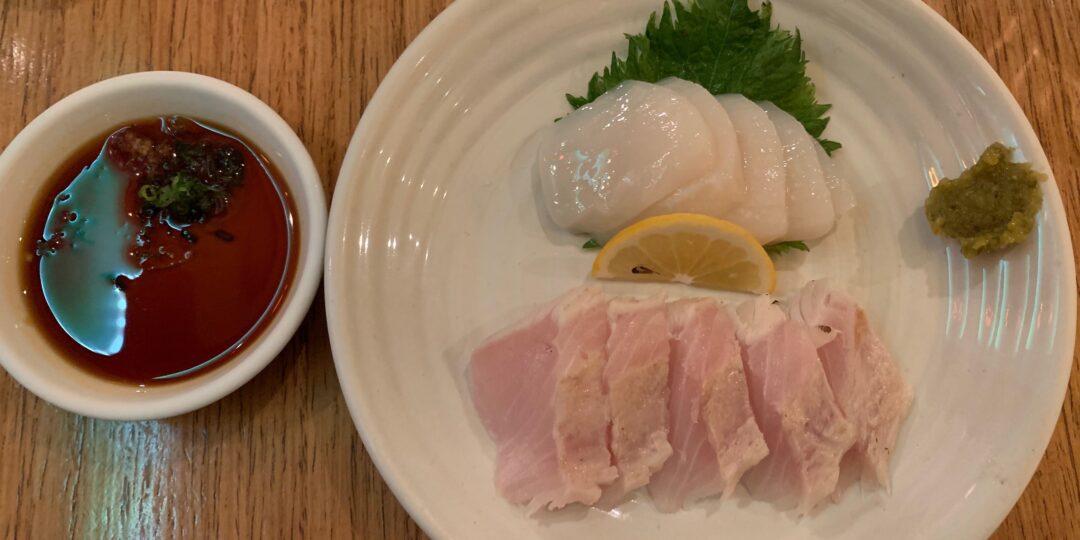
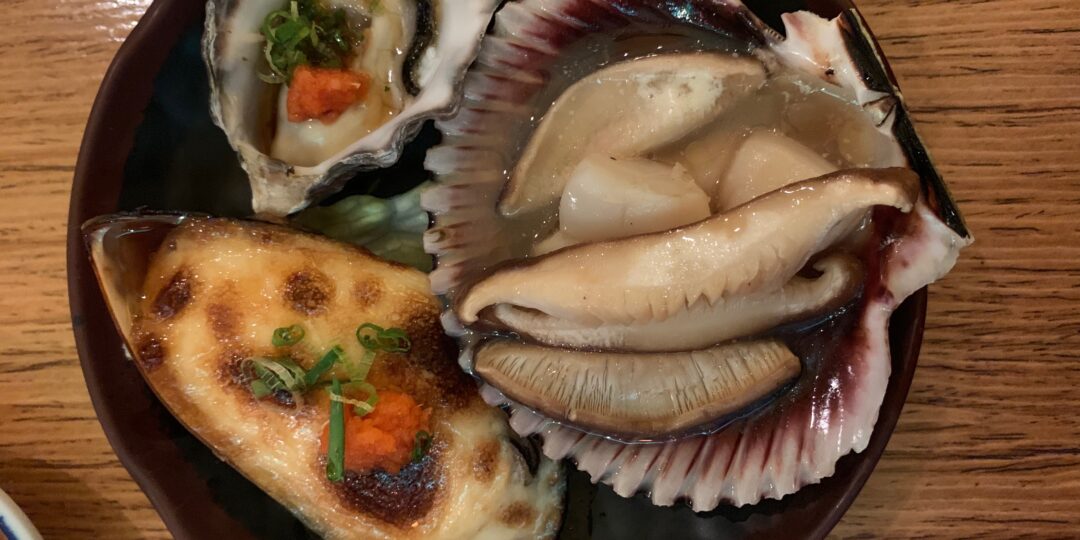
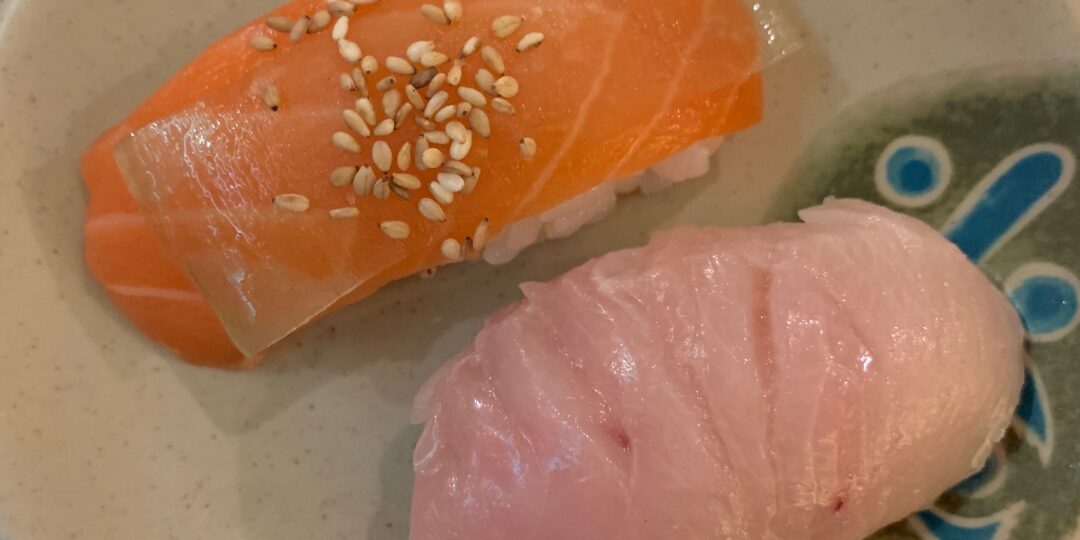
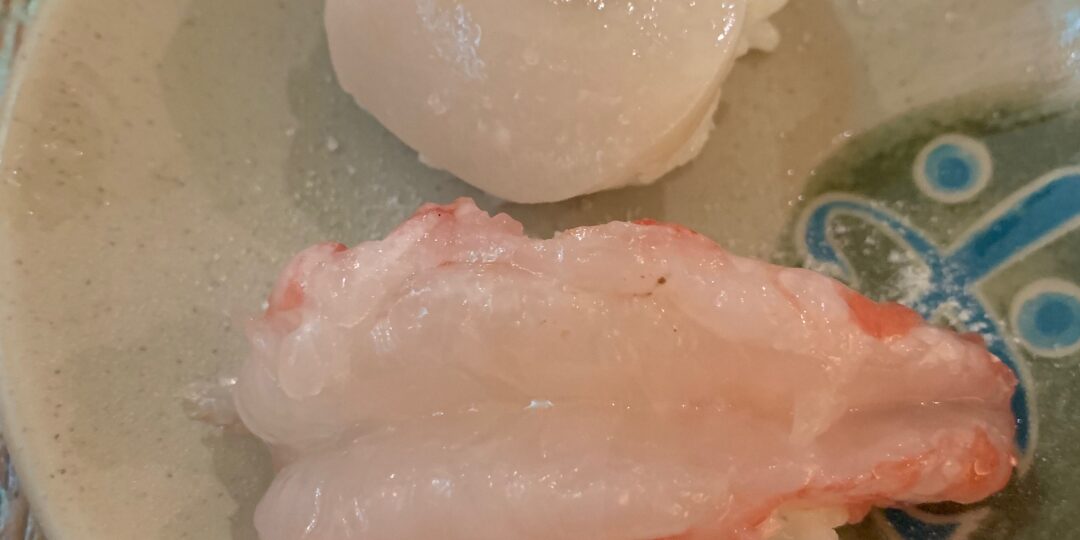
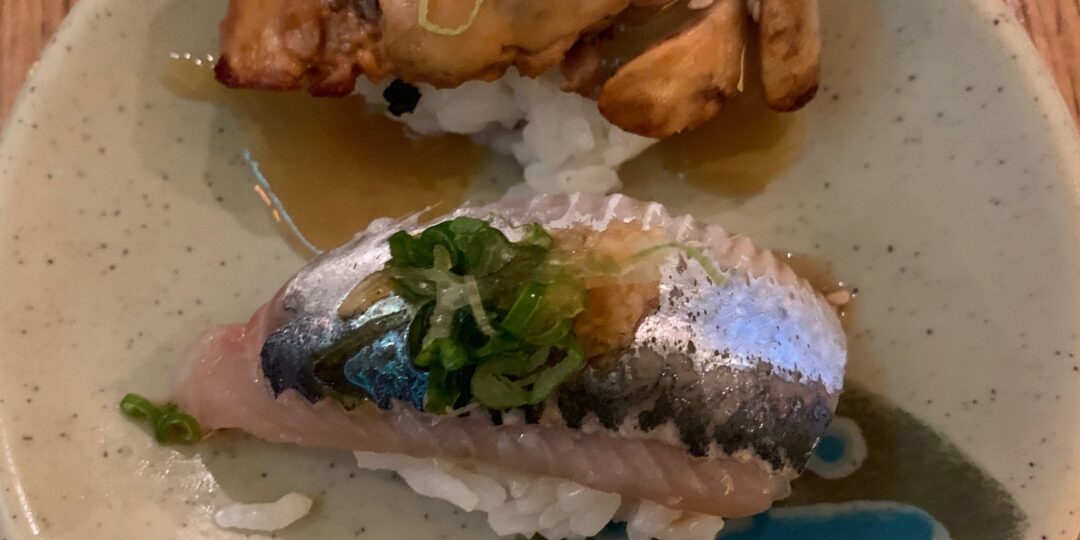
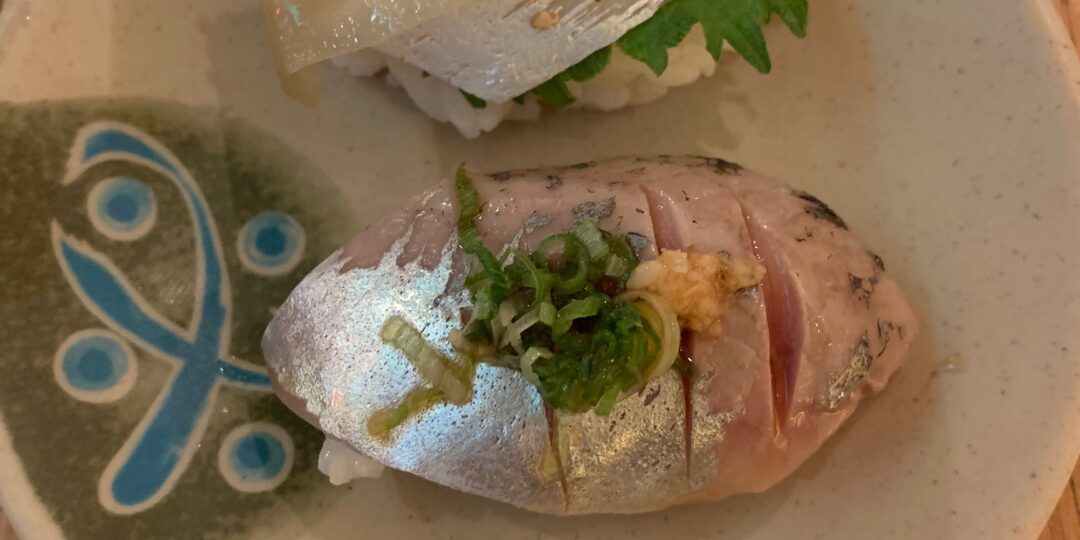
    A meal here starts with sashimi, ends with a crab hand roll, and involves many pieces of nigiri in between. But you’ll also get an oyster, a scallop (still in its shell), a baked mussel, some crazy good cooked butterfish, and uni if you want it. Fish varieties change depending on what’s available, but you’ll rarely encounter anything especially advanced. The menu barely changes between visits, but everything is as fresh as it could possibly be. The space is also what you’d expect when it comes to classic LA sushi – a little storefront, no interior design to speak of, and a sushi bar that’s really the only place you should be sitting.

    Overall, the food was definitely worthy and for the price we didn’t think it was over-priced by any stretch. 

    Comments Off on SUSHI SASBUNE – Los Angeles
  • Europe,  Istanbul,  Places

    AYASOFYA HURREM SULTAN HAMAMI

    After the long journey, this was our treat on the first afternoon in Istanbul. It was also cold and raining, which made it feel it even more right.
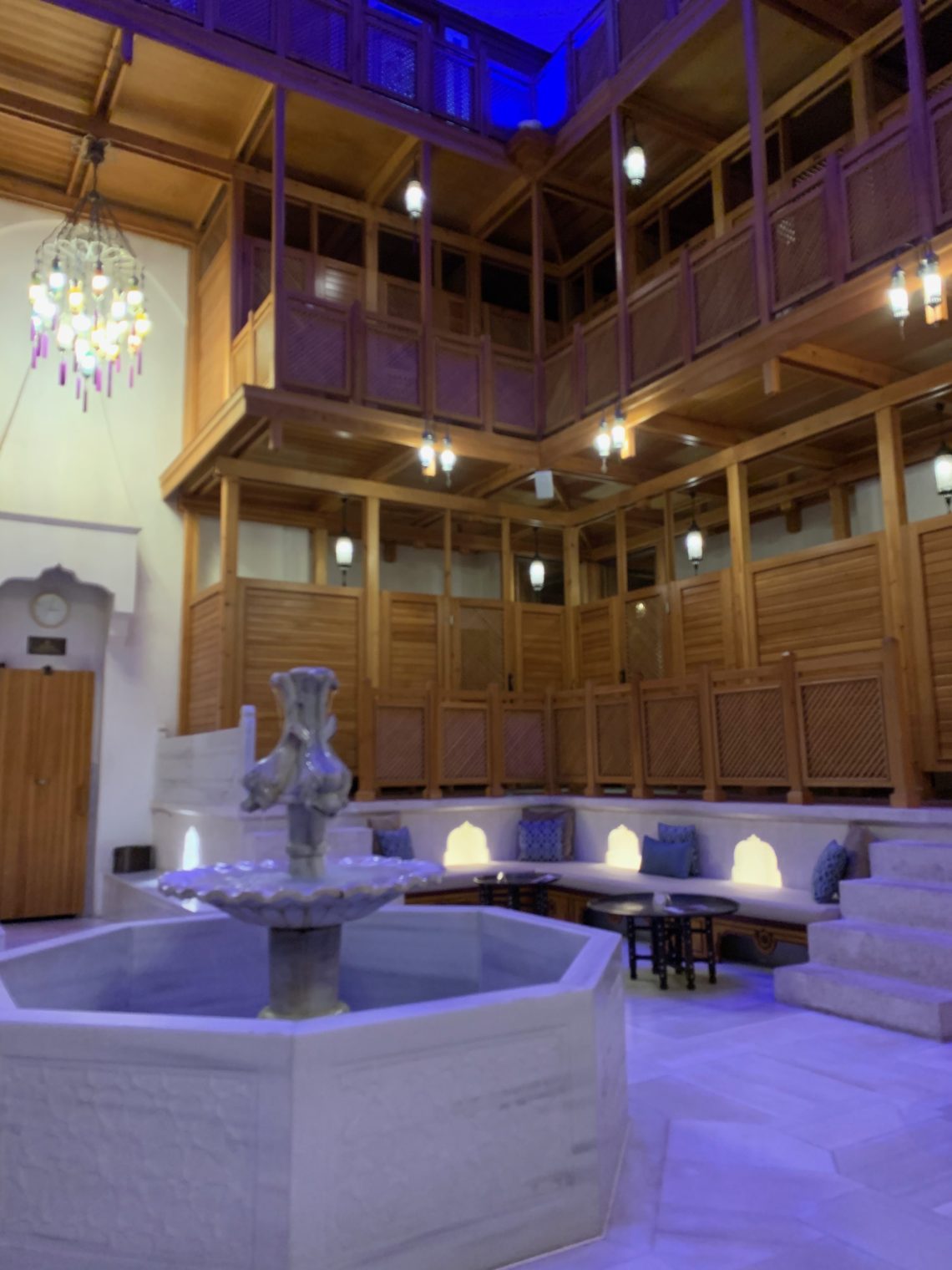
    Apart from being a relaxing place it’s also an amazing site (architecturally speaking).
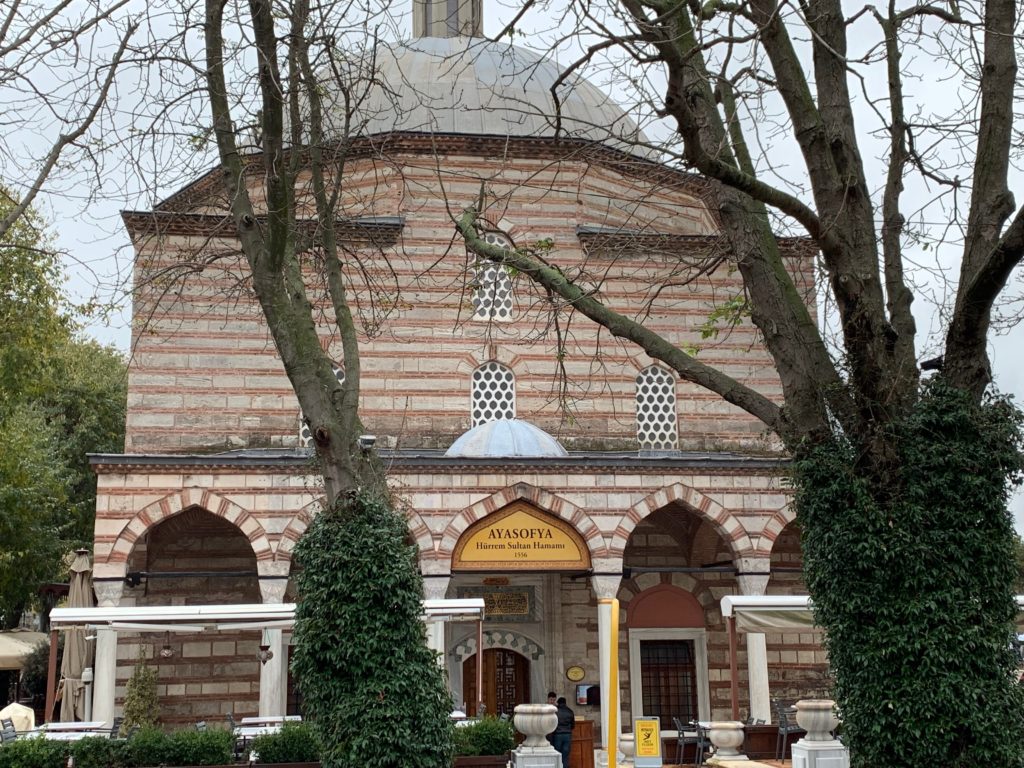
    The Ayasofya Hurrem Sultan Hamam in Instabul was designed and built by Mimar Sinan, the chief Ottoman architect. It was built under the request of Hurrem Sultan (Roxelana), the wife of Sultan Suleiman the Magnificent in the 16th century. The Hamam was operational until 1910 when it closed for many years and was used for different purposes (among which house to convicts, and storage for paper and oil). It was then restores in 1958 and used as a carpet bazar until 2007. Public baths date back to Roman time were they were not only meant for practical purposes but also for the pleasure of gathering and entertainment. In Ottoman culture it took an important place for religious purposes. According to the Koran, cleanliness is a fundamental part of the faith. These marble temples also provided a meeting place for locals to partake in conversation along with bathing and massage.
    The Ayasofia Hammam has separate sections for men and women, constructed on the same axis as mirror images of each other. The main and more visible entrance is the one of the male section. They are very organized though so they were able to check for us if there was availability at the same time in the female section. We strongly suggest you book ahead of time, especially for bigger groups, as it seems it was just out of luck we found a spot for both of us straight away.
    Before entering in the Hammam you will have to wear slippers over your shoes. I was welcomed by a cat (one of the many in Istanbul) that was taking advantage of the warm coming out of the room. In the cold room there is the reception, the changing rooms, the resting area. This is where you’ll be asked to change into the pestamal (silk wrap) before your bath. After your bath you will rest here and relax drinking a sherbet (fruit tea) and eating lukumi. After changing you’ll be shown into the hot room. The room lies under the hammam’s dome and is surrounded by open and private alcoves. The temperature is around 42-27 degrees. Here there are basins to fill with cooling water and you will receive a gold-plated bowl for pouring water over your body while the heat prepares your skin for the scrub. One of the attendants will then come to you and scrub your body. The scrubbing is definitely not as harsh as the one I experienced in Morocco, which is definitely not something you’ll define pleasant… After the scrub you will receive a bubble massage on one of the warm stones under the dome. They will then wash you and cover your skin with rose water. A wonderful and relaxing experience. You’ll then walk back into the reception area where you will drink water and fruit tea and relax a bit before getting back into the cold and rainy weather (I guess that doesn’t apply all the time, but it did for us!)
    There is the option of different bath packages, we both chose the PIR-U pack (80 euros) that included the scrub, the bubble wash and a head and neck massage. We were both very happy of the treatment, environment and staff. Definitely recommended. 

    ☎ 212-517 3535

    info@ayasofyahamami.com; Cankurtaran Mahallesi Ayasofya Meydani No:2

    ?8-2

    ? Sultanamet

    Comments Off on AYASOFYA HURREM SULTAN HAMAMI
  • Europe,  Hole in the wall,  Places,  Restaurants

    ŞEHZADE CAG KEBABI – Istanbul

    Hidden gem, delicious meat. This is a somewhat unique way of roasting directly over charcoal and wood, right in front of your eyes.
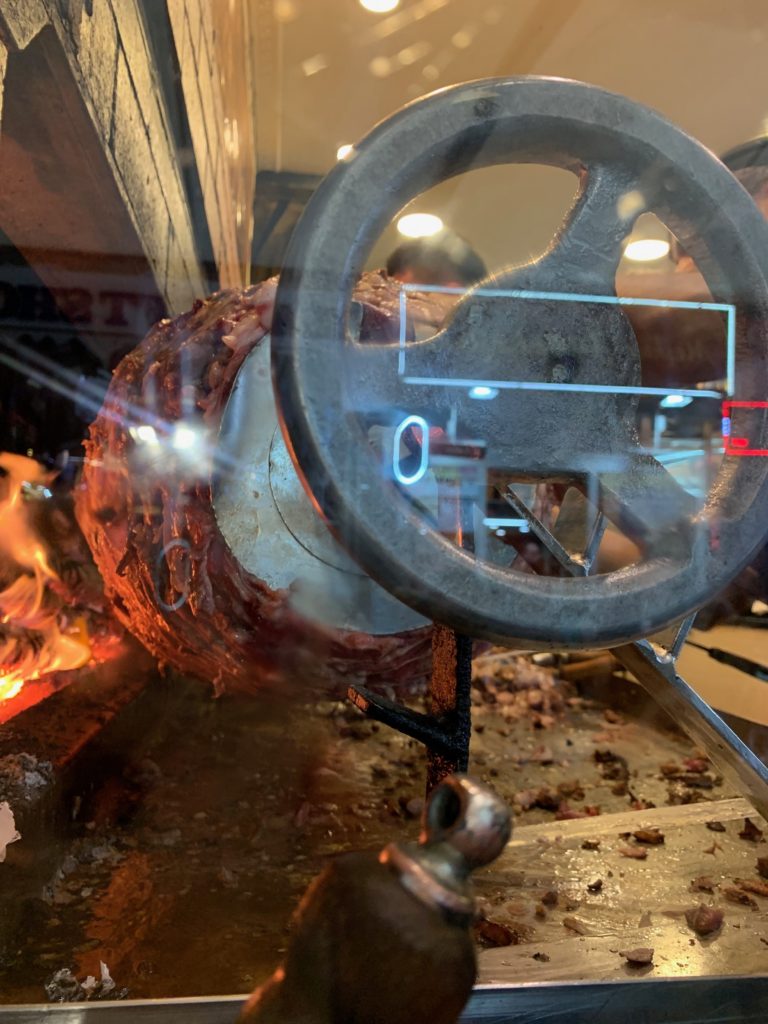
    Order a çag kebap with a salad and yogurt and enjoy the thinly sliced, slightly crispy lamb meat on skewers served together with freshly made pancakes.
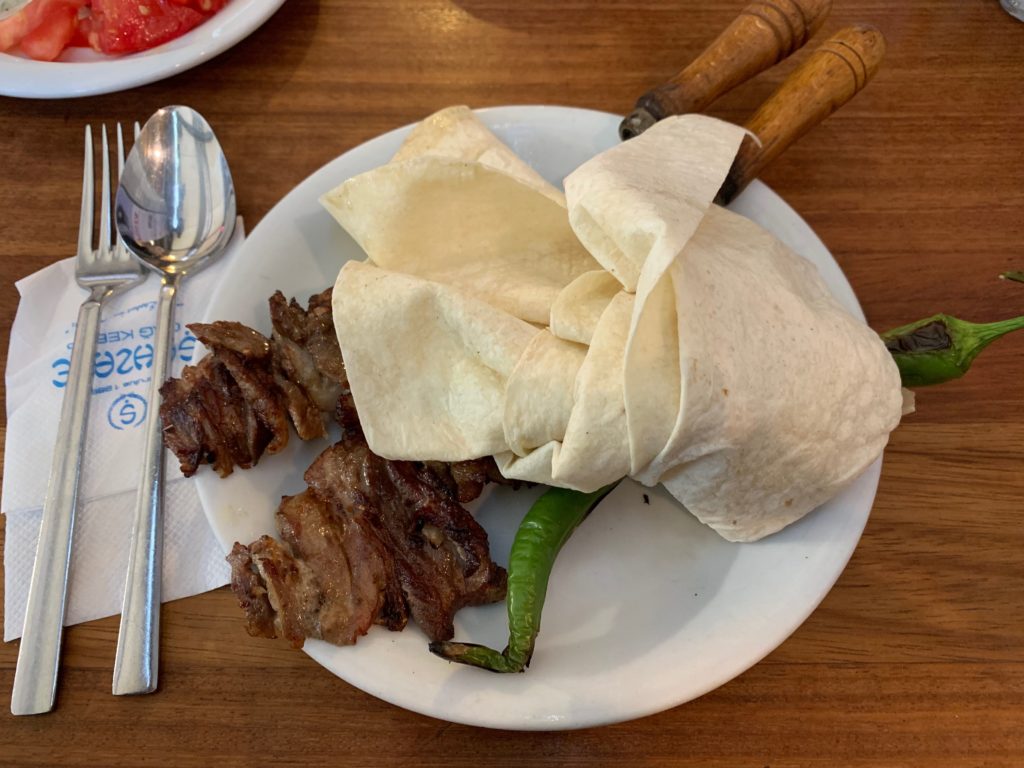
    The place is not large. Some tables outside, some inside and there is an upper floor. Service is fast, people smiling and it is hygienic. 

    Don’t expect to linger around in your post-meal bliss – it’s a place with a lot of turnaround where people get served and leave fairly quickly. Fairly inexpensive.

    ☎ (212) 520-3361

    Hocapaşa Sokak 6

    ?11-22

    ?

  • Europe,  Hole in the wall,  Places,  Restaurants

    KARADENIZ AILE PIDE VE KEBAP SALONU – Istanbul

    This popular restaurant near Divan Yolu has the typical style of the pizza places on the Black Sea (Karadeniz). It serves pide and kebap and it is crowded with merchants from the neighborhood. You can sit comfortably at one of the indoor tables (local women usually sit upstairs but they are not strict with tourists) or at one of the outdoor tables in the cobbled street.

    They don’t serve alcohol.

    Try not to confuse this salon with the ones around, that has very similar names but are not at the same level. This one is at the corner of Biçki Yurdu Sokak.

    ☎ 212-528 6290

    www. karadenizpide.net; Haci Tahsinbey Sokak 7

    ?11-23

    ? Sultanamet

    Comments Off on KARADENIZ AILE PIDE VE KEBAP SALONU – Istanbul